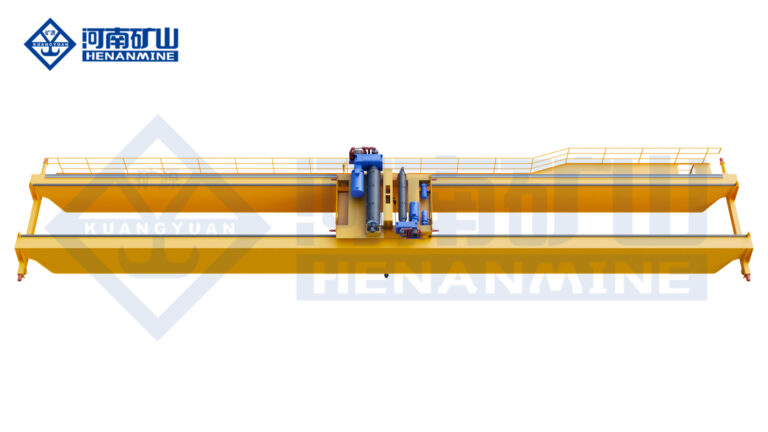
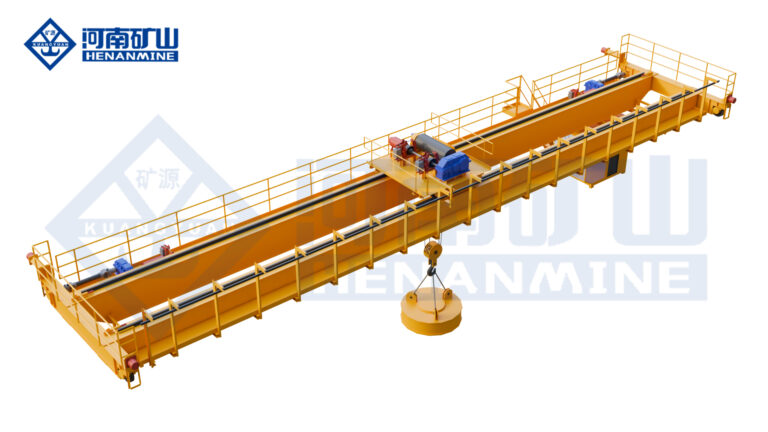
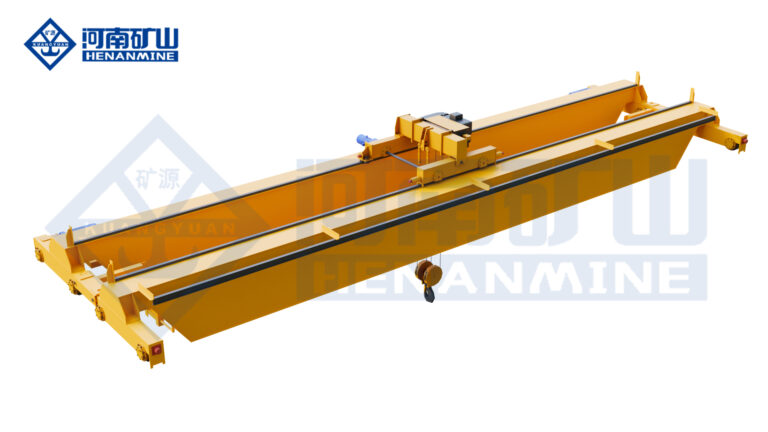
Receive and identify
Capture the part or plate size, weight, fixture and destination so the correct handling method is selected.
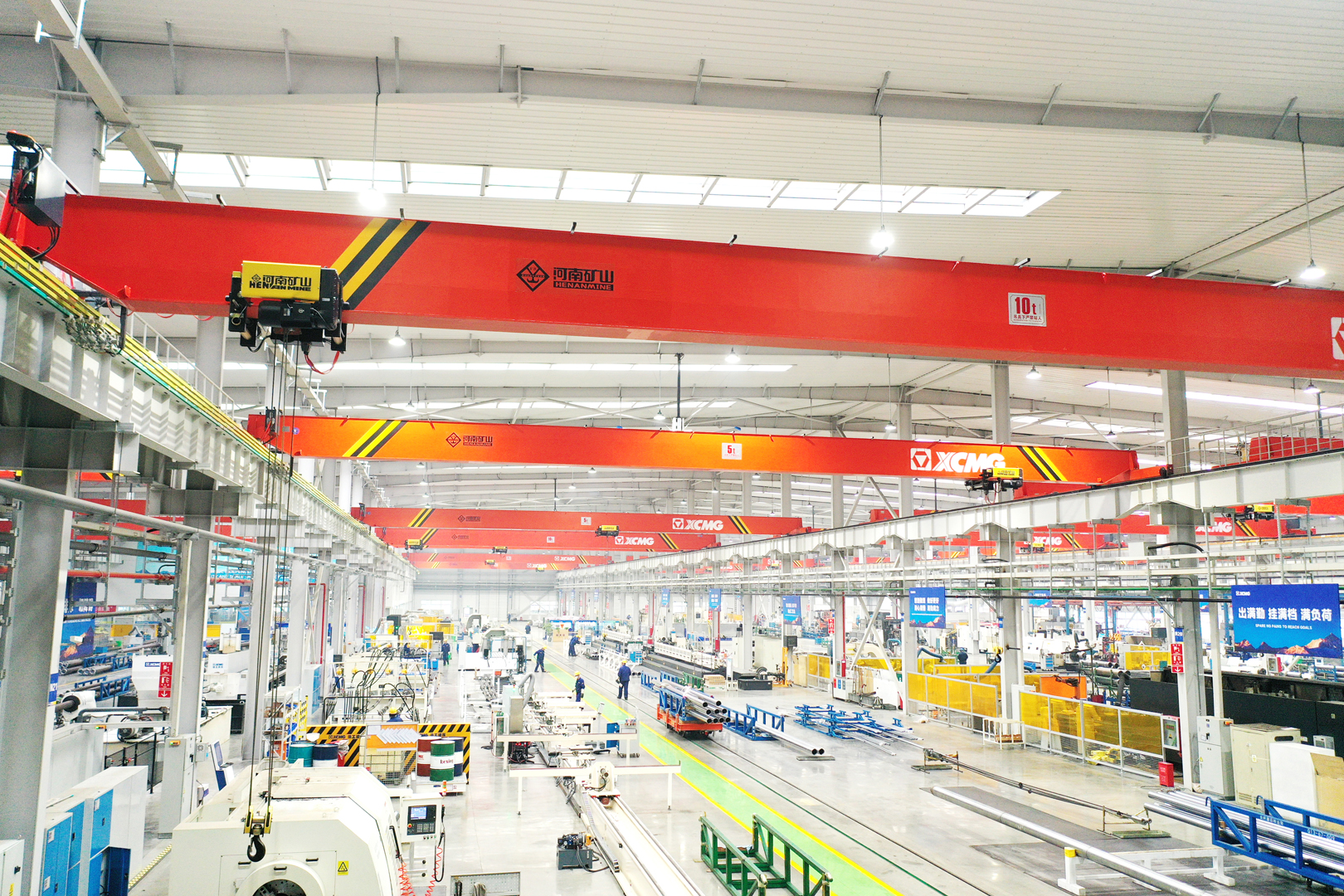
Make the crane part of the production flow, not a bottleneck above it.
Production cranes configured for real factory workflows
Factory cranes move components between receiving, processing, assembly and dispatch. The right solution balances lift capacity with station coverage, cycle time, load tracking, maintenance access and integration with production or warehouse control systems.
The factory solution maps each lift from receiving through processing, assembly, storage and dispatch. Crane coverage and hook approach are set by the workstation positions, while the attachment is chosen for the actual parts or plates. Where repetitive storage is automated, load identity, destinations, route rules and exception recovery are linked to the physical crane movement. Heavy assembly lifts remain planned operations with suitable low-speed control and building support.
Follow the load through the operation to see where lifting equipment, tooling and controls must work together.
Capture the part or plate size, weight, fixture and destination so the correct handling method is selected.
Place loads within the required machine or assembly envelope without blocking adjacent routes and work areas.
For automated cells, connect load identification, position data and stacking rules to the crane task.
Provide the outbound handling route and a defined method for interrupted or exceptional moves.
Define the material, handling cycle and working zone before fixing the crane arrangement.
Choose coverage, hook approach and attachment for each station, including fixtures and production equipment access.
Define load identification, stacking positions, collision zones, task scheduling and recovery procedures before automation.
Review tandem lifts, building interface and low-speed positioning for large fabricated or machined components.
These choices affect safety, process fit and the operating life of the installation.
Size the crane from the station map, typical and maximum loads, cycle times and shifts rather than from peak capacity alone.
Check runway support, wheel loads, headroom, maintenance access and possible future line changes early in the layout.
Define which tasks are automatic, what the system must sense, how operators intervene and how the warehouse or production system exchanges data.
See how cranes and lifting systems were configured for demanding operating environments.
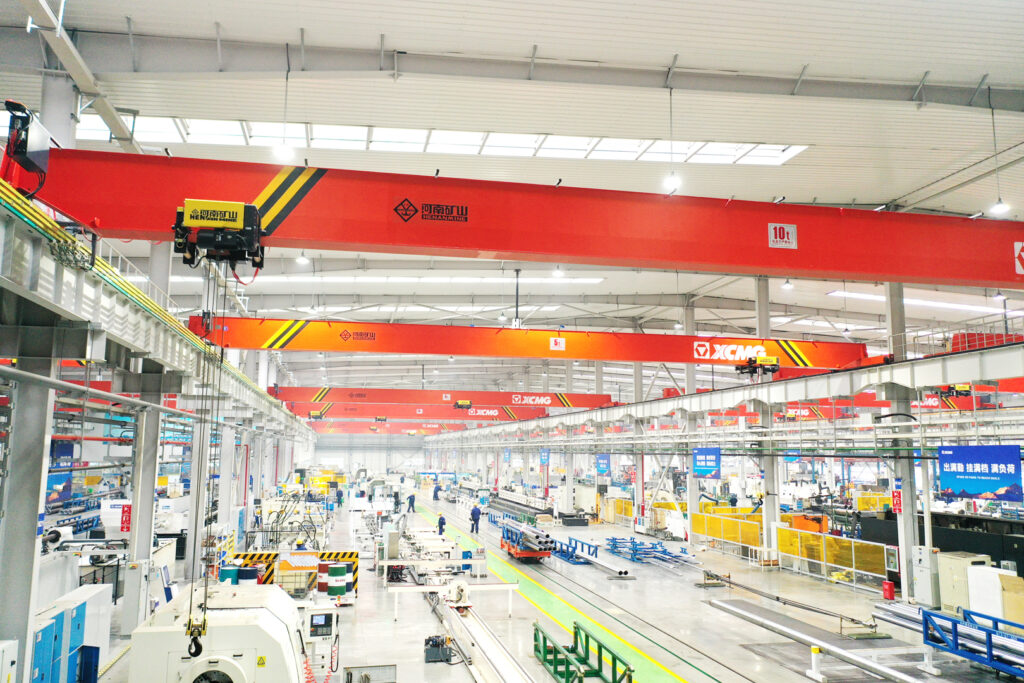
More than 300 cranes were supplied to XCMG for assembly and structural production transfers.
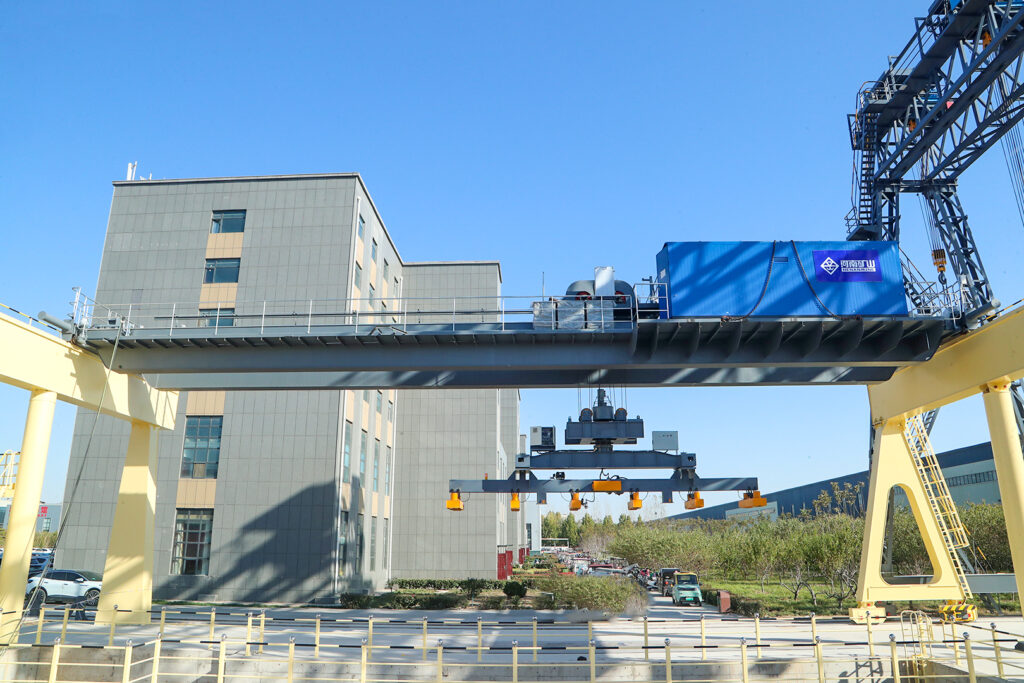
The tested warehouse crane covers vehicle recognition, plate identification, coding and automated unloading, turning, sequencing, stacking and restacking.
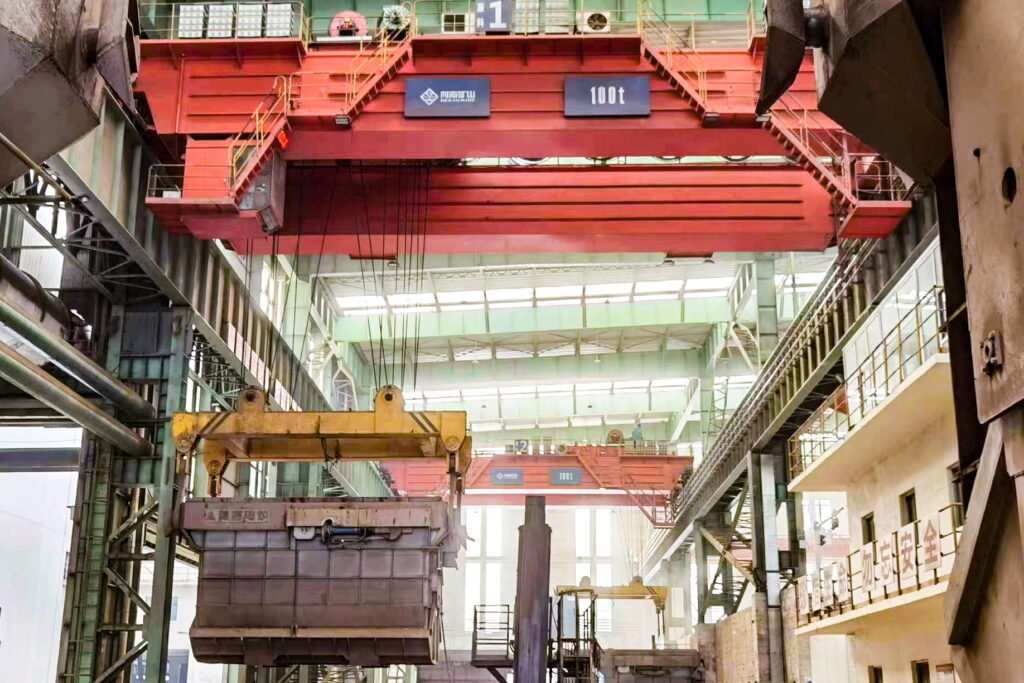
More than 150 cranes were supplied for a factory production-line project, including two 100 t intelligent cranes with work-position recognition and crane-position tracking.
These product families support the handling tasks above. The final crane and attachment are selected from the site brief.
Send the operating brief and the relevant layout drawings. The resulting proposal can address capacity, geometry, duty, controls, installation interface and safety requirements as one system.
Prepare your enquiry ↗Document the load identities, storage map, route rules, sensing, collision zones, manual recovery and interface to the warehouse management system.
Provide expected lifts per hour, typical and maximum loads, shifts and travel distances. Capacity alone does not describe the work cycle.
Start with a load schedule and site plan. Our team can help develop the matched crane arrangement and technical scope.
Start a project enquiry ↗