Crane Factory Inspection for Lanzhou Baohang’s Battery Anode Plant
A crane batch for a 100,000-tonne battery anode material project completed third-party review of documents, dimensions and mechanical checks.
The project and its handling task.
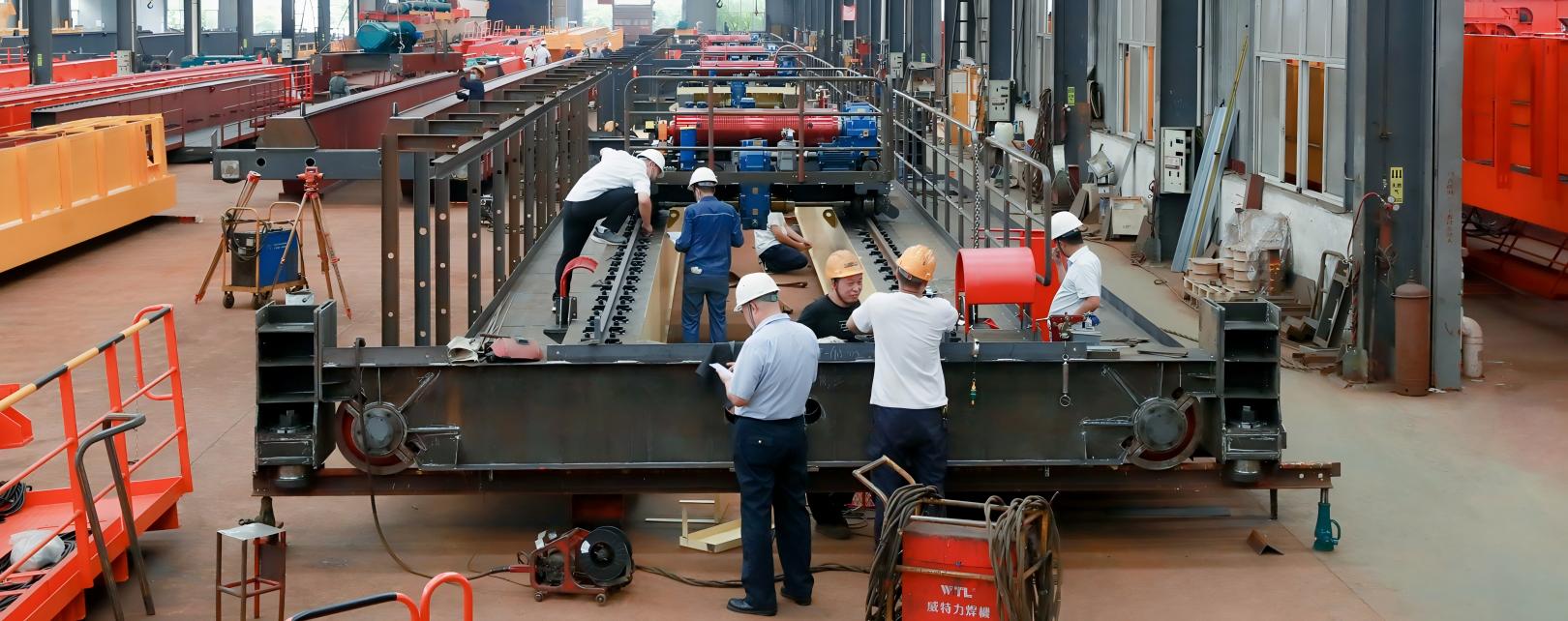
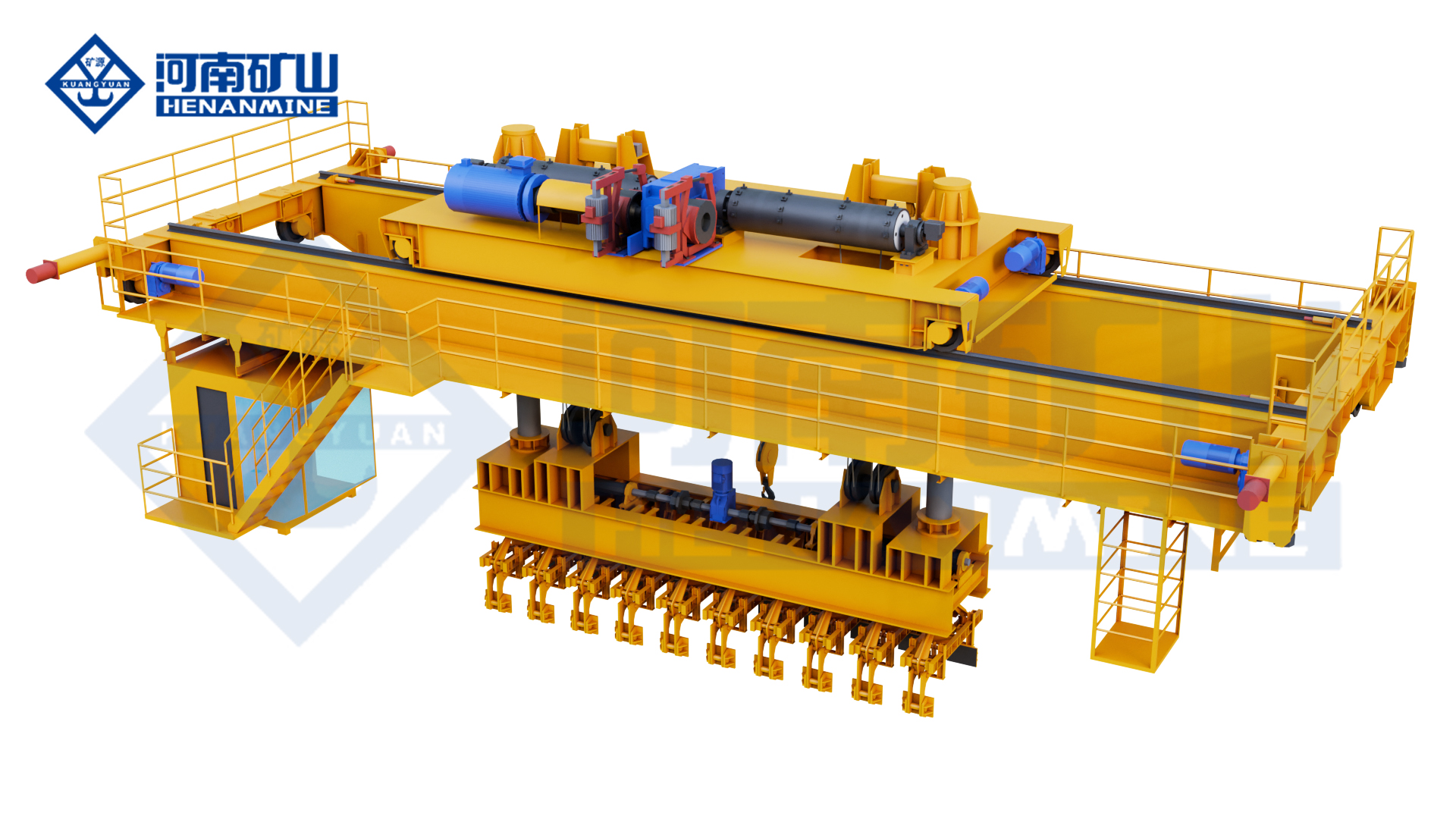
Henan Mine Crane manufactured a crane batch for Lanzhou Baohang’s 100,000-tonne negative-electrode material project. The equipment completed an A-inspection by Baosteel Consulting and Shanghai Jinyi inspection specialists.
The inspection reviewed self-inspection records, material reports and non-destructive-testing reports. Physical checks included main-girder span, brake-wheel runout, wheel-tread hardness and crane travel mechanisms. The tested items were within their acceptance ranges.
Specify and verify lifting equipment for a carbon-material production line.
A carbon-anode-material project needs cranes whose fabrication, dimensions and running gear can be checked against the building and process duty before installation.
Confirm loads, process route and runway drawings for the material line.
Review material, welding and non-destructive-test records.
Check span, brake wheel, wheel tread and travel mechanism against agreed criteria.
Check span, brake wheel, wheel tread and travel mechanism against agreed criteria.
The equipment behind this project.
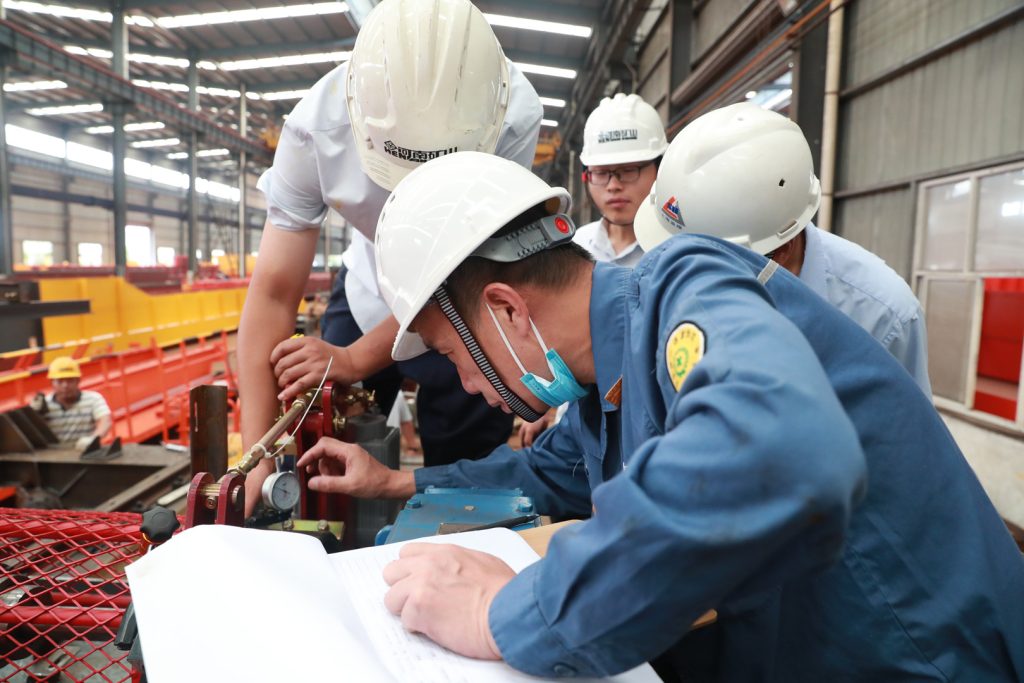
The inspection reviewed self-inspection records, material reports and non-destructive-testing reports. Physical checks included main-girder span, brake-wheel runout, wheel-tread hardness and crane travel mechanisms. The tested items were within their acceptance ranges.
- Plant applicationBattery negative-electrode material production
- Project scale100,000-tonne material project
- Document reviewSelf-inspection, material and NDT reports
- Dimensional checksMain-girder span and brake-wheel runout
- Mechanical checksWheel-tread hardness and travel mechanisms
- Acceptance milestoneThird-party A-inspection completed
What to compare with your own project.
Match the project configuration to your load, layout and operating sequence before selecting a crane package.
| Design area | This project configuration | Define for your site |
|---|---|---|
| Plant application | Battery negative-electrode material production | Equipment schedule and loads. Define the required operating envelope and acceptance checks in your technical brief. |
| Project scale | 100,000-tonne material project | Building/runway tolerances. Define the required operating envelope and acceptance checks in your technical brief. |
| Document review | Self-inspection, material and NDT reports | Inspection and NDT records. Define the required operating envelope and acceptance checks in your technical brief. |
| Dimensional checks | Main-girder span and brake-wheel runout | Factory acceptance criteria. Define the required operating envelope and acceptance checks in your technical brief. |
| Mechanical checks | Wheel-tread hardness and travel mechanisms | Equipment schedule and loads. Define the required operating envelope and acceptance checks in your technical brief. |
| Acceptance milestone | Third-party A-inspection completed | Building/runway tolerances. Define the required operating envelope and acceptance checks in your technical brief. |
See the equipment and working environment.
Explore the equipment arrangement and handling environment.
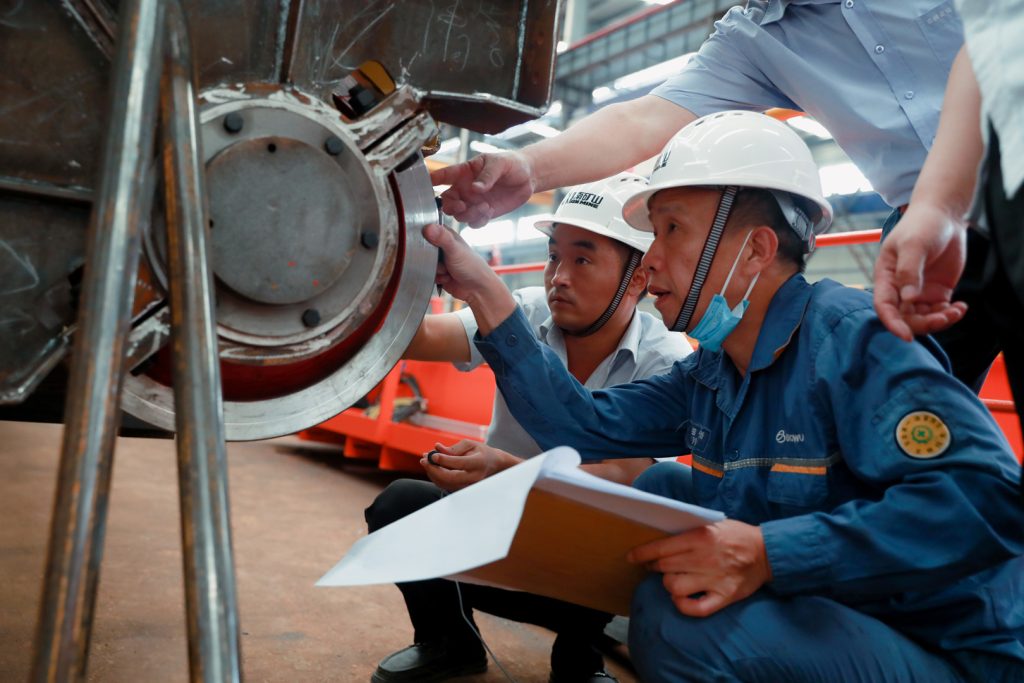
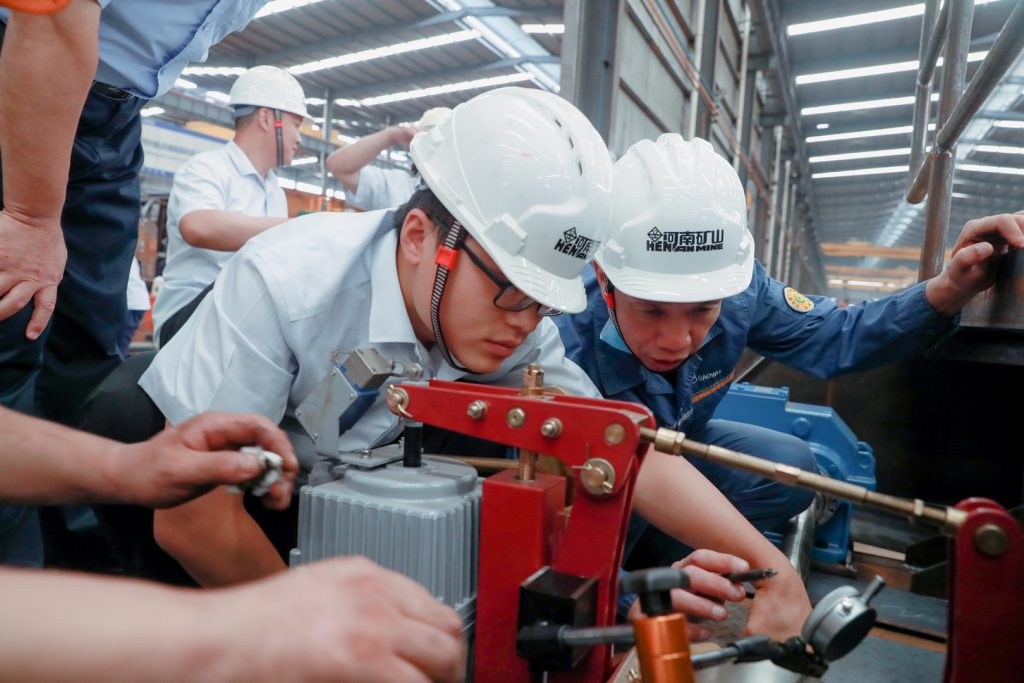
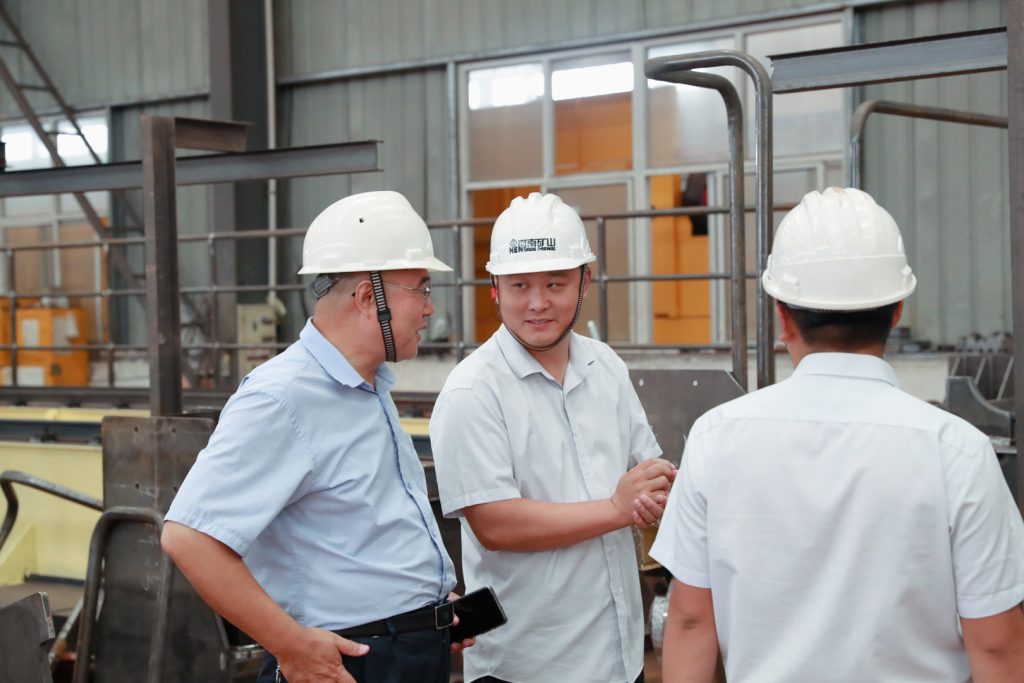
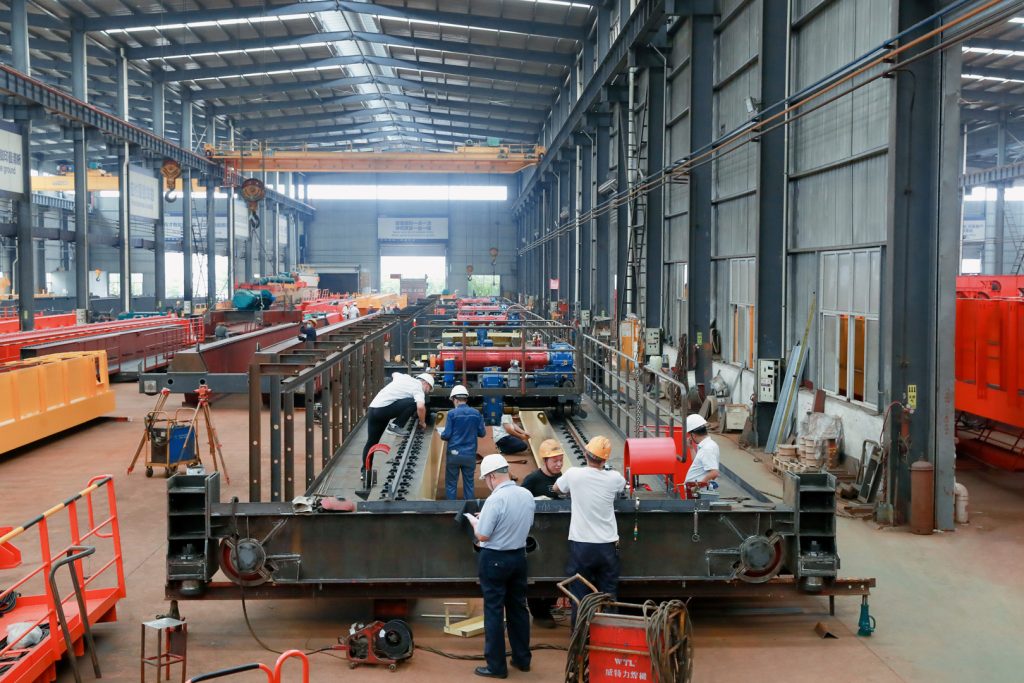
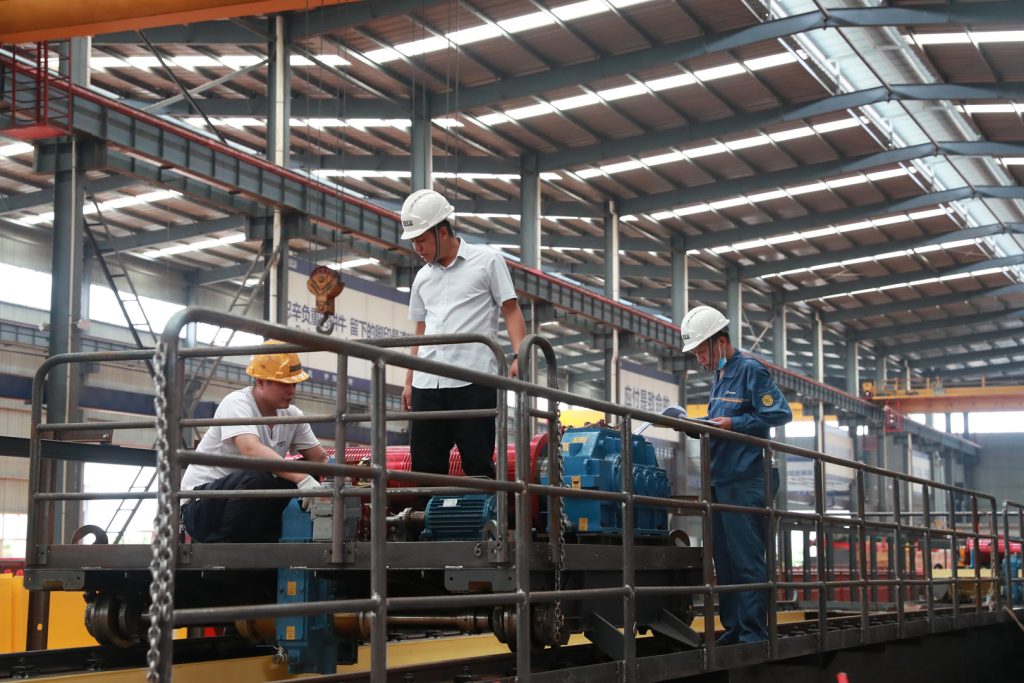
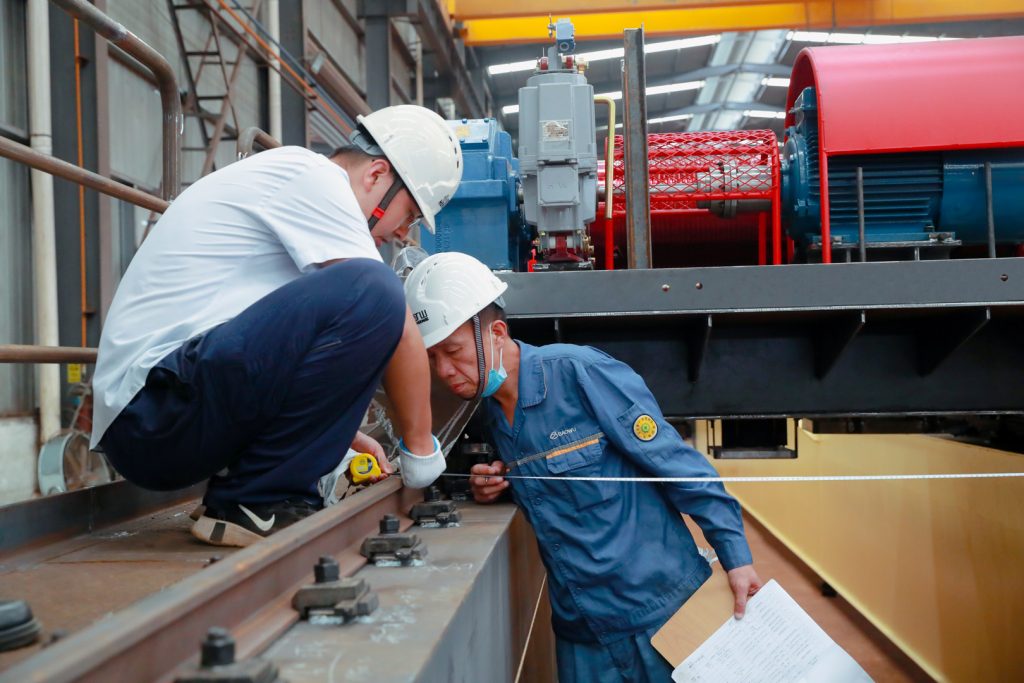
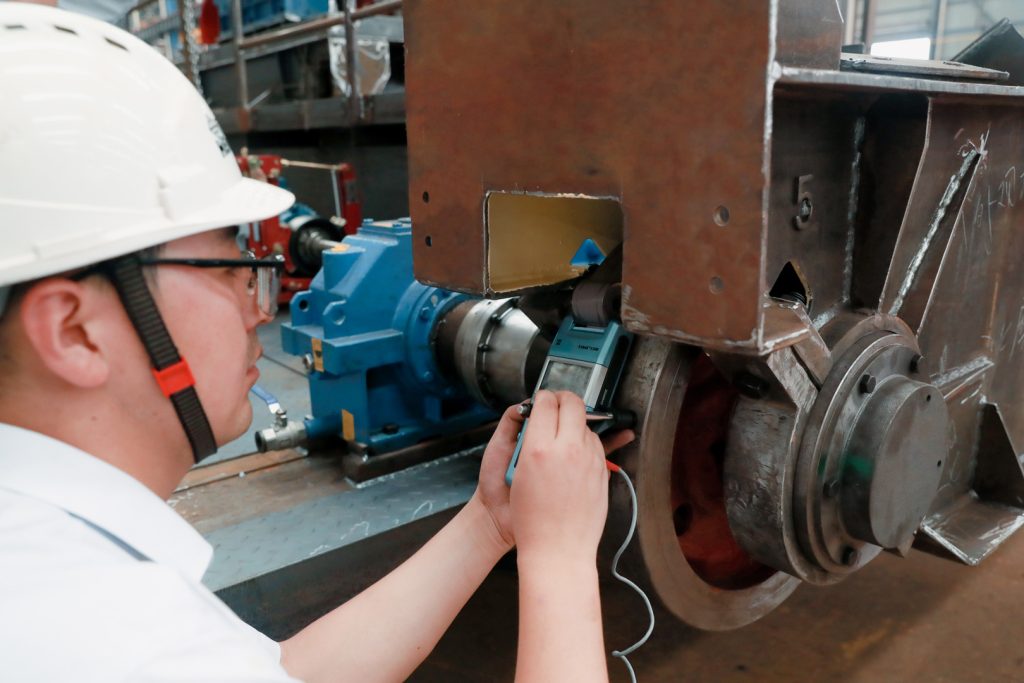
A-inspection completed.
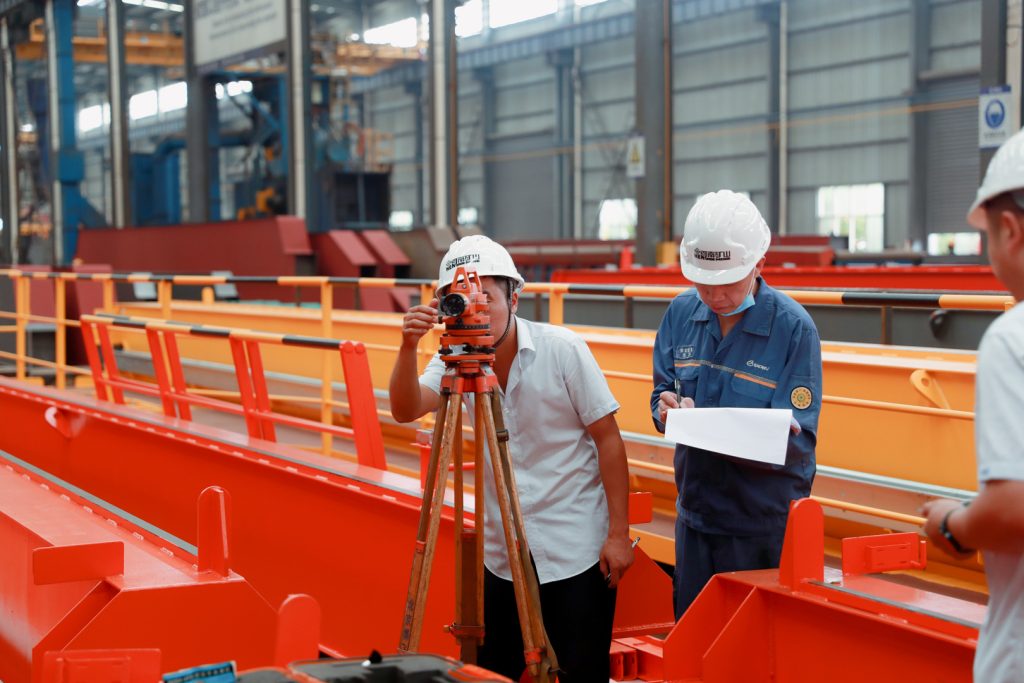
The crane batch completed A-inspection with the reviewed items within the required ranges. The case illustrates an equipment acceptance process built around traceable manufacturing records and physical verification.
For a similar project, develop an acceptance plan alongside the crane layout. Review design records and material reports, measure span and wheel geometry, and test the running mechanisms before the equipment is released to site.
Continue from the project to the right crane family.
Use the project as a reference and specify the crane against your own yard layout and cargo.
Prepare a comparable crane quotation.
Share the load schedule and site drawings. Develop an acceptance plan alongside the crane layout. Review design records and material reports, measure span and wheel geometry, and test the running mechanisms before the equipment is released to site.
We can quote a single crane or a coordinated fleet. The offer sets out the destination standards, required certificates and inspection records, manufacturing programme after drawing approval, shipment, installation support and agreed acceptance scope.
- Equipment schedule and loads
- Building/runway tolerances
- Inspection and NDT records
- Factory acceptance criteria
- Destination standards, quantity and inspection documentation
- Manufacturing programme, shipment, commissioning, training and spares
Questions before specifying a similar crane.
Can the same project crane be supplied for my site?
We customize the capacity, span, lifting height, attachment and controls to the load, building or yard layout and operating cycle. Equipment schedule and loads is one of the inputs to review before final equipment selection.
How are certification, quantity and lead time agreed?
Single-crane and fleet enquiries are welcome. Define the destination and required standards in the enquiry. The project offer confirms certification and inspection documents, the quantity, drawing approval and manufacturing schedule, with the shipping and site-service boundaries.
What should acceptance and after-sales support include?
Agree the inspection plan, representative load and functional tests, operator training, maintenance instructions, spare-parts scope and fault-recovery procedures. For this application, include factory acceptance criteria in the technical review.
Planning a similar lifting project?
Send your layout, load and operating requirements. We can develop a customized crane package and delivery scope for your site.