Skip to content
Henan mine crane co., ltd. Get a project quote
MHL / Electric wire-rope hoist / L-leg

MHL L-Type Electric-Hoist Gantry Crane

MHL combines an electric-hoist single-girder gantry with L-shaped legs. Select the opening around the workpiece, rigging and receiving vehicle at their working height. Check useful hook positions, both ground runways and any planned turn together, so the complete load can pass from pickup to placement.

Rated capacity
1 / 2 / 3 / 5 / 10 / 16 / 20 t
Span
3–31.5 m
Lifting height
6 / 9 / 12 / 18 / 24 / 30 m
Working duty
A3–A5, selected for the operating cycle
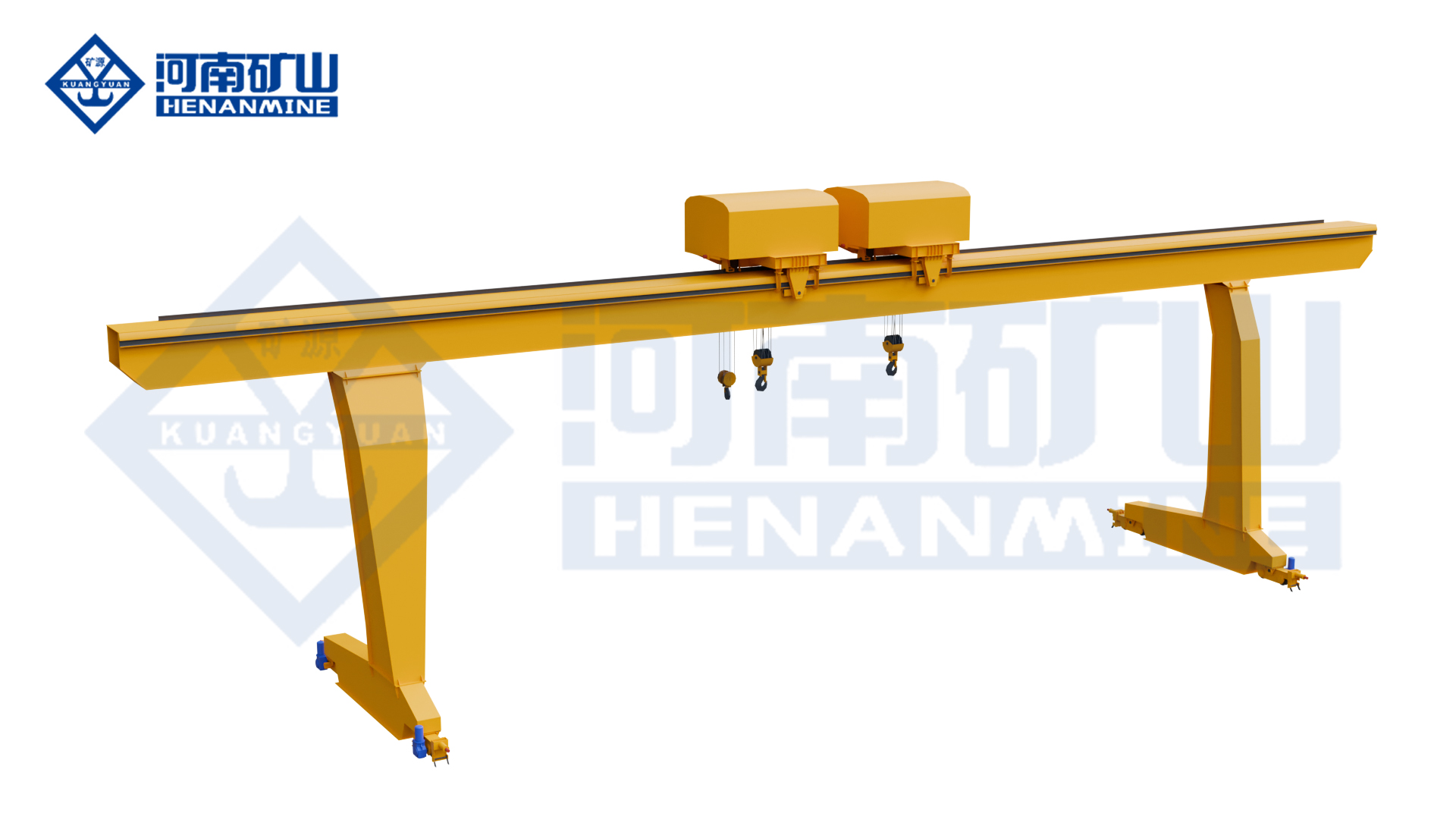
Manufacturer rendering: Opposite three-quarter view of the L-leg gantry
MHL L-type arrangement reference — manufacturer rendering; configuration illustration.Manufacturer arrangement rendering
01 / APPLICATIONS

Where the MHL
fits the work.

01

Long fabricated components

Transfer beams, frames or elongated assemblies where passage past the supports affects the route. The workpiece, suspended orientation and lifting beam all influence the opening needed during the move.

02

Loading alongside a working lane

Bring rigged material to a receiving vehicle or loading position while keeping moving legs and ground rails clear of the planned access route. Where an outside-span landing point is required, define it with the selected cantilever arrangement.

03

Repositioning a component between operations

Plan a change in orientation when the pickup and landing positions require the component to face a different direction. Select the turning method and lifting connections with the load, then check the whole movement through the L-leg envelope.

02 / TECHNICAL SPECIFICATIONS

MHL specifications
and equipment configuration.

Compare the lifting mechanism, control functions and site interfaces for the selected crane.

Choose one matched load, span, lift and electric-hoist speed package. Listed options do not establish that every combination is available.

MHL technical specifications and configuration
ModelMHLRated capacity options1 / 2 / 3 / 5 / 10 / 16 / 20 t
Span options3–31.5 m, selected with the required loadLifting-height options6 / 9 / 12 / 18 / 24 / 30 m
Working classA3–A5, selected for the operating cycleLifting mechanismElectric wire-rope hoist
Girder arrangementSingle girderSupporting legsL-shaped legs for side access and load passage
Hoisting-speed options8 or 8 / 0.8; 7 or 7 / 0.7; 3.5 or 3.5 / 0.35 m/minSpeed selectionChoose one matched hoist speed package for the rated load
Crane-travel driveThree-in-one variable-frequency drivePower supply380 V, 50 Hz, 3-phase; site supply options
Operating controlsGround pendant / wireless remote / cabinLifting attachmentsHook; grab or electromagnetic attachment by configuration
Crane runwayTwo ground-level runway railsCantilever arrangementWith or without cantilever
Clear passageLeg opening selected for the load and vehicle routeHook coverageIn-span lifting and agreed outside-span reach
Working motionsVertical lifting, hoist cross travel and crane long travelOperating patternIntermittent, repeated loading and material handling
Rail and wheel selectionMatched to span, wheel reactions and foundation layoutApplication focusLong loads and tasks requiring turning clearance between the legs
03 / EQUIPMENT VIEWS

See the MHL arrangement.

Review the original equipment views alongside the selected crane drawing.

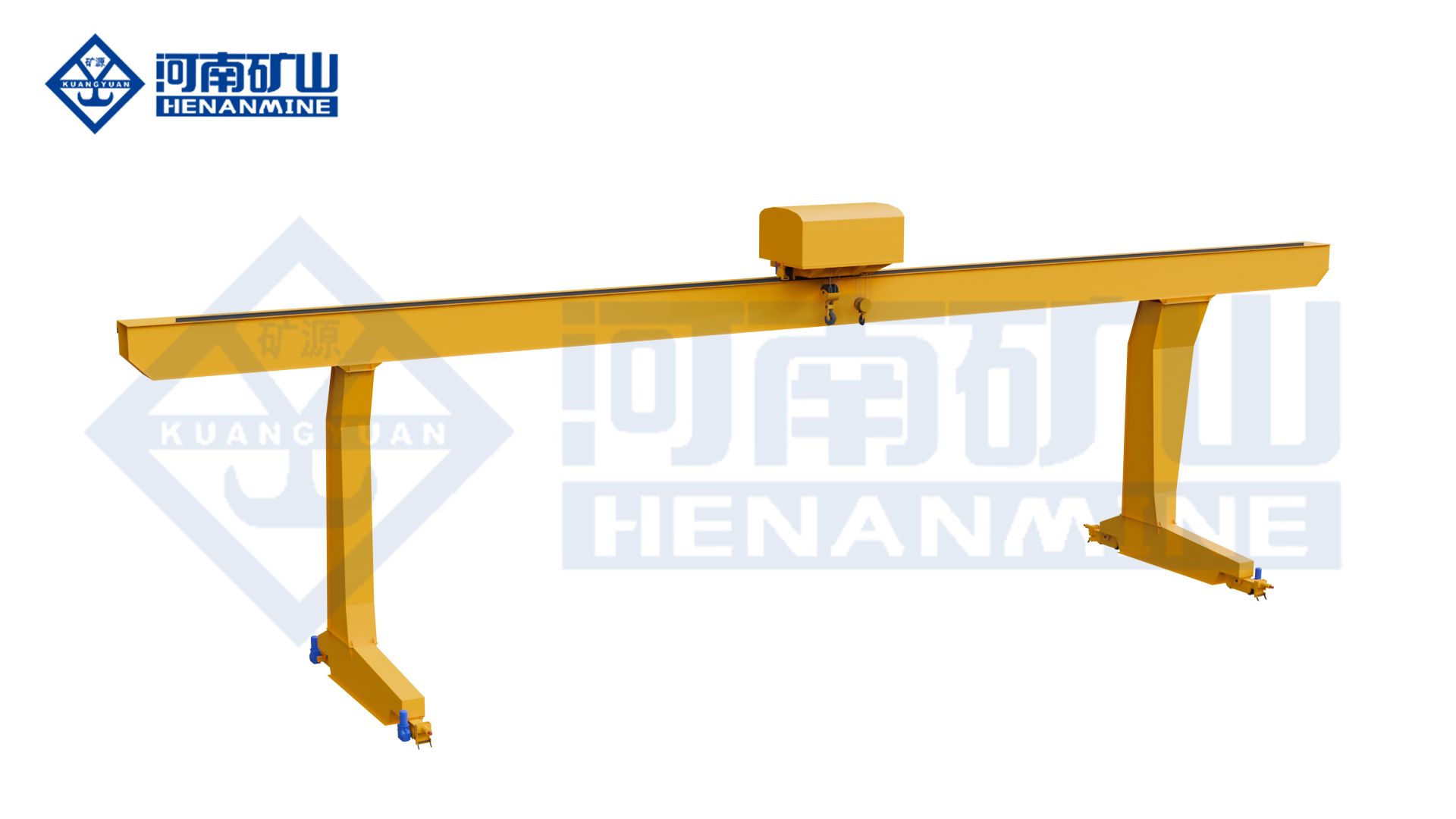
Manufacturer rendering: Three-quarter view of the L-leg gantry
Three-quarter view of the L-leg gantry — manufacturer rendering.
Manufacturer rendering: Opposite three-quarter view of the L-leg gantry
Opposite three-quarter view of the L-leg gantry — manufacturer rendering.
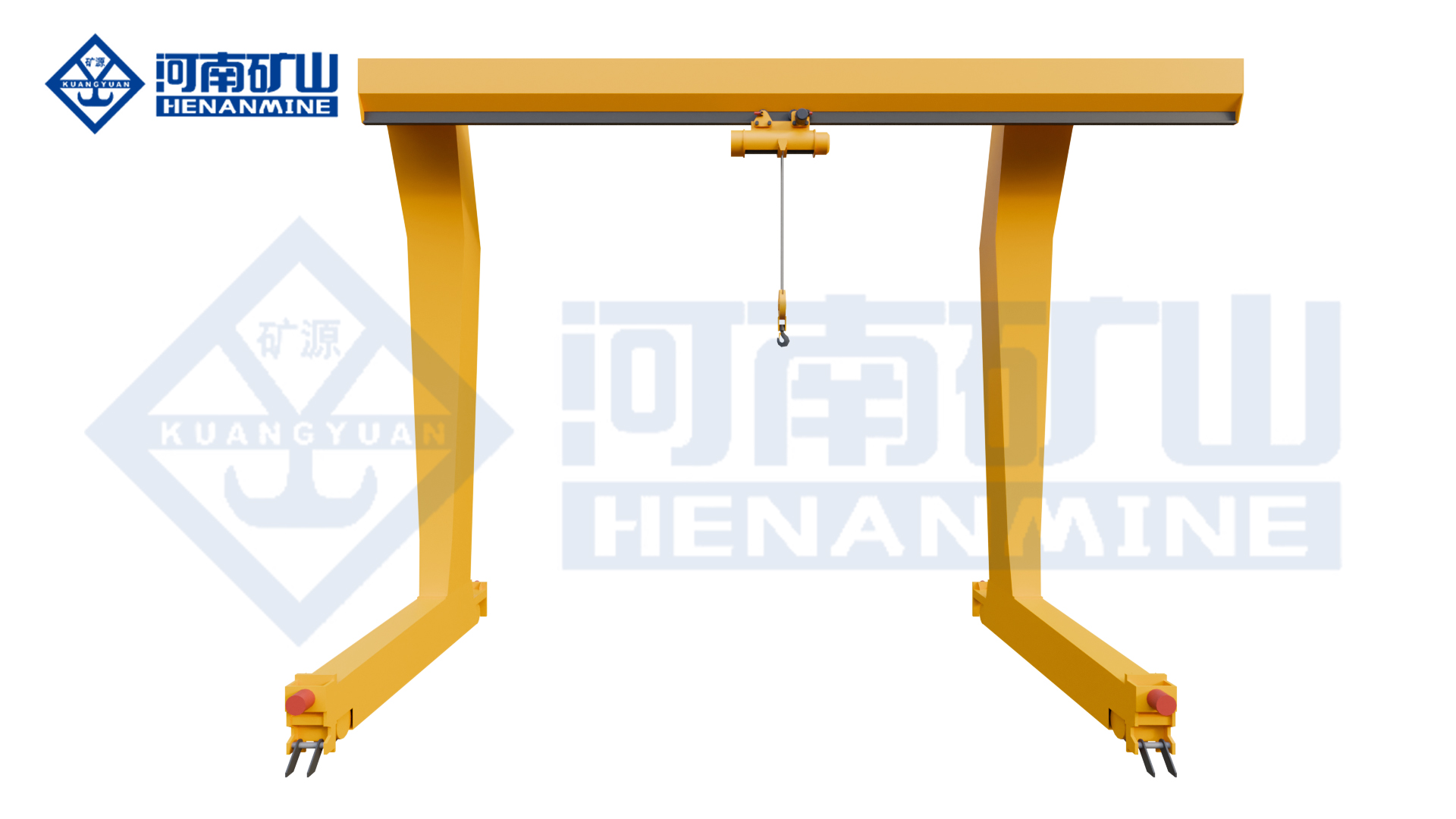
Manufacturer rendering: Front view showing the L-leg layout
Front view showing the L-leg layout — manufacturer rendering.
04 / CONFIGURATION

Choose the MHL equipment and site interfaces.

01 / OPTION

L-leg opening and hook coverage

Check the complete workpiece, lifting beam, slings, hook block and receiving vehicle at the actual passage height. Include upper and lower hook levels, approaches, any side-hung hoist projection and permitted cantilever loads; rail-centre span alone does not describe the opening.

02 / OPTION

Lifting and turning method

Match the electric-hoist speed package to rated load and cycle. Hook, grab and electromagnetic arrangements change suspended mass and electrical interfaces. Define any turning method, lifting connections, separate equipment and permitted movements through the L-shaped supports.

03 / OPTION

Travel, controls and power

Coordinate the three-in-one variable-frequency crane-travel drive with the aisle and stopping task. Choose pendant, wireless remote or cabin operation for visibility. State voltage, frequency, phases and supply point; define the power feed and connection responsibilities.

04 / OPTION

Runways and service access

Use selected wheel geometry and reactions for both ground runways and foundations. Coordinate moving legs, crossings, nearby services and doors; specify operating and parked wind, weather, corrosion and parking provisions. Agree transport sections, assembly and maintenance access.

05 / PURCHASING & DELIVERY

Confirm the complete MHL supply scope.

ORDER

Order quantity

Request one complete MHL or a project quantity. Share load, approximate rail-centre span, useful lift and destination; unknown dimensions can remain open. A sketch can show passage, lifting points or a planned turn.

QUOTATION

Equipment and quotation scope

List structure, electric hoist, selected hook or attachment, drives, controls and power feed. Identify rails, foundations, packing, freight, site connections and installation; state price, order conditions and the selected manufacturing and delivery schedule.

DOCUMENTS

Drawings and equipment documents

Agree the leg opening, mechanism envelope, hook positions, rail centres and support reactions, with equipment and electrical schedules, instructions and required project or destination documents.

ACCEPTANCE

Standards and acceptance

Specify material certificates, inspection and test records and applicable acceptance requirements. Connect factory tests, site checks and commissioning with the supplied crane and readiness of both runways.

DELIVERY

Delivery and installation

Confirm packing, shipment, site lifting access, assembly and commissioning responsibilities for the agreed equipment and schedule.

SUPPORT

Warranty and spare parts

State the warranty period, service arrangements and spare-parts scope in the written offer.

CONTINUE YOUR COMPARISON

Compare related
gantry arrangements.

All 3 L-type models ↗
07 / QUESTIONS BEFORE ORDERING

Choose the MHL
with the job in view.

Compare the handling task, selected lifting equipment and supply scope before ordering.

When should I compare MHL with a conventional MH?

Compare MHL when the route of a long or bulky load makes supporting-leg clearance important and an electric-hoist arrangement suits the task. Use the same complete load, span, hook levels and working cycle for each layout. Compare the opening at the working height, mechanism position and hook approaches with the real route through the crane.

Does an L-leg crane automatically have a wider opening?

The leg shape changes the opening, while the selected dimensions establish usable passage. Provide the workpiece, lifting accessories, vehicle route and orientation during the move. The drawing can then show the opening at the suspended load's height, including the hoist body and useful hook positions.

How are the lifting-speed choices selected?

Select one speed package with the capacity, lifting height and placement task. The listed normal and normal-and-creep values are paired hoist choices. They are not a promise that every speed is available at every load and span.

Can MHL use a grab or electromagnetic attachment?

These are configuration alternatives for suitable material-handling tasks. The chosen attachment changes the suspended mass, power and control interfaces, and duty. Include the material, attachment requirements and working cycle with the crane enquiry.

What should the layout drawing show?

Show the two runway rail centre lines, clear leg opening, upper and lower hook positions, trolley approaches and overall dimensions. Include the hoist body and any side projection of the proposed mechanism. Add the workpiece, rigging, vehicle and planned turning route so the usable space can be checked together.

How does MHL differ from the MDG L-type model?

MHL uses an electric-hoist lifting arrangement, while MDG uses winch lifting. Both use L-shaped supports. Compare the selected mechanisms, hook positions, duty and service access at the same load, span and required passage.

Does workpiece length determine the required span?

Span is the horizontal distance between the runway rail centre lines. Workpiece length also affects orientation, lifting points and turning clearance through the legs. Show the complete route so the span and the useful opening can be selected together.

Can I start with a sketch rather than a finished layout?

Yes. Share the load, approximate span, useful lifting height and destination, with a sketch of the load passage if available. Unknown dimensions can remain open while the proposal develops the L-leg opening, hook coverage and runway interfaces.

Does MHL automatically rotate a long component?

The L-shaped supports can provide space for a planned change in orientation. Select the turning method, lifting connections, any separate attachment or equipment and permitted crane movements for the component. Include each stage on the load-route sketch so the opening and useful hook positions match the method.

Where should the power-supply boundary be shown?

Identify the incoming site supply point, voltage, frequency and phases when known. Ask the offer to state the travel power-feed equipment, connection or isolating equipment and installation work included. The layout should keep the feed route and service access clear of the moving leg, long-load passage and vehicle activity.


08 / YOUR MHL GANTRY PROJECT

Get a quotation
for your MHL crane.

Tell us what you lift, the approximate span, the required lifting height and your destination. If a dimension is unknown, describe the task and leave that field open.

  • An arrangement matched to the lifting task
  • A clear equipment and service scope
  • Delivery and support terms in the offer

info@cranehenanmine.com

PRODUCT SELECTEDMHL L-Type Electric-Hoist Gantry Crane

Not sure about a dimension? Leave it blank. A site sketch is helpful when available.

MHL gantry craneDiscuss your lifting task
Request a quote ↗
MHL equipment gallery
Enlarged MHL crane image

↑