
Equipment maintenance
Lift removable components from their operating position to a service area within the crane's coverage. Include the component, lifting fixture and required withdrawal height when selecting the hoist.
Bridge cranes for workshops and production lines.
Explore Overhead Cranes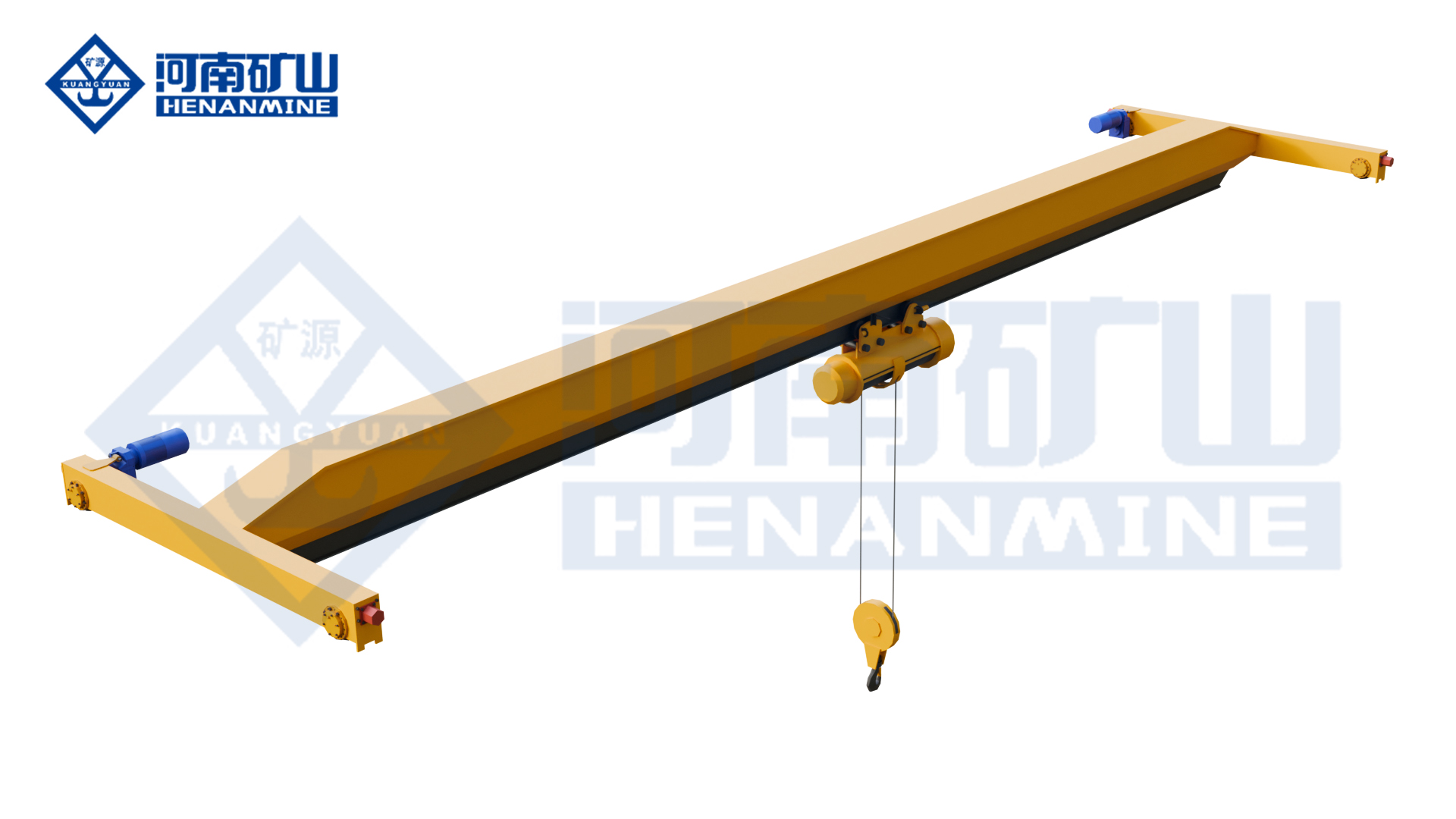
Ground-supported lifting for yards and construction.
Explore Gantry Cranes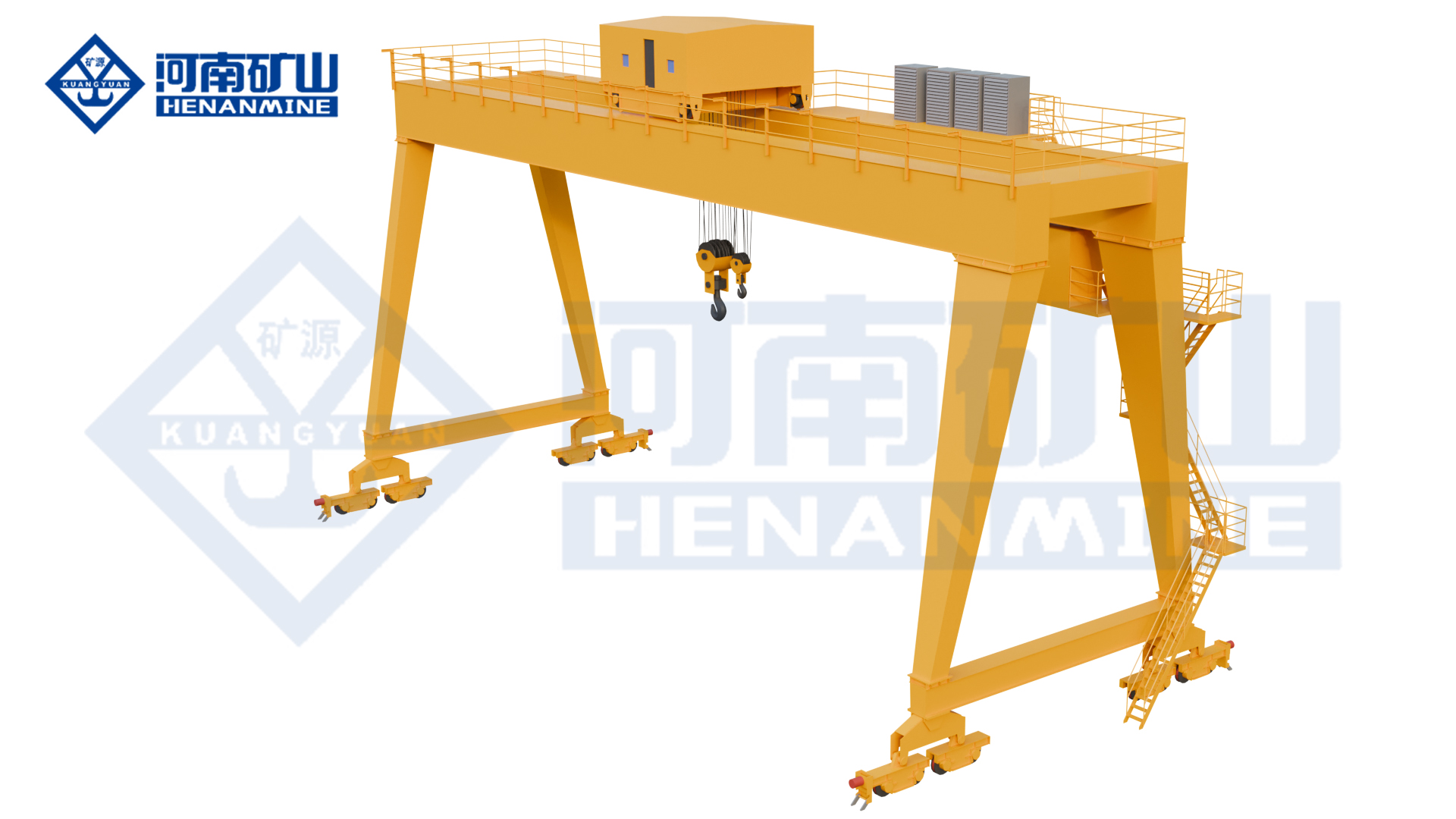
Wire rope and chain hoists for lifting points and cranes.
Explore Electric Hoists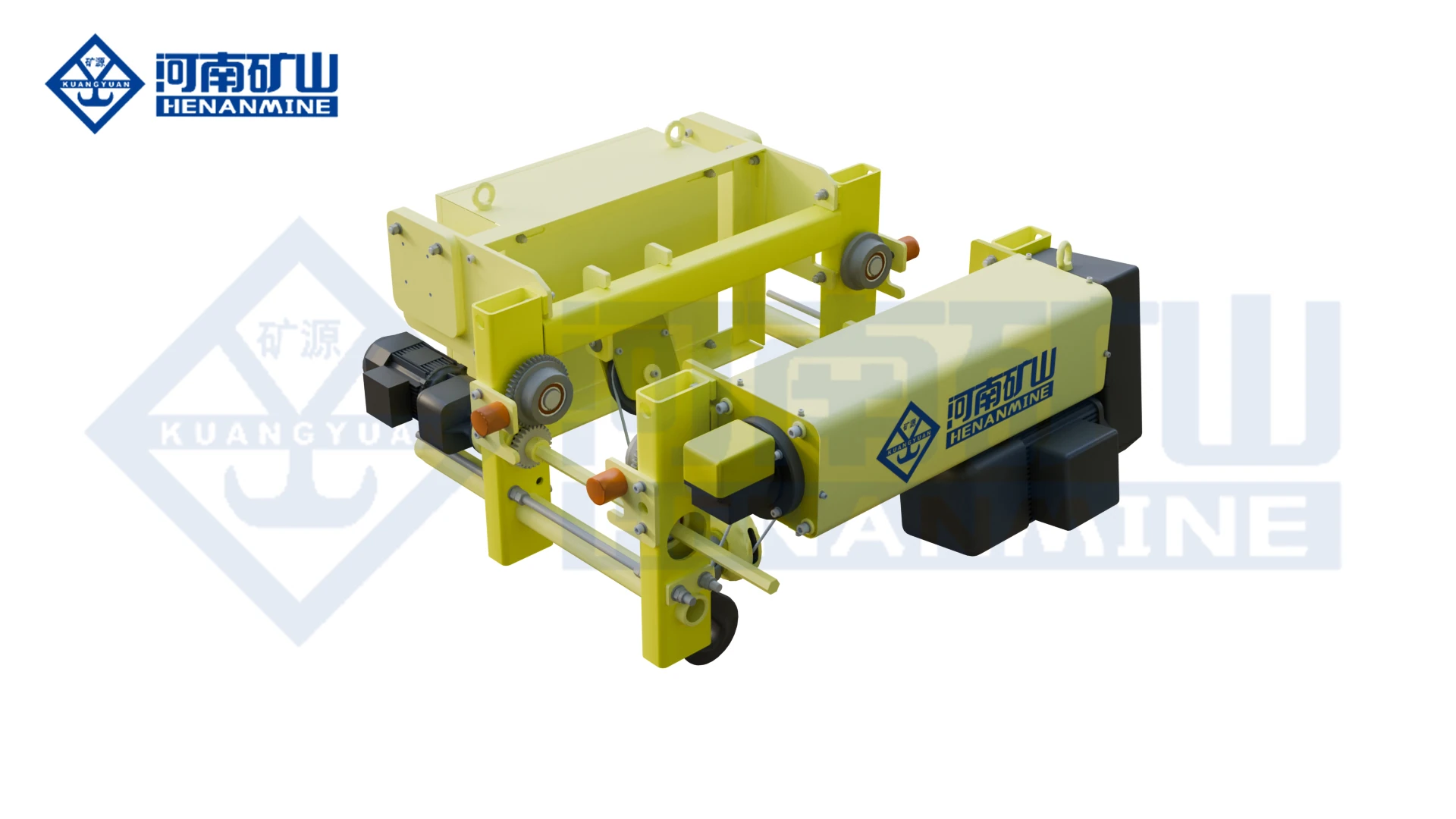
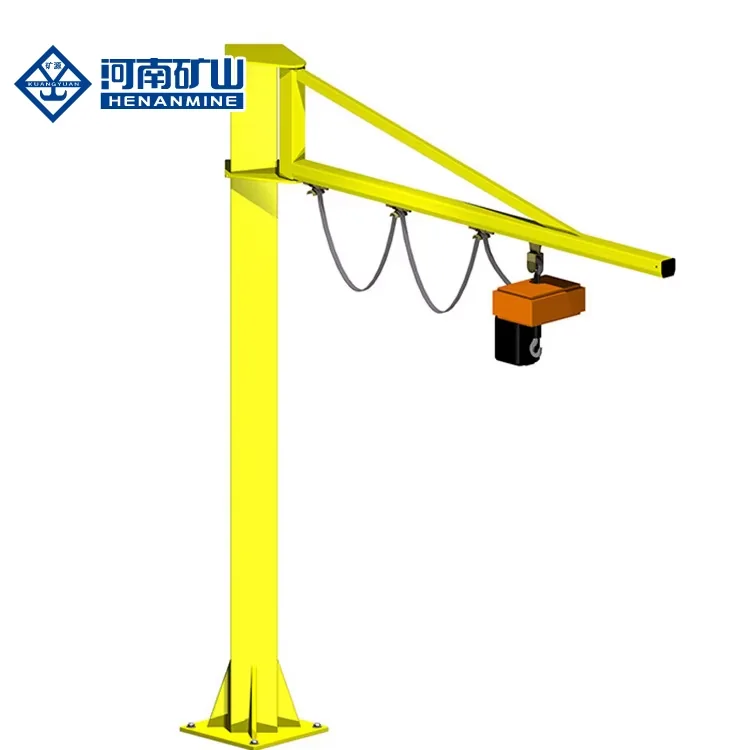
Wire rope lifting and pulling with a powered drum.
Explore Electric Winches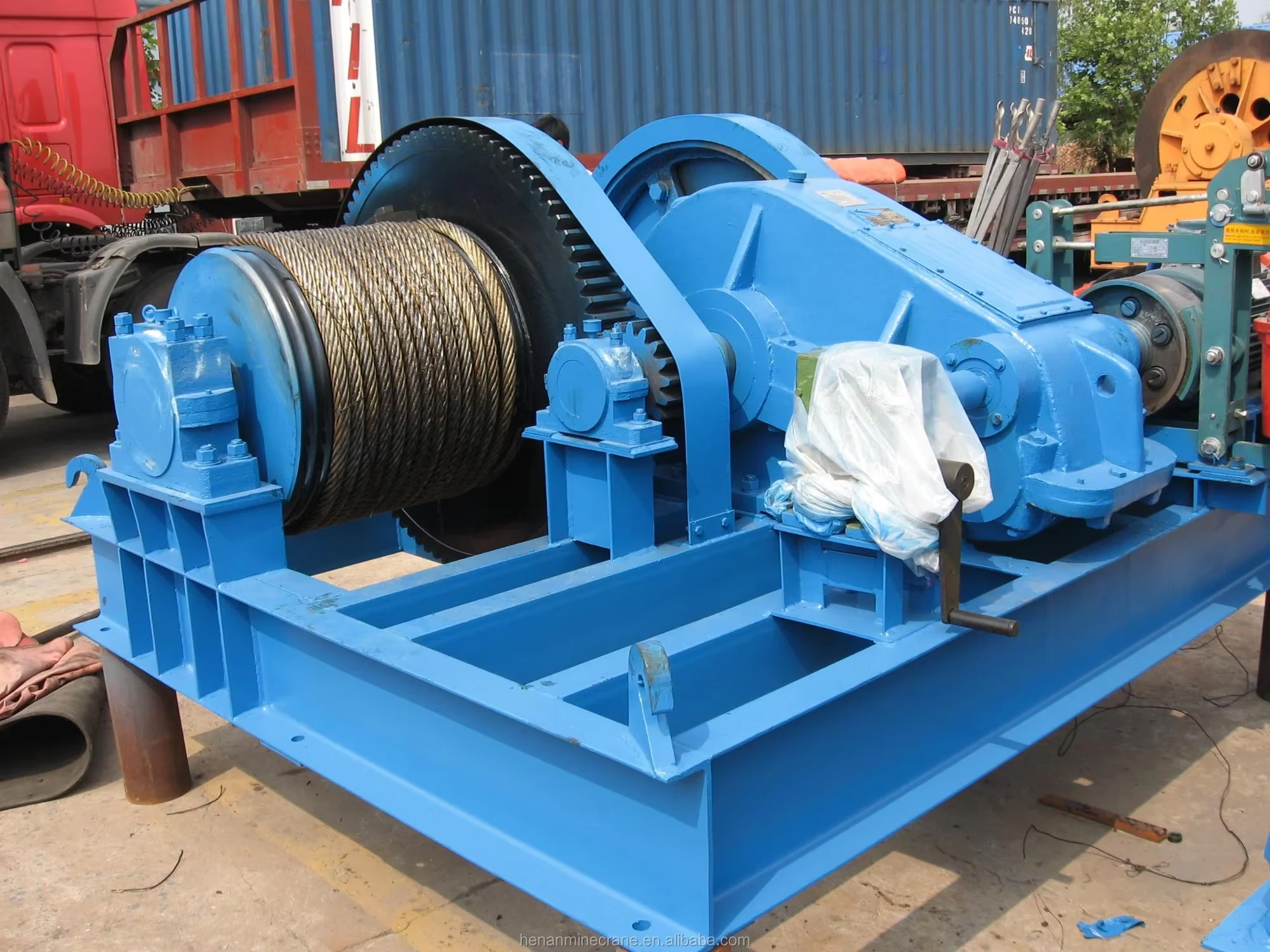
Grab buckets, magnets and hooks for your load.
Explore Lifting Attachments & Grabs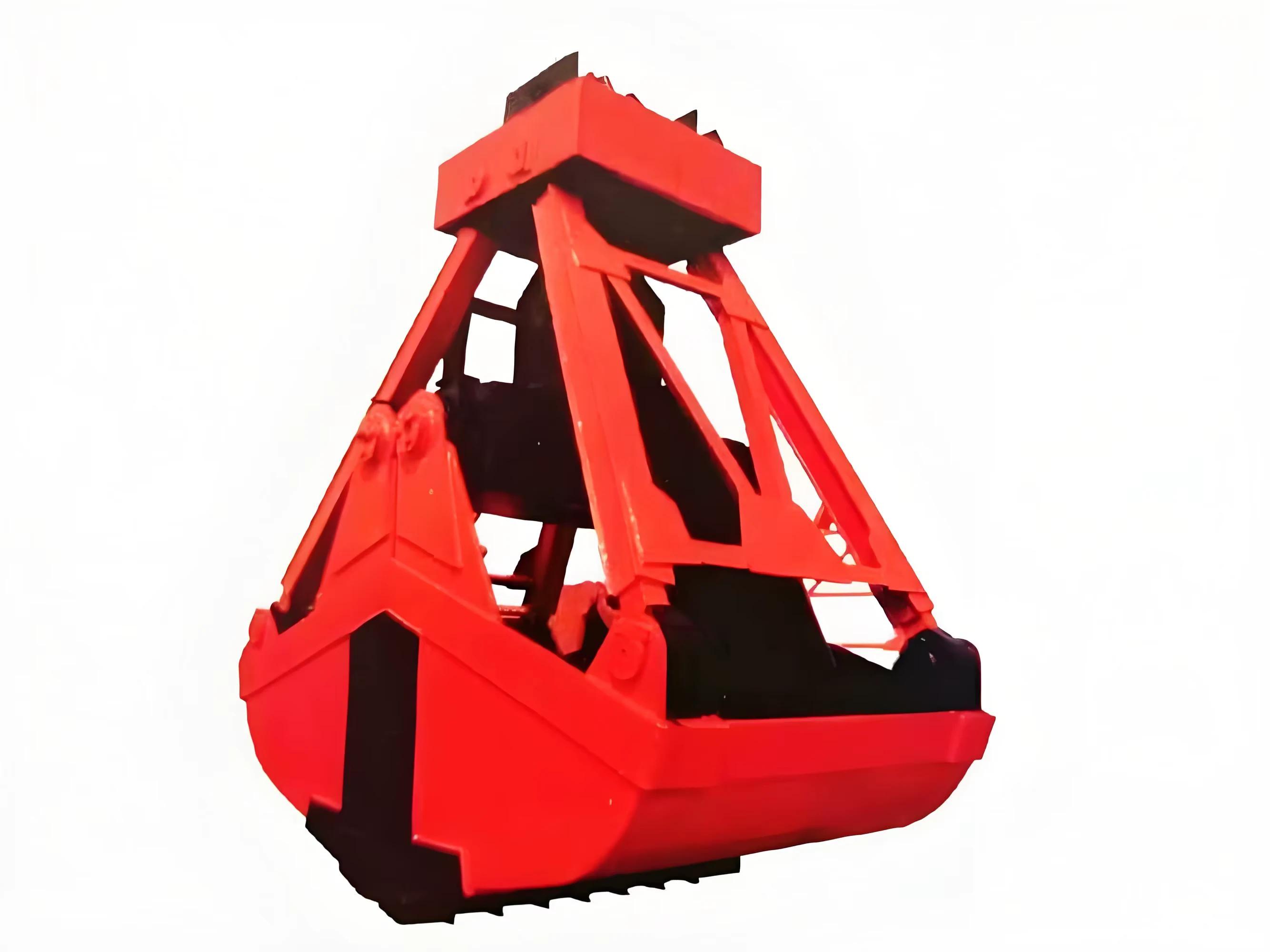
Mobile handling for containers, precast and yard loads.
Explore Rubber-Tired Gantry Cranes & Straddle Carriers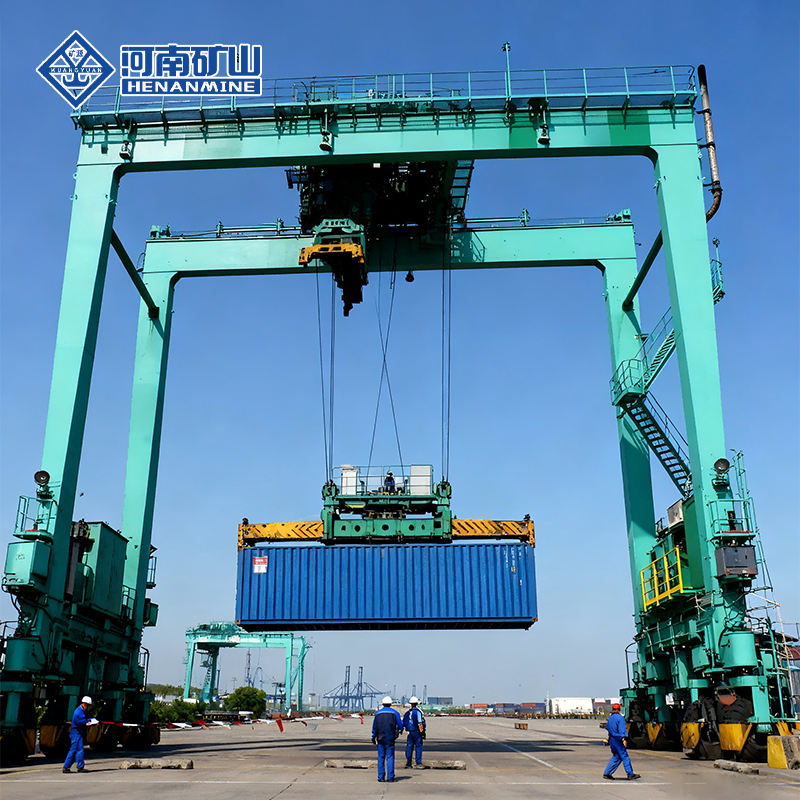
Lift and move vessels through boatyards and marinas.
Explore Marine Travel Lifts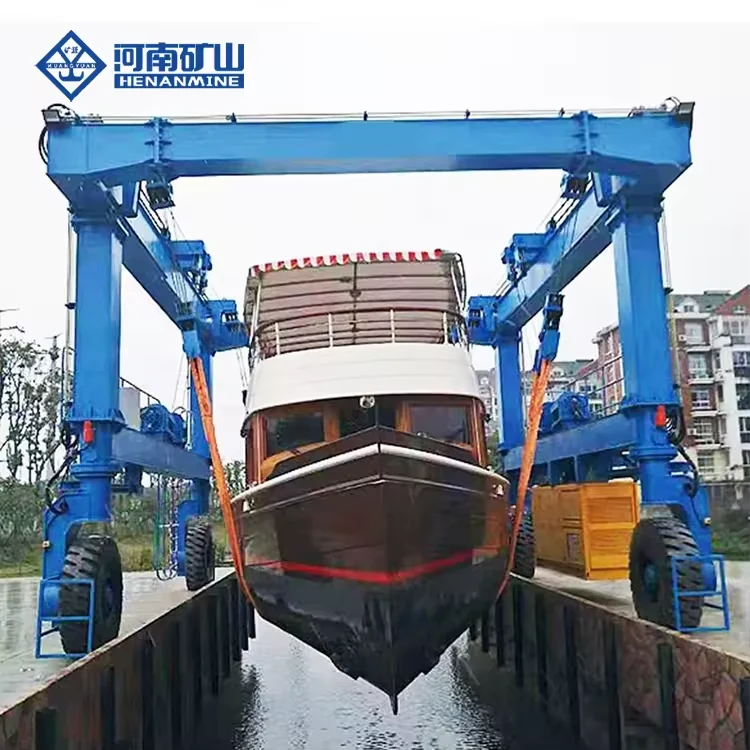
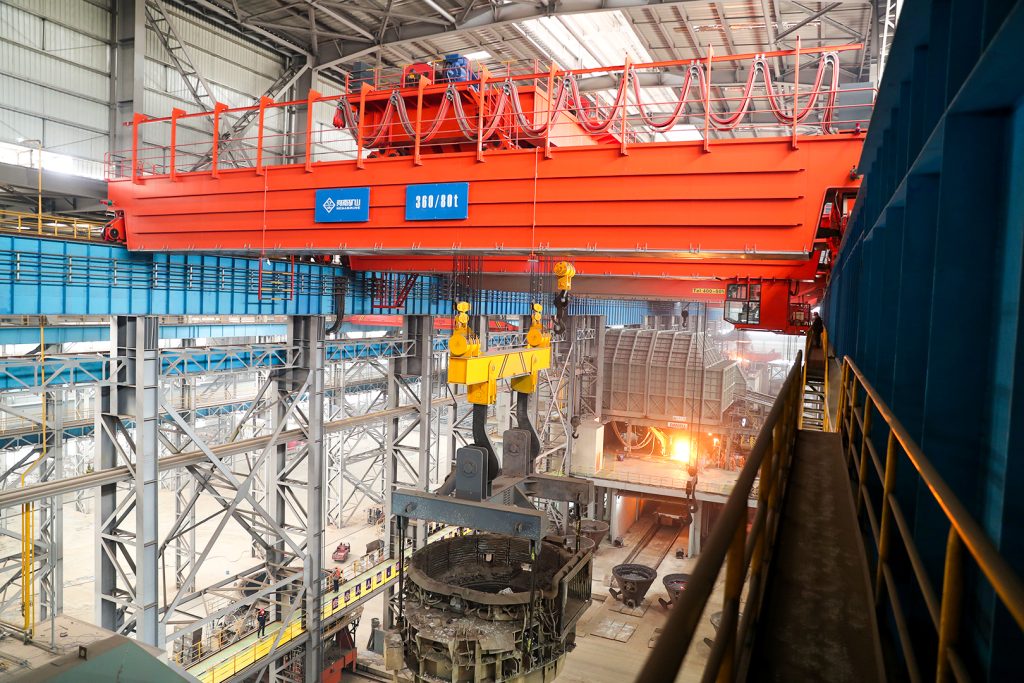
Ladle, slab, scrap and coil handling across steel production.
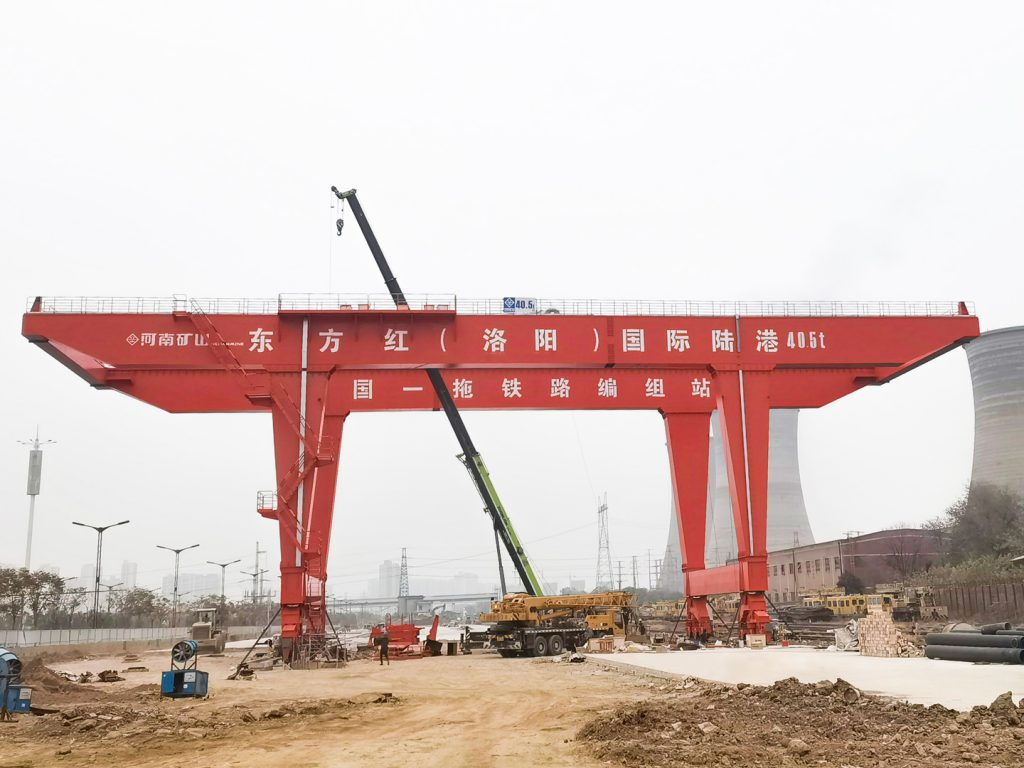
Container stacking and cargo transfers across terminals and rail.
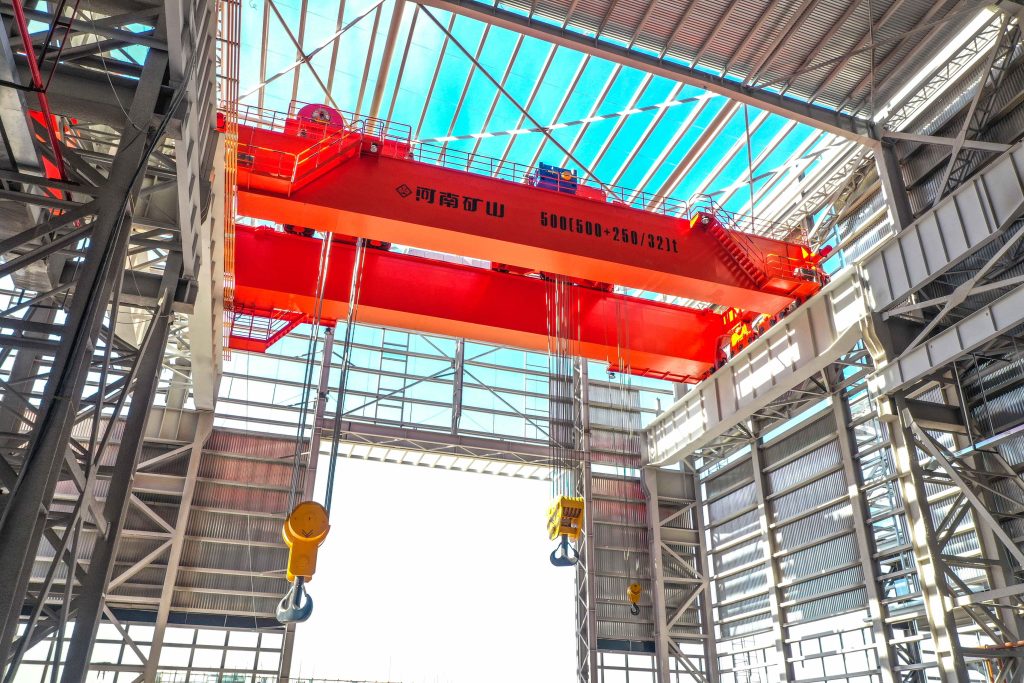
Turbine installation, powerhouse maintenance and wind equipment assembly.
Controlled component transfer and positioning for precision assembly.
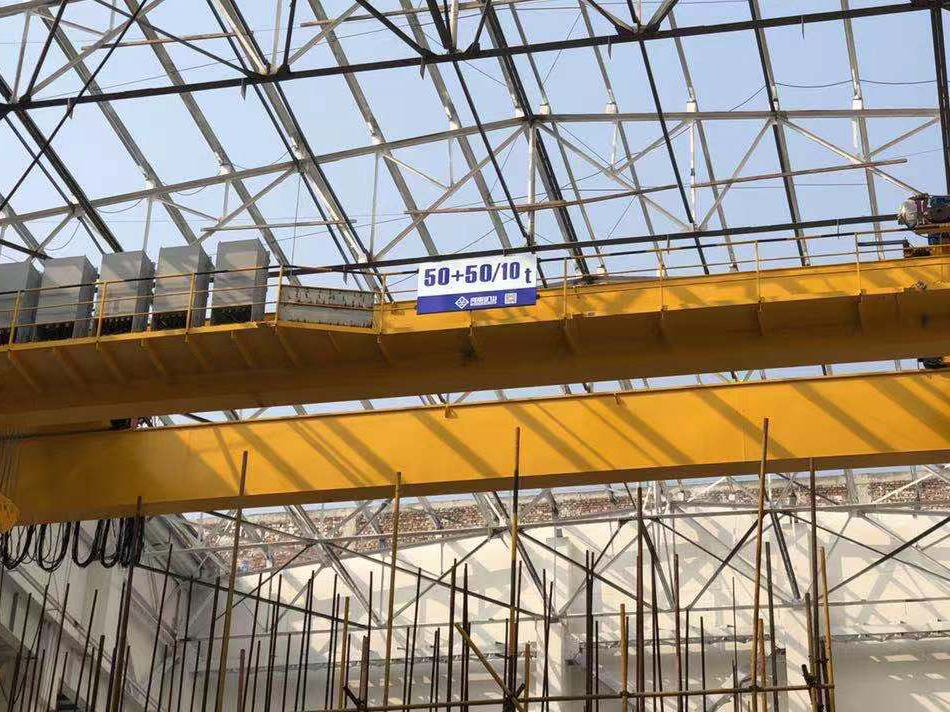
Heavy fabrication, production lifting and factory crane automation.
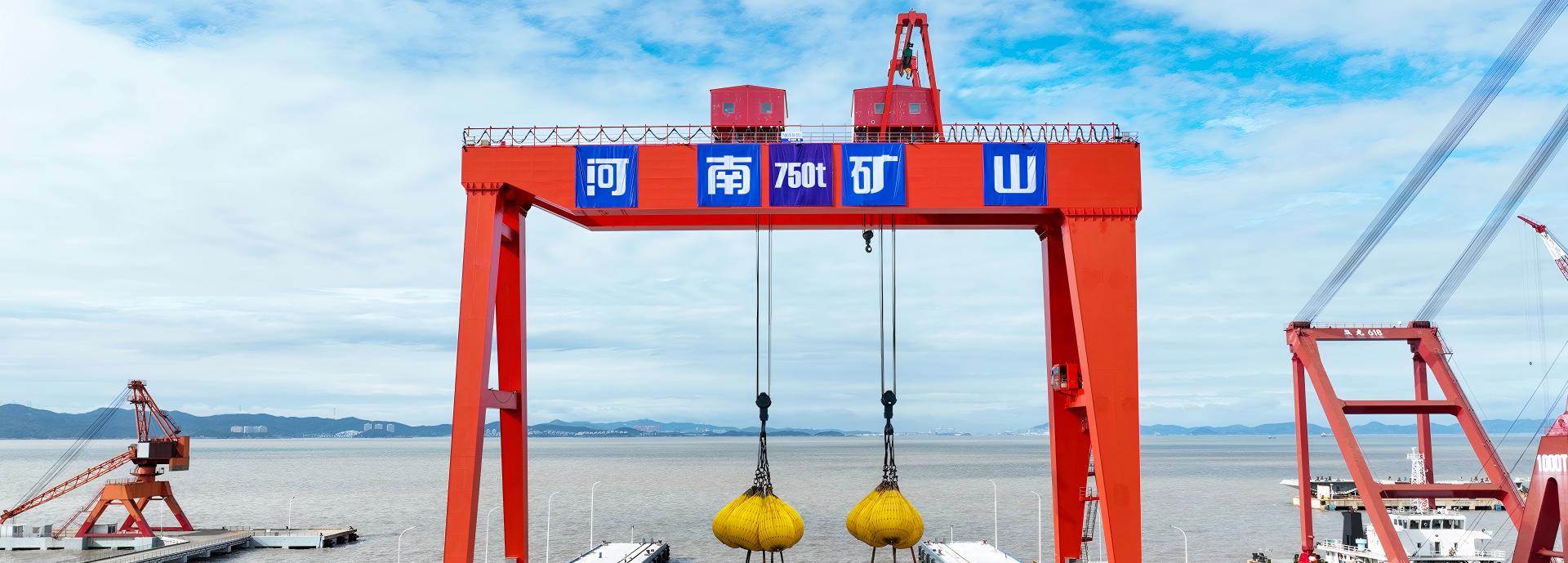
Process lifting for smelters, carbon blocks and anode materials.
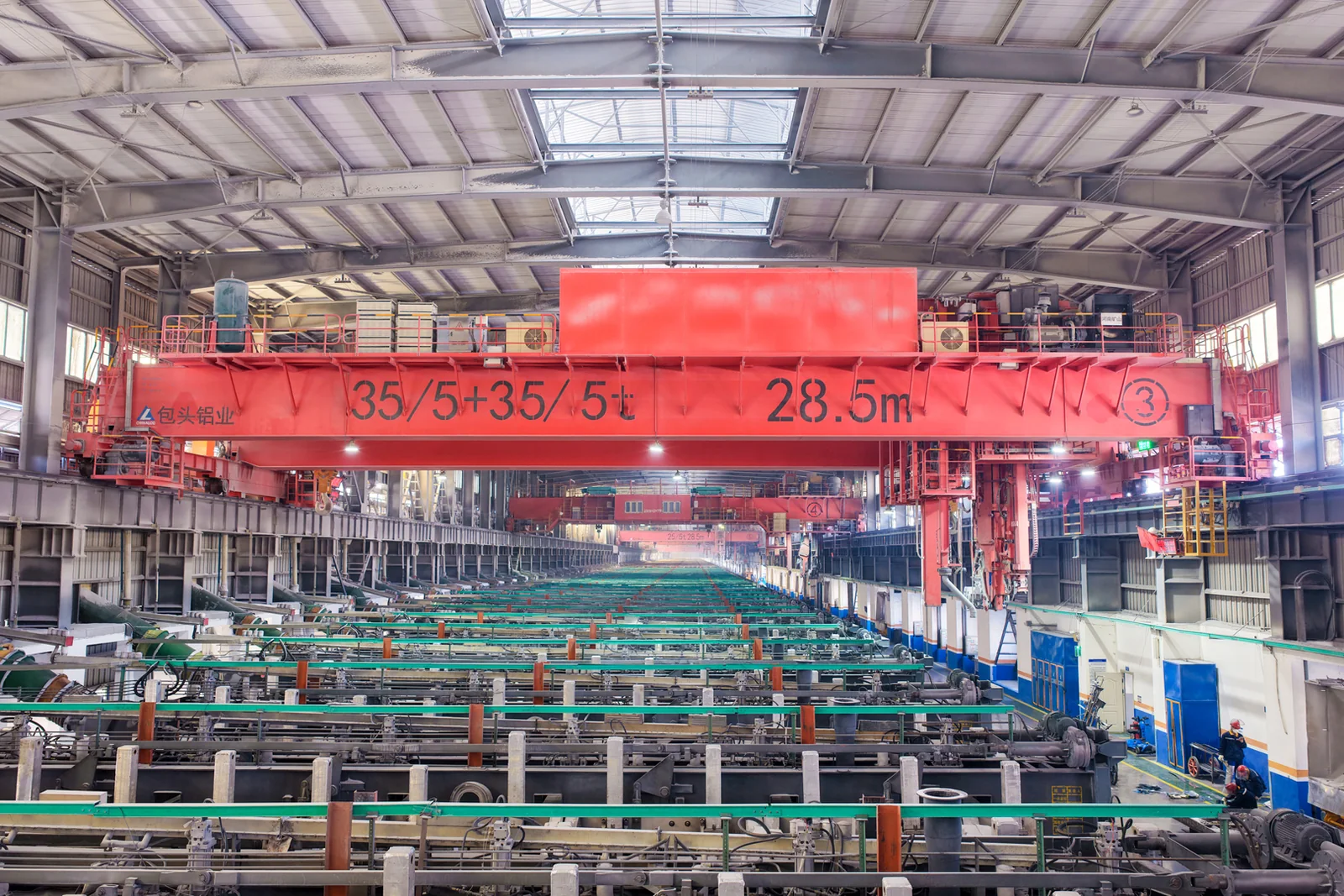
Clean lifting and classified protection for sensitive process areas.
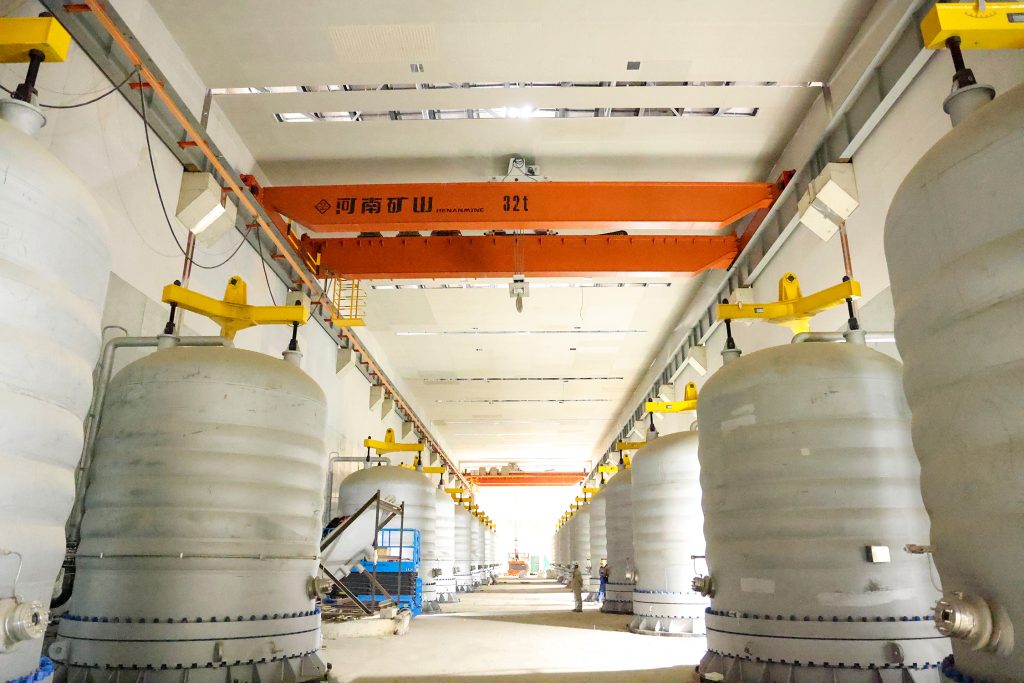
Bridge fabrication, metro construction and ship block assembly.
Automated storage and retrieval for plates, cables and bins.
Follow project dispatches, crane engineering and factory acceptance.
Dispatch, installation and equipment in service
Crane configurations and handling technology
Factory inspections, acceptance and test programmes

Company developments, people and community programmes
Bring the hook to maintenance, assembly and storage positions with a manually operated suspended bridge. SDXQ-3 combines a single-girder crane, hand-operated trolley and matched hand-chain hoist for loads from 0.5 to 3 tonnes. It suits occasional lifts where the travel distance and operating frequency make hand operation practical.
Include the component and its lifting attachment when choosing the rated load.
Start with your load, approximate span and lifting height. A room photo or simple sketch helps us check the working area.
The trolley moves across the bridge and the bridge travels along suspended tracks to serve the selected working area.
Hand operation suits selected service and utility tasks where an electrically powered lifting system is unnecessary.
Suitable overhead supports carry the tracks. Plan clear access for the operator and the complete load path.
Lift removable components from their operating position to a service area within the crane's coverage. Include the component, lifting fixture and required withdrawal height when selecting the hoist.
Position workpieces for fitting, inspection or assembly when moves are infrequent and the manual travel route is manageable. Compare the number of lifts and travel distance with a powered crane before choosing.
Serve defined pickup and set-down positions without dedicating floor space to crane runway columns where adequate overhead support is available. Check headroom and the operator's access to each hand chain.
Manual operation alone does not establish suitability for a hazardous atmosphere. For classified gas or combustible-dust areas, discuss a dedicated protected configuration.
Review the four rated capacities and their span bands. Confirm the exact geometry, track fit and operating requirements for your selected crane.
| Model | SDXQ-3 manual single-girder suspension crane |
|---|---|
| Rated capacities | 0.5 / 1 / 2 / 3 t |
| Crane support | Bridge suspended beneath two supporting tracks |
| Overall span range | 3–12 m; capacity-specific span bands below |
| Hook travel, 0.5 & 1 t | 2.5–12 m |
| Hook travel, 2 & 3 t | 3–12 m |
| Hoist and trolley | Matched manual equipment for each rated capacity |
| Lifting and travel speeds | Determined by hand operation; no fixed powered speed rating |
| Runway length | Selected for the positions the crane must serve |
| Hand-chain reach | Specified for the operator's working level |
| Support reactions | Confirmed for the selected crane and governing load positions |
| Operating environment | State indoor/outdoor use, temperature and any corrosive or classified atmosphere with the enquiry |
| Reference maximum wheel load, 1 t / 6 m span | 3.75 kN |
| Rated load | Listed span bands | Hook travel | Hand-chain hoist | Manual trolley | Track family |
|---|---|---|---|---|---|
| 0.5 t | 3–5 / 5.5–8 / 9–10 / 11–12 m | 2.5–12 m | HS1/2 | SDX-3.WA1/2 | I20a–I30c |
| 1 t | 3–5 / 5.5–8 / 9–10 / 11–12 m | 2.5–12 m | HS1 | SDX-3.WA1 | I20a–I30c |
| 2 t | 3–5 / 6–8 / 9–10 / 11–12 m | 3–12 m | HS2 | SDX-3.WA2 | I24a–I36c |
| 3 t | 3–5 / 6–8 / 9–10 / 11–12 m | 3–12 m | HS3 | DX-3.WA3 | I24a–I36c |
The track family is a selection range. The exact section, flange width and thickness must fit the selected suspension wheels and trolley. Unlisted intermediate span combinations require confirmation.
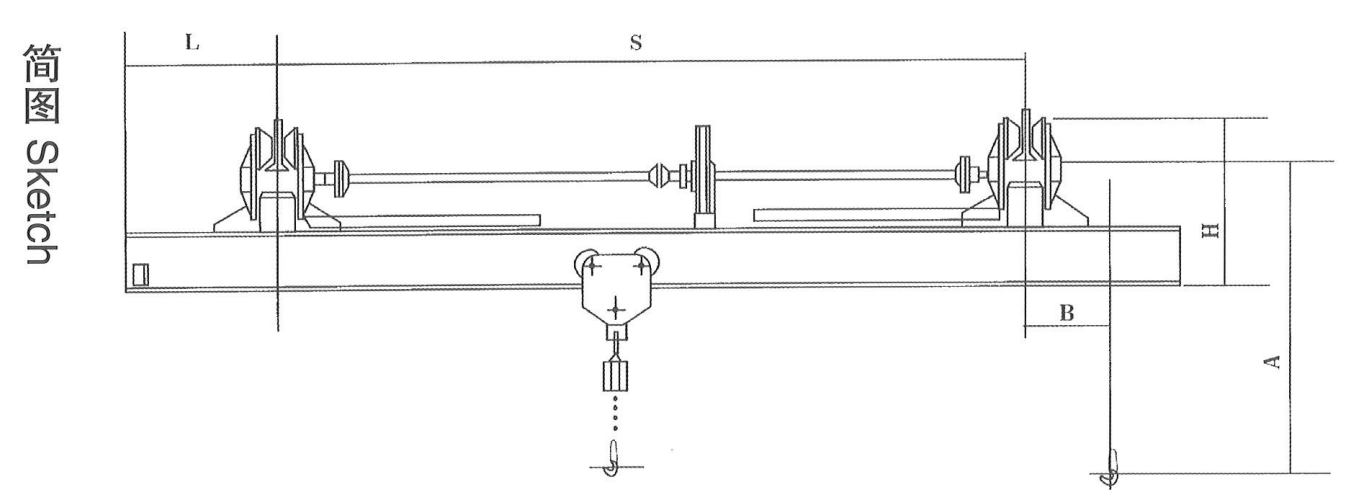
| Rated load | Span S (m) | H (mm) | B (mm) | B₀ (mm) | A (mm) | S₁ (mm) | L (mm) |
|---|---|---|---|---|---|---|---|
| 0.5 t | 3–5 | 525 | 1000 | 1516 | 746 | 805 | 1000 |
| 0.5 t | 5.5–8 | 585 | 1200 | 1716 | 800 | 1005 | 1200 |
| 0.5 t | 9–10 | 605 | 1500 | 2016 | 820 | 1205 | 1400 |
| 0.5 t | 11–12 | 635 | 1700 | 2216 | 850 | 1205 | 1400 |
| 1 t | 3–5 | 545 | 1000 | 1516 | 816 | 852 | 1000 |
| 1 t | 5.5–8 | 605 | 1200 | 1716 | 870 | 1052 | 1200 |
| 1 t | 9–10 | 665 | 1500 | 2016 | 903 | 1252 | 1400 |
| 1 t | 11–12 | 745 | 1700 | 2216 | 1000 | 1252 | 1400 |
| 2 t | 3–5 | 585 | 1200 | 1726 | 1150 | 560 | 800 |
| 2 t | 6–8 | 665 | 1500 | 2026 | 1227 | 760 | 1000 |
| 2 t | 9–10 | 745 | 1700 | 2226 | 1305 | 960 | 1200 |
| 2 t | 11–12 | 780 | 1700 | 2426 | 1345 | 960 | 1200 |
| 3 t | 3–5 | 566 | 1200 | 2126 | 1284 | 340 | 600 |
| 3 t | 6–8 | 706 | 1500 | 2426 | 1422 | 540 | 800 |
| 3 t | 9–10 | 746 | 1700 | 2626 | 1460 | 740 | 1000 |
| 3 t | 11–12 | 796 | 1700 | 2626 | 1508 | 740 | 1000 |
Use H, B, B₀, A, S₁ and L with the technical views below. These dimensions help compare arrangements; the approved crane drawing establishes installation dimensions, hook approaches, exact track section and support reactions.
The front and plan views show the dimensional references used above. Match the lifting envelope and suspension interfaces to your room layout.

Choose the manual lifting package around the load path, the operator and the existing building.
Select HS1/2, HS1, HS2 or HS3 with the crane capacity and required hook travel. Specify the operator's working level so the hand-chain length is practical throughout the lifting route.
Match the hand trolley and suspension wheels to the exact I-beam flange geometry. When retaining existing tracks, provide the section designation, flange measurements and available inspection information.
Choose bridge span and runway length from the actual pickup and placement points. Include equipment height, doors, services, end stops and access space when reviewing the hook envelope.
Discuss new suspended tracks, hangers, supporting steelwork, corrosion protection, inspection support and a spares package as separately identified quotation items. If frequent lifting calls for powered motion, compare LX or KSLX.
Compare the crane, supporting tracks, documents and service scope together so the equipment arrives ready for the agreed installation plan.
Request a quotation for one SDXQ-3 crane or a project quantity. The offer confirms the minimum order for the selected capacity and configuration.
Identify the bridge, suspension wheel assemblies, manual trolley, hand-chain hoist and travel end stops. List the runway tracks, hangers, support steelwork, rigging, freight and site services as included or separately priced.
Agree the arrangement and installation drawings, selected capacity and mechanisms, support reactions, inspection/test records and operating/maintenance manuals. Specify destination conformity documents and acceptance requirements in the offer.
Production and dispatch dates follow approval of the capacity, exact span, hook travel, track fit and hand-chain lengths. The quotation separates factory dispatch, transport and site installation milestones.
Agree responsibility for support verification, track alignment, erection and commissioning. The installation scope covers connections, stops, unobstructed travel, hoist operation, agreed load testing and operator instruction.
The order states the warranty duration, start date and coverage for the bridge, wheels, trolley and hoist. Request inspection guidance and compatible load-chain, hand-chain, wheel and brake parts; identify wear parts and site-service terms separately.
Send your load, approximate span, lift height and a photo or sketch.
Review capacity, equipment, track interfaces and useful hook coverage.
Confirm the drawing, documents, price, warranty and dispatch schedule.
Complete the agreed site checks, testing and operating instruction.
Provide available track and support details with your enquiry. Suspension loads and connections need verification for the selected crane; a roof beam's appearance alone does not establish its capacity.
Choose powered handling or a connected transfer system when the lifting cycle or layout calls for it.

Underhung single-girder lifting for components and equipment within one workshop bay.
Compare this arrangement ↗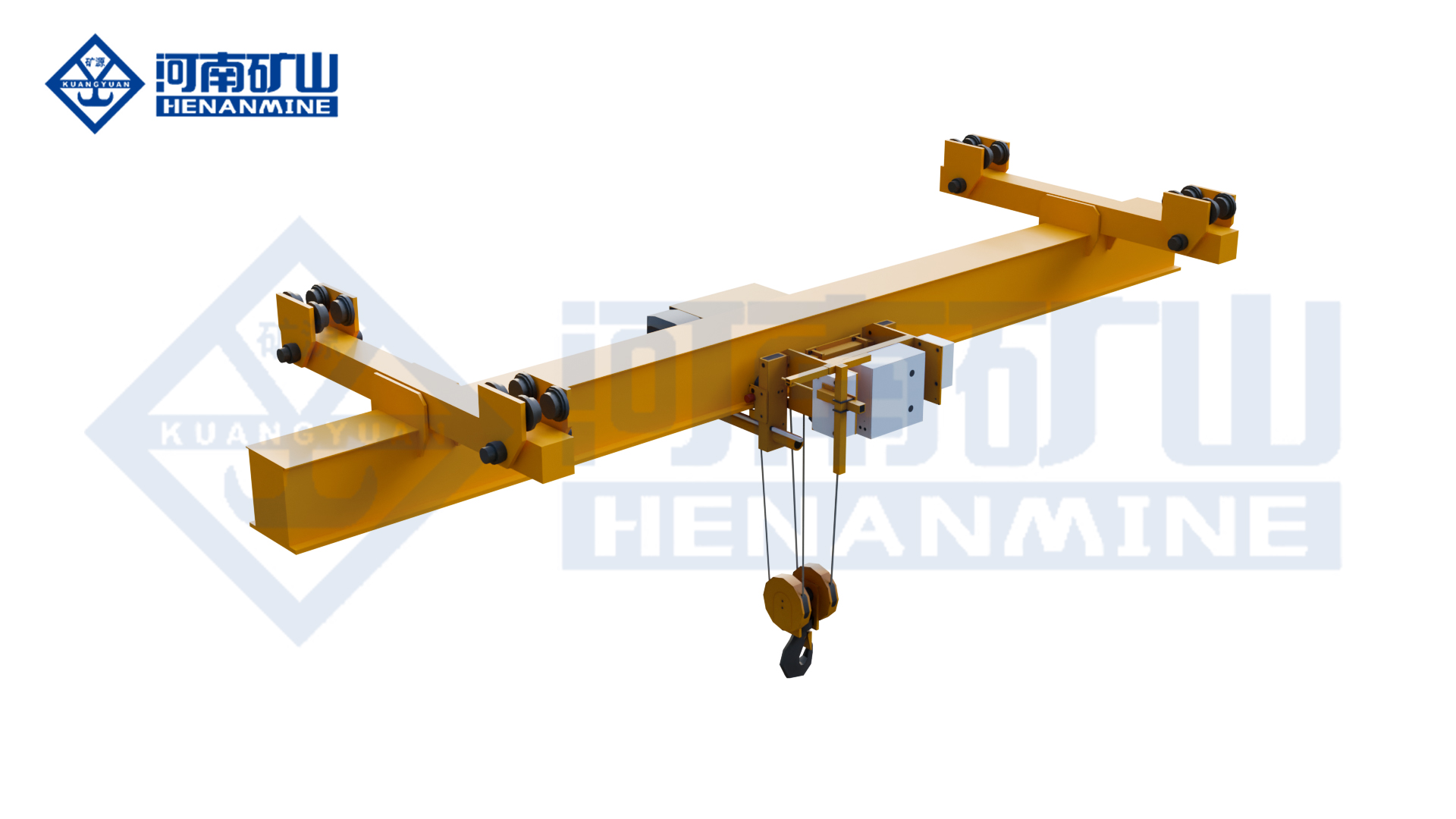
A compact modular suspension crane with a matched electric-hoist package. Compare it when smooth powered movement and careful component placement are priorities.
Compare this arrangement ↗
Rail-transfer lifting links working areas through a coordinated hoist trolley and bridge arrangement. Compare the listed 12.5 t configuration.
Compare this arrangement ↗Review the operating arrangement, site fit and order scope for the loads you need to handle.
It suits occasional lifting where the load, travel distance and number of moves make hand operation practical. Typical tasks include equipment maintenance and low-frequency workshop positioning. Tell us the heaviest complete load and the operating cycle so we can compare SDXQ-3 with powered alternatives.
The specified SDXQ-3 lifting and travel mechanisms are manually operated. The crane does not need an electric hoist or travel-drive supply. Any separate accessories or site services are identified individually in the project scope.
The building supports, hangers, tracks and connections must be verified for the selected crane and its governing load positions. Provide the existing structural information and track dimensions so the suspension interfaces and required checks can be identified.
Span is the distance between the supporting track centres. The useful hook area also depends on the trolley approach, bridge ends, hoist dimensions, end stops and nearby obstructions. Mark the pickup and placement positions on a sketch to check the coverage you need.
Provide its maker, model, rated capacity, lifting height, trolley arrangement and inspection information. Compatibility must be checked against the selected crane capacity, trolley/beam fit, lifting envelope and operating duty before it is included in the offer.
The tables list the span bands for each rated capacity. The 0.5 and 1 tonne groups include a 5.5–8 metre band; the 2 and 3 tonne groups list 6–8 metres. Confirm the exact required span with the selected capacity rather than combining figures from different rows.
No. Manual operation alone is not an explosion-protection rating. Provide the site's classification and handling conditions if flammable gas or combustible dust may be present, and compare a dedicated protected crane specification.
You can request one crane or a project quantity. The quotation confirms the minimum order, dispatch schedule, warranty period and service coverage for your selected configuration. Track supply, freight, installation and site testing are listed separately where applicable.
Send the heaviest load including its lifting attachment, approximate track-centre span, required hook travel and destination. A room photo or simple sketch is useful. If the track section or support details are not yet known, we can identify the measurements needed for the next step.
Start with the load, approximate span and required lifting height. Share a photo, sketch or existing track details if available. We can help match the SDXQ-3 capacity and manual lifting package to your working area.
info@cranehenanmine.com