
Pipes, bars and structural material
Lift long bundles or fabricated sections at two selected lifting points, then move them between storage and production positions.
Bridge cranes for workshops and production lines.
Explore Overhead Cranes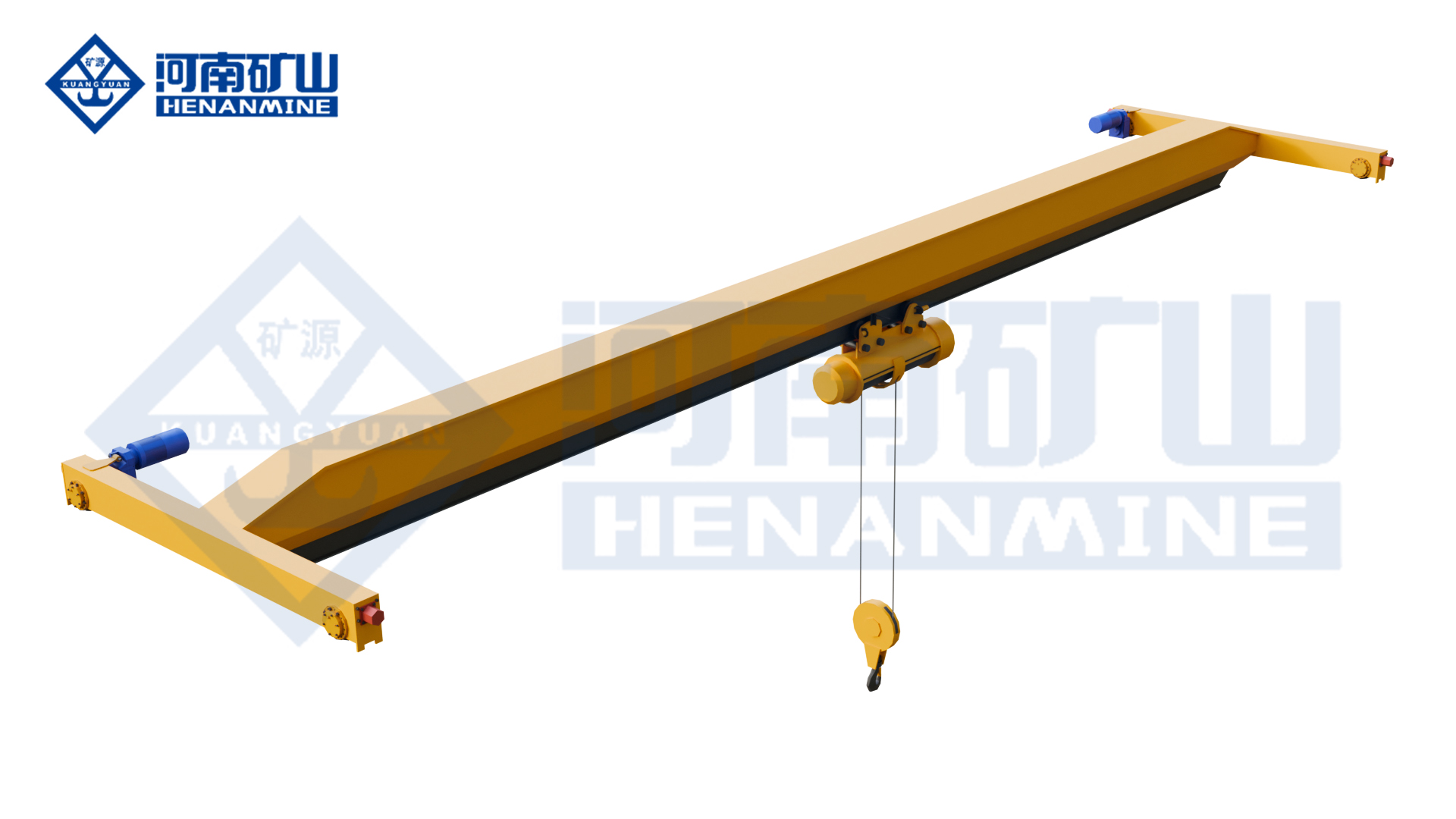
Ground-supported lifting for yards and construction.
Explore Gantry Cranes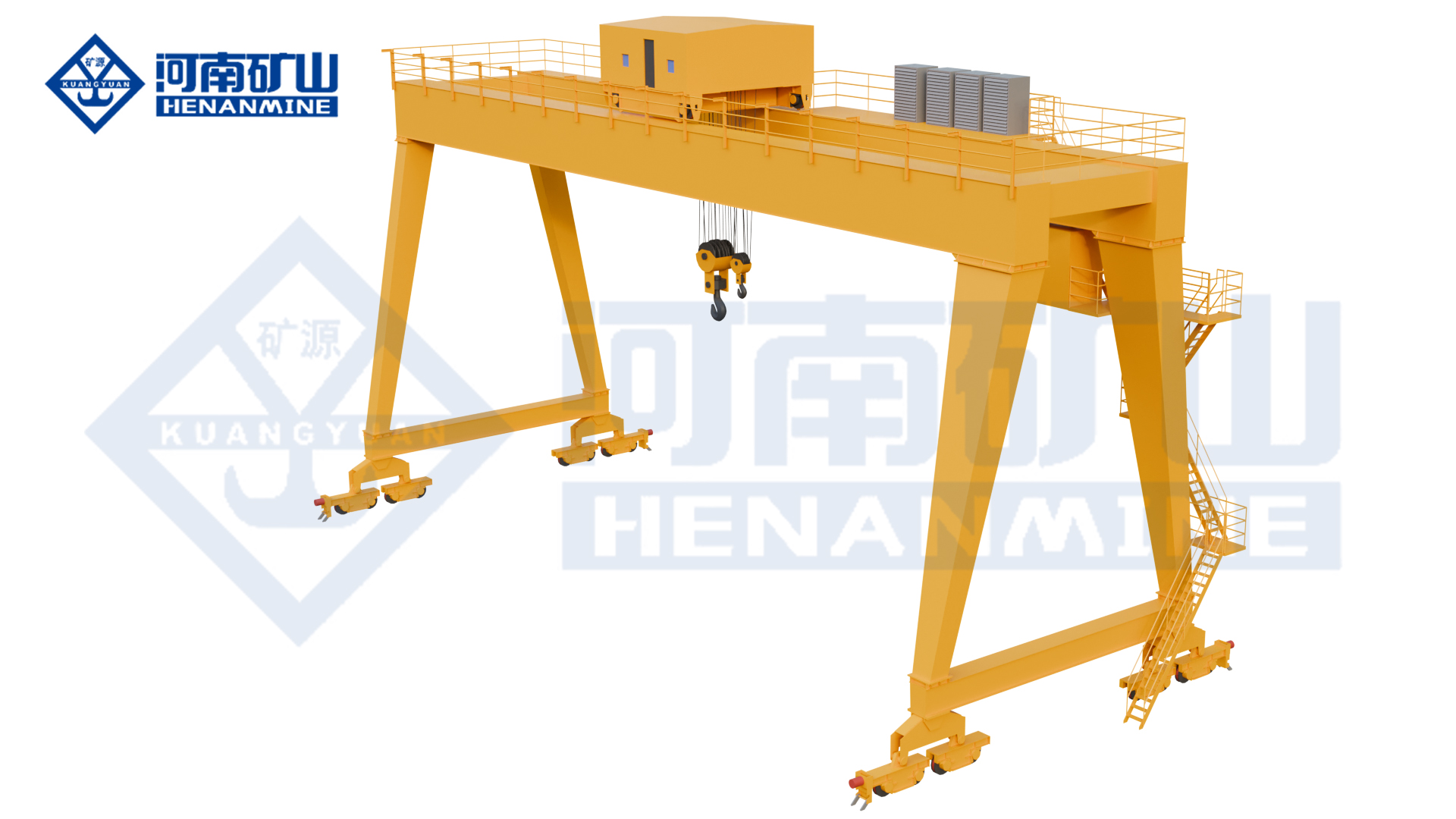
Wire rope and chain hoists for lifting points and cranes.
Explore Electric Hoists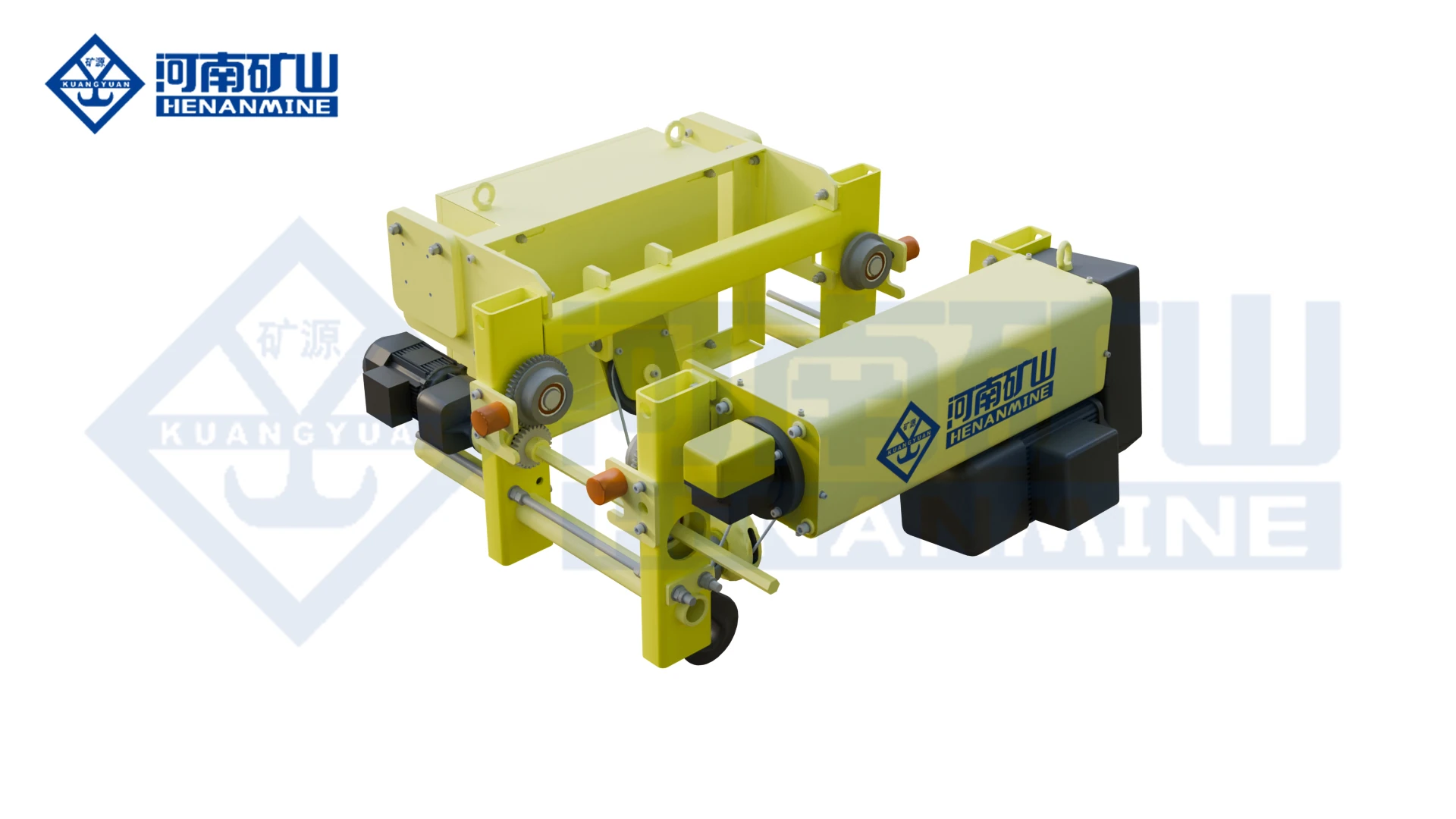
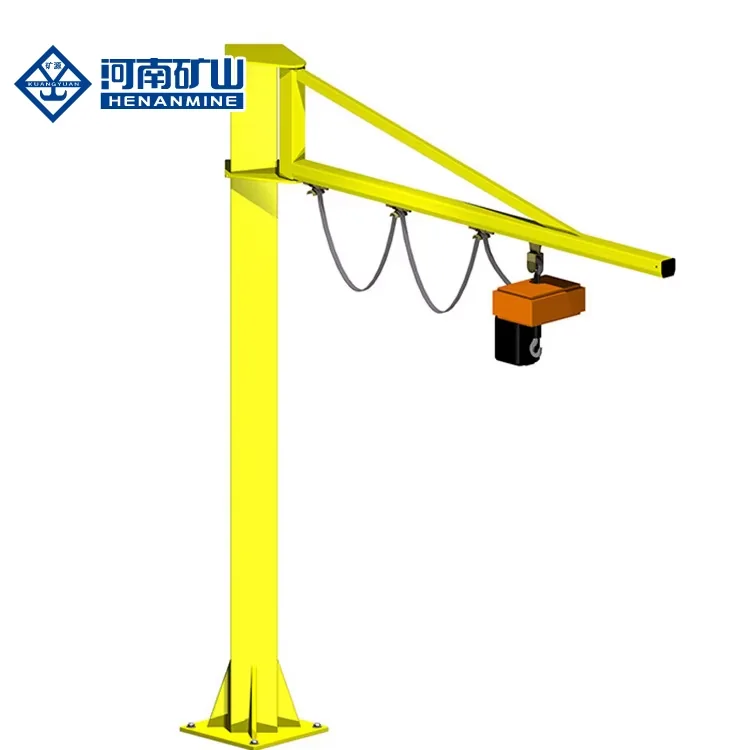
Wire rope lifting and pulling with a powered drum.
Explore Electric Winches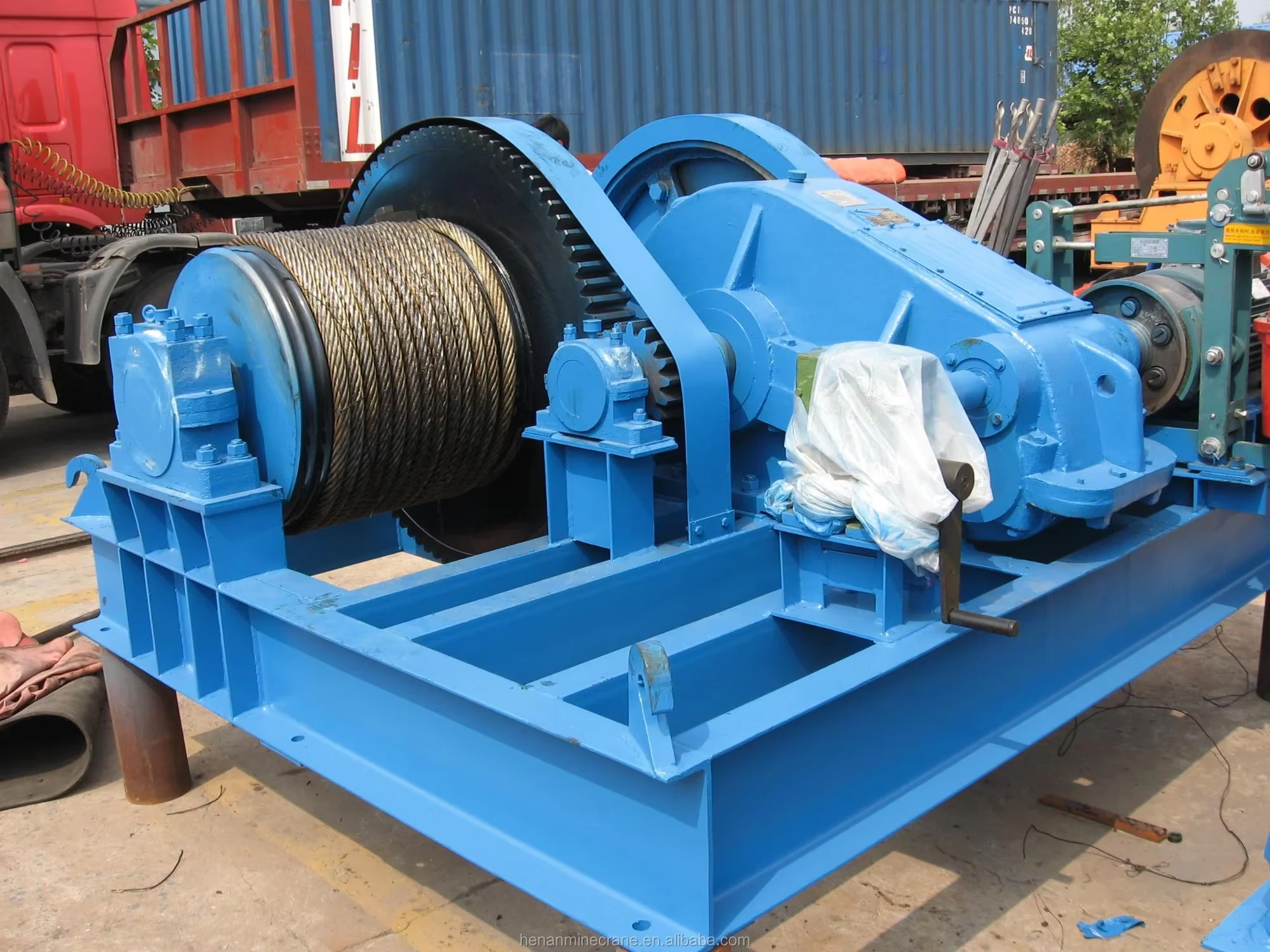
Grab buckets, magnets and hooks for your load.
Explore Lifting Attachments & Grabs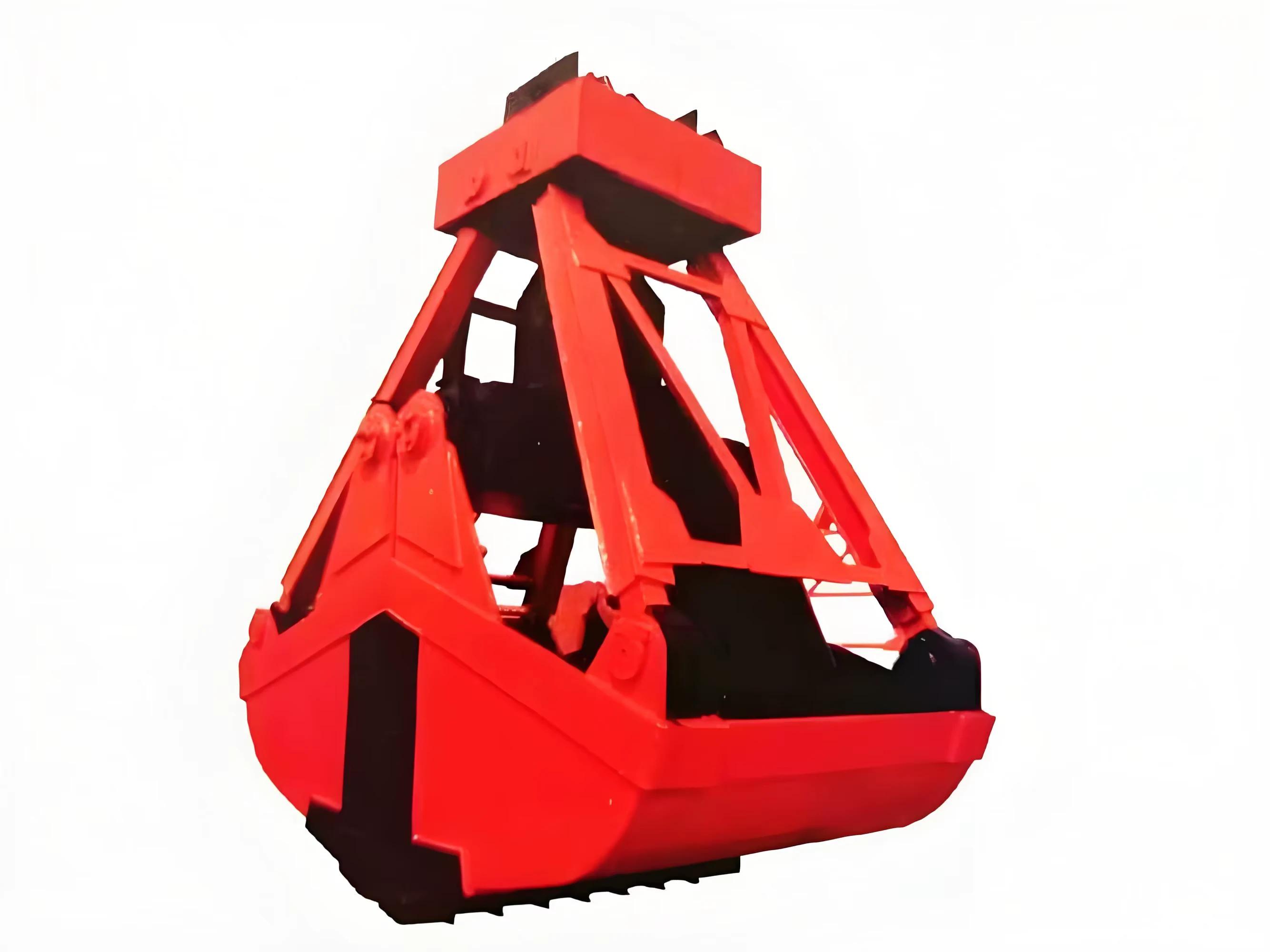
Mobile handling for containers, precast and yard loads.
Explore Rubber-Tired Gantry Cranes & Straddle Carriers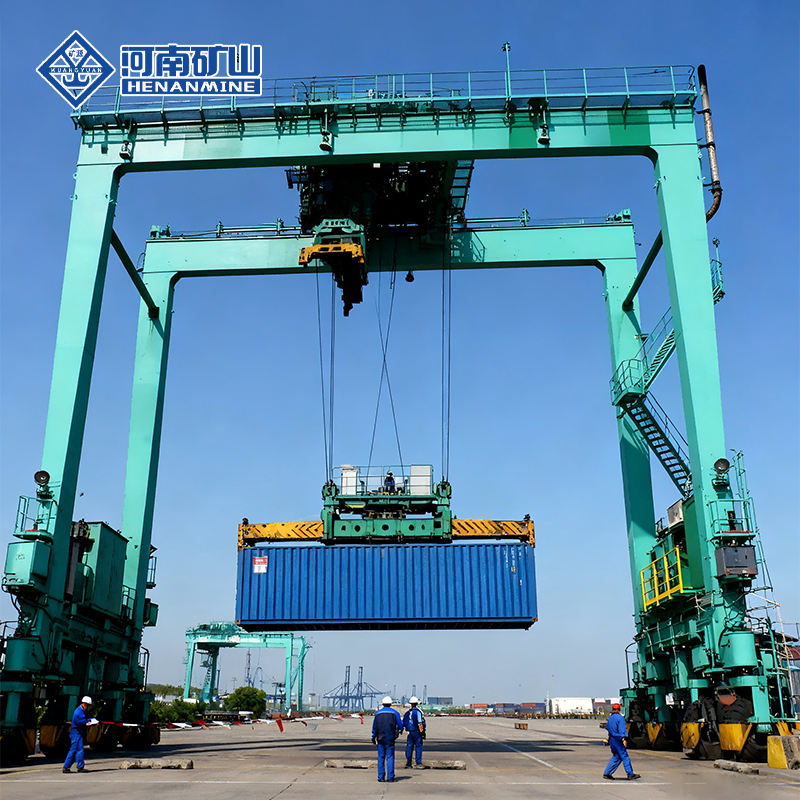
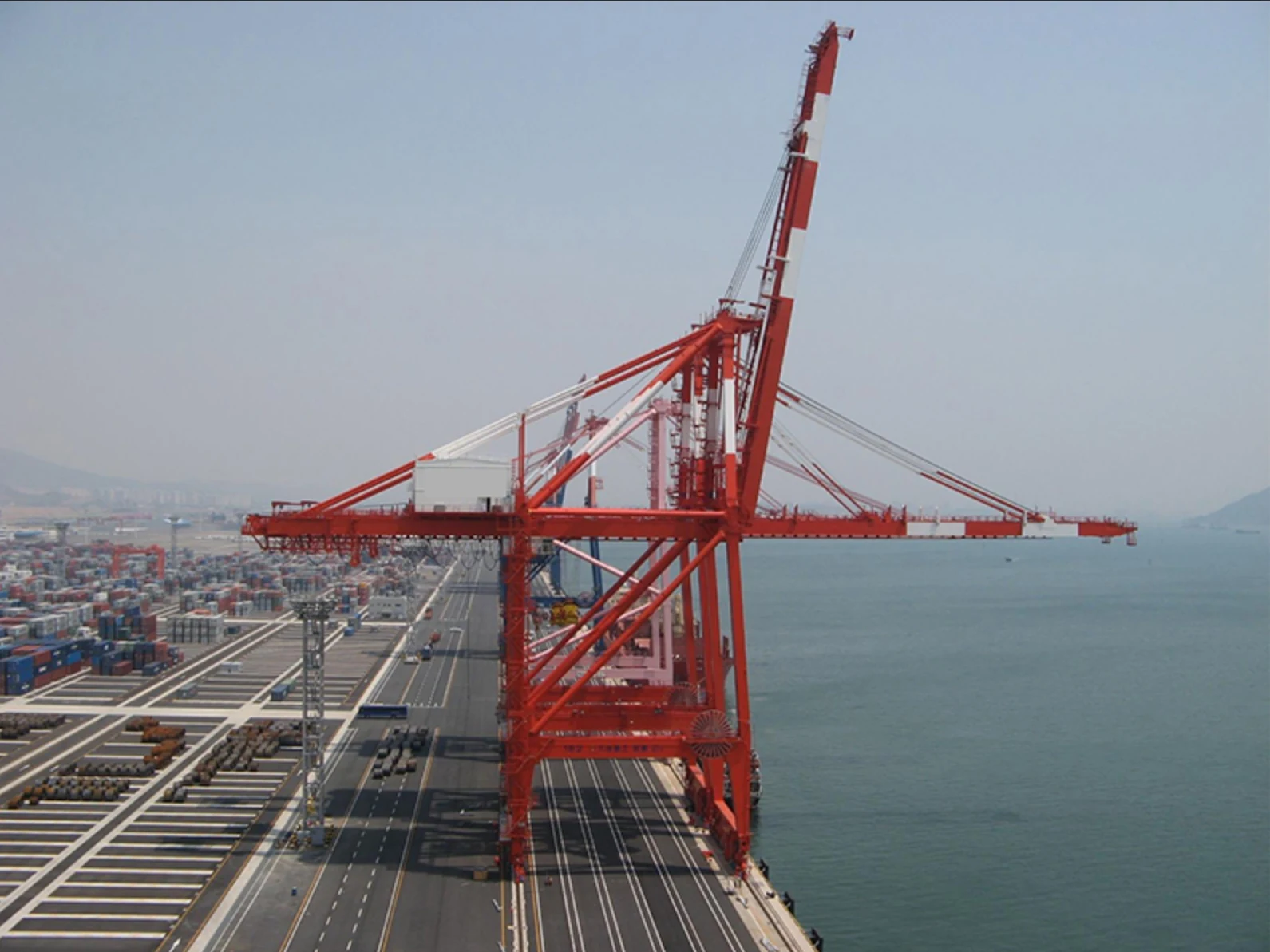
Lift and move vessels through boatyards and marinas.
Explore Marine Travel Lifts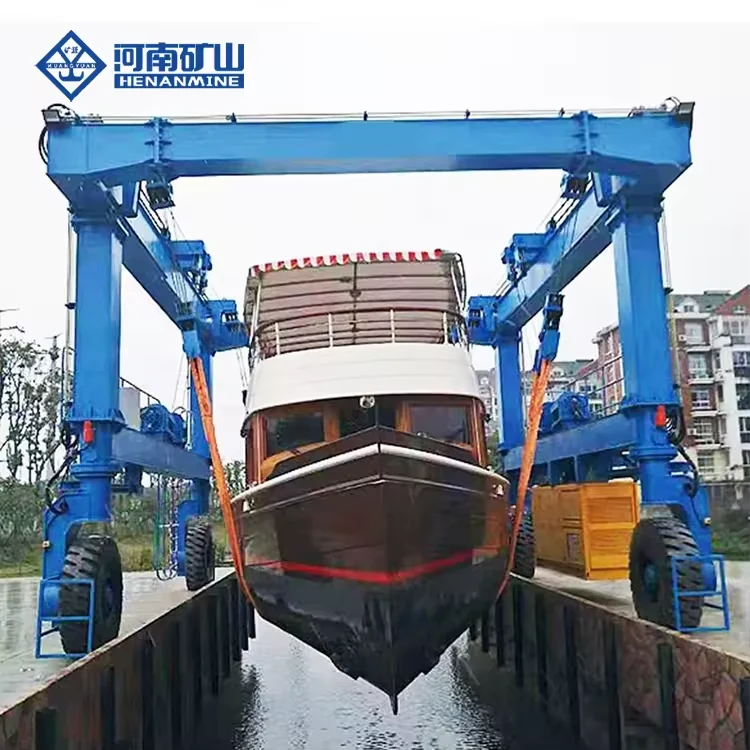
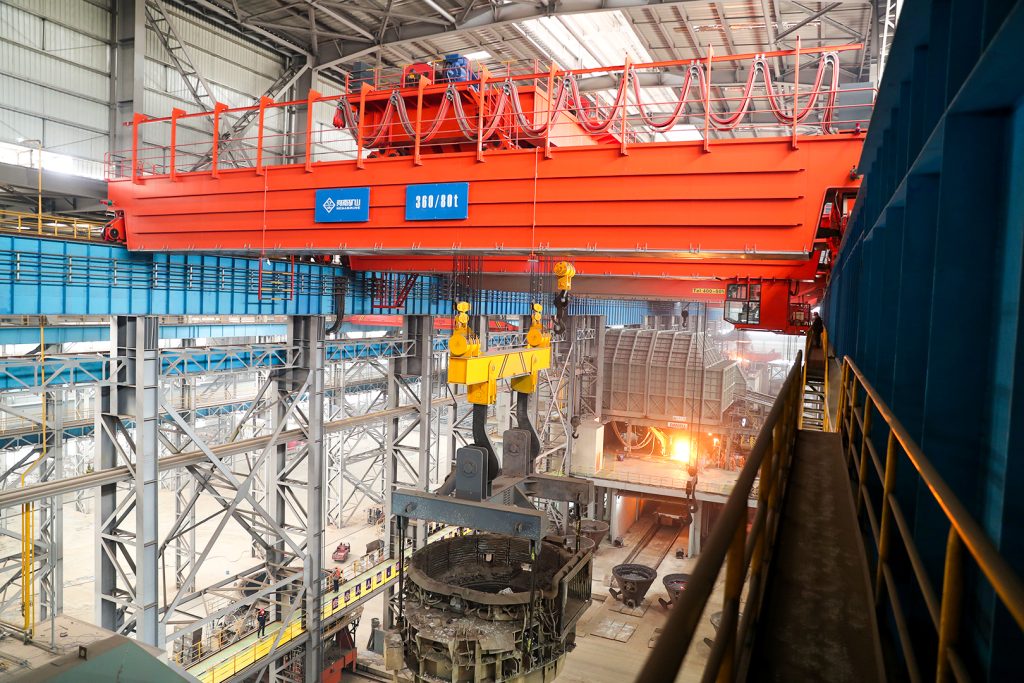
Ladle, slab, scrap and coil handling across steel production.
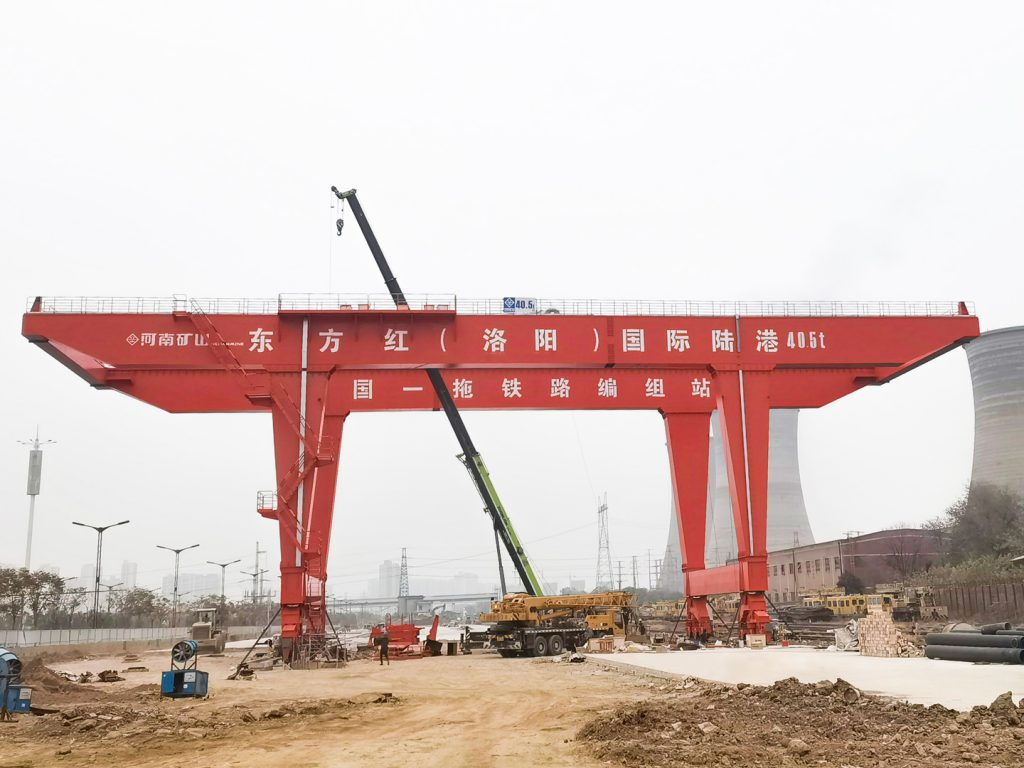
Container stacking and cargo transfers across terminals and rail.
Turbine installation, powerhouse maintenance and wind equipment assembly.
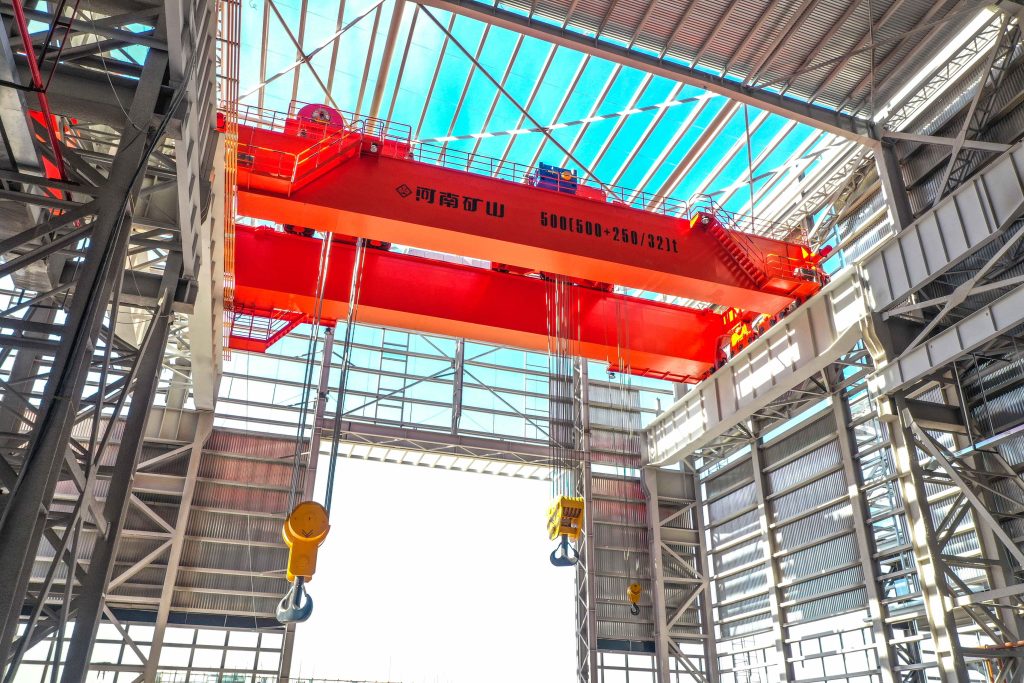
Controlled component transfer and positioning for precision assembly.
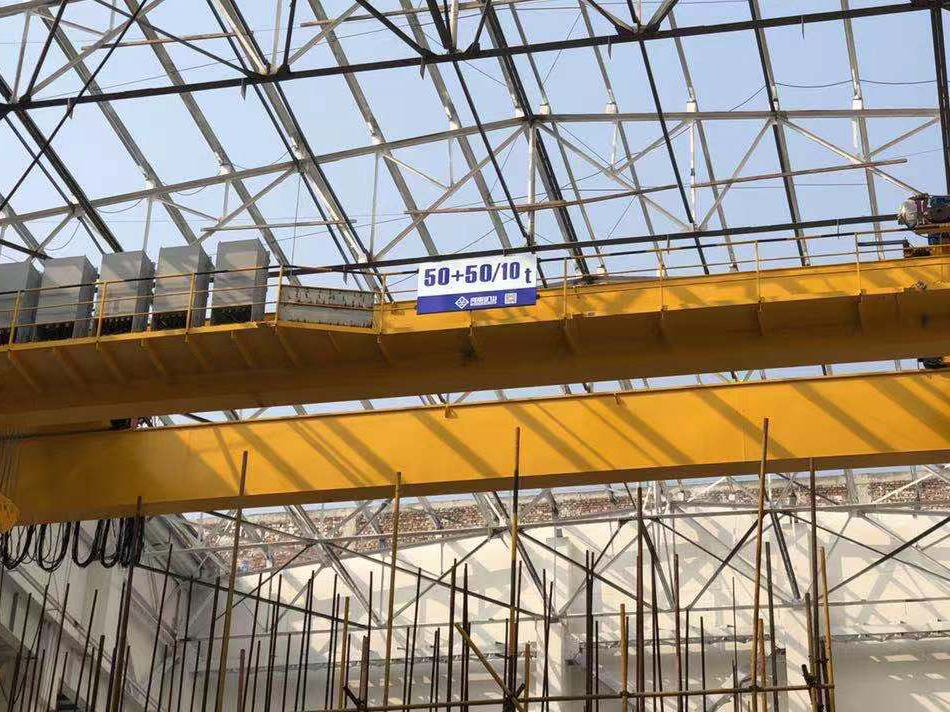
Heavy fabrication, production lifting and factory crane automation.
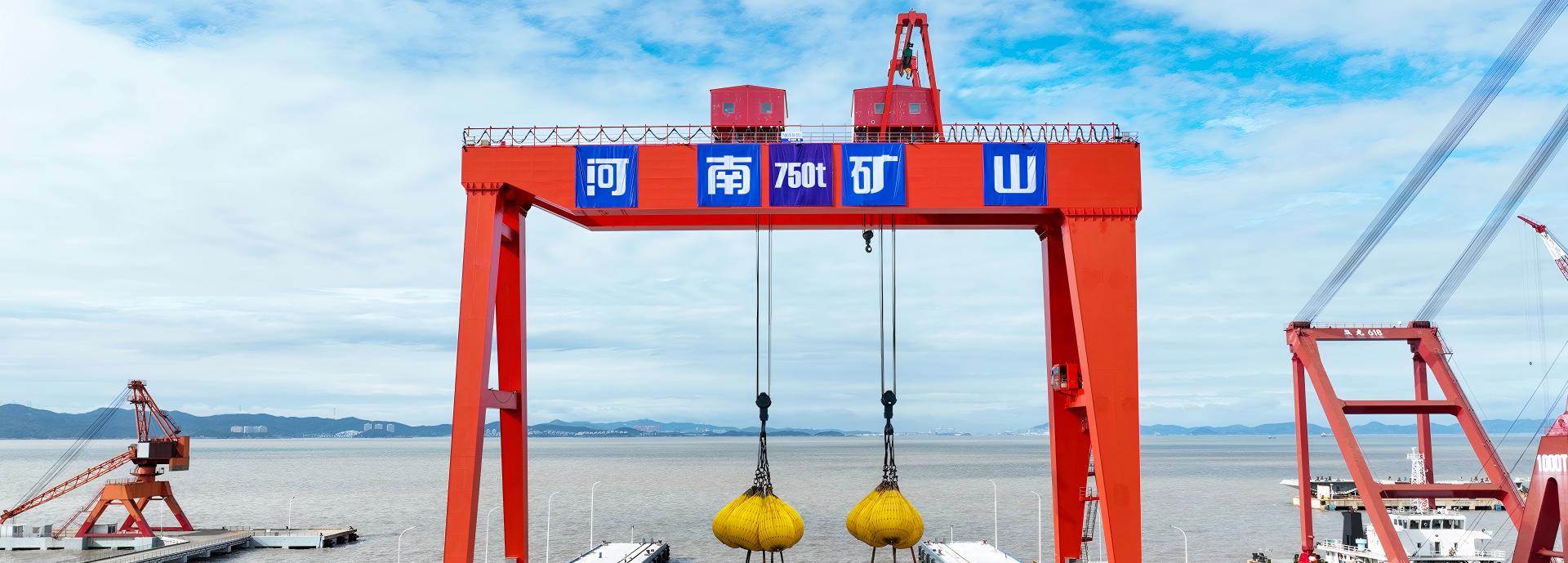
Process lifting for smelters, carbon blocks and anode materials.
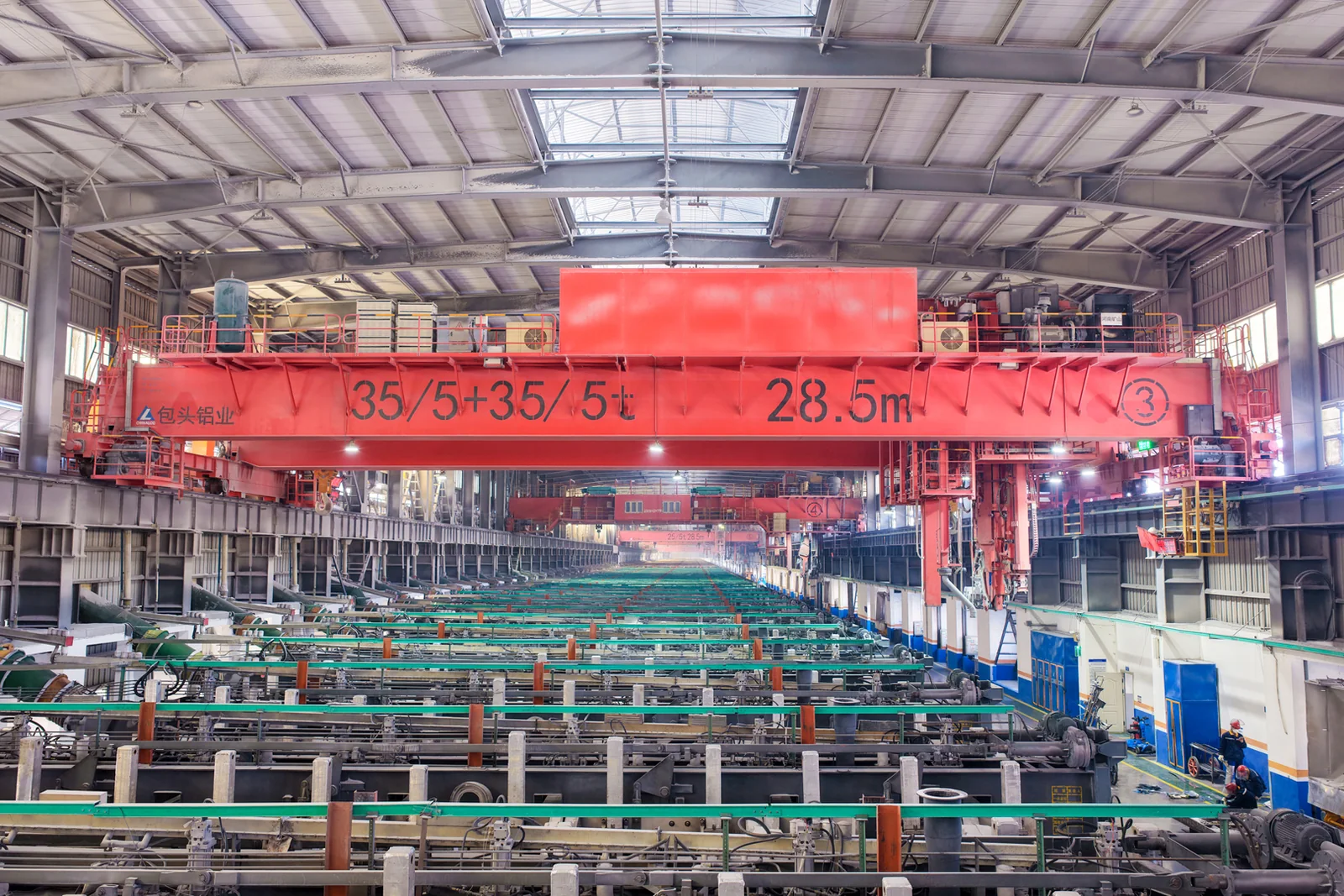
Clean lifting and classified protection for sensitive process areas.
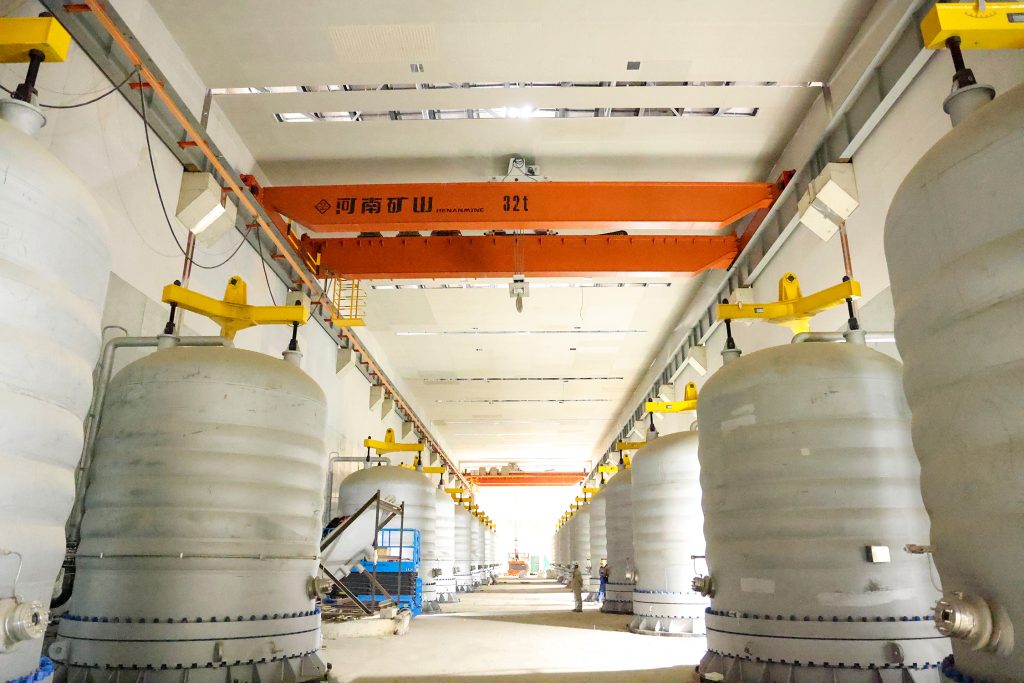
Bridge fabrication, metro construction and ship block assembly.
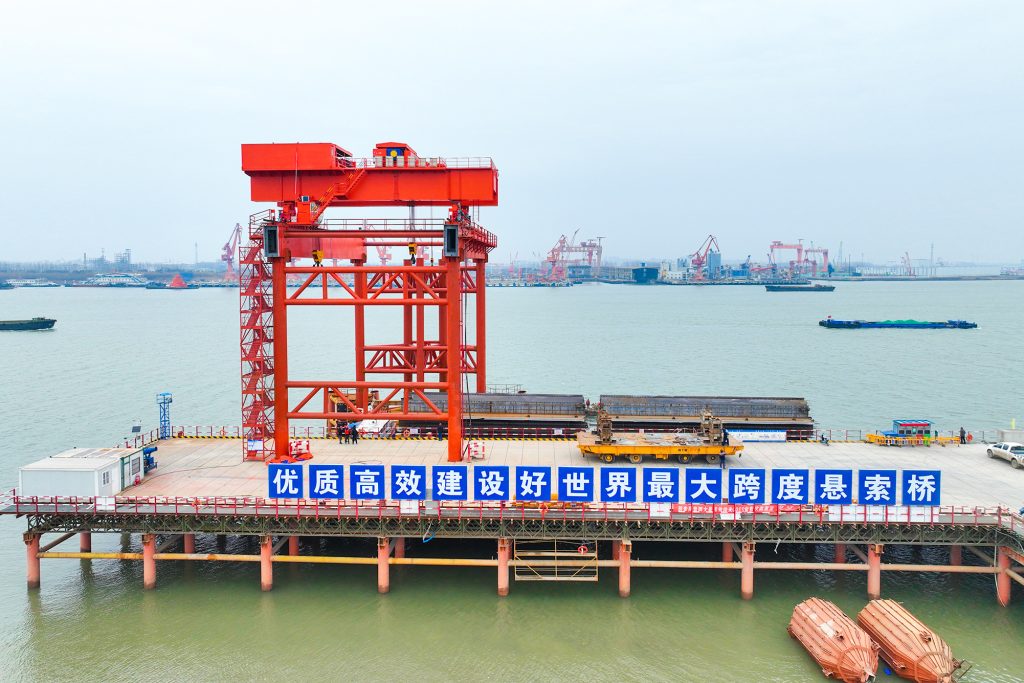
Automated storage and retrieval for plates, cables and bins.
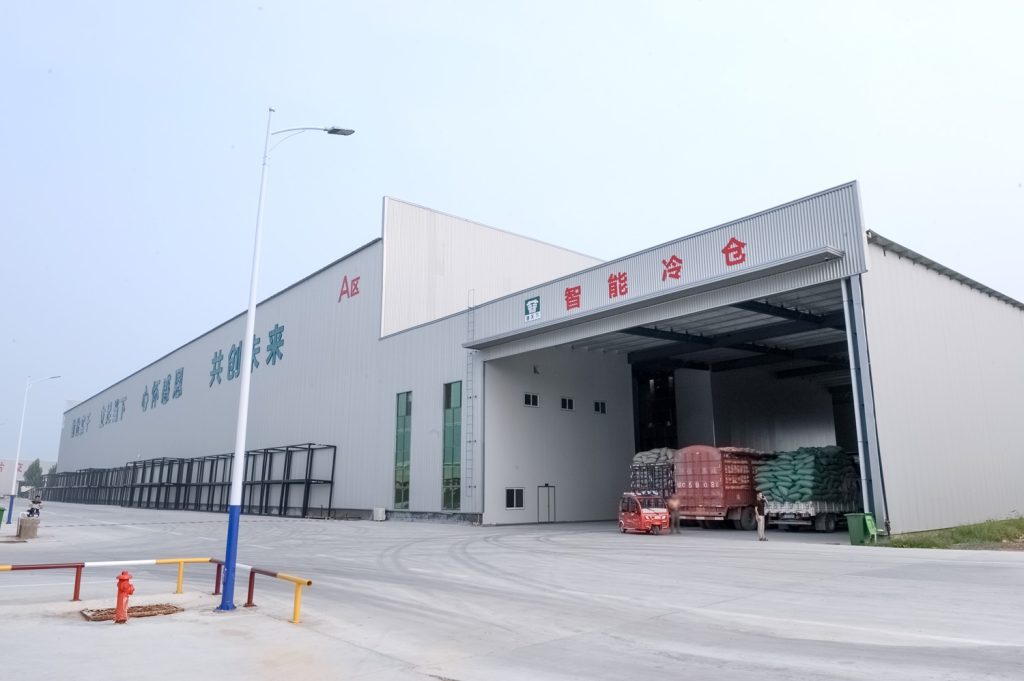
Follow project dispatches, crane engineering and factory acceptance.
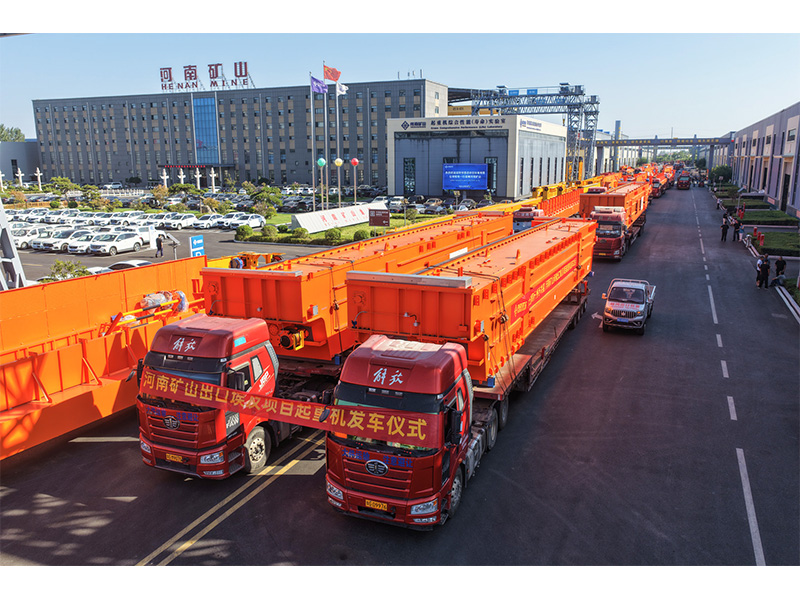
Dispatch, installation and equipment in service
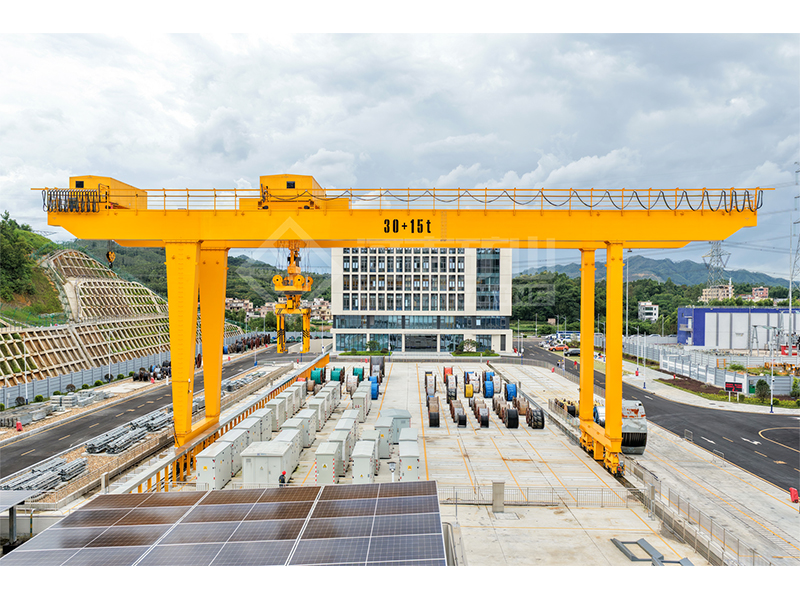
Crane configurations and handling technology
Factory inspections, acceptance and test programmes

Company developments, people and community programmes
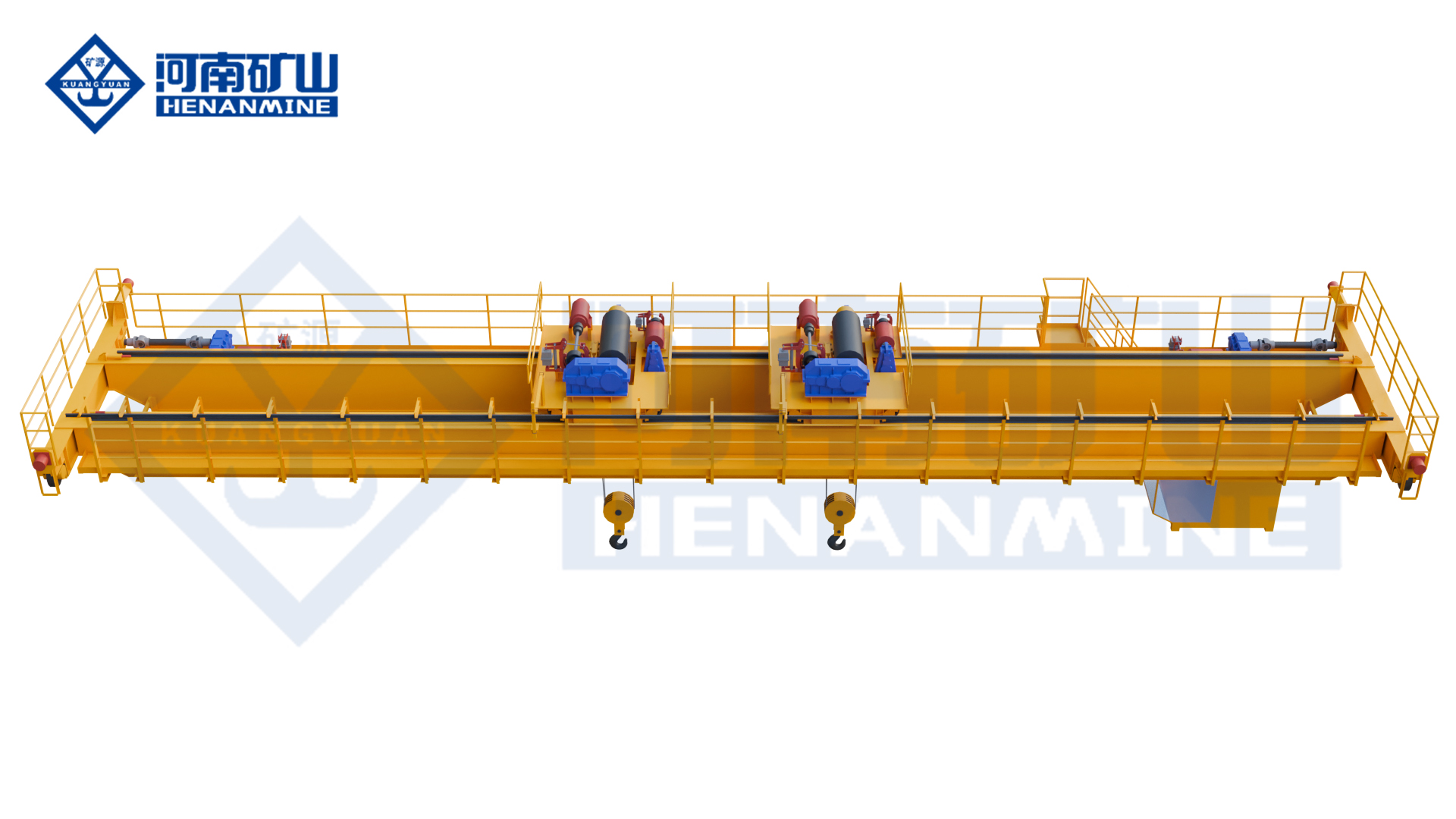
Handle long material with two lifting points on one double girder bridge. Two winch trolleys can work individually or as an approved coordinated pair, serving timber, pipe bundles, bars, paper rolls and other long loads.
Tell us what you need to lift and your approximate span. We’ll help you choose the lifting arrangement.
Start with the dimensions you already know. A workshop photo or sketch can help us recommend a configuration.
Use paired hooks when a long workpiece needs separated pickup points. Select each trolley for the load reaction at its lifting point.
The individual trolley operating mode serves loads that need one hook, keeping the crane useful across a mixed handling schedule.
A5 and A6 selections provide different hoisting speeds. Select the lifting and travel package for the load length, cycle time and placement task.

Lift long bundles or fabricated sections at two selected lifting points, then move them between storage and production positions.
Use a matched pair of lifting points for the roll or shaft handling arrangement, with capacity checked at each hook.
Transfer long material within a workshop or an outdoor storage runway, using the ordered hook and attachment arrangement.
The 10+10 t designation identifies two 10 t trolleys. Tandem operation is specified for the permitted total load, load distribution and trolley positions.
Compare the available options for your lifting task. Capacity, span, lift height and speed are matched in the selected configuration.
| Model | QE |
|---|---|
| Rated capacity | 5+5 / 10+10 / 16+16 t |
| Span | 10.5–31.5 m in 3 m steps |
| Lifting height | 16 m for the listed configurations |
| Working duty | A5 or A6 |
| Hoisting speed | A5, 5+5 / 10+10 / 16+16 t: 11.3 / 8.5 / 7.9 m/min |
| Trolley travel speed | A5 trolley, same order: 37.2 / 43.8 / 44.6 m/min |
| Lifting arrangement | Two winch trolleys with separate hooks |
| Control | Independent or coordinated lifting; cabin, pendant or radio |
| Power supply | 380 V / 50 Hz, three-phase; destination supply by specification |
| Operating environment | Long-load handling in workshops or outdoor storage |
| A6 hoisting speed | 5+5 / 10+10 / 16+16 t: 15.6 / 13.2 / 10.7 m/min |
| Bridge speed examples | 5+5 t A5 at 10.5 m: 90.7 m/min; 16+16 t A5 at 10.5 m: 87.6 m/min |
| Trolley ratings | Duty | Span group | Lift | Hoisting speed |
|---|---|---|---|---|
| 5+5 t | A5 | 10.5–31.5 m | 16 m | 11.3 m/min |
| 5+5 t | A6 | 10.5–31.5 m | 16 m | 15.6 m/min |
| 10+10 t | A5 | 10.5–31.5 m | 16 m | 8.5 m/min |
| 10+10 t | A6 | 10.5–31.5 m | 16 m | 13.2 m/min |
| 16+16 t | A5 | 10.5–31.5 m | 16 m | 7.9 m/min |
| 16+16 t | A6 | 10.5–31.5 m | 16 m | 10.7 m/min |
Span selections increase in 3 m steps. The plus sign identifies two trolley ratings. Combined lifting capacity and permissible trolley positions are defined for the ordered load case; bridge speed and dimensions follow span and duty.
The equipment views show the two independent hook trolleys and the double girder travel arrangement.
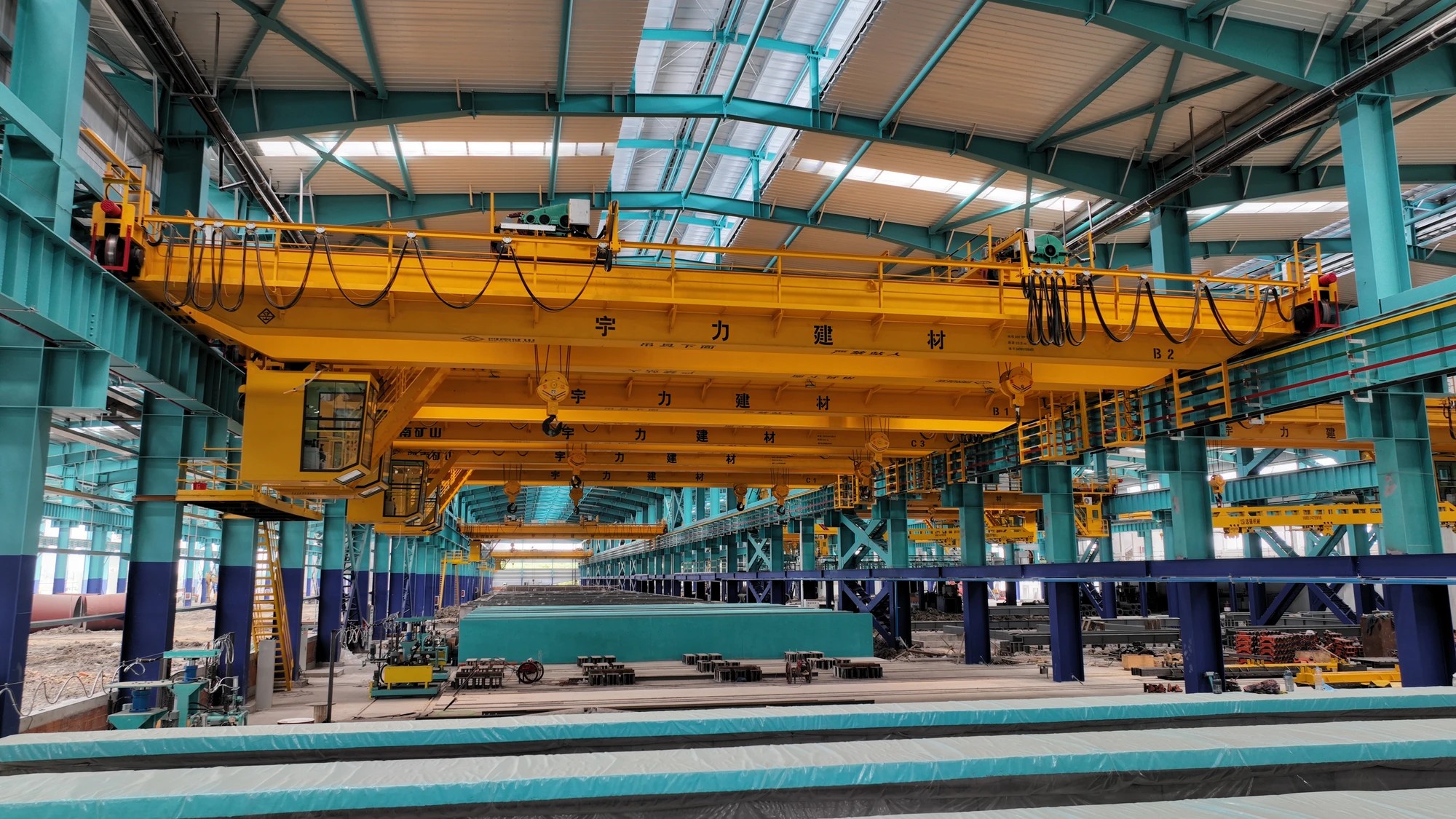
Load weight, lifting-point spacing and the reaction at each hook determine the suitable two-trolley arrangement.

Compare 5+5, 10+10 and 16+16 t selections. Define the single-hook and tandem loads, including attachments and any off-centre load distribution.
The listed span group runs from 10.5 to 31.5 m in 3 m steps, with 16 m lifting height. Trolley spacing follows the required pickup points.
For 10+10 t, the A5 selection lifts at 8.5 m/min and the A6 selection at 13.2 m/min. Match the duty and speed to the handling cycle.
Select the operating modes and operator control for the load. Encoder and variable-frequency arrangements can support coordinated trolley operation.
Compare the equipment, documentation, delivery and service scope for the configuration you need.
Request one QE crane or the quantity needed for your project. The offer confirms the selected trolley pair and complete supply quantity.
Compare two complete winch trolleys, the bridge, hook equipment and the specified control modes. Identify lifting attachments, runway power supply equipment, freight and site services separately.
Include the crane arrangement, individual trolley ratings, approved combined-load cases, trolley-spacing limits, electrical drawings, manuals and agreed inspection and test records. Specify destination conformity requirements.
Confirm dispatch against the chosen capacity, span, duty and tandem control scope. Factory inspection, shipping and site commissioning are scheduled separately.
Define assembly, electrical connection and site load testing. Commission the ordered single-trolley and coordinated modes against the agreed operating cases.
Agree coverage for both winches, trolleys, bridge drives and controls, together with the warranty period, service contact and recommended operating spares.
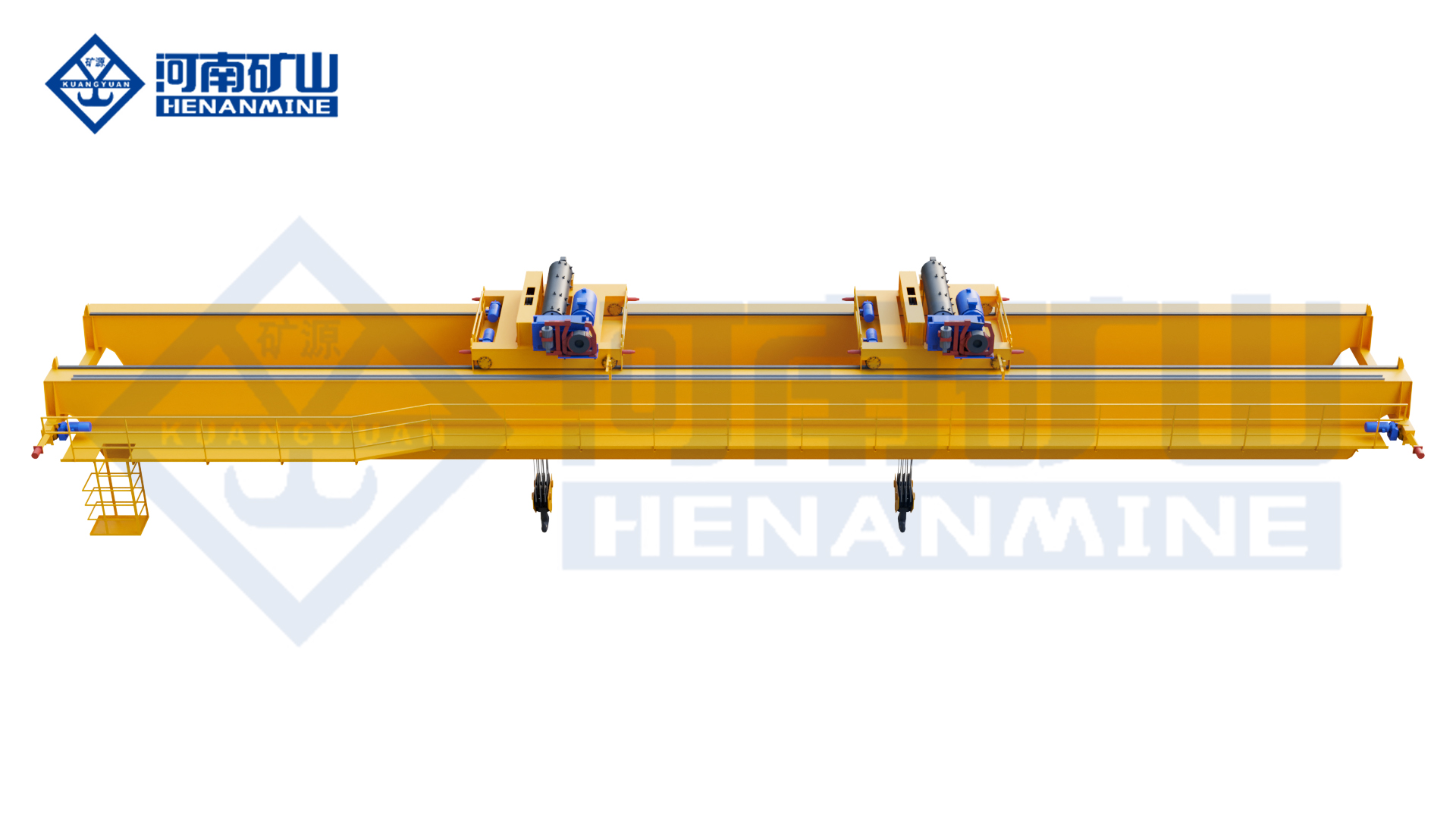
Handle long loads with two trolleys on a modular bridge and approved independent or synchronized modes.
Compare this model ↗
Three hook trolleys serve paper-mill rolls, large components and maintenance lifts. Use one trolley independently or an approved pair where the load needs two lifting points.
Compare this model ↗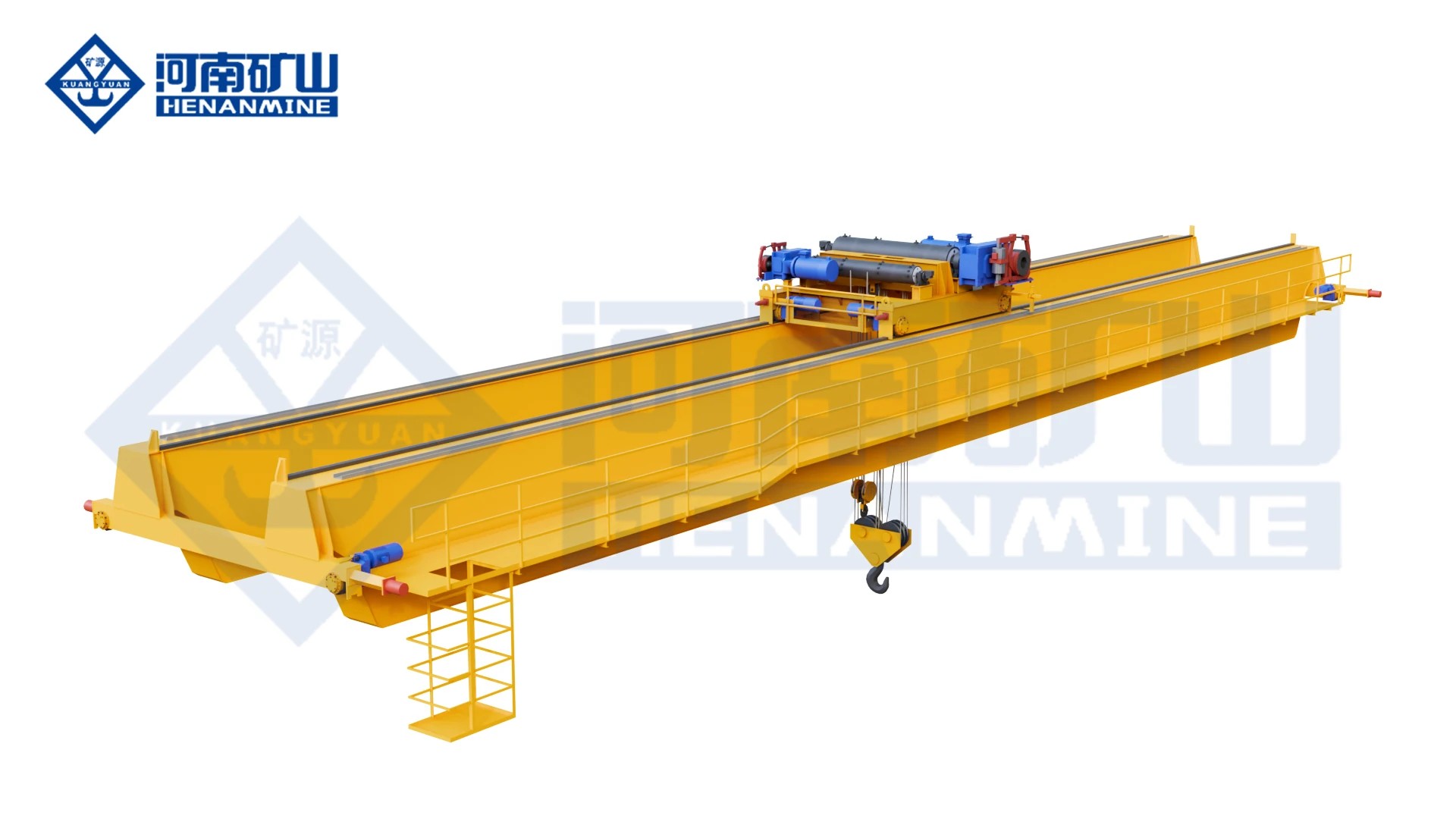
Lift machinery and workshop components with a conventional winch-trolley crane and a selected single or main/auxiliary hook arrangement.
Compare this model ↗Find the arrangement, equipment options and order information that suit your application.
Each trolley is rated 10 t. A load carried by both hooks must meet the approved combined-load case and the permitted reaction at each hook.
Yes. QE supports individual trolley operation as well as coordinated use. The selected control package identifies the available modes and operating limits.
The two hooks can carry different shares of the load. Provide the lifting-point locations and centre of gravity so the maximum reaction at each trolley can be checked.
The listed selections are 5+5, 10+10 and 16+16 t at A5 or A6 duty. Their A5 hoisting speeds are 11.3, 8.5 and 7.9 m/min; the corresponding A6 speeds are 15.6, 13.2 and 10.7 m/min.
Hook spacing follows trolley dimensions, the required lifting points and the available travel. Send the minimum and maximum lifting-point spacing for your loads so these limits can be shown in the arrangement.
Outdoor operation can be specified. Include the site weather, wind, corrosion exposure and parking requirements with the load and runway information.
QE is the conventional two-winch-trolley arrangement. KSQE uses a modular bridge with bolted segments and a compact arrangement. Compare the transport, site assembly and control scope for the project.
Send the complete load, lifting-point spacing, span, lift and expected cycles. Include the single-trolley and tandem duties, power supply, control preference and destination.
Compare the same trolley ratings, operating modes, inspection scope and supply items. The quotation sets the factory dispatch milestone, warranty coverage, commissioning support and any freight or site installation work.
Tell us what you need to lift, your project location and any dimensions you already know. We’ll help you choose a suitable configuration.
info@cranehenanmine.com