Southeast Asia
100-Plus-Unit Equipment Package for a Southeast Asian Steel Plant
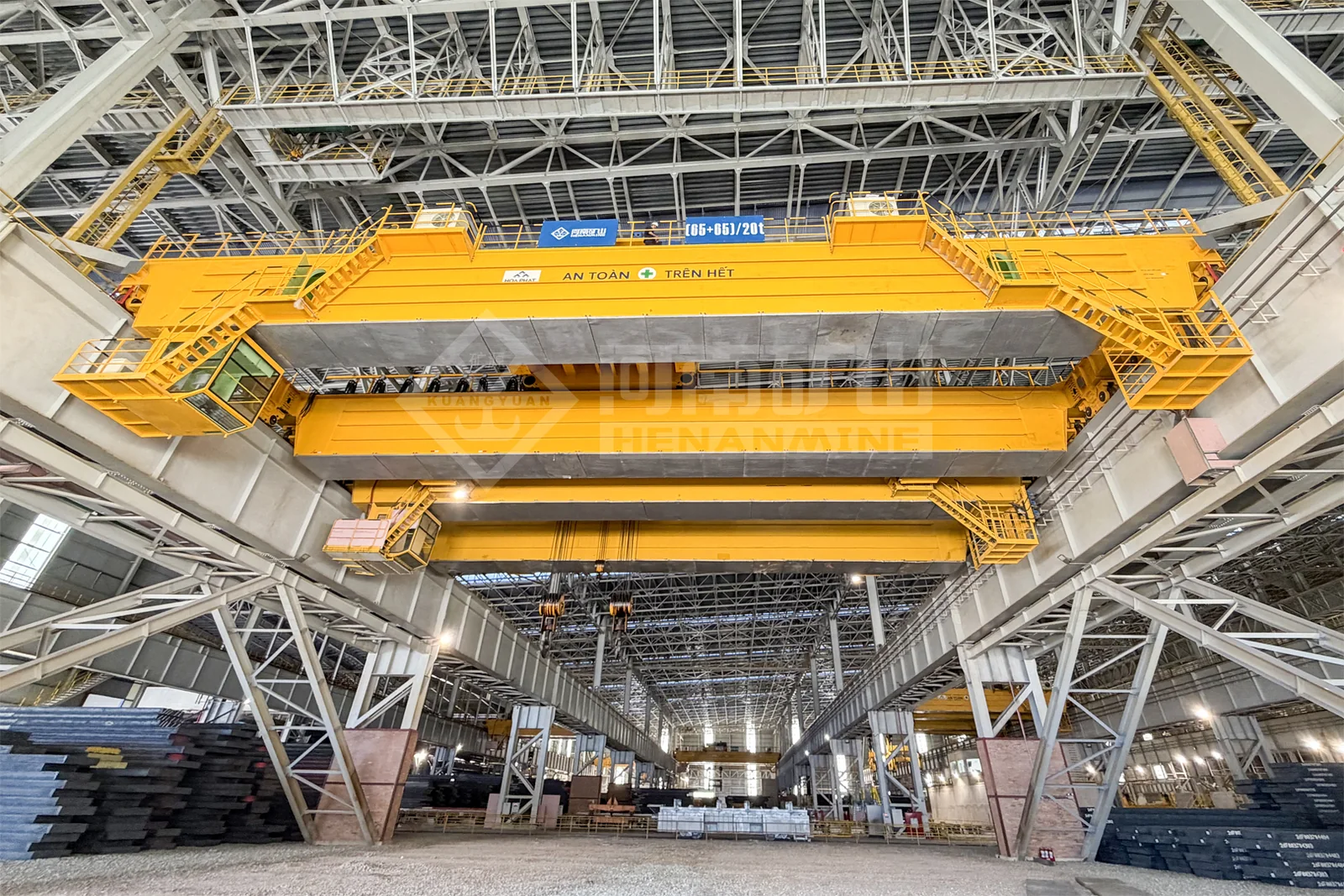
More than 100 lifting systems connect steel production, slab transfer and a port scrap yard, including a 160 t double-girder overhead crane.
Read the project case ↗Bridge cranes for workshops and production lines.
Explore Overhead Cranes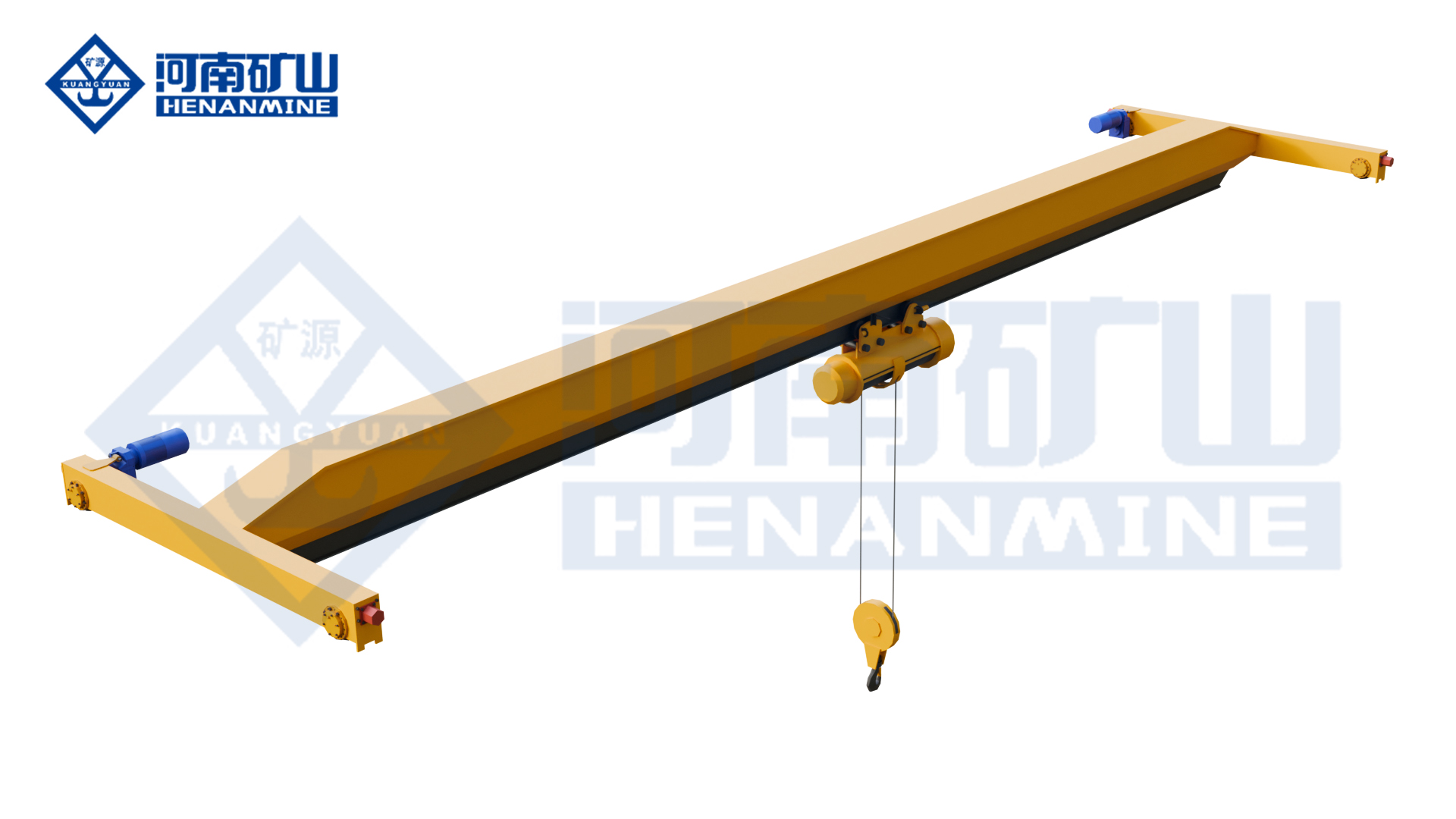
Ground-supported lifting for yards and construction.
Explore Gantry Cranes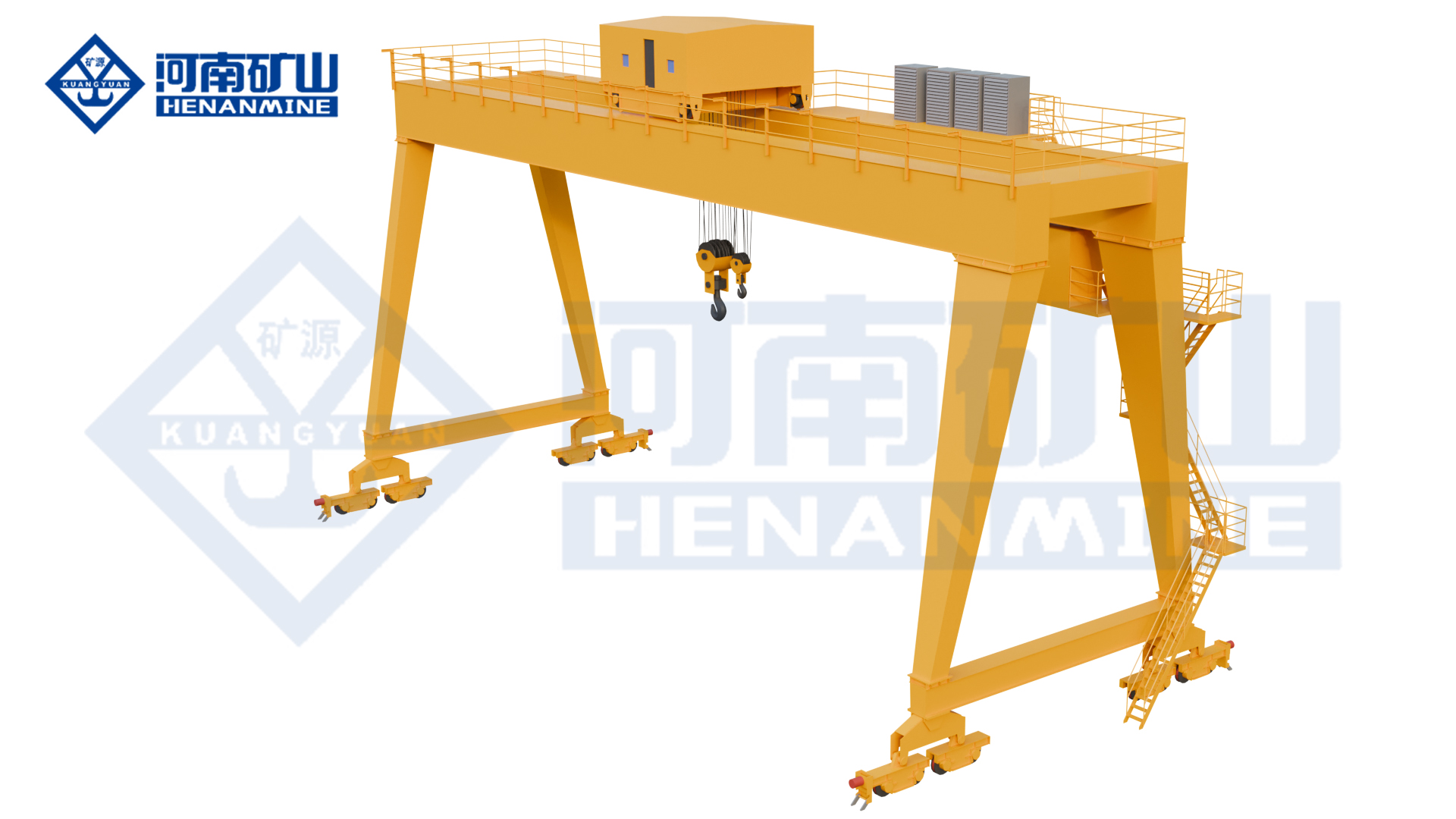
Wire rope and chain hoists for lifting points and cranes.
Explore Electric Hoists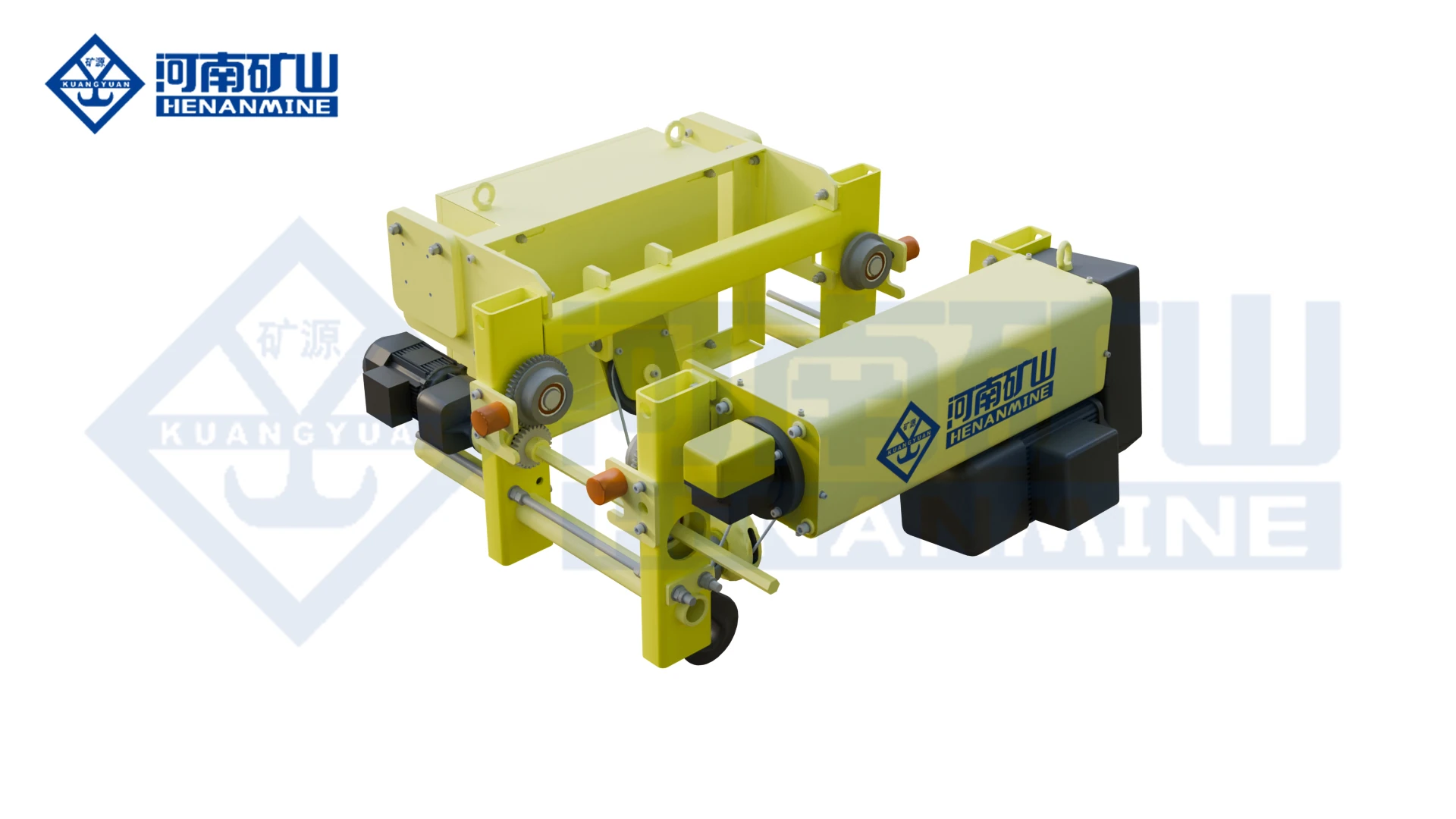
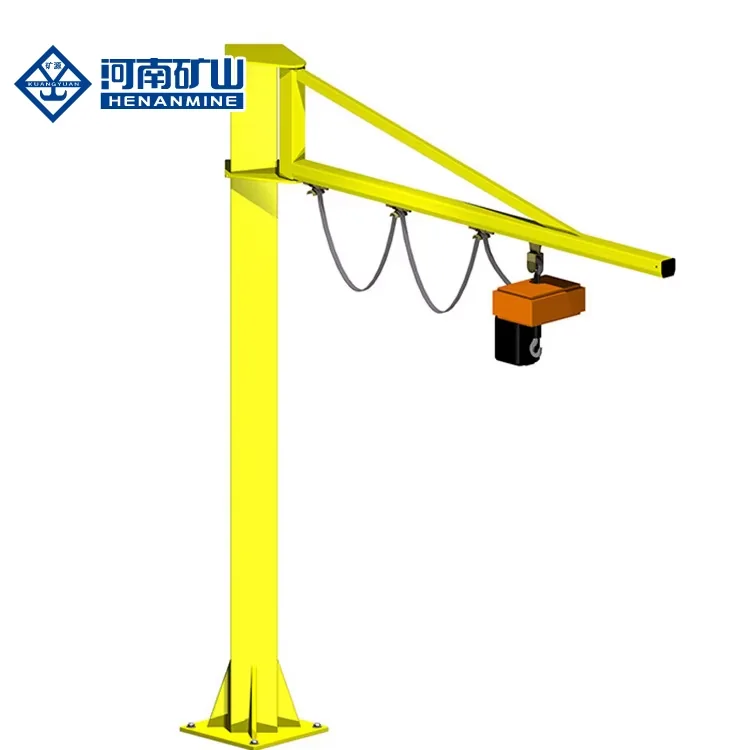
Wire rope lifting and pulling with a powered drum.
Explore Electric Winches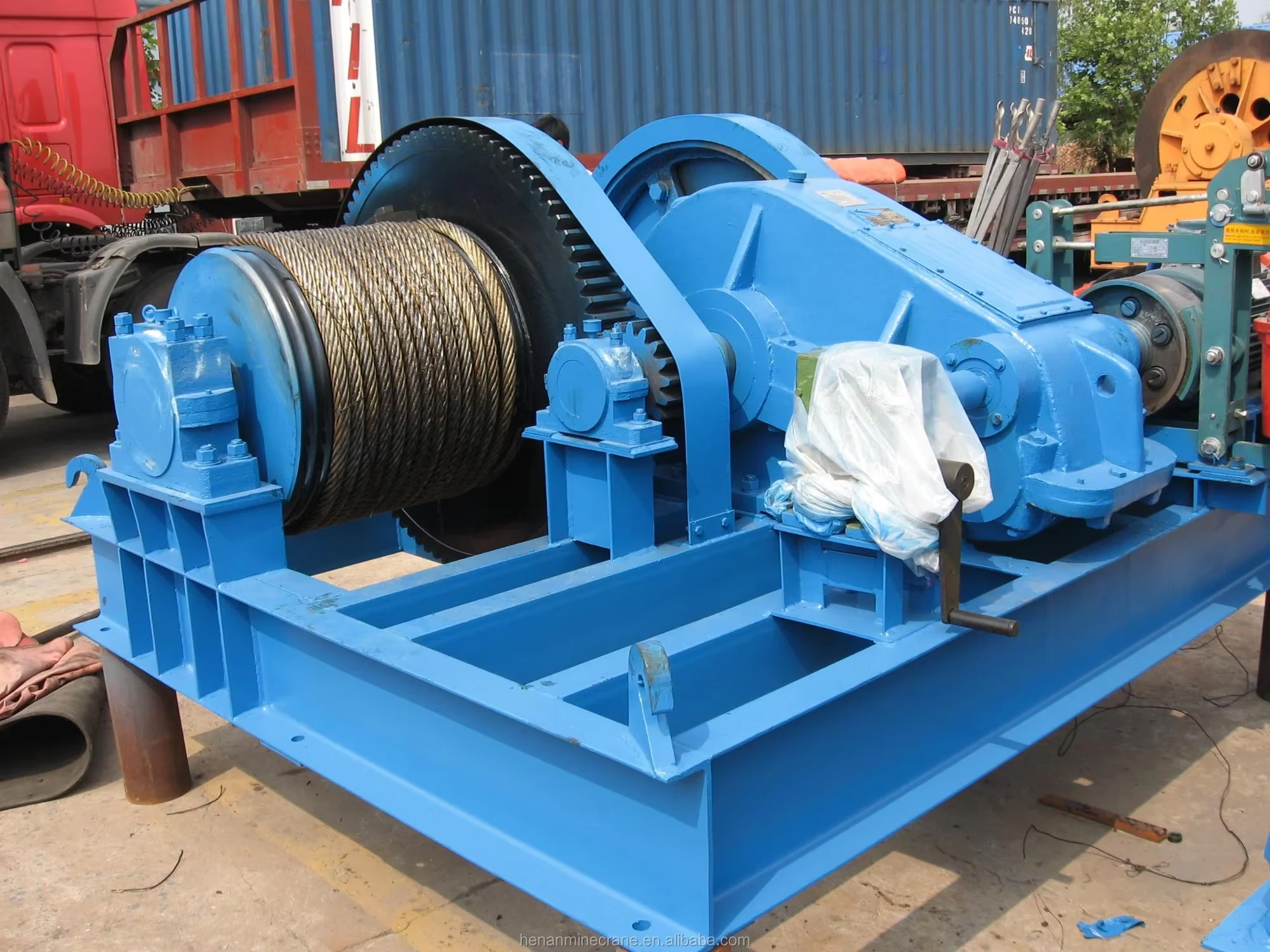
Grab buckets, magnets and hooks for your load.
Explore Lifting Attachments & Grabs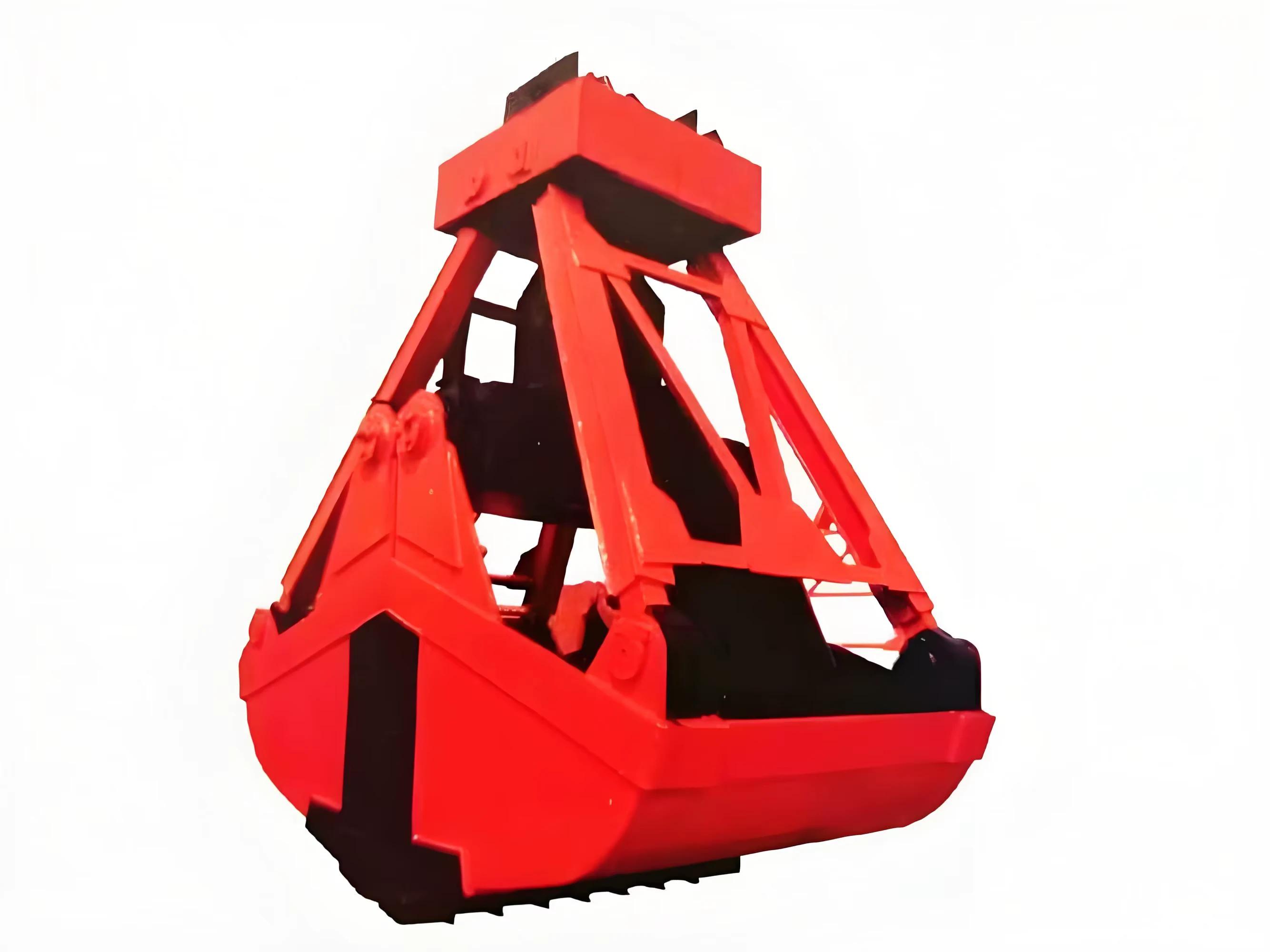
Mobile handling for containers, precast and yard loads.
Explore Rubber-Tired Gantry Cranes & Straddle Carriers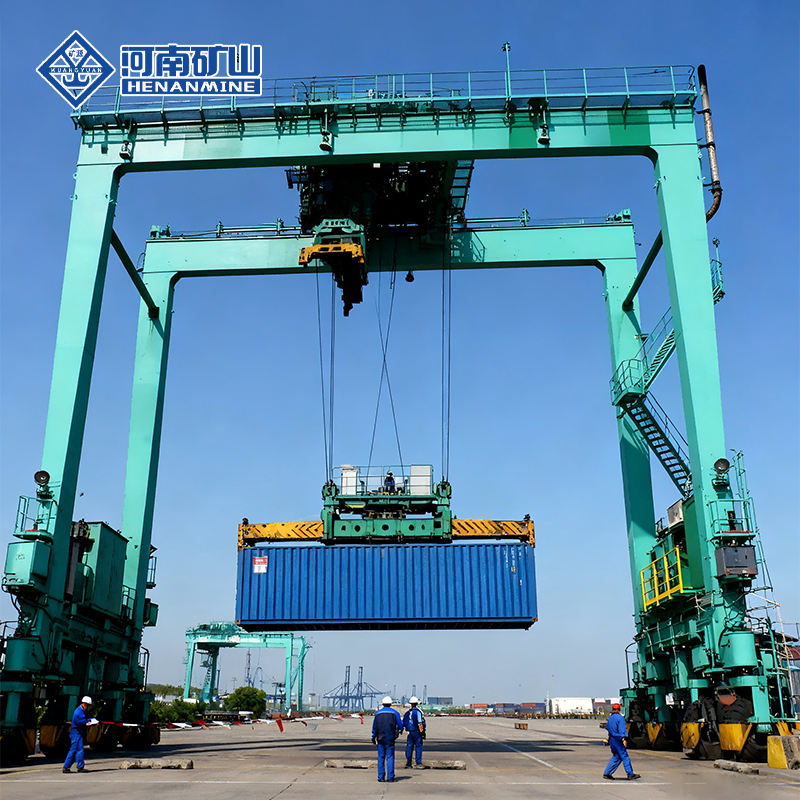
Lift and move vessels through boatyards and marinas.
Explore Marine Travel Lifts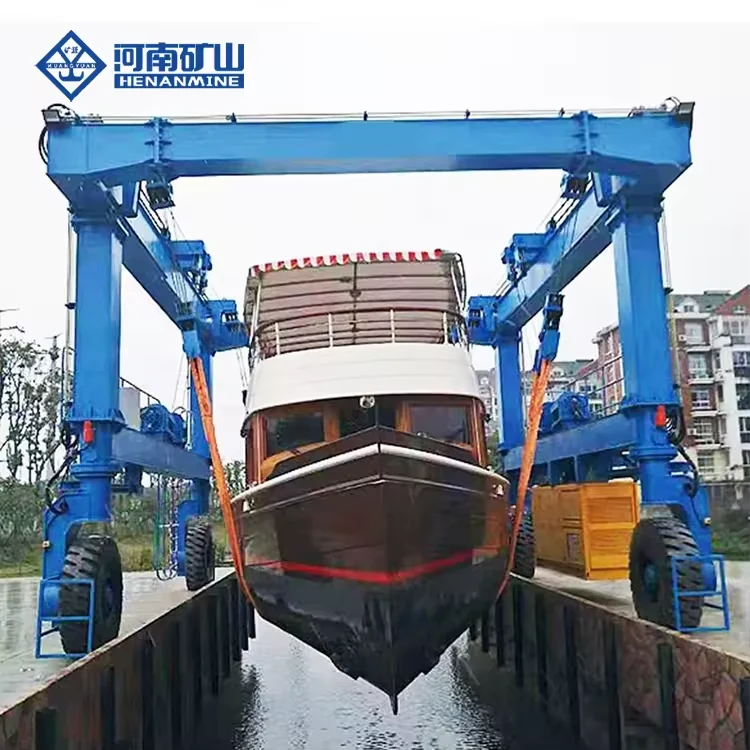
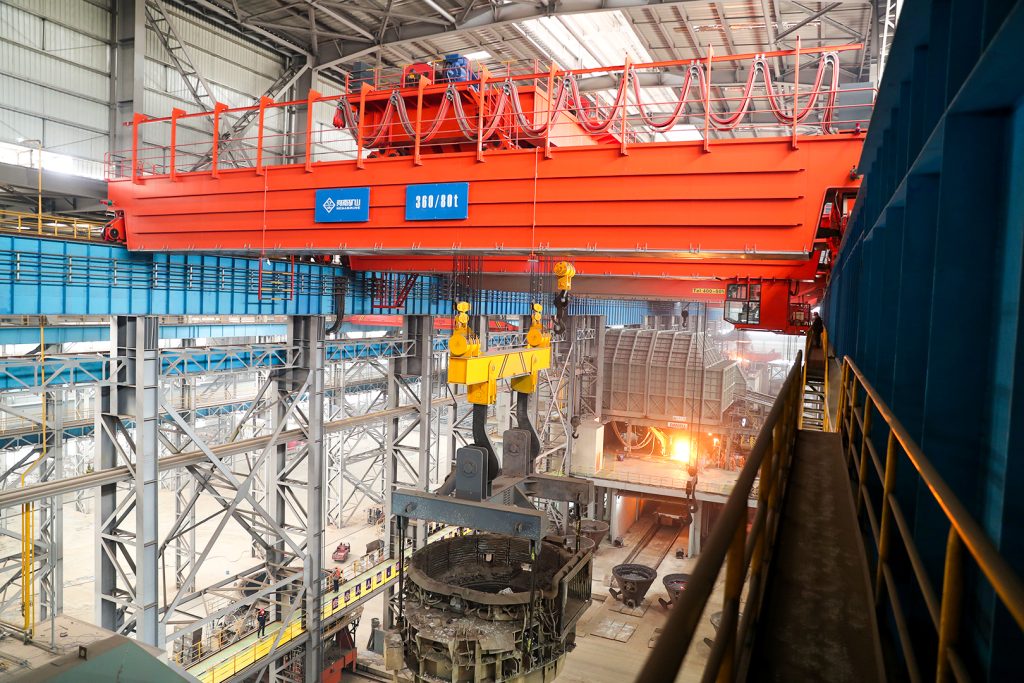
Ladle, slab, scrap and coil handling across steel production.
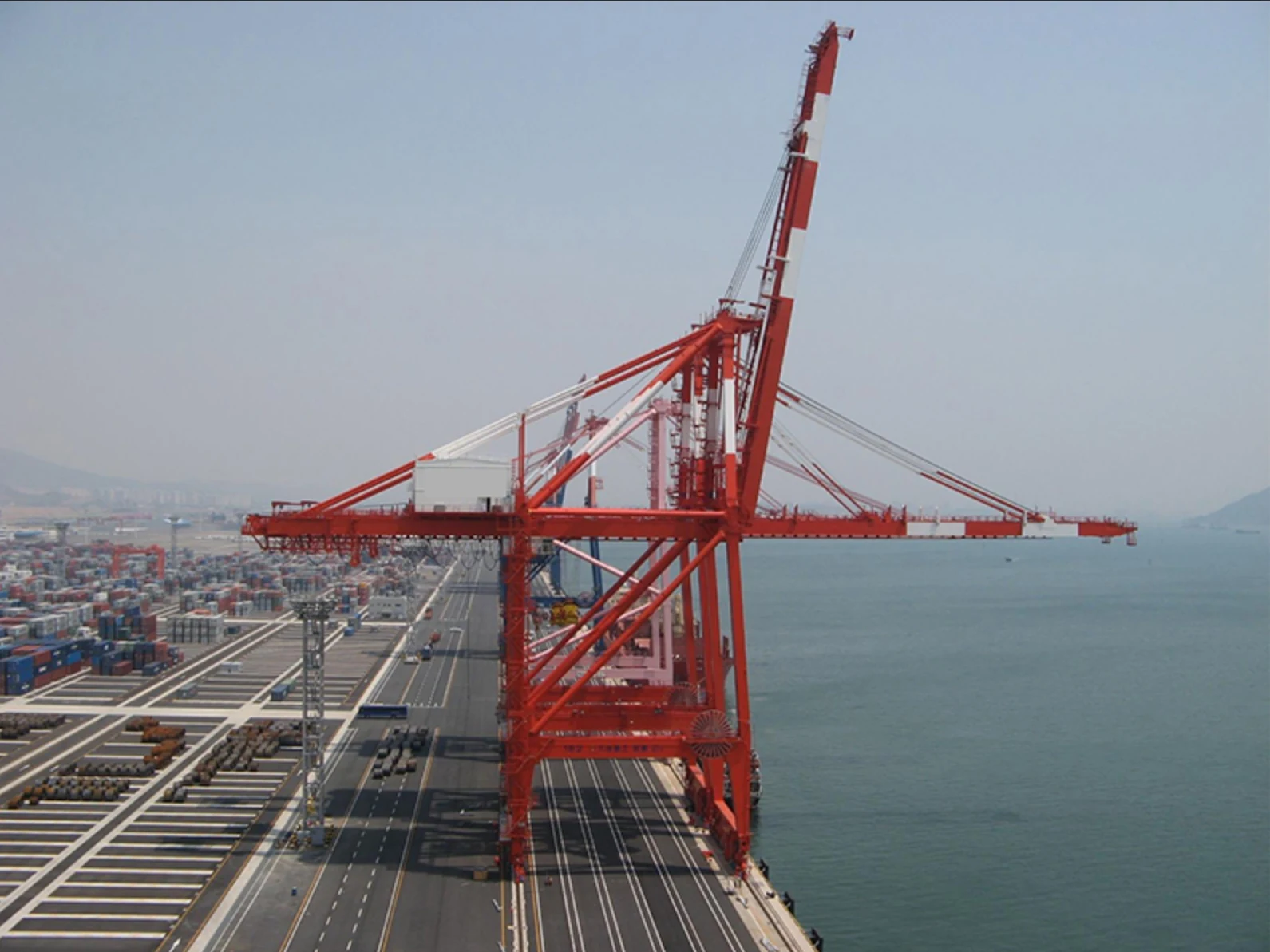
Container stacking and cargo transfers across terminals and rail.
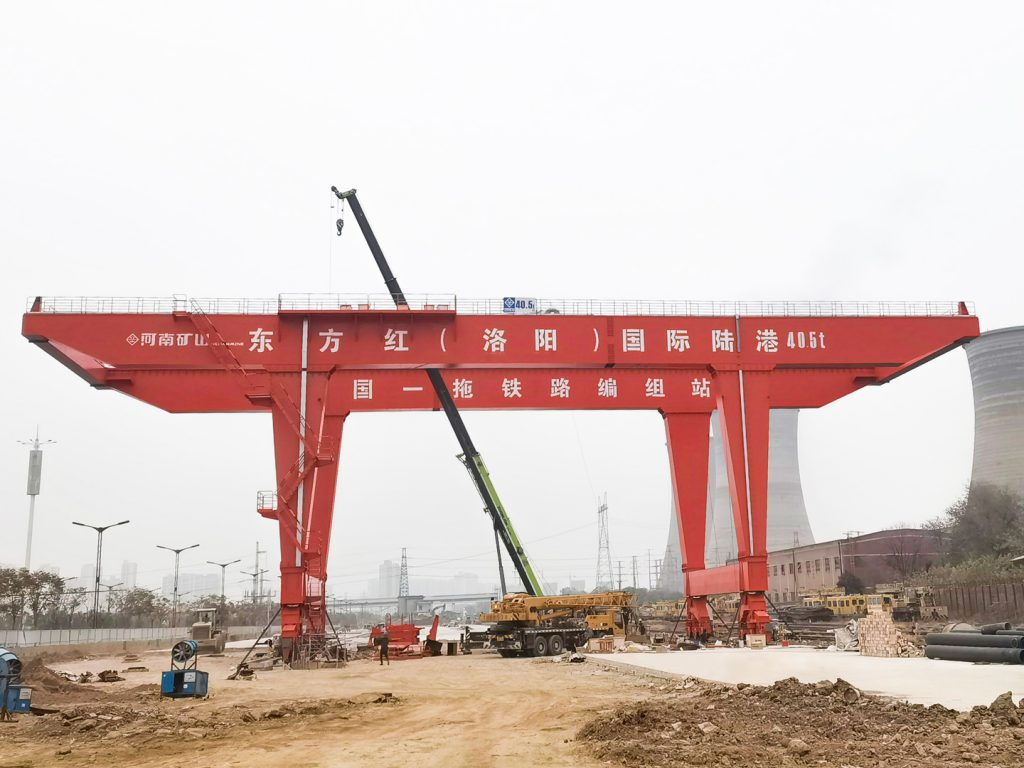
Turbine installation, powerhouse maintenance and wind equipment assembly.
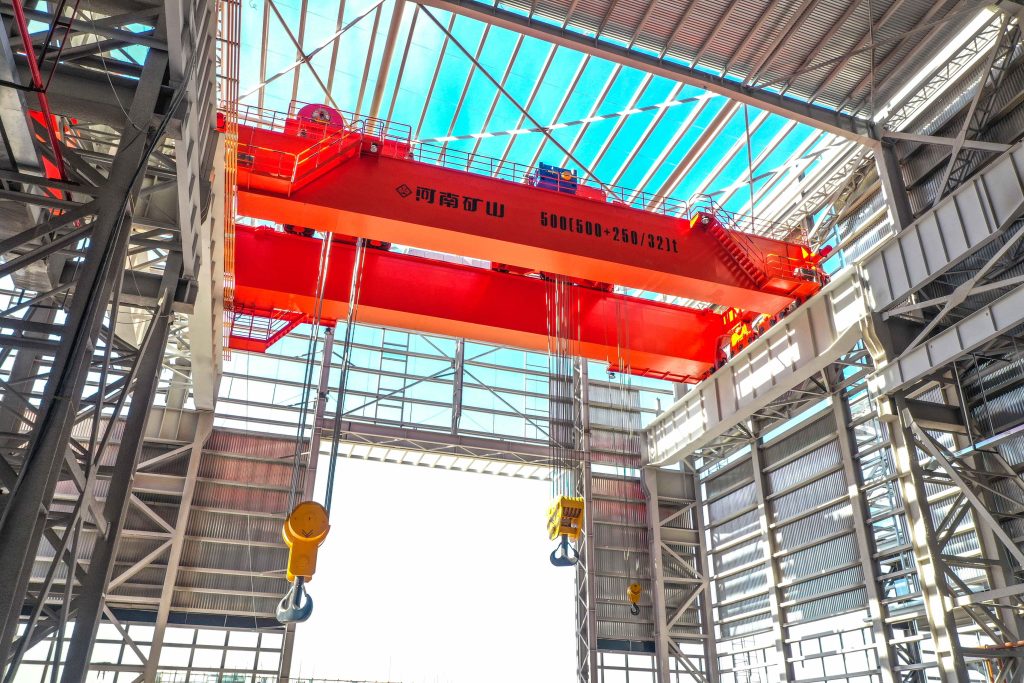
Controlled component transfer and positioning for precision assembly.
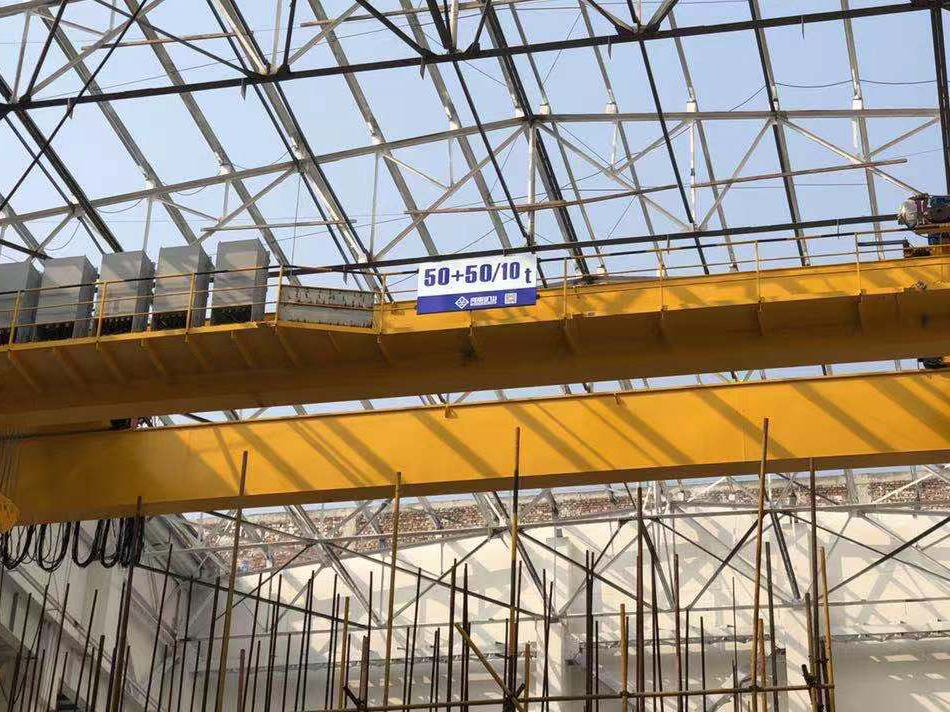
Heavy fabrication, production lifting and factory crane automation.
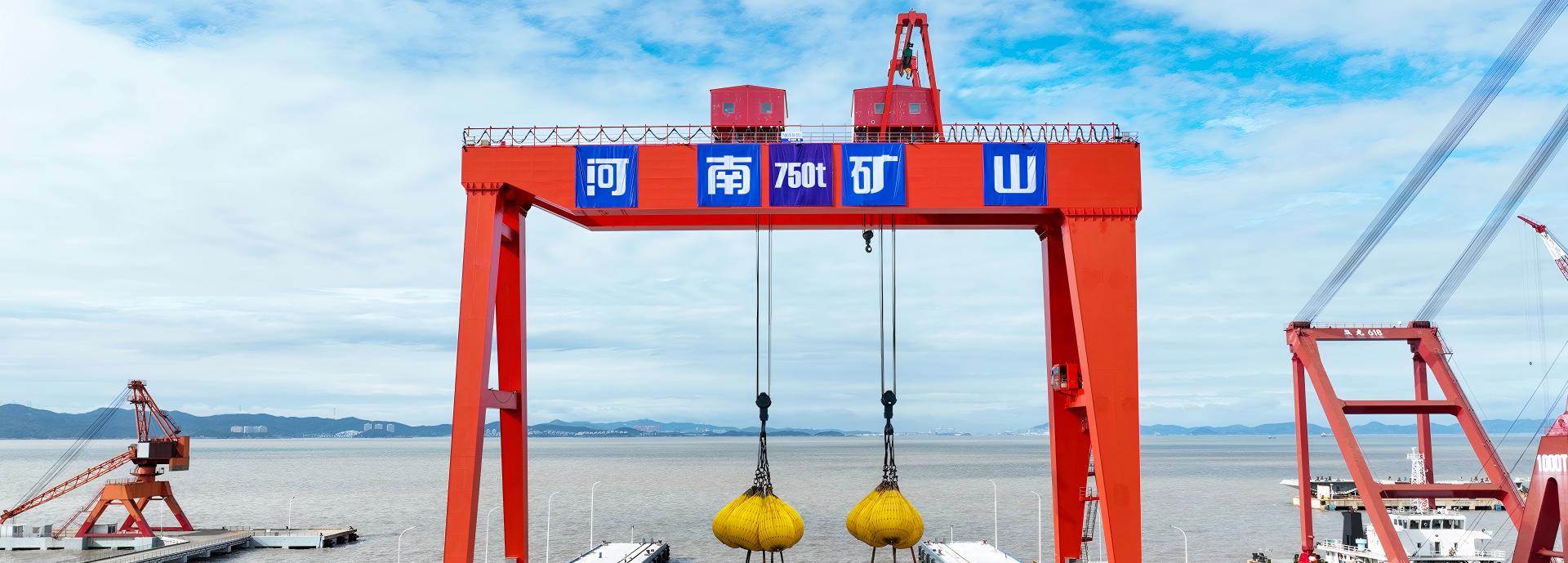
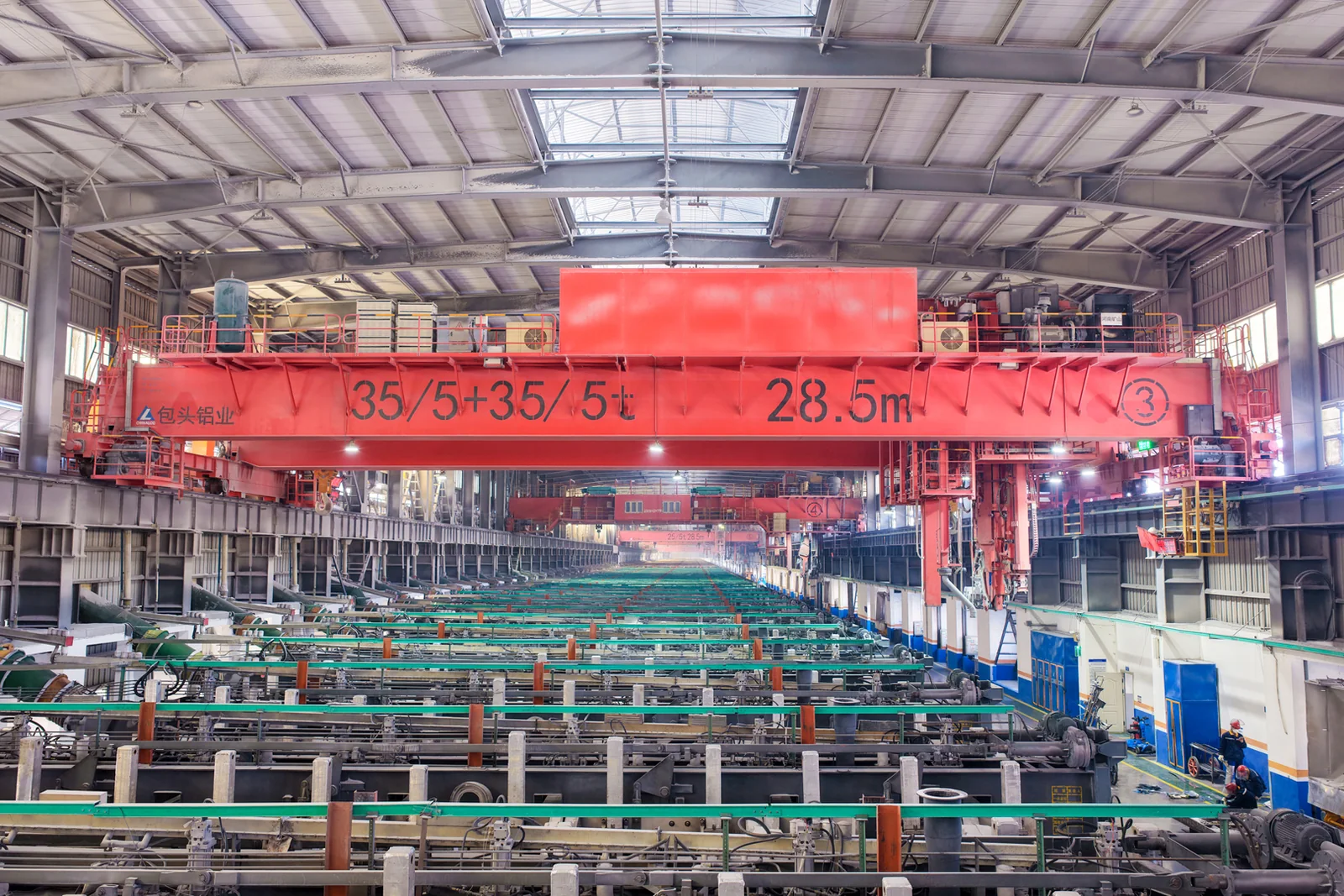
Process lifting for smelters, carbon blocks and anode materials.
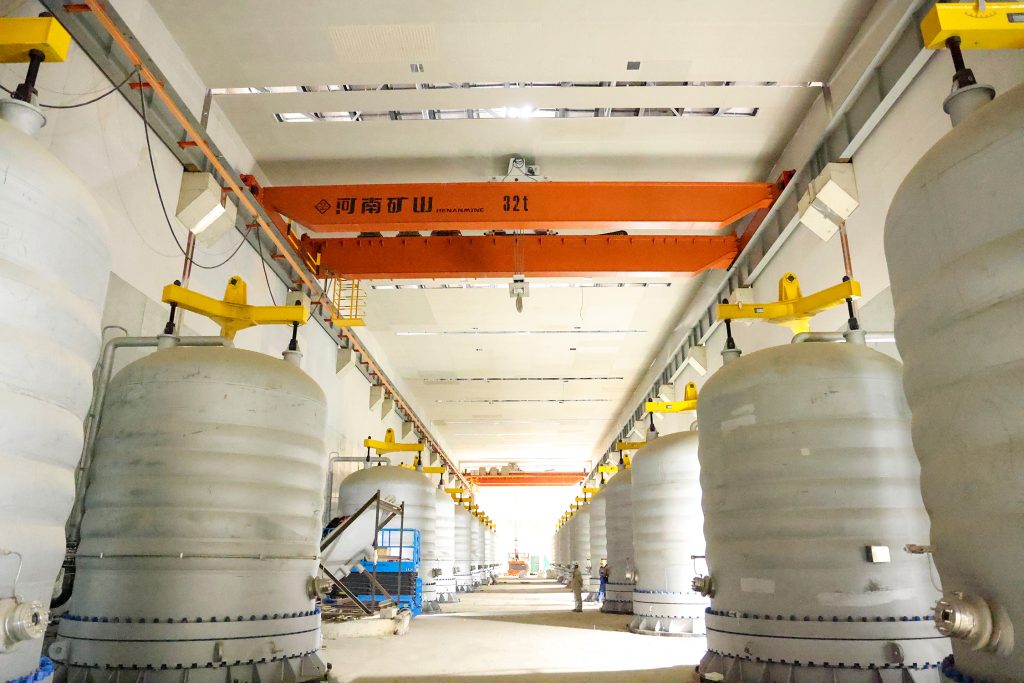
Clean lifting and classified protection for sensitive process areas.
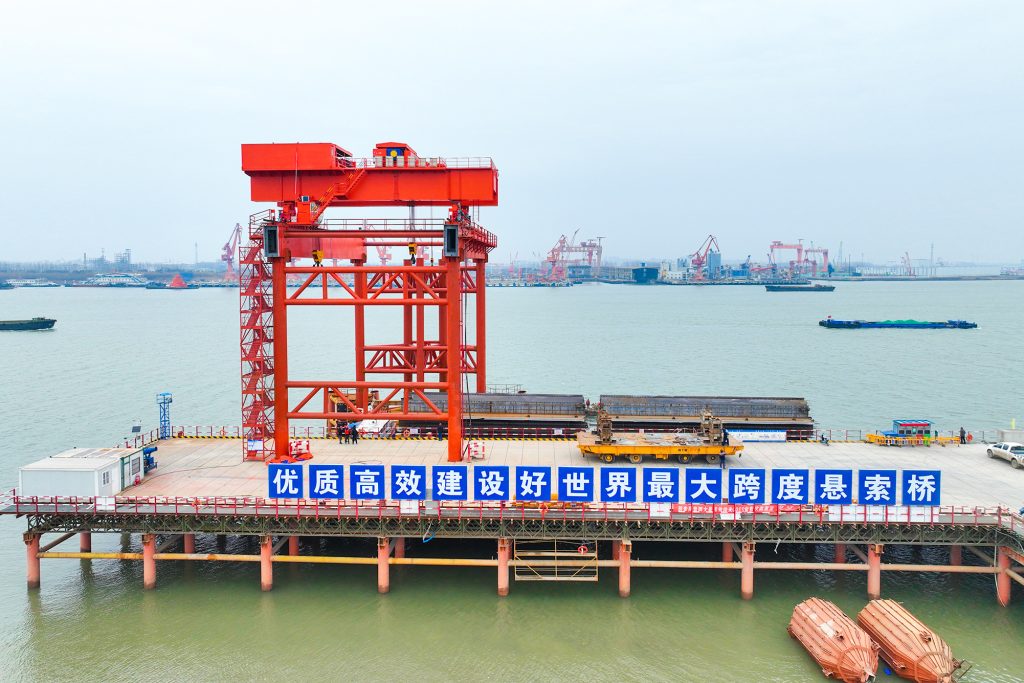
Bridge fabrication, metro construction and ship block assembly.
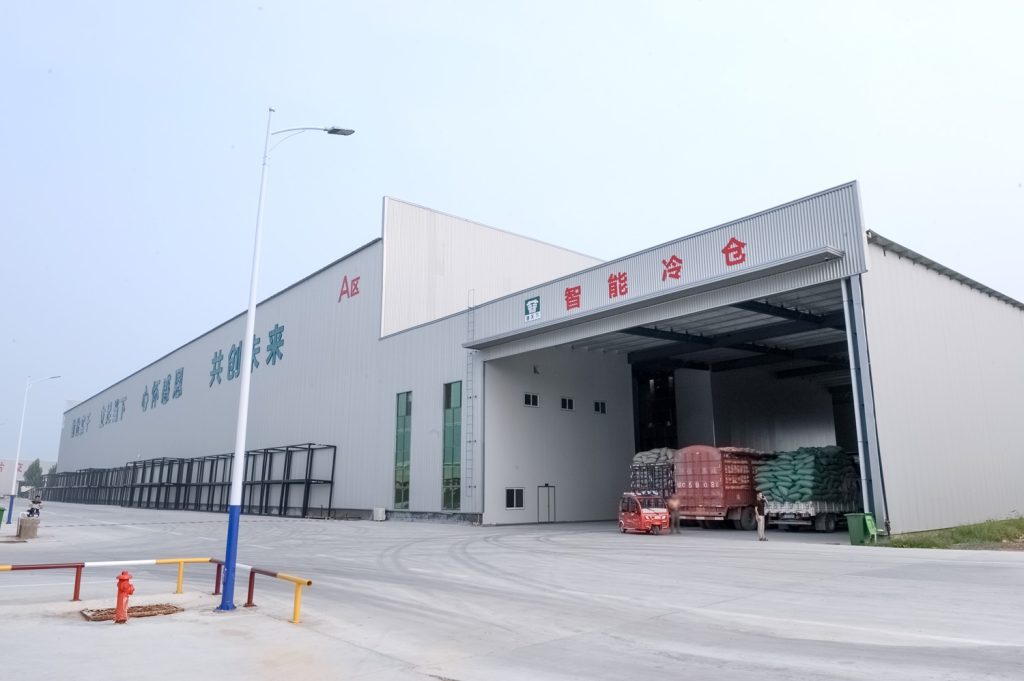
Automated storage and retrieval for plates, cables and bins.
Follow project dispatches, crane engineering and factory acceptance.
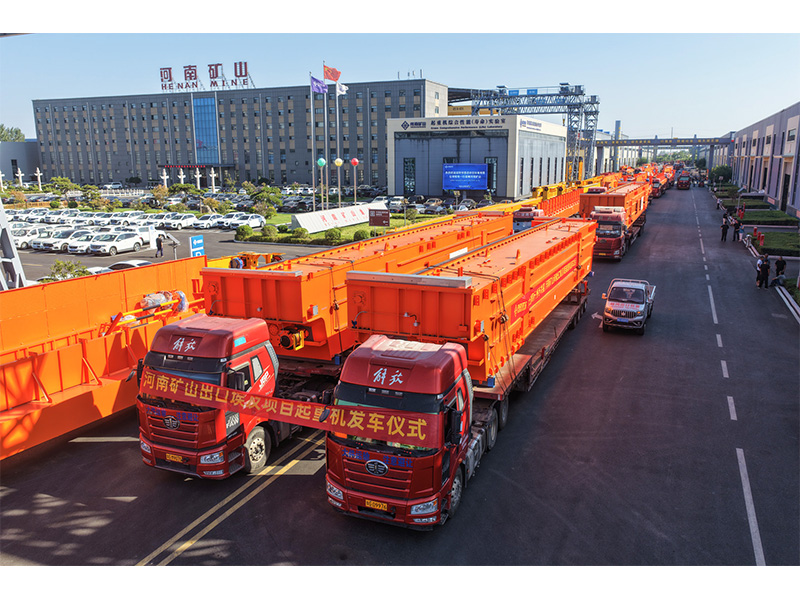
Dispatch, installation and equipment in service
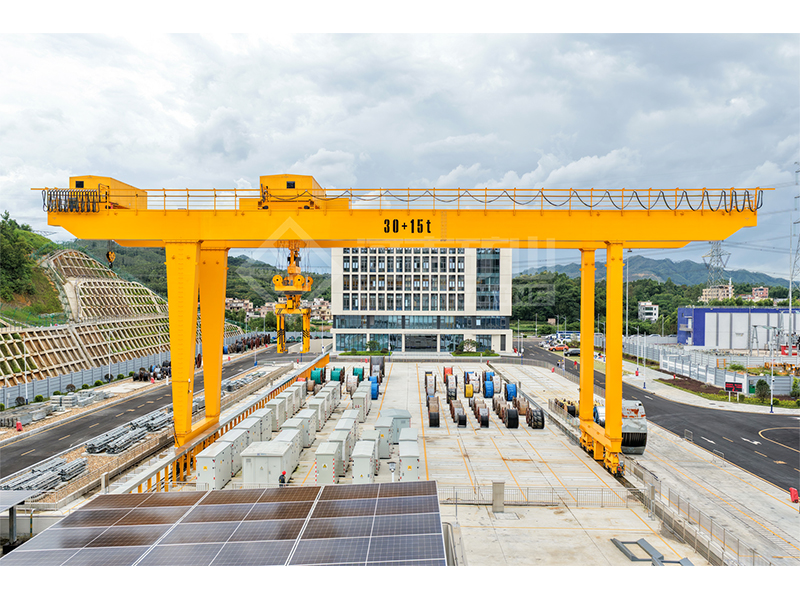
Crane configurations and handling technology
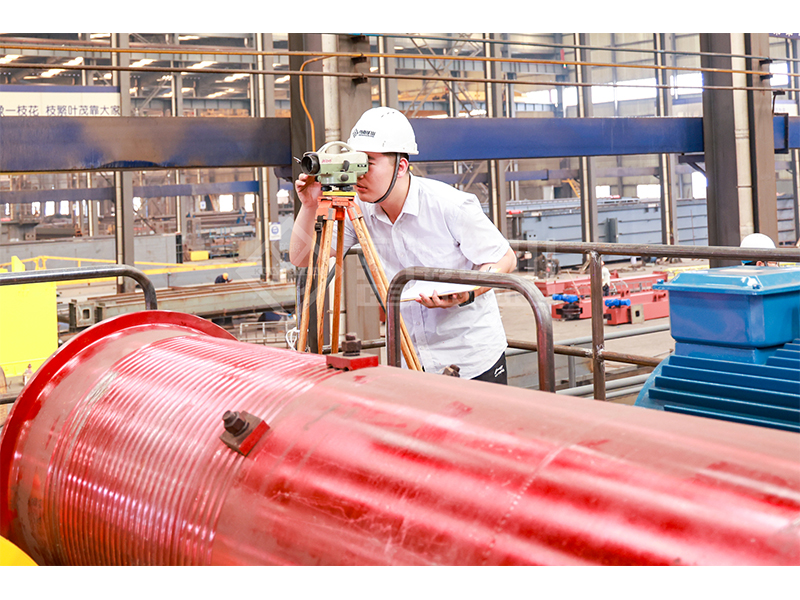
Factory inspections, acceptance and test programmes

Company developments, people and community programmes
Compare molten-metal, furnace, slab and finished-steel handling in actual crane programmes.
More than 100 lifting systems connect steel production, slab transfer and a port scrap yard, including a 160 t double-girder overhead crane.
More than 100 lifting systems connect steel production, slab transfer and a port scrap yard, including a 160 t double-girder overhead crane.
Read the project case ↗Choose the operating environment, then review the project location, equipment and delivery or acceptance stage.
More than 100 lifting systems connect steel production, slab transfer and a port scrap yard, including a 160 t double-girder overhead crane.
Automated charging cranes coordinate attachment engagement, material transfer and hopper positioning for a ferrochrome production project.
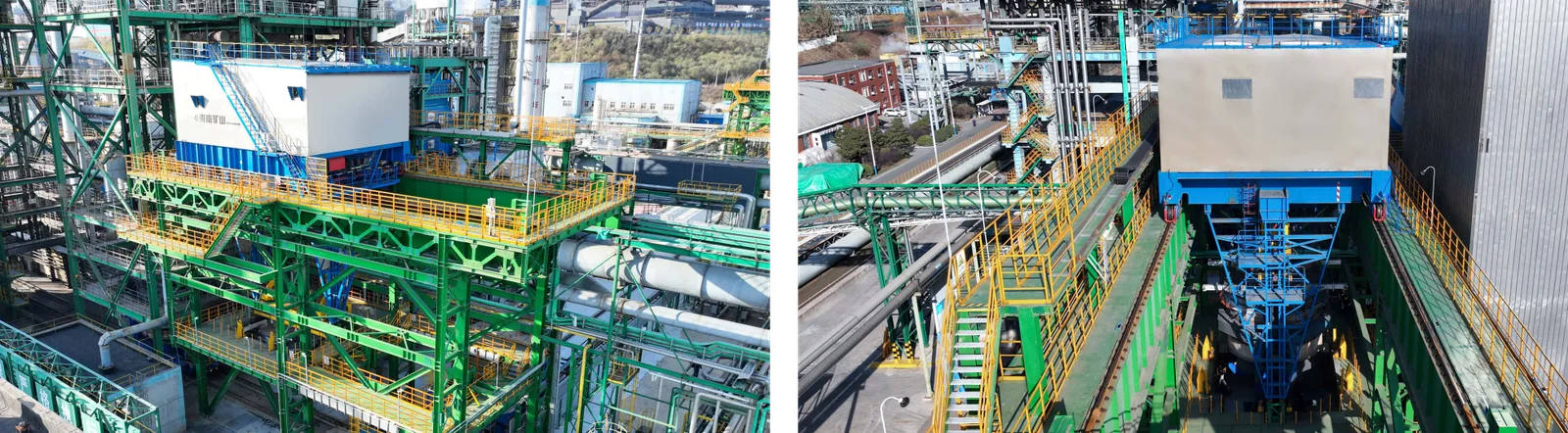
Two coke pot cranes combine variable-frequency motion, remote video supervision and mechanical-assisted anti-sway for repeated process transfers.
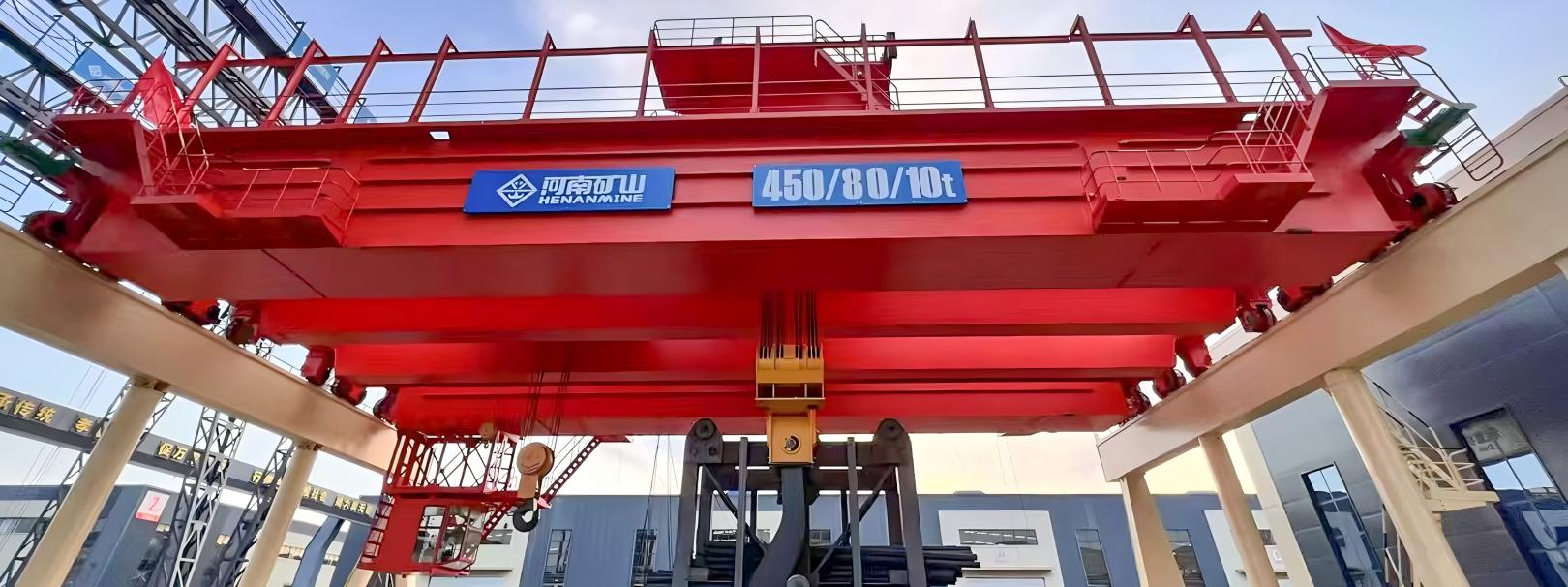
A 450 t casting crane uses a four-girder, four-rail structure and integrated safety monitoring for molten-metal handling.
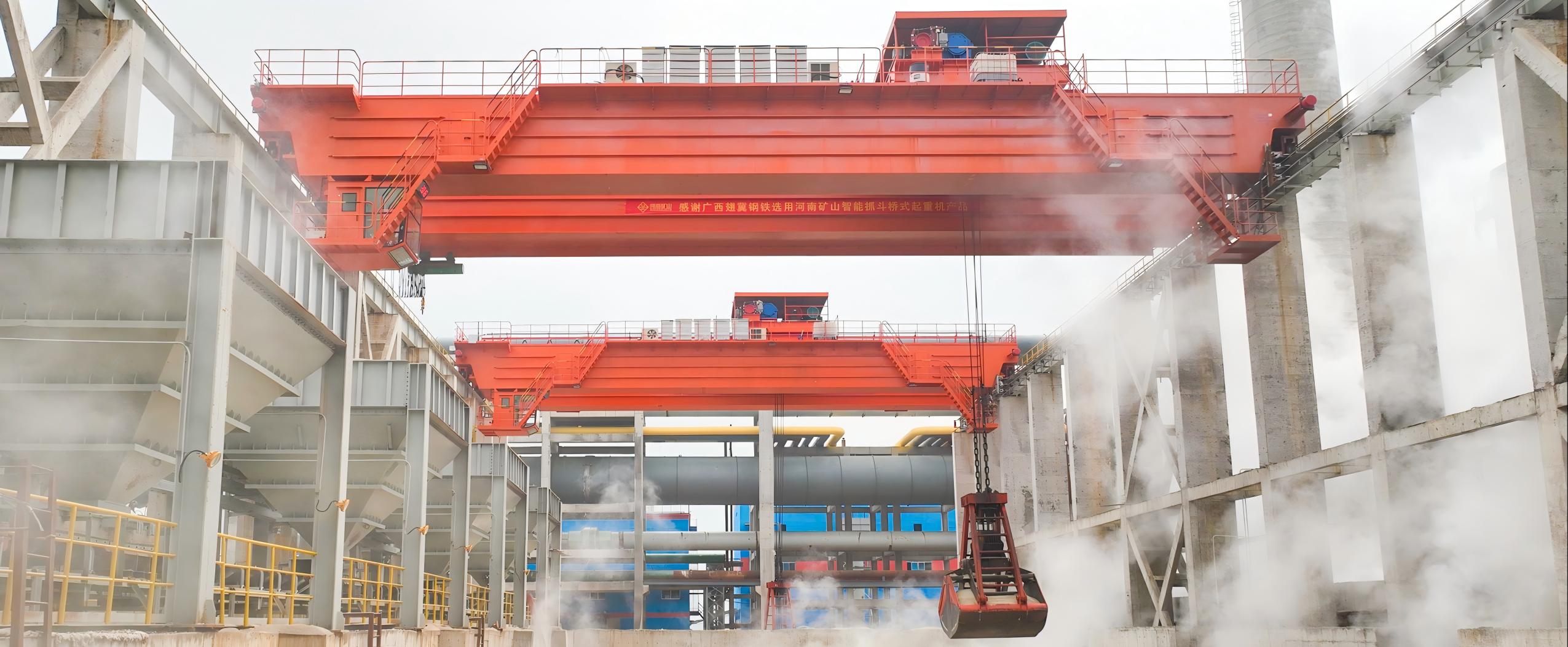
A 59-unit crane package includes four 32 t intelligent grab cranes for a 2,060 m³ blast furnace project.
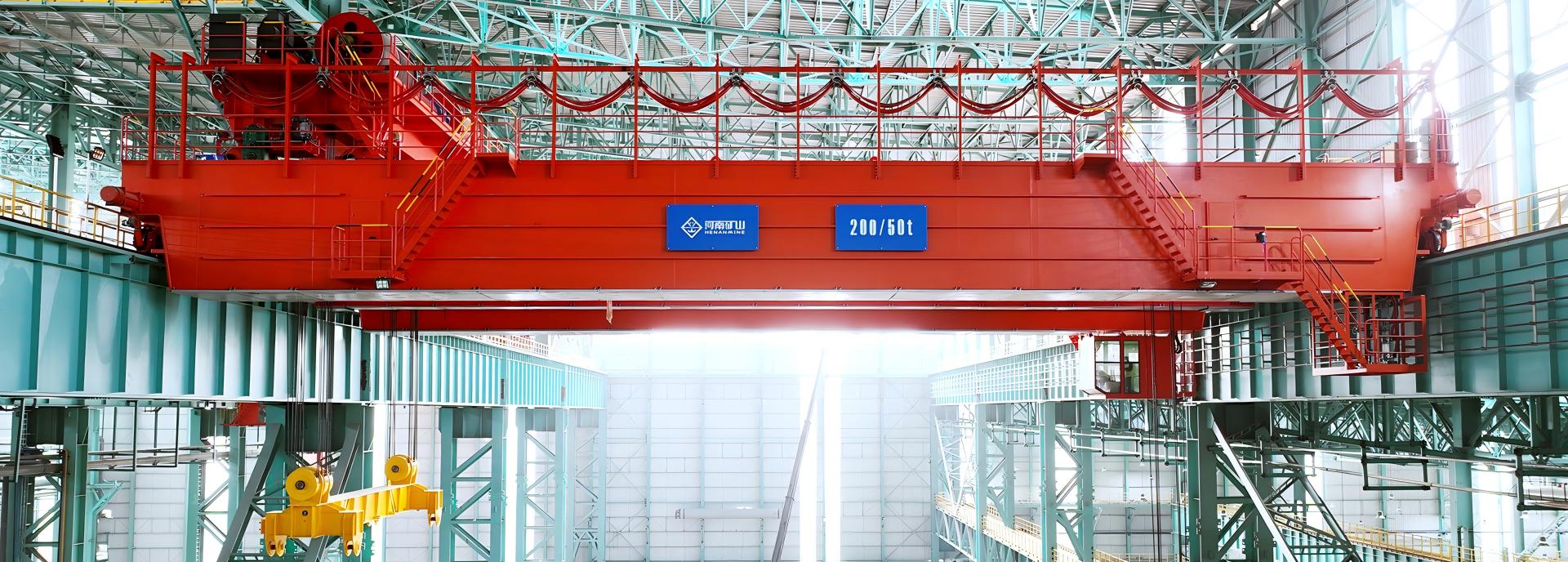
More than 30 cranes include 200 t casting equipment and rotating electromagnetic-beam cranes for a 3.2-million-tonne special-steel project.
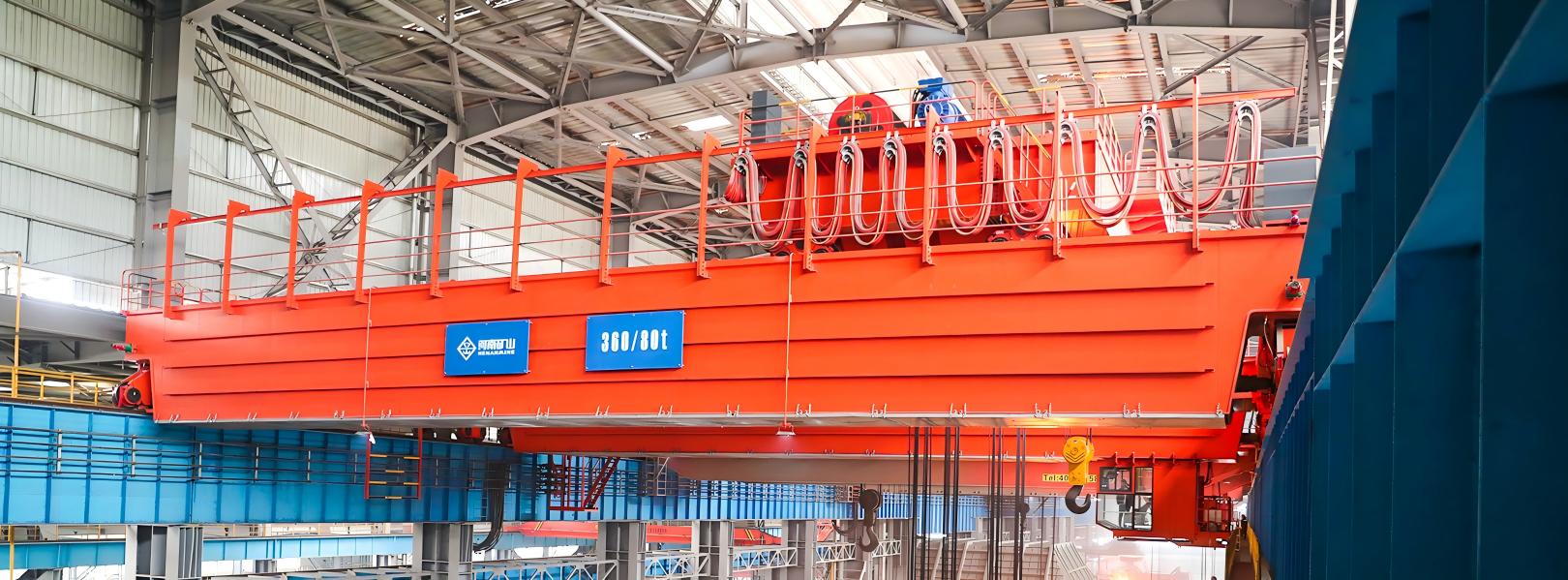
A 360 t casting crane combines whole-frame machining, redundant mechanisms and safety monitoring for heavy steelmaking lifts.
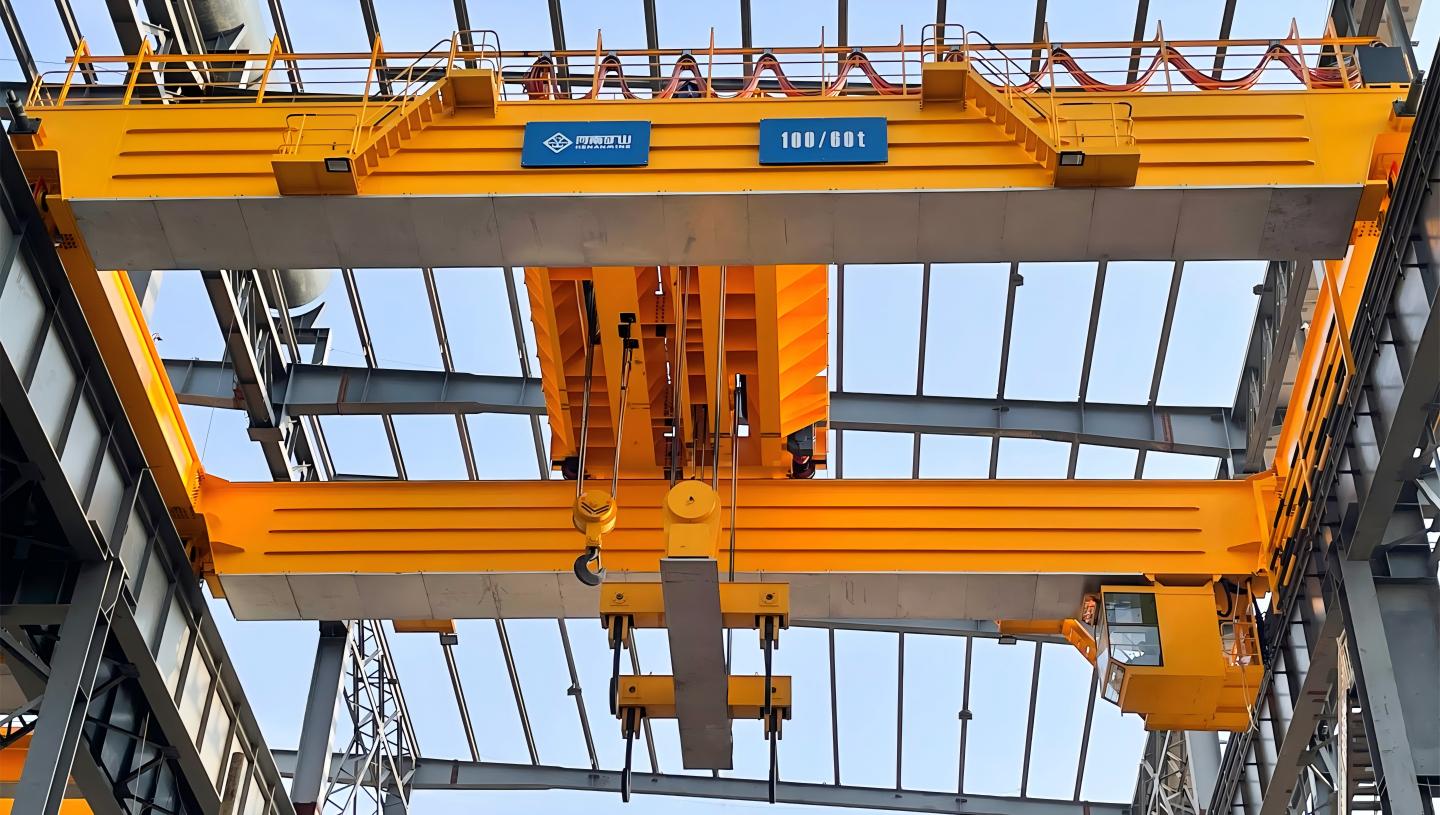
Two 200 t four-girder casting cranes supported a successful hot trial within an eight-crane heavy-lifting package.
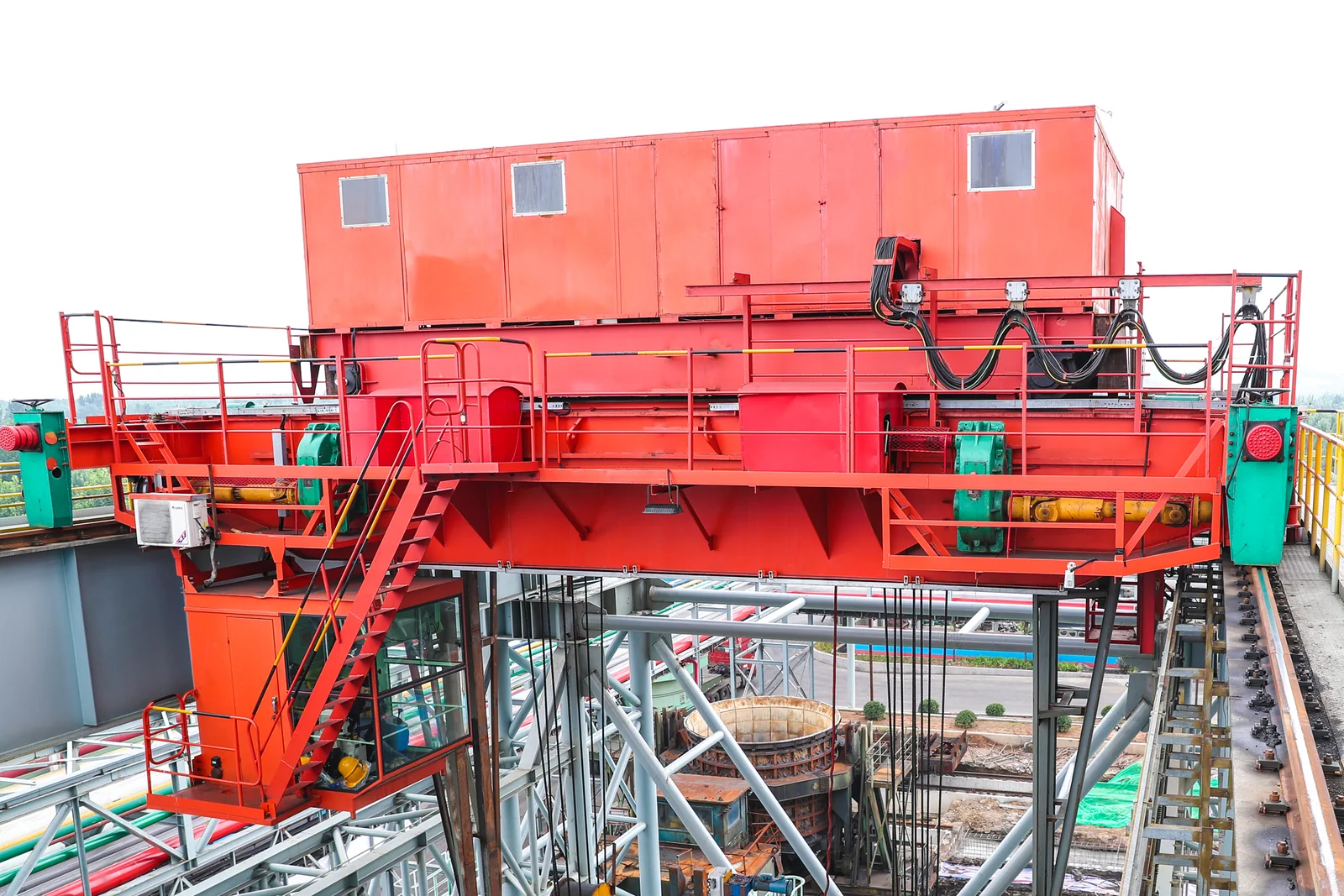
A coke pot crane built for red-hot coke conditions combines automatic positioning, video supervision and lifecycle monitoring.
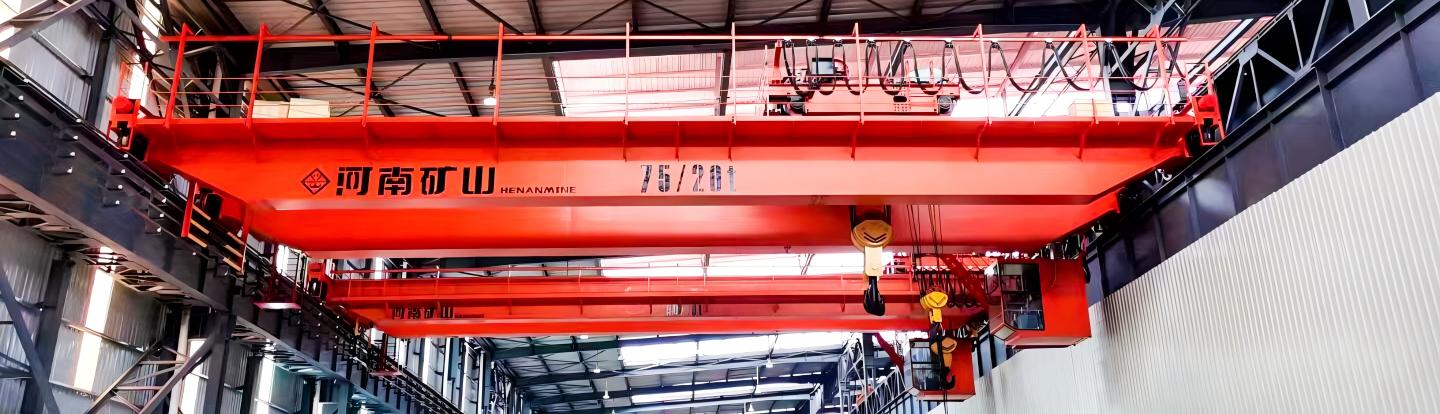
Thirty-four double-girder overhead cranes rated from 10 t to 100 t support a 4.5-million-tonne hot-rolling project.
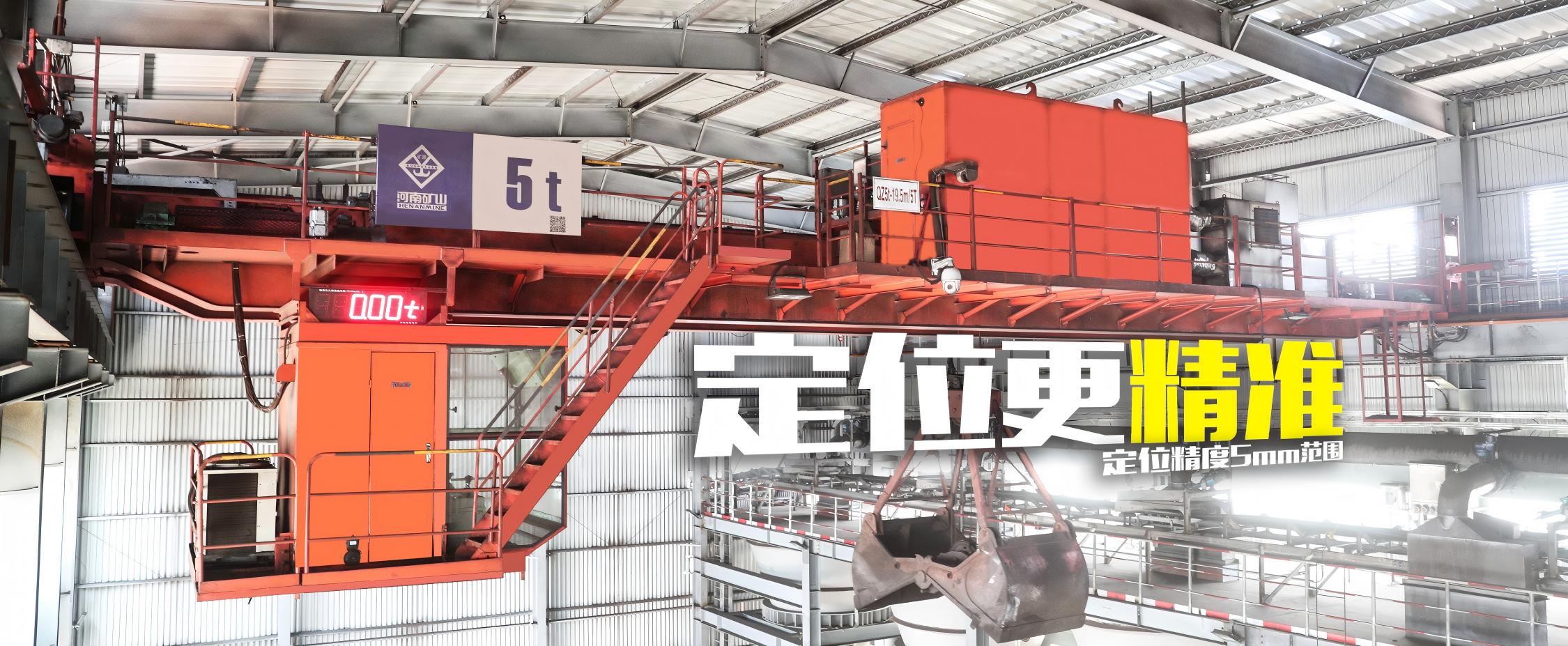
Two grab cranes use 3D scanning and automatic material recognition, with positioning and repeatability within 5 mm for the furnace project.
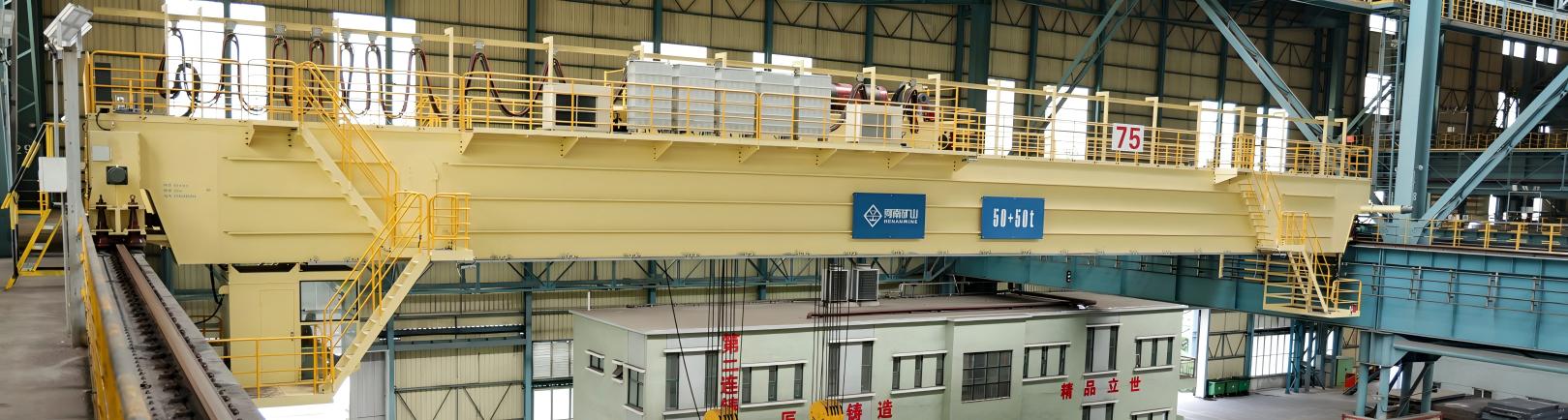
A 50+50 t slab-handling crane uses electrically adjusted clamps and monitored motion for slabs exposed to temperatures above 650°C.
A project photograph shows a reference arrangement. Your crane still needs a site-specific lifting envelope, duty, interfaces and delivery scope.
Maximum weight, rigging, pickup and placement points, travel distance and clearances.
Lifts per shift, load spectrum, temperature, wind, corrosion and protected-area classification.
Runway or rail, power feed, lifting attachment, controls, automation and emergency recovery.
Manufacturing documents, inspection, shipping limits, erection, testing, training and service.
Share drawings, loads, operating cycle and destination. We will review the technical configuration and delivery boundaries with you.