360 t Casting Crane for Luzhou Xinyang Vanadium-Titanium Steel
A 360 t casting crane combines whole-frame machining, redundant mechanisms and safety monitoring for heavy steelmaking lifts.
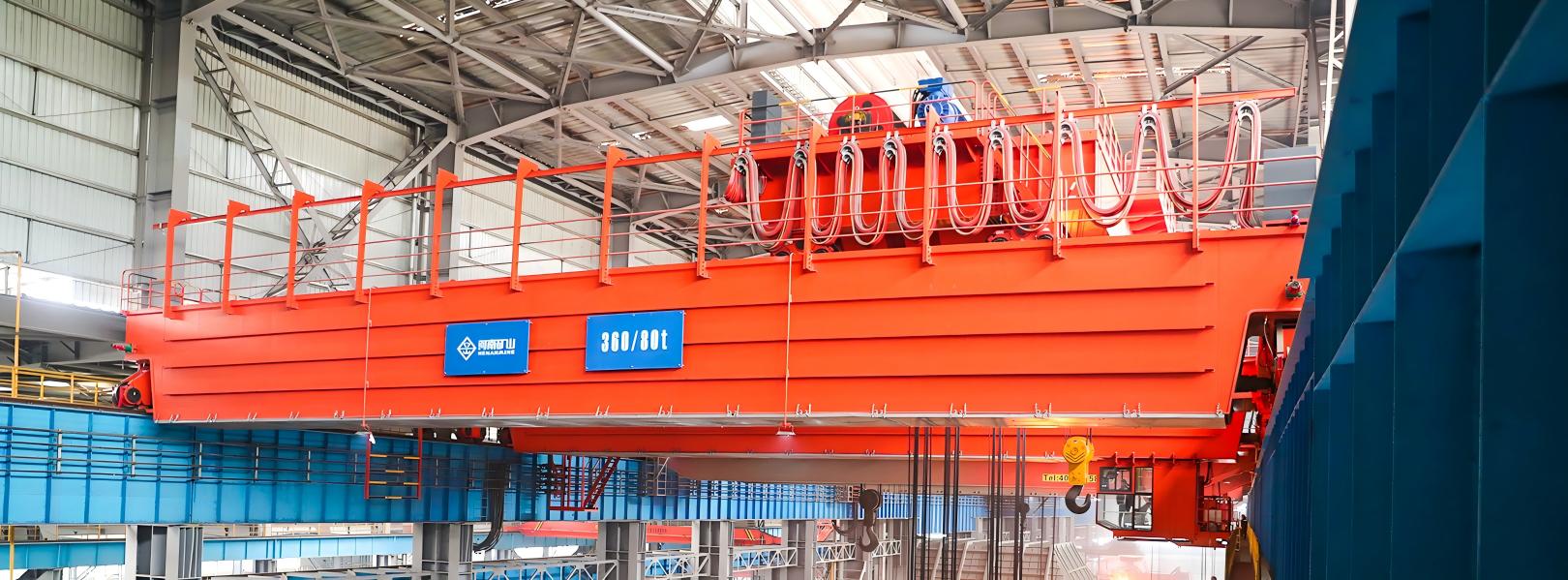
The project and its handling task.
Luzhou Xinyang Vanadium-Titanium Steel put the 360 t casting crane into production service at a steel plant with a stated two-million-tonne production capacity. The crane handles a high-consequence lifting duty within the steelmaking process.
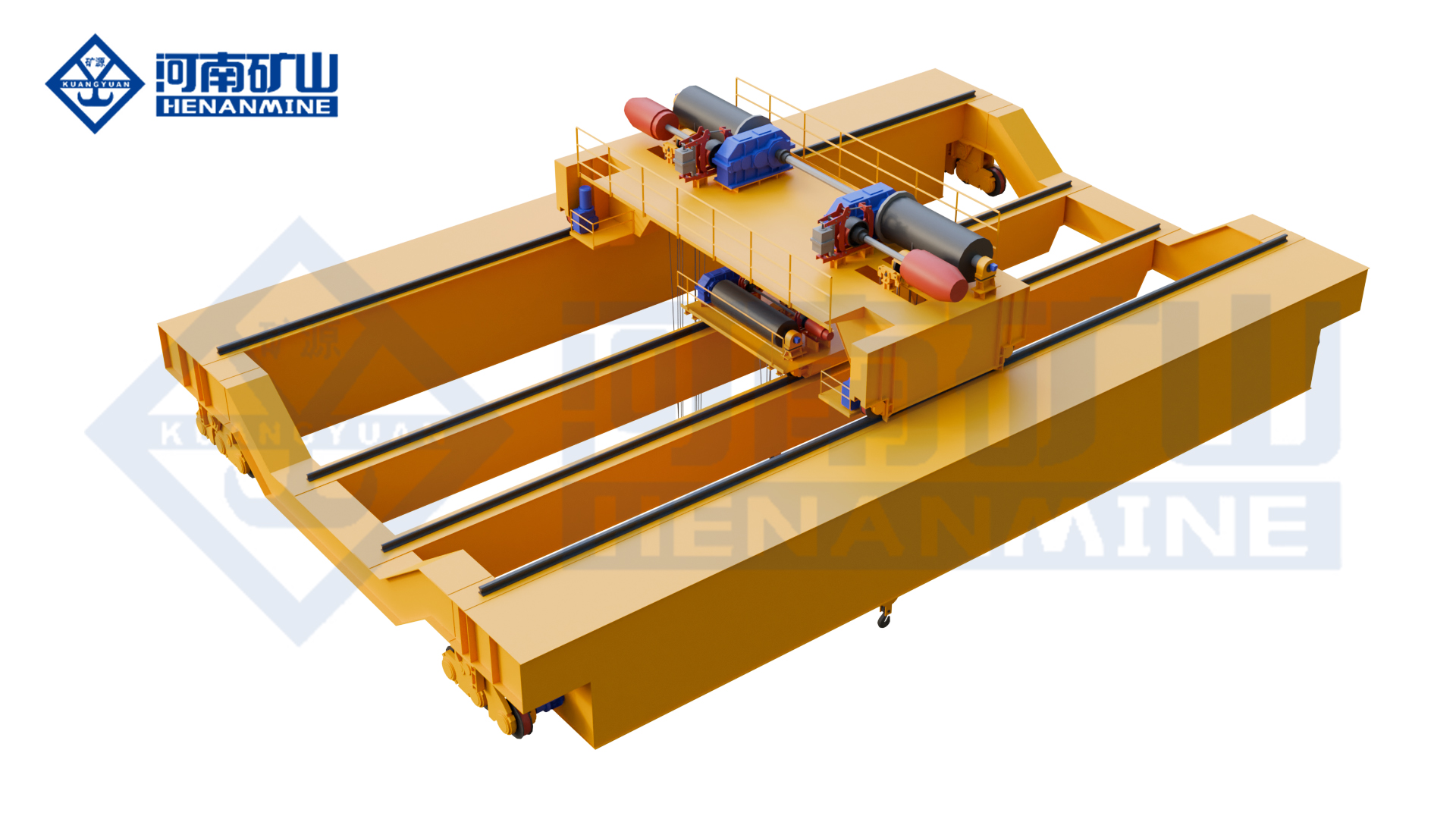
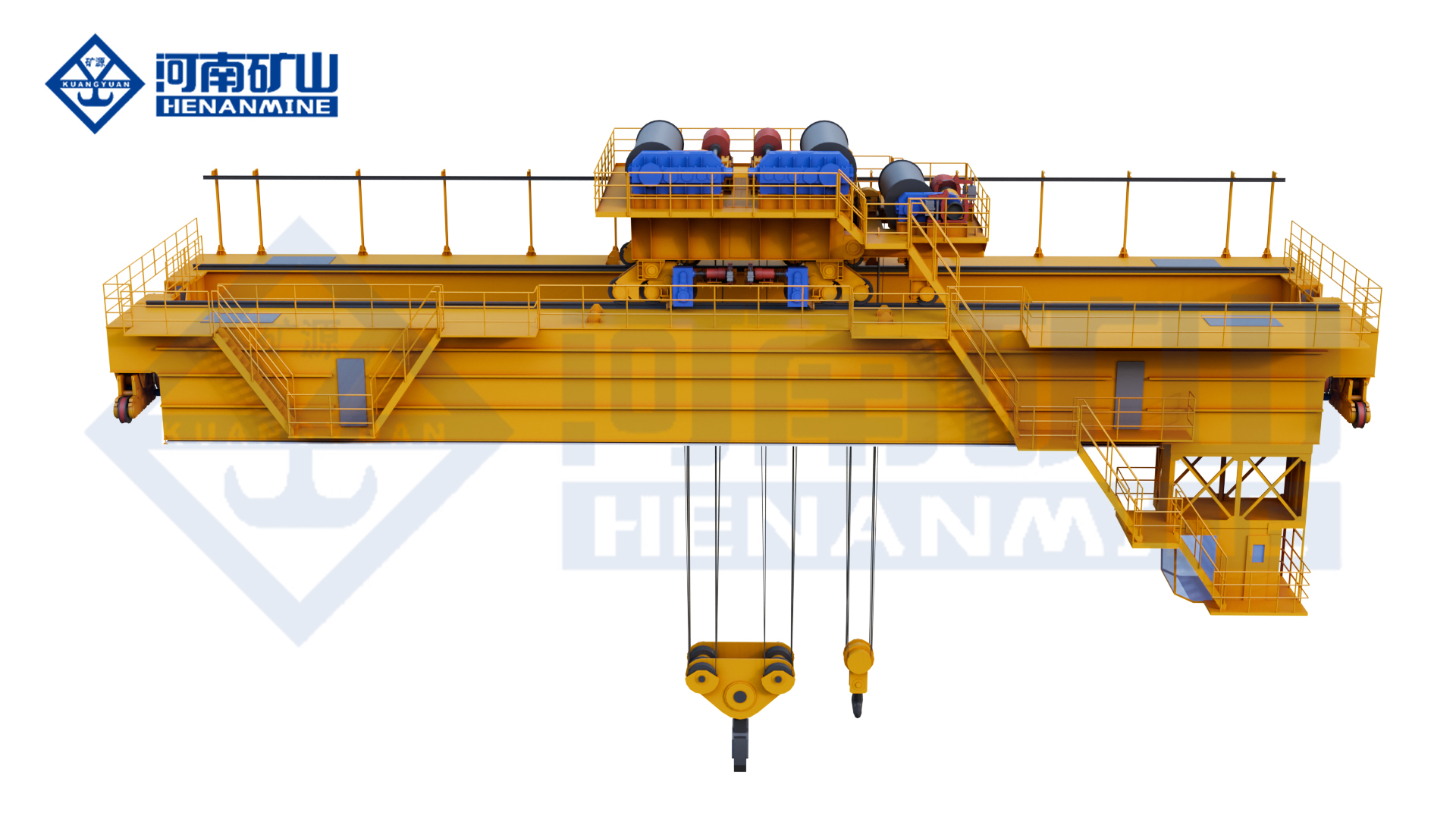
The bridge and trolley frames were machined as complete assemblies using large manufacturing equipment. Digital thyristor stator voltage regulation and variable-frequency speed control form part of the drive arrangements. Fault self-diagnosis and precise positioning support operation, with redundant mechanism design and safety monitoring.
Make high-capacity ladle travel smooth and inspectable.
A 360 t ladle lift places high demands on bridge alignment, drive control and availability during steel production.
Include the filled ladle and all lifting gear in the capacity basis.
Plan slow-speed positioning near the furnace and pouring stations.
Use monitoring and diagnostic information to support maintenance decisions.
Use monitoring and diagnostic information to support maintenance decisions.
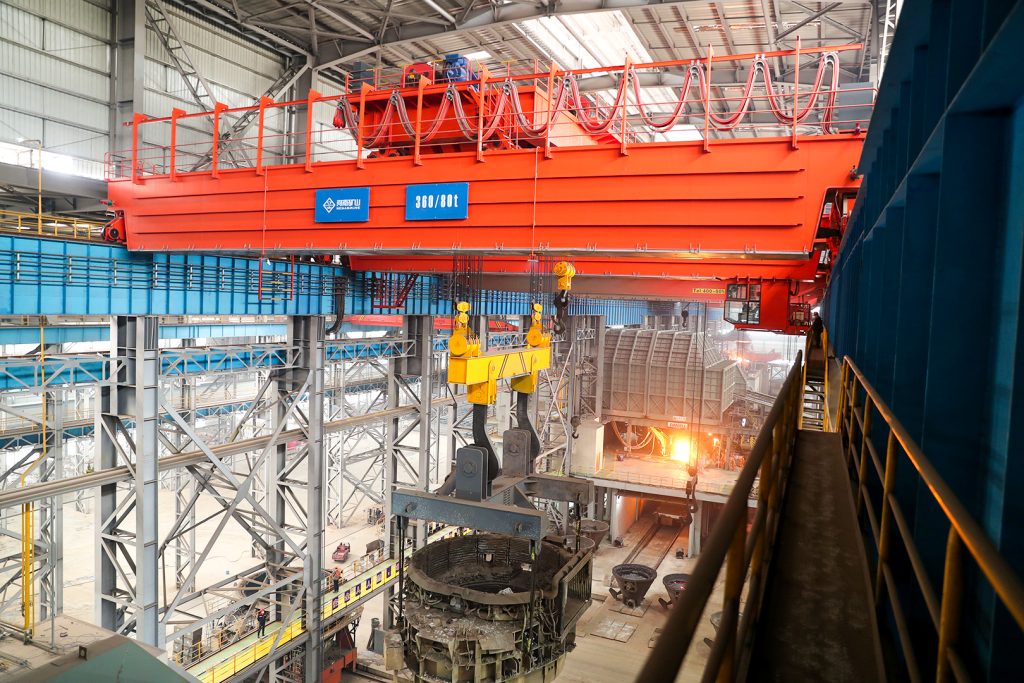
The equipment behind this project.
The bridge and trolley frames were machined as complete assemblies using large manufacturing equipment. Digital thyristor stator voltage regulation and variable-frequency speed control form part of the drive arrangements. Fault self-diagnosis and precise positioning support operation, with redundant mechanism design and safety monitoring.
- Rated capacity360 t
- Structural manufactureWhole bridge-frame and trolley-frame machining
- Drive arrangementsDigital thyristor voltage regulation and variable-frequency speed control
- ProtectionRedundant mechanisms and safety monitoring
- Plant contextTwo-million-tonne steel production capacity
What to compare with your own project.
Match the project configuration to your load, layout and operating sequence before selecting a crane package.
| Design area | This project configuration | Define for your site |
|---|---|---|
| Rated capacity | 360 t | Filled ladle and beam mass. Define the required operating envelope and acceptance checks in your technical brief. |
| Structural manufacture | Whole bridge-frame and trolley-frame machining | Span and route drawings. Define the required operating envelope and acceptance checks in your technical brief. |
| Drive arrangements | Digital thyristor voltage regulation and variable-frequency speed control | Production duty and downtime target. Define the required operating envelope and acceptance checks in your technical brief. |
| Protection | Redundant mechanisms and safety monitoring | Drive, monitoring and redundancy scope. Define the required operating envelope and acceptance checks in your technical brief. |
| Plant context | Two-million-tonne steel production capacity | Filled ladle and beam mass. Define the required operating envelope and acceptance checks in your technical brief. |
See the equipment and working environment.
Explore the equipment arrangement and handling environment.
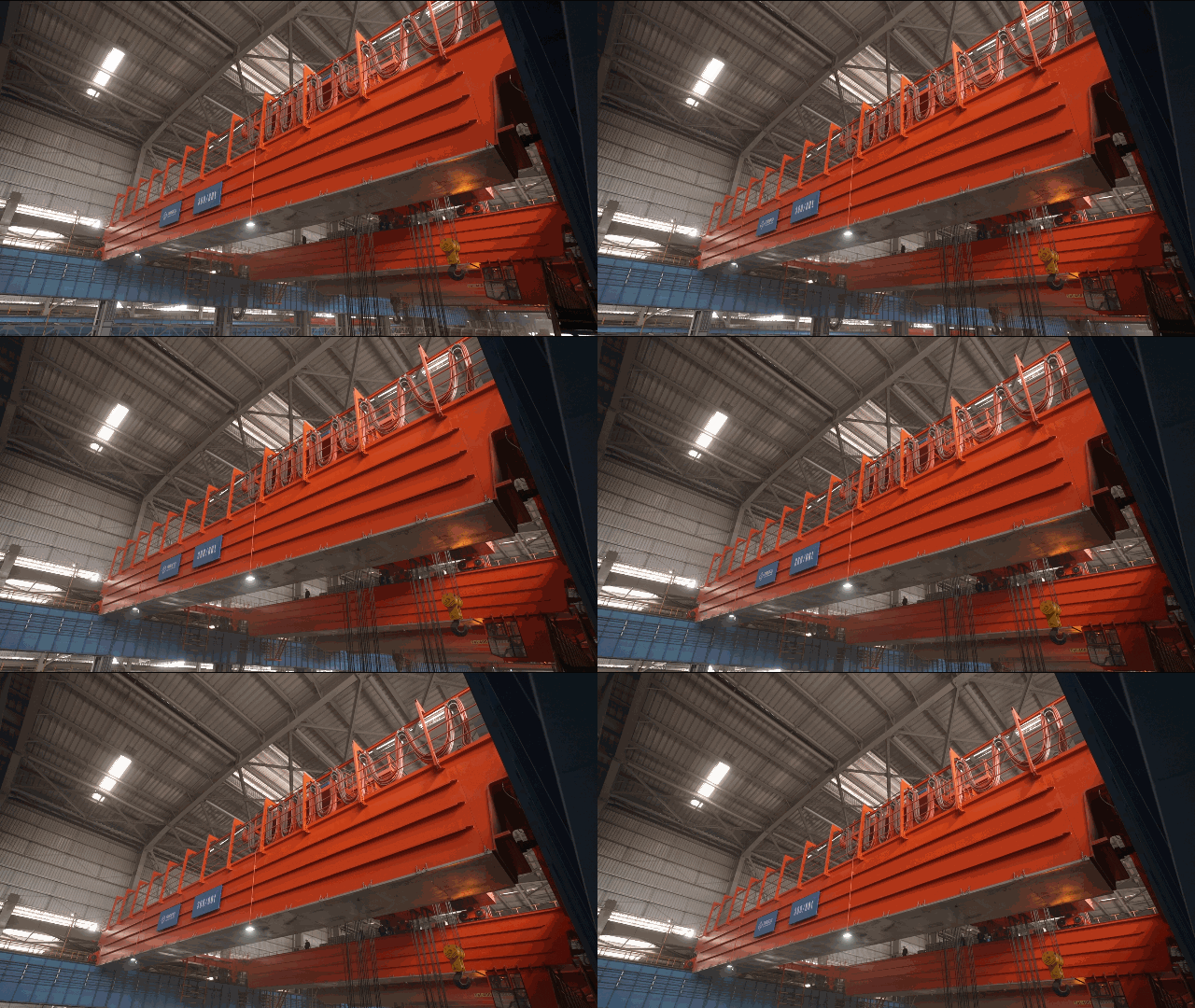
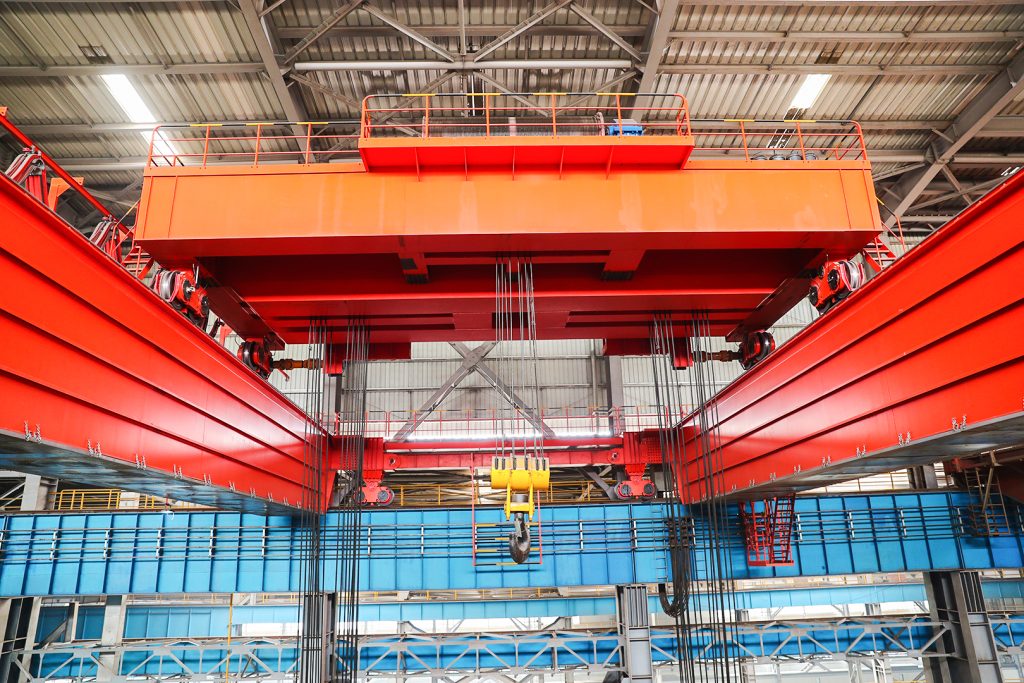
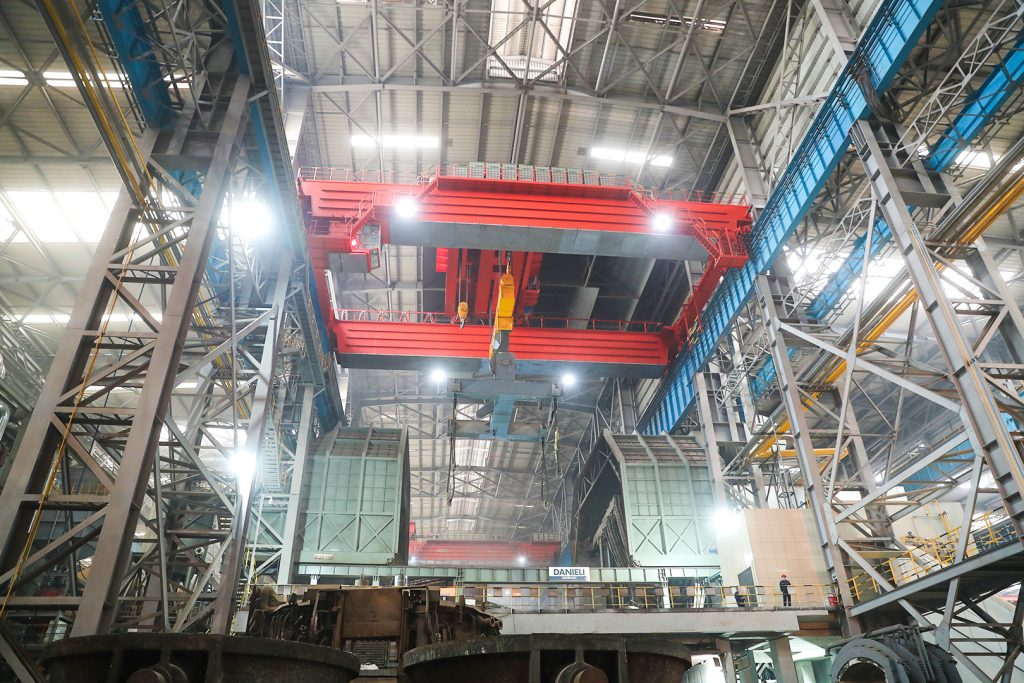
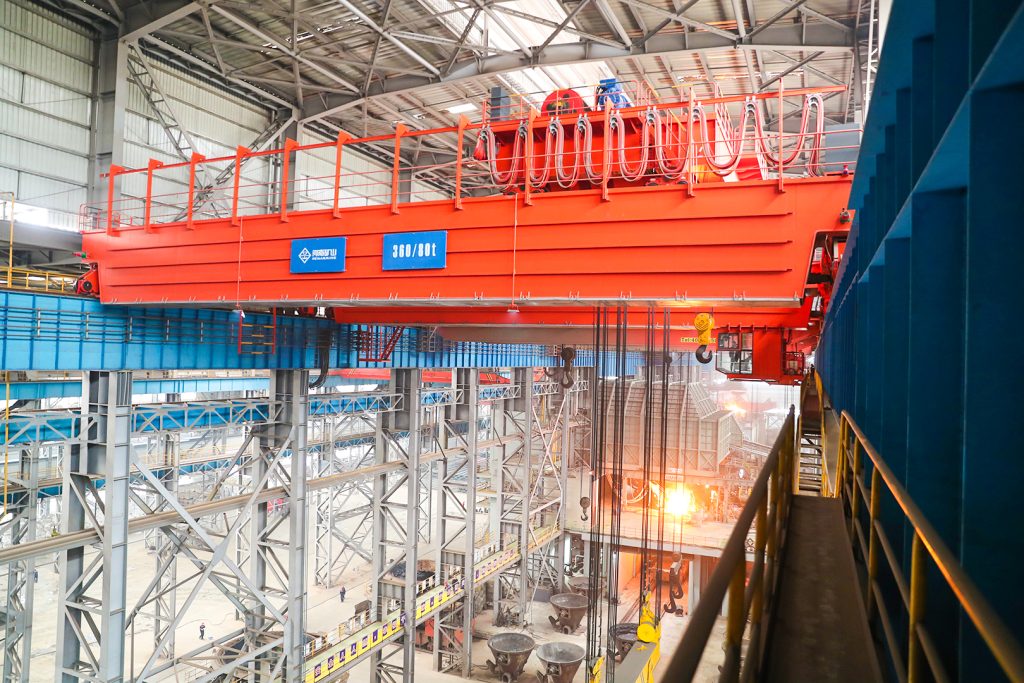
In production service.
The crane entered production use at the Luzhou steel plant. Its mechanical accuracy, controlled drives and redundant arrangements address the reliability demands of heavy casting-crane service.
For a similar project, use a casting-crane arrangement designed around the filled ladle, production route and runway. Coordinate bridge fabrication accuracy, controlled acceleration, fault diagnosis and redundant mechanisms so the lifting sequence can be operated and maintained reliably.
Continue from the project to the right crane family.
Use the project as a reference and specify the crane against your own yard layout and cargo.
Prepare a comparable crane quotation.
Share the load schedule and site drawings. Use a casting-crane arrangement designed around the filled ladle, production route and runway. Coordinate bridge fabrication accuracy, controlled acceleration, fault diagnosis and redundant mechanisms so the lifting sequence can be operated and maintained reliably.
We can quote a single crane or a coordinated fleet. The offer sets out the destination standards, required certificates and inspection records, manufacturing programme after drawing approval, shipment, installation support and agreed acceptance scope.
- Filled ladle and beam mass
- Span and route drawings
- Production duty and downtime target
- Drive, monitoring and redundancy scope
- Destination standards, quantity and inspection documentation
- Manufacturing programme, shipment, commissioning, training and spares
Questions before specifying a similar crane.
Can the same project crane be supplied for my site?
We customize the capacity, span, lifting height, attachment and controls to the load, building or yard layout and operating cycle. Filled ladle and beam mass is one of the inputs to review before final equipment selection.
How are certification, quantity and lead time agreed?
Single-crane and fleet enquiries are welcome. Define the destination and required standards in the enquiry. The project offer confirms certification and inspection documents, the quantity, drawing approval and manufacturing schedule, with the shipping and site-service boundaries.
What should acceptance and after-sales support include?
Agree the inspection plan, representative load and functional tests, operator training, maintenance instructions, spare-parts scope and fault-recovery procedures. For this application, include drive, monitoring and redundancy scope in the technical review.
Planning a similar lifting project?
Send your layout, load and operating requirements. We can develop a customized crane package and delivery scope for your site.