Semiconductor and materials production
Handle process tooling, equipment parts and carriers in controlled production rooms. Define particle limits, permissible materials and the hazardous medium alongside the lifting duty.
Bridge cranes for workshops and production lines.
Explore Overhead Cranes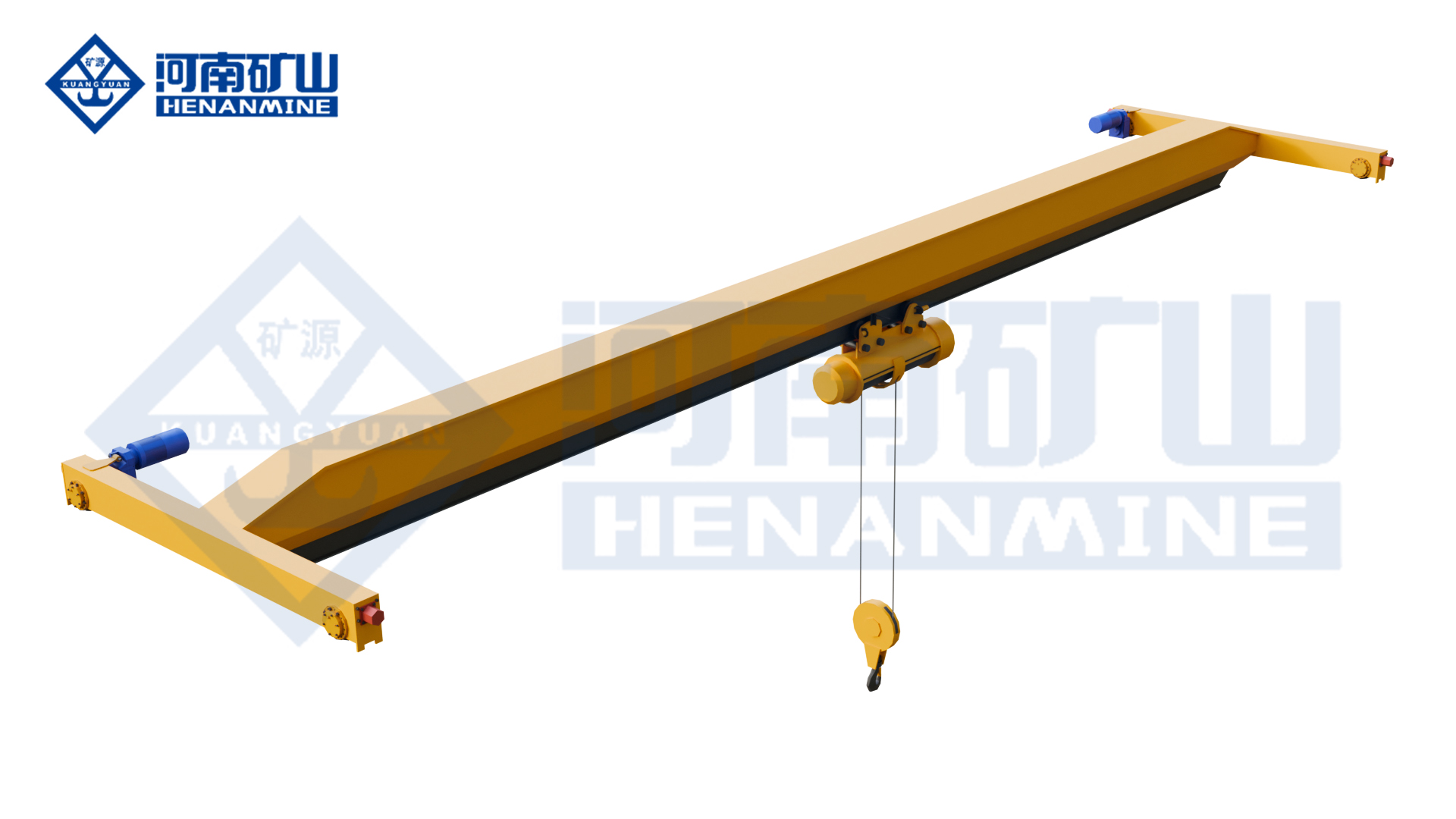
Ground-supported lifting for yards and construction.
Explore Gantry Cranes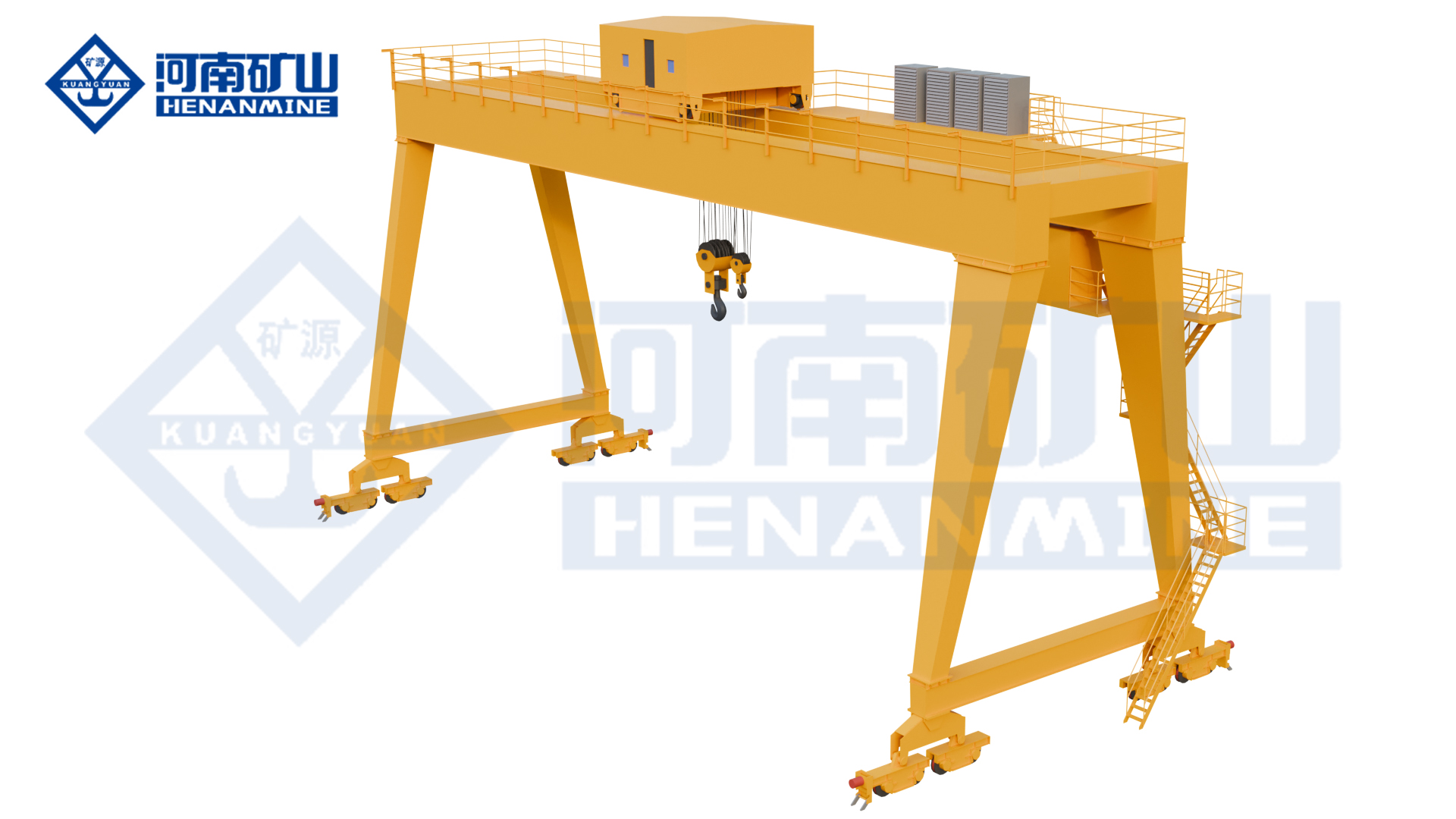
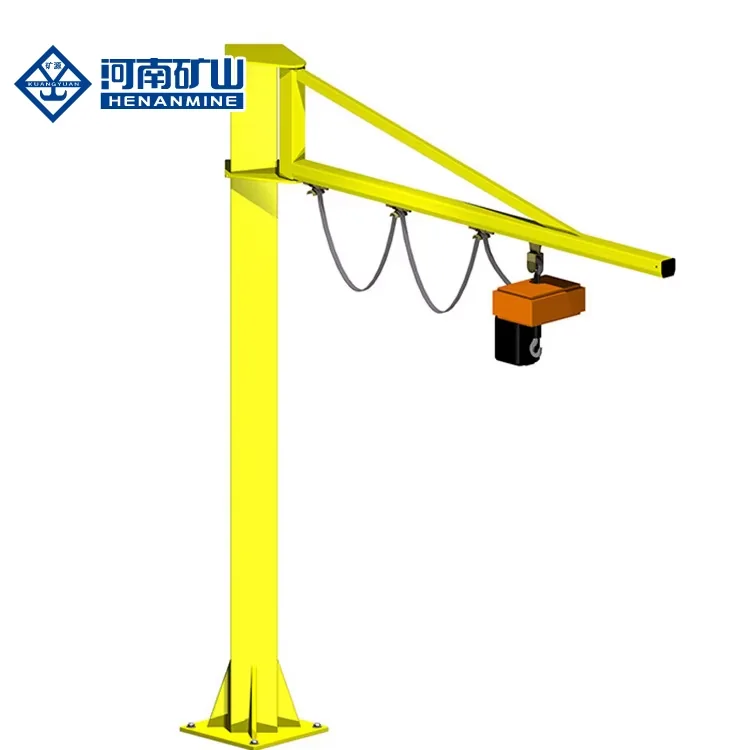
Wire rope and chain hoists for lifting points and cranes.
Explore Electric Hoists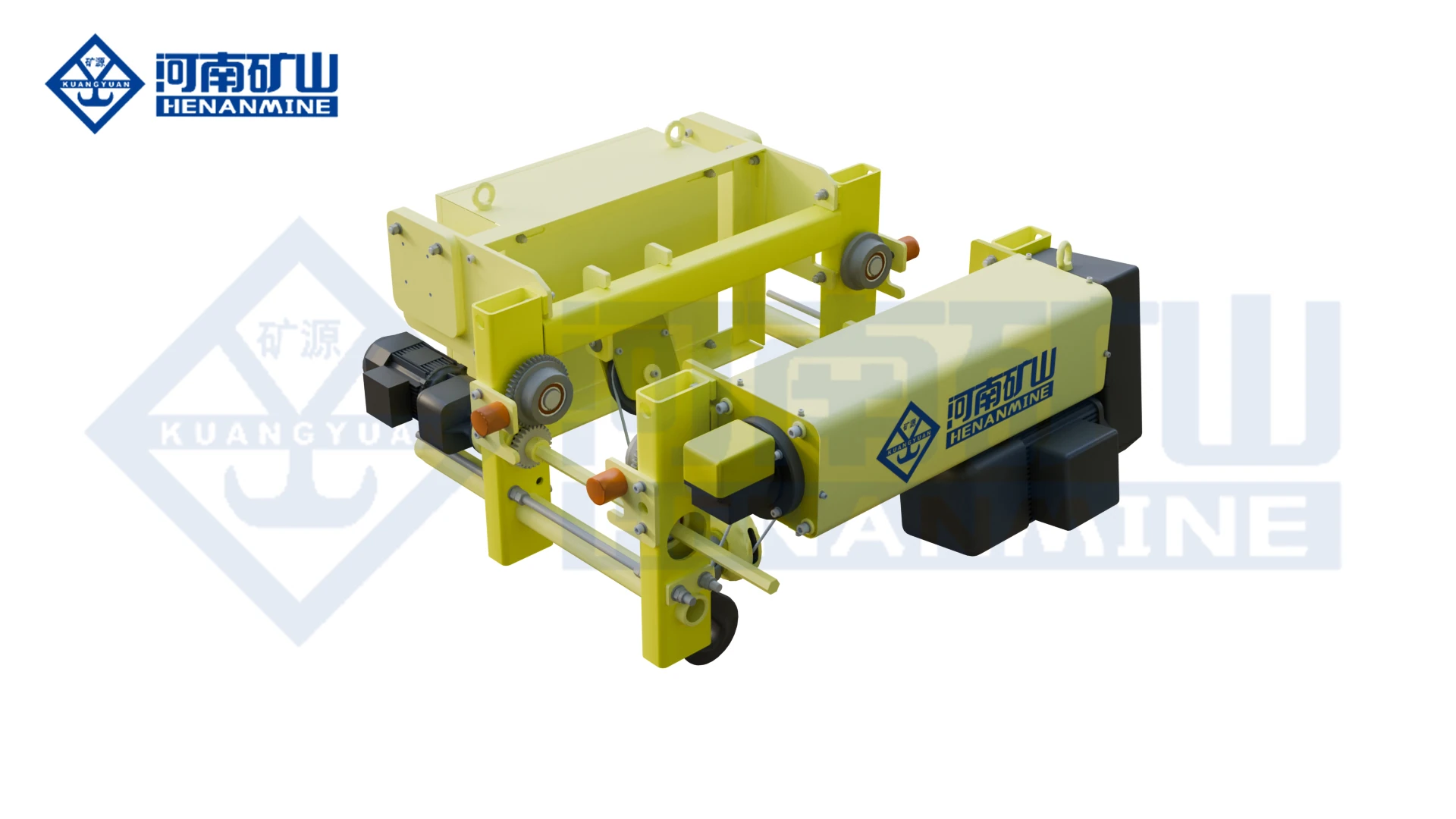
Wire rope lifting and pulling with a powered drum.
Explore Electric Winches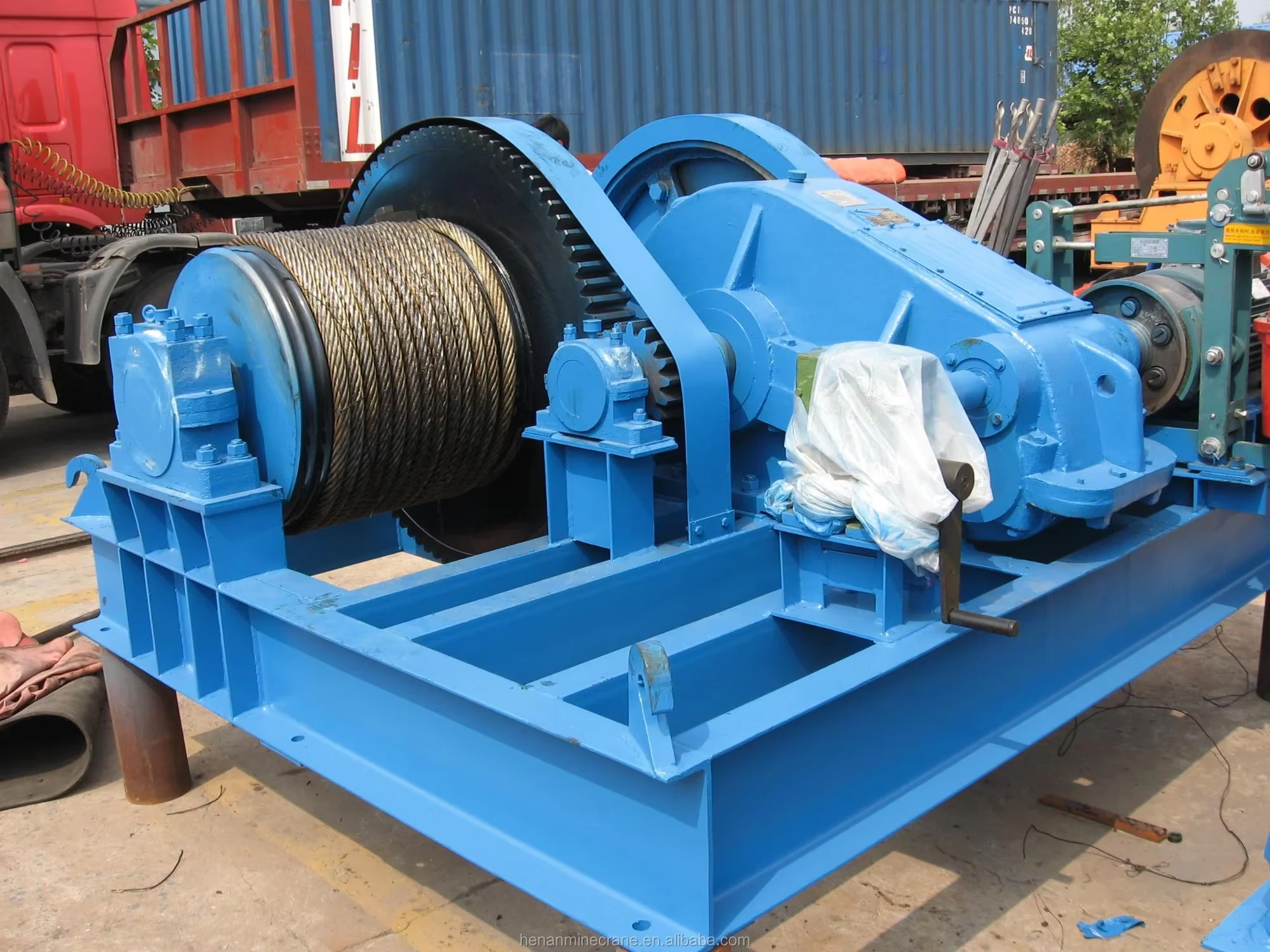
Grab buckets, magnets and hooks for your load.
Explore Lifting Attachments & Grabs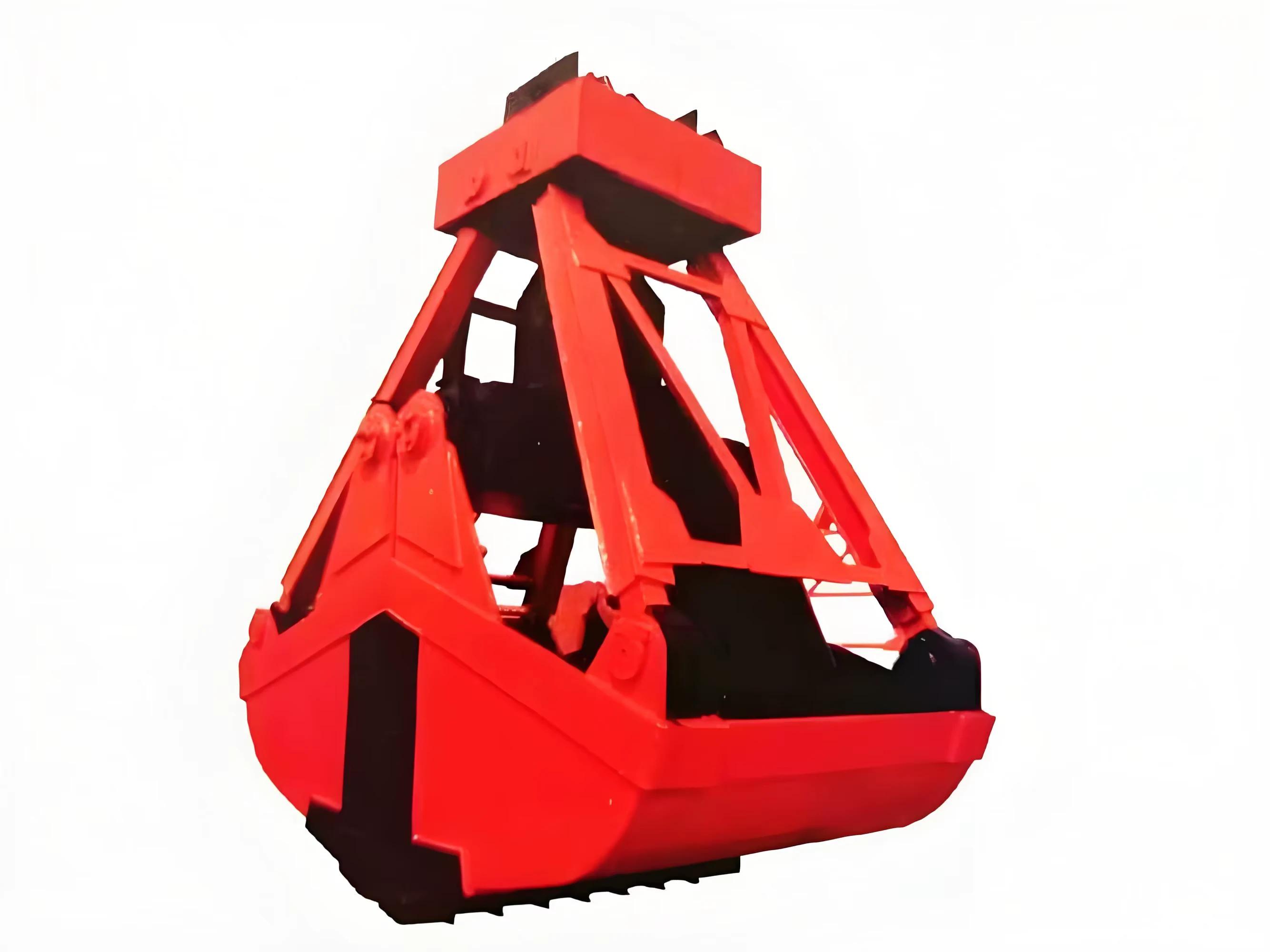
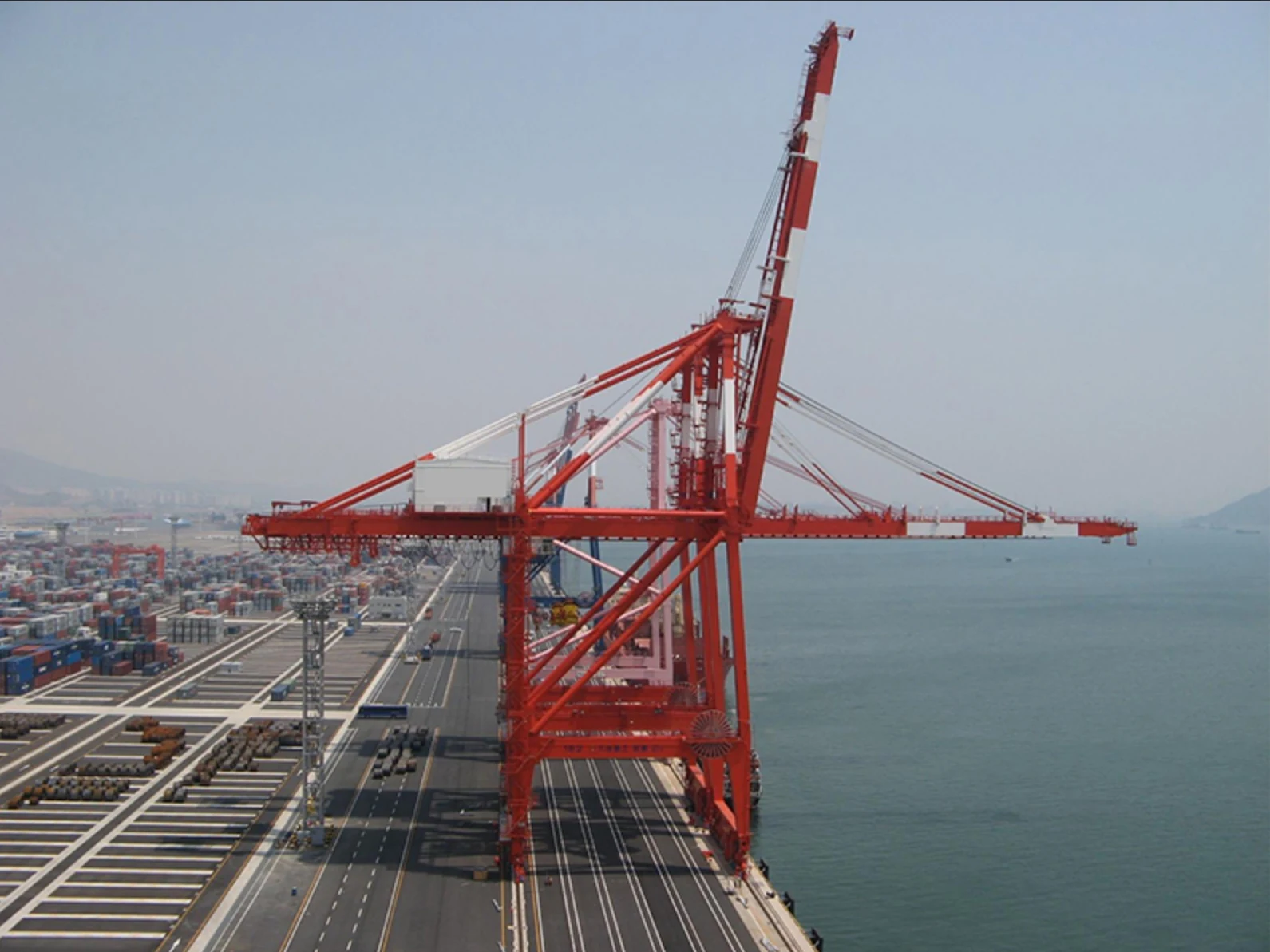
Mobile handling for containers, precast and yard loads.
Explore Rubber-Tired Gantry Cranes & Straddle Carriers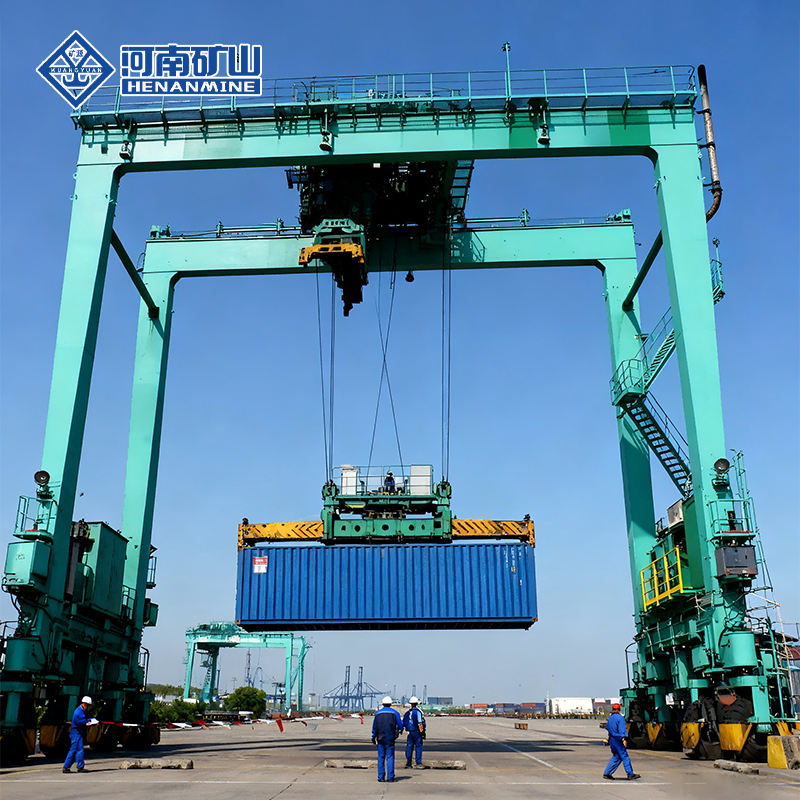
Lift and move vessels through boatyards and marinas.
Explore Marine Travel Lifts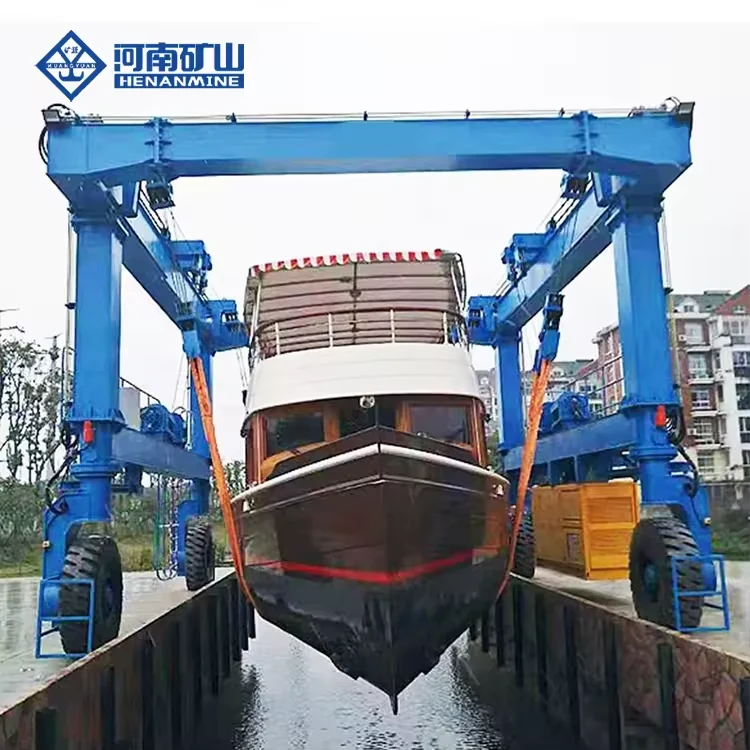
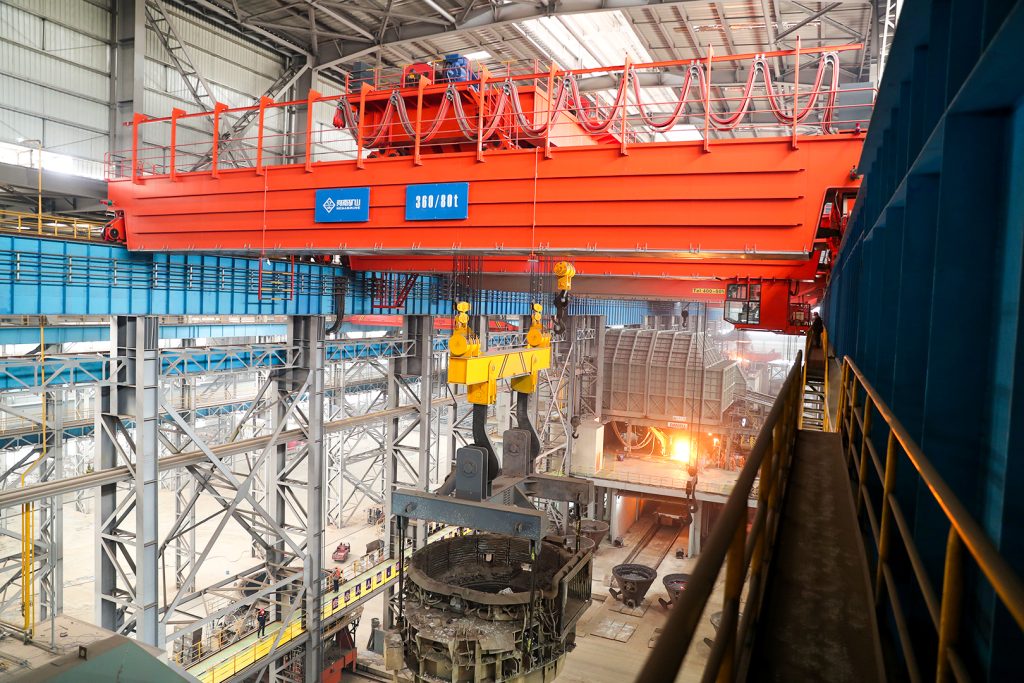
Ladle, slab, scrap and coil handling across steel production.
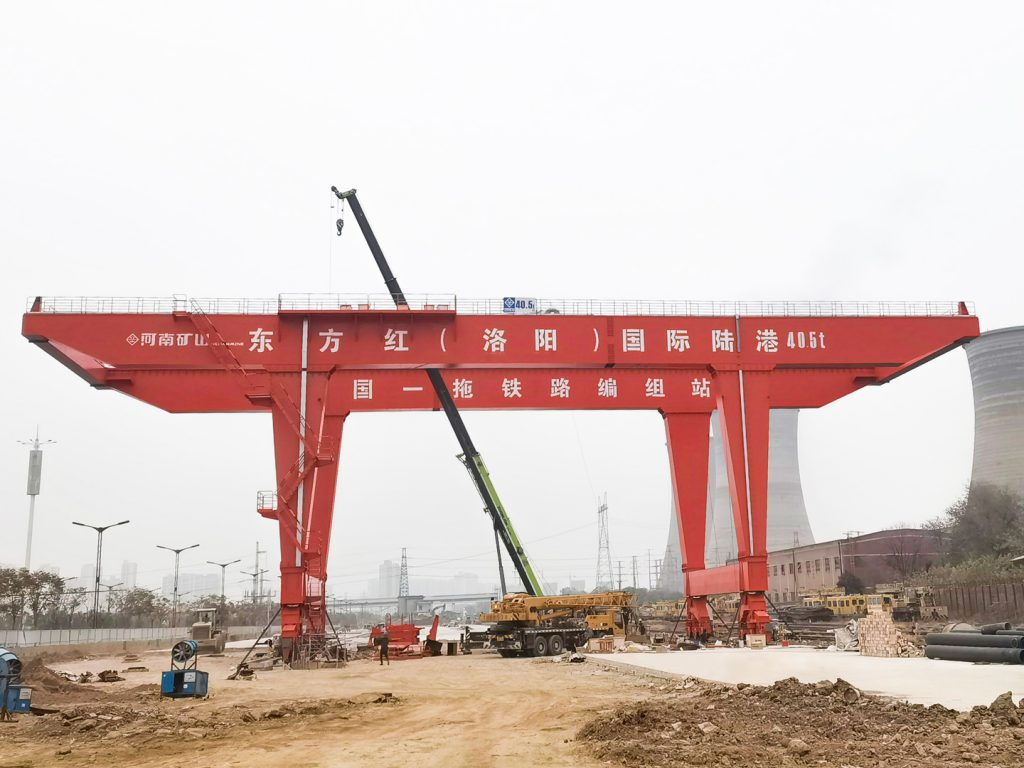
Container stacking and cargo transfers across terminals and rail.
Turbine installation, powerhouse maintenance and wind equipment assembly.
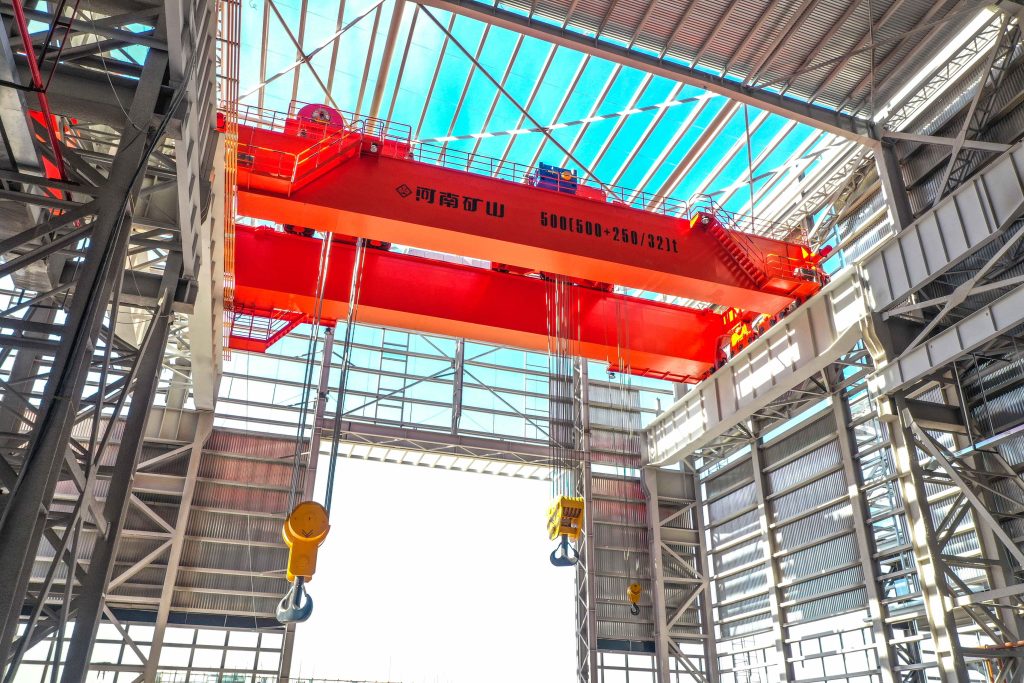
Controlled component transfer and positioning for precision assembly.
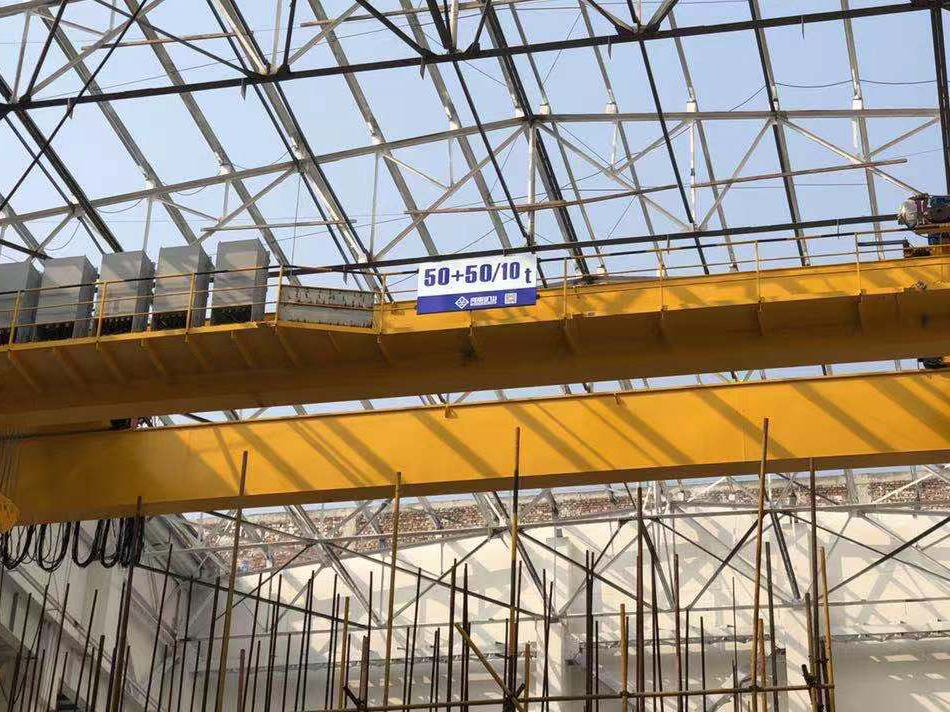
Heavy fabrication, production lifting and factory crane automation.
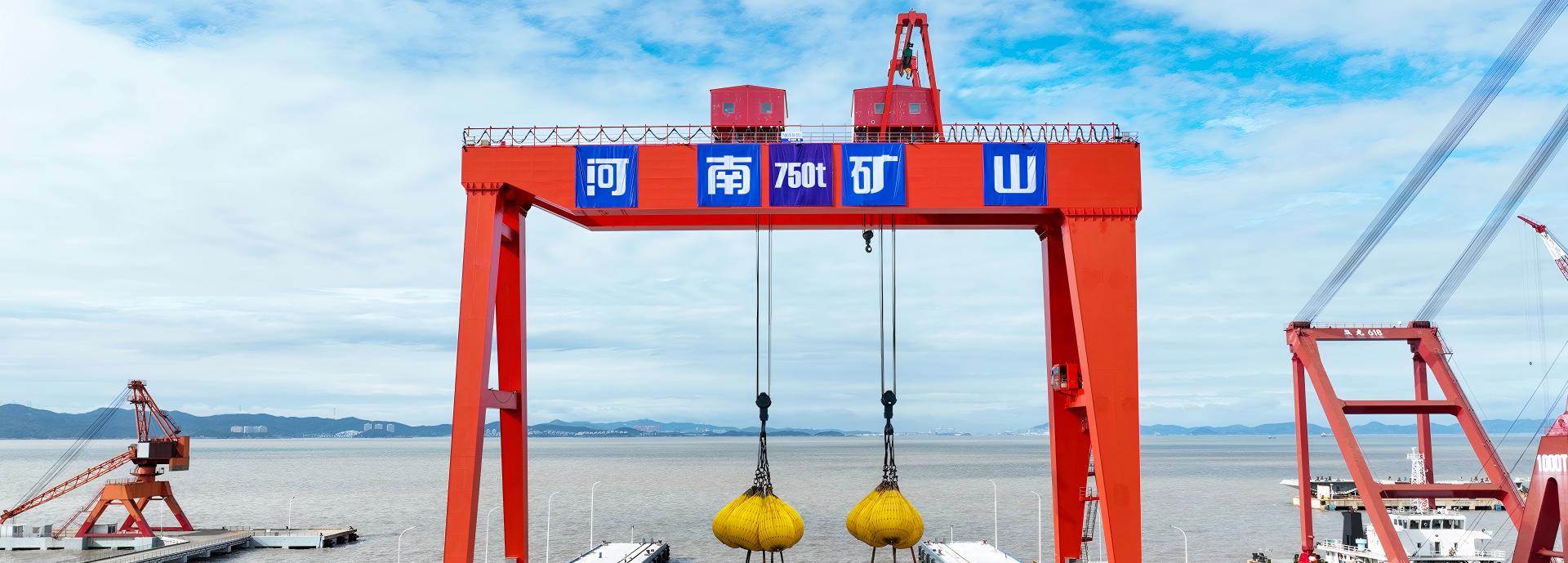
Process lifting for smelters, carbon blocks and anode materials.
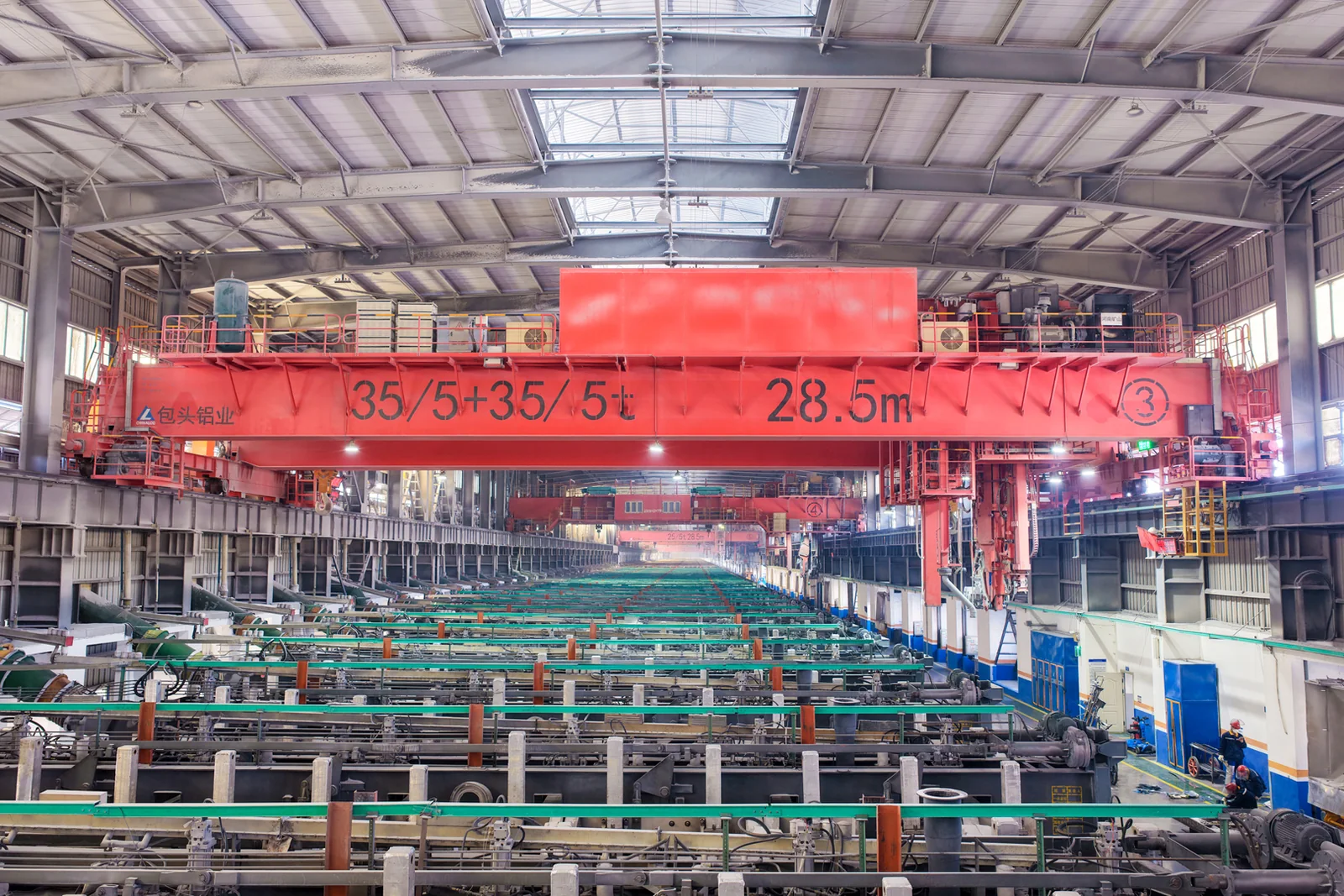
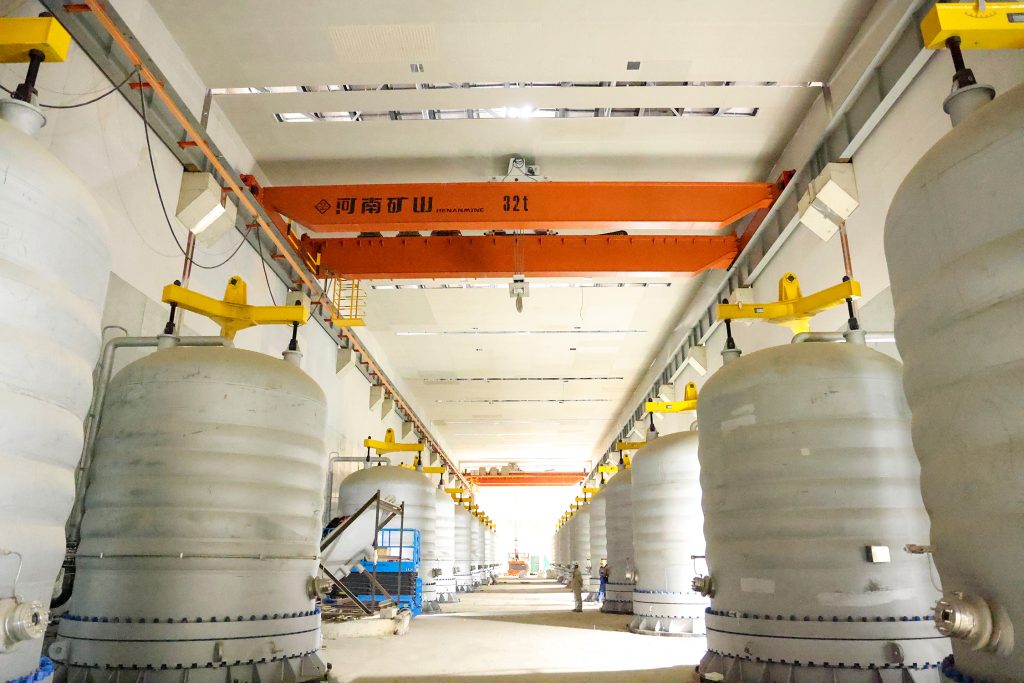
Clean lifting and classified protection for sensitive process areas.
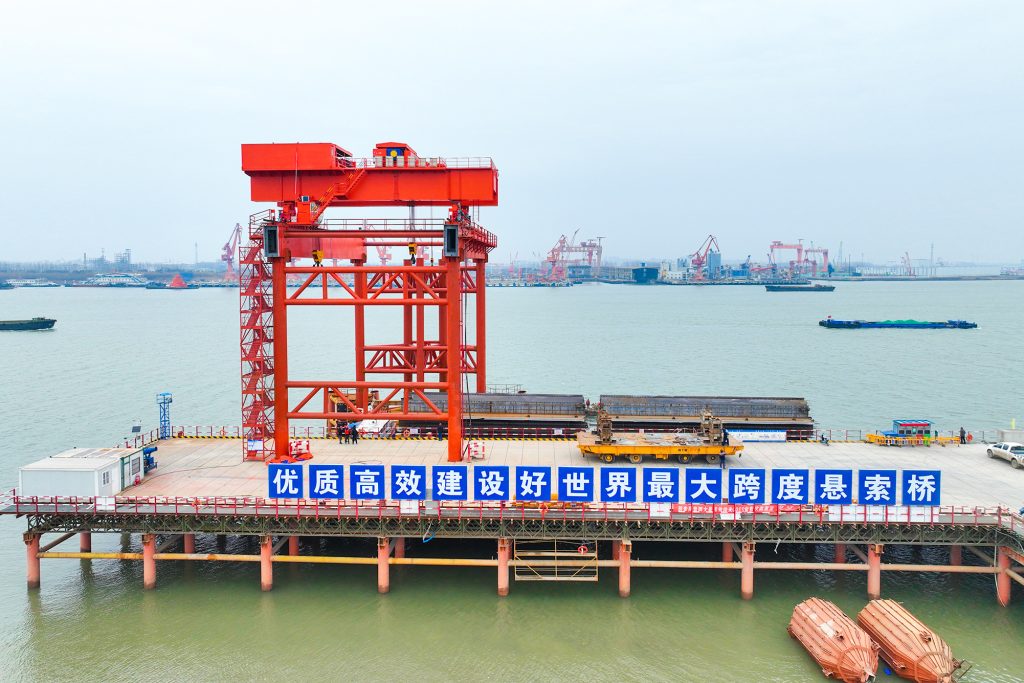
Bridge fabrication, metro construction and ship block assembly.
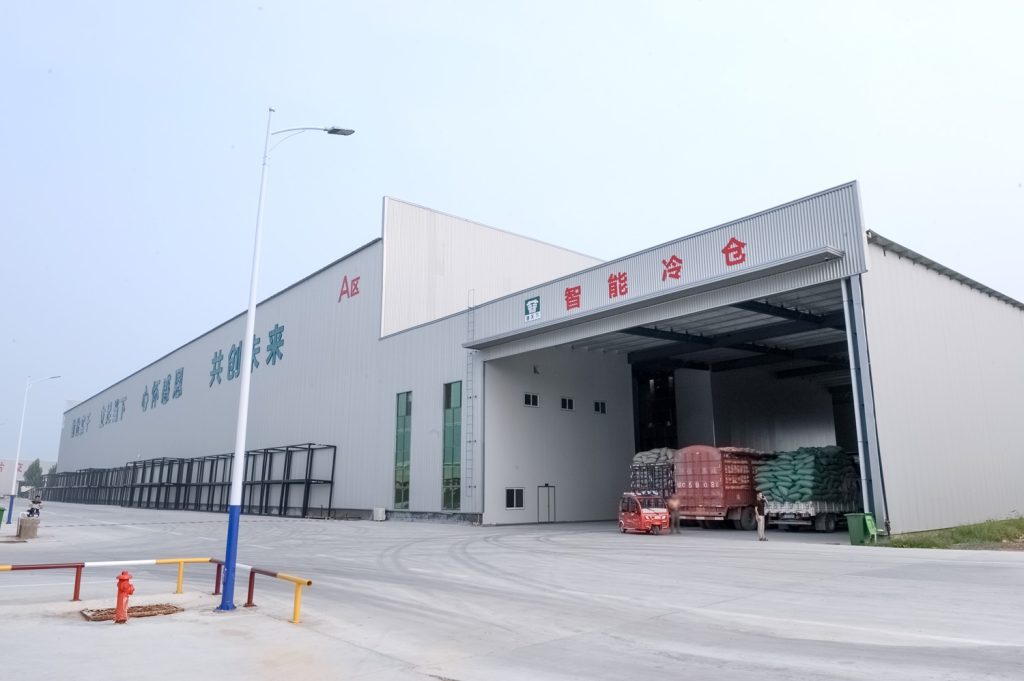
Automated storage and retrieval for plates, cables and bins.
Follow project dispatches, crane engineering and factory acceptance.
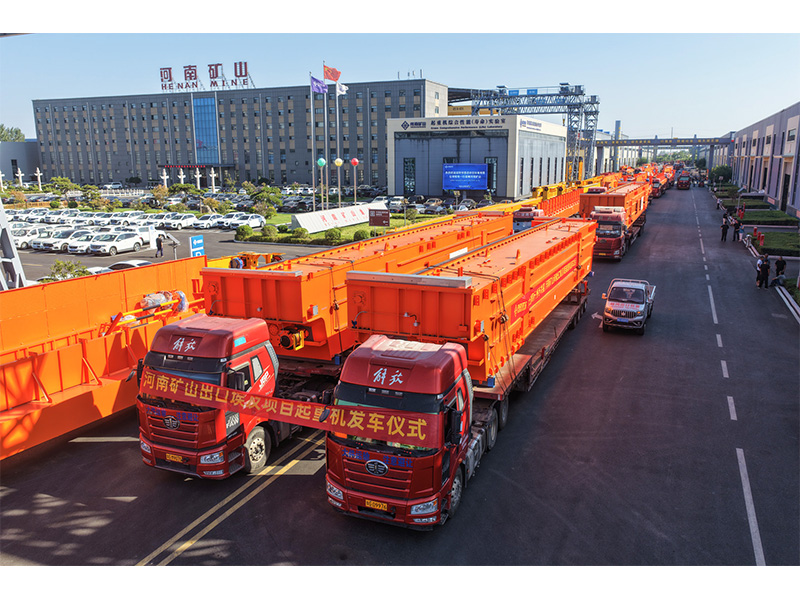
Dispatch, installation and equipment in service
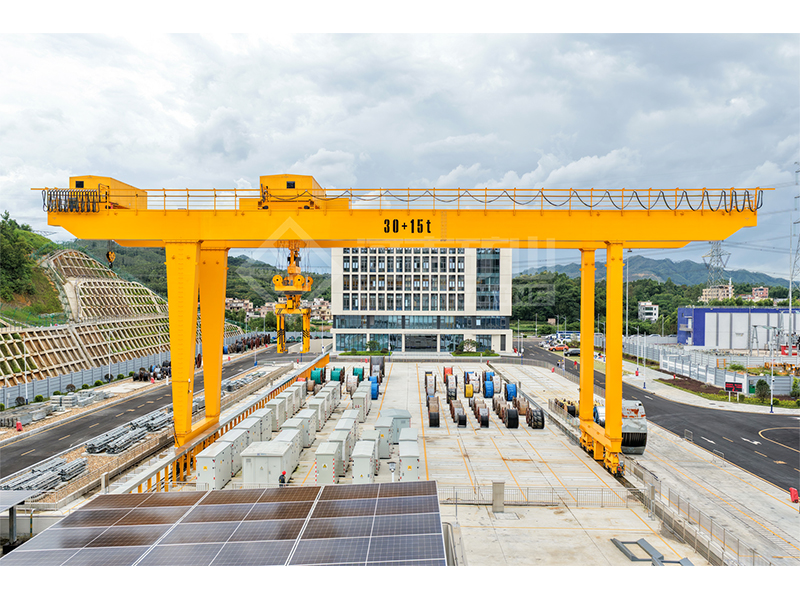
Crane configurations and handling technology
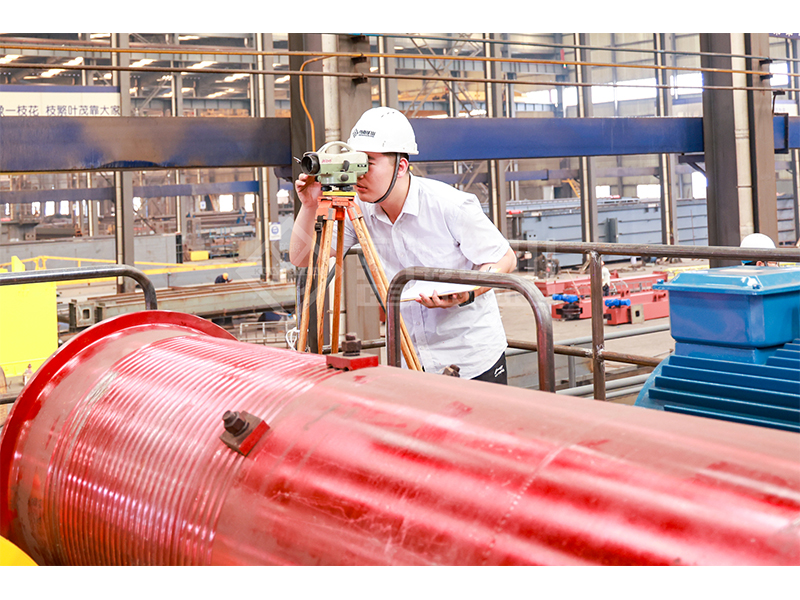
Factory inspections, acceptance and test programmes

Company developments, people and community programmes
Move process equipment in a production room where contamination control and explosion protection both matter. ZJJB combines a double-girder lifting arrangement with enclosed mechanisms, anti-static surfaces and measures to collect wear debris. The crane, clean-process construction and protected equipment are selected together for your load and production conditions.
Tell us what you need to lift and your approximate span. We’ll help you choose the lifting arrangement.

Start with the dimensions you already know. A workshop photo or sketch can help us recommend a configuration.
Enclosed drive areas, sealed connections and debris-collection measures address the crane's moving and wearing components. Agree the features needed above your equipment and the access required to clean and service them.
Select anti-static coatings, passivated stainless components, seals and lubricants around the cleaning method and process exposure. A named material and surface schedule makes competing quotations easier to compare.
Define the room conditions and particle limits alongside the lifting tests and hazardous-area equipment requirements. The proposal can then identify the construction, documents and inspections included.
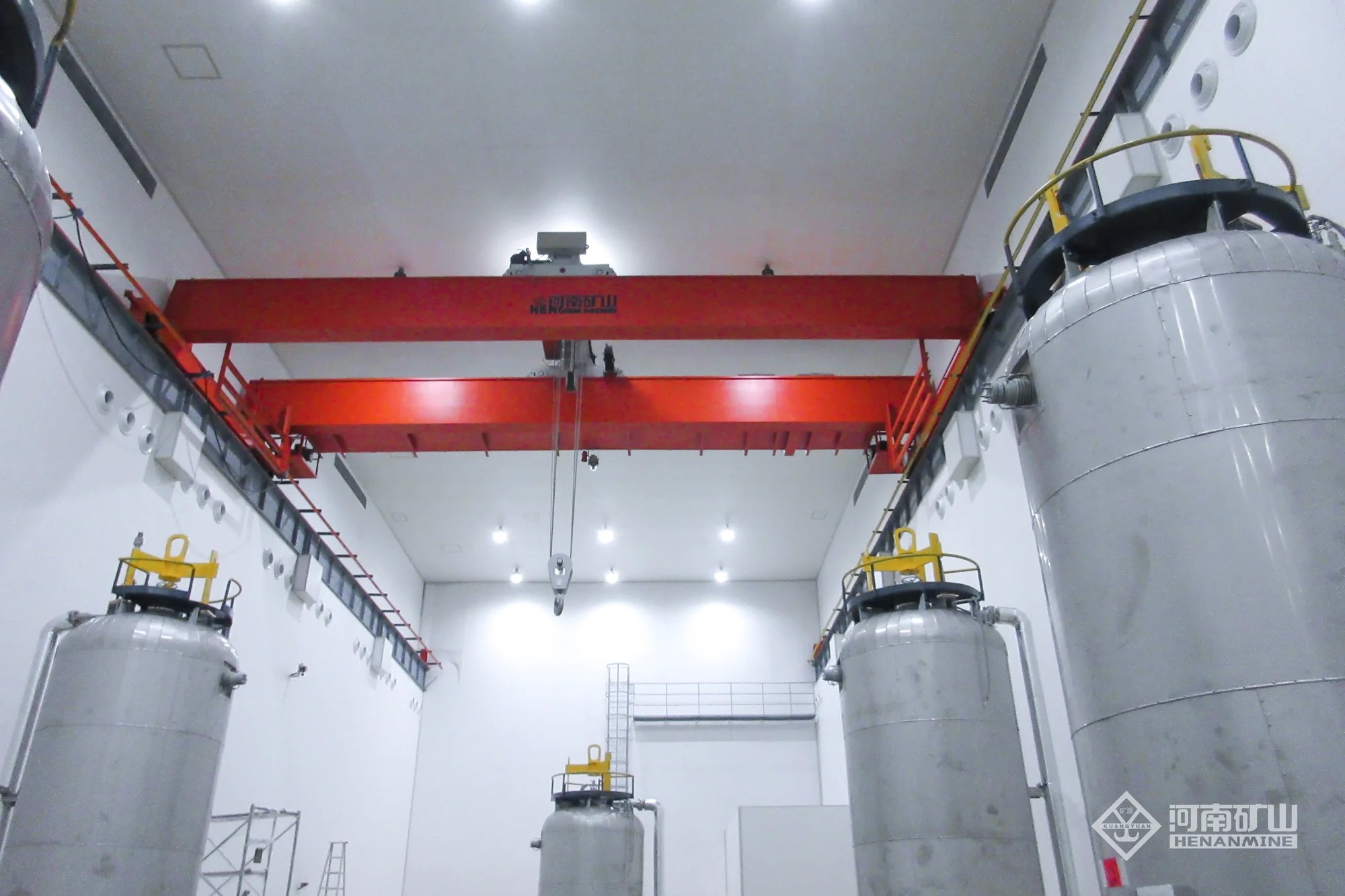
Handle process tooling, equipment parts and carriers in controlled production rooms. Define particle limits, permissible materials and the hazardous medium alongside the lifting duty.
Move vessel components and handling fixtures where both classified-area equipment and contamination control are required. Match surfaces and seals to the cleaning method and chemical exposure.
Lift equipment during process changeovers or maintenance within the specified room conditions. Plan access to collection devices, wear areas and drives without releasing uncontrolled debris into the production area.
The room’s cleanliness class and the crane’s explosion-protection specification are separate acceptance requirements. Neither is established by stainless components or an enclosure IP rating alone.
Compare the available options for your lifting task. Capacity, span, lift height and speed are matched in the selected configuration.
| Model | ZJJB |
|---|---|
| Capacity selection envelope | 1–32 t; custom load and attachment arrangement reviewed for the process |
| Reference span envelope | 7.5–28.5 m; final rail-centre span selected for the room |
| Reference lifting-height envelope | 6–20 m |
| Reference working-duty envelope | A3–A5; duty and mechanism selection matched to the operating cycle |
| Hoisting / travel speeds | VFD-controlled motion; selected speeds and positioning requirements stated with the load and process |
| Cleanliness requirement | Room/process class and particle limits specified for the installation and acceptance conditions |
| Explosion protection | Gas or dust configuration matched to the approved area specification |
| Mechanical measures | Anti-static treatment and spark-suppression measures for the relevant components |
| Surface coating | High-pressure anti-static coating; surface finish selected for cleaning and process exposure |
| Sealed areas | Crane body, drive areas and connection gaps configured to reduce dust accumulation |
| Wear-debris measures | Selected corrosion-resistant materials with collection devices in relevant wear areas |
| Stainless components | Passivated stainless hook, wheel or relevant contact-component configuration as specified |
| Lubricants and cleaning | Selected for process restrictions, seal compatibility and maintenance procedure |
| Controls | Protected operator/control equipment selected for the area and process |
| Power supply | 380 V / 50 Hz reference; destination supply and protected electrical package specified with the order |
| Configuration item | Selection envelope / arrangement | Process value to confirm |
|---|---|---|
| Lifting capacity | 1–32 t | Equipment, lifting fixture and complete suspended load |
| Span / usable lift | Reference 7.5–28.5 m / 6–20 m | Actual room geometry and required transfer levels |
| Crane duty | Reference A3–A5 selection envelope | Load spectrum, lifts per hour and shift pattern |
| Clean construction | Enclosed drives, sealed gaps and debris collection | Particle limits, permitted materials and cleaning method |
| Protected operation | Matched gas or dust package | Area classification, medium, temperature requirement and document scope |
| Motion control | VFD-controlled lifting and travel | Selected speeds and process positioning conditions |
Reference ranges describe a ZJJB selection envelope, not interchangeable complete configurations. The final capacity, span, lift, duty, cleanliness and protected equipment are specified together.
| Process requirement | Crane provision to select | Acceptance information |
|---|---|---|
| Particle control | Sealed drive/connection areas and wear-debris collection | Operating state, measuring positions and agreed particle limits |
| Cleaning and chemical exposure | Compatible coating, seals, materials and lubricants | Approved cleaning method and exposure conditions |
| Static and ignition control | Mechanical measures and protected electrical equipment | Area specification, marking schedule and matching documents |
| Maintenance access | Service access to seals, brakes, drives and collection devices | Cleaning, opening, reassembly and return-to-service procedure |
Specify clean-process acceptance separately from crane load testing and hazardous-area inspection. A general cleanroom claim does not define a universal room class or zero particle emission.
Compare the protected lifting equipment, sealed drive areas and the proposed access for cleaning and maintenance. The material and surface schedule is selected for the actual process.

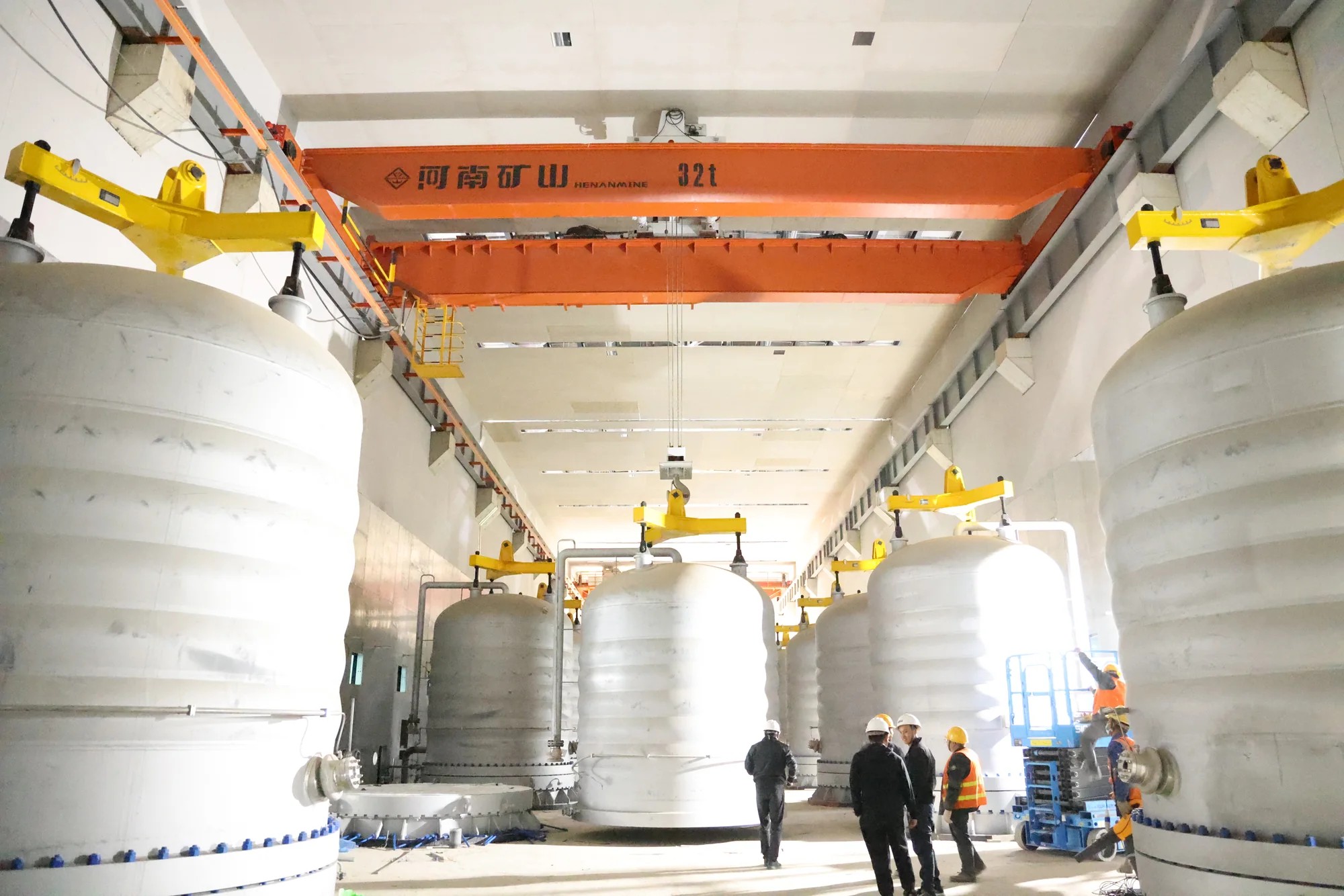
Choose the load and working coverage first, then agree the clean-process features, protected electrical and mechanical package, and controlled movements required at the equipment.
State the room/process class, particle limits, cleaning method and any lubricant or material restrictions. Identify the operating conditions under which cleanliness will be assessed.
Agree anti-static coating, stainless/passivated components, sealed sections and collection devices. Specify corrosion exposure and the surfaces that must tolerate routine cleaning.
Identify the gas, vapor or dust area specification, temperature requirements and destination documents. Select protection without treating cleanliness measures as a substitute for hazardous-area suitability.
Provide the equipment weight, lifting fixture, transfer positions and handling cycle. Select lift and travel speeds for the process, then agree the final positioning and handover checks.
Compare the crane, protected equipment and named clean-process features in your offer. Agree the material schedules, protection documents, acceptance tests, clean packaging and installation or commissioning services included for your process.
Request one ZJJB crane or a process-line quantity. Include the cleanliness and hazardous-area specification for each installation.
List the crane, protected controls, sealed sections, special materials, coatings and debris-collection devices. Identify clean packaging, document/testing scope, freight, room-side installation and commissioning separately.
Request arrangement and electrical drawings, material/coating and lubricant schedules, cleaning/maintenance instructions, protection-marking documents and the agreed cleanliness, inspection and load-test records.
Schedule dispatch after the material/coating schedule, protected equipment and clean-process acceptance requirements are agreed. Include specialized components, factory inspection and packaging in the programme.
Define protected electrical installation and clean assembly/cleaning procedures. Agree lifting tests, motion checks, contamination-control assessment and the process owner’s acceptance conditions before handover.
Agree warranty duration, commencement and coverage for the lifting equipment, protected controls, seals and supplied clean-process measures. Obtain the maintenance intervals and approved replacement specifications for collection devices, lubricants and wear parts.
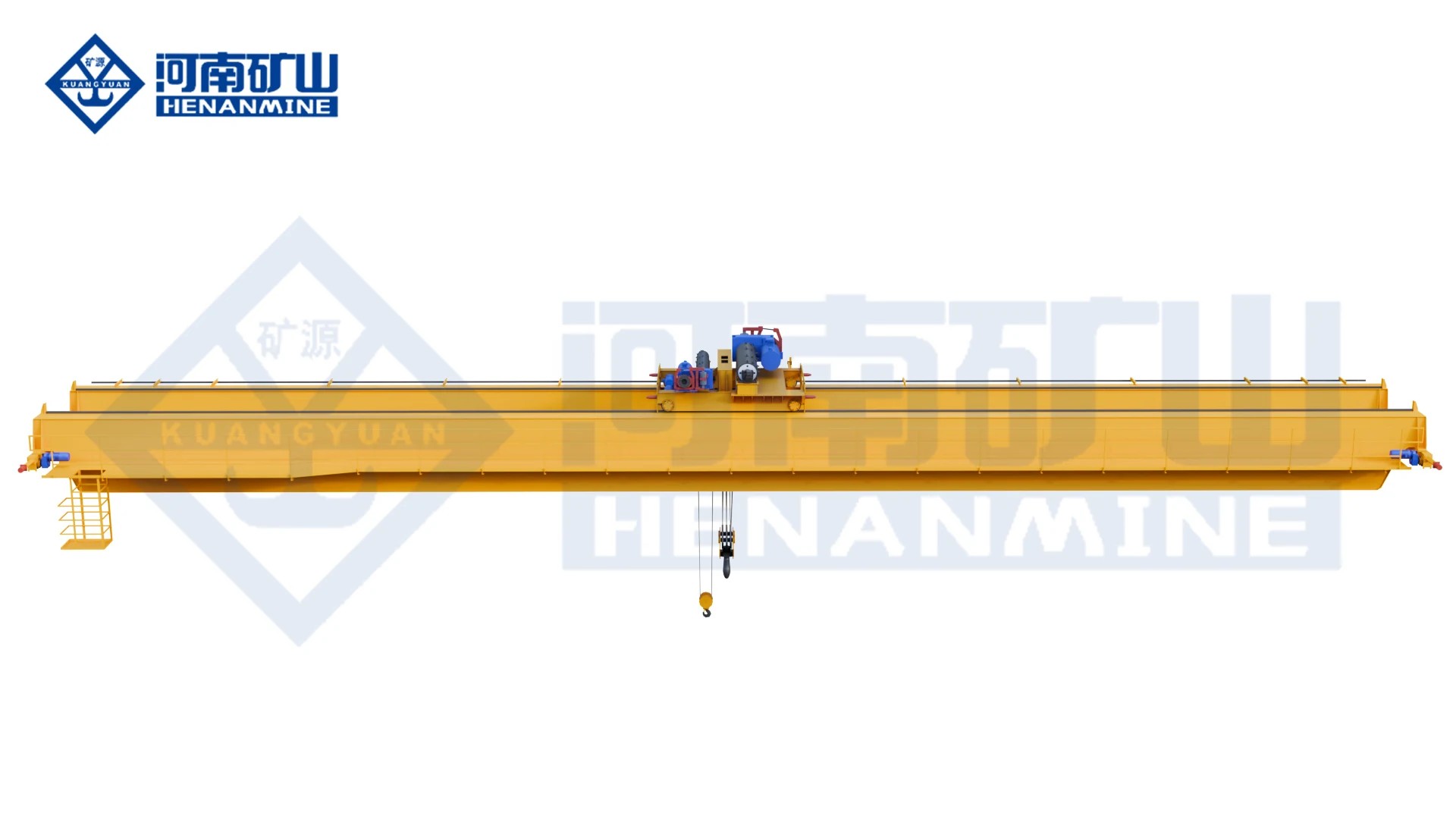
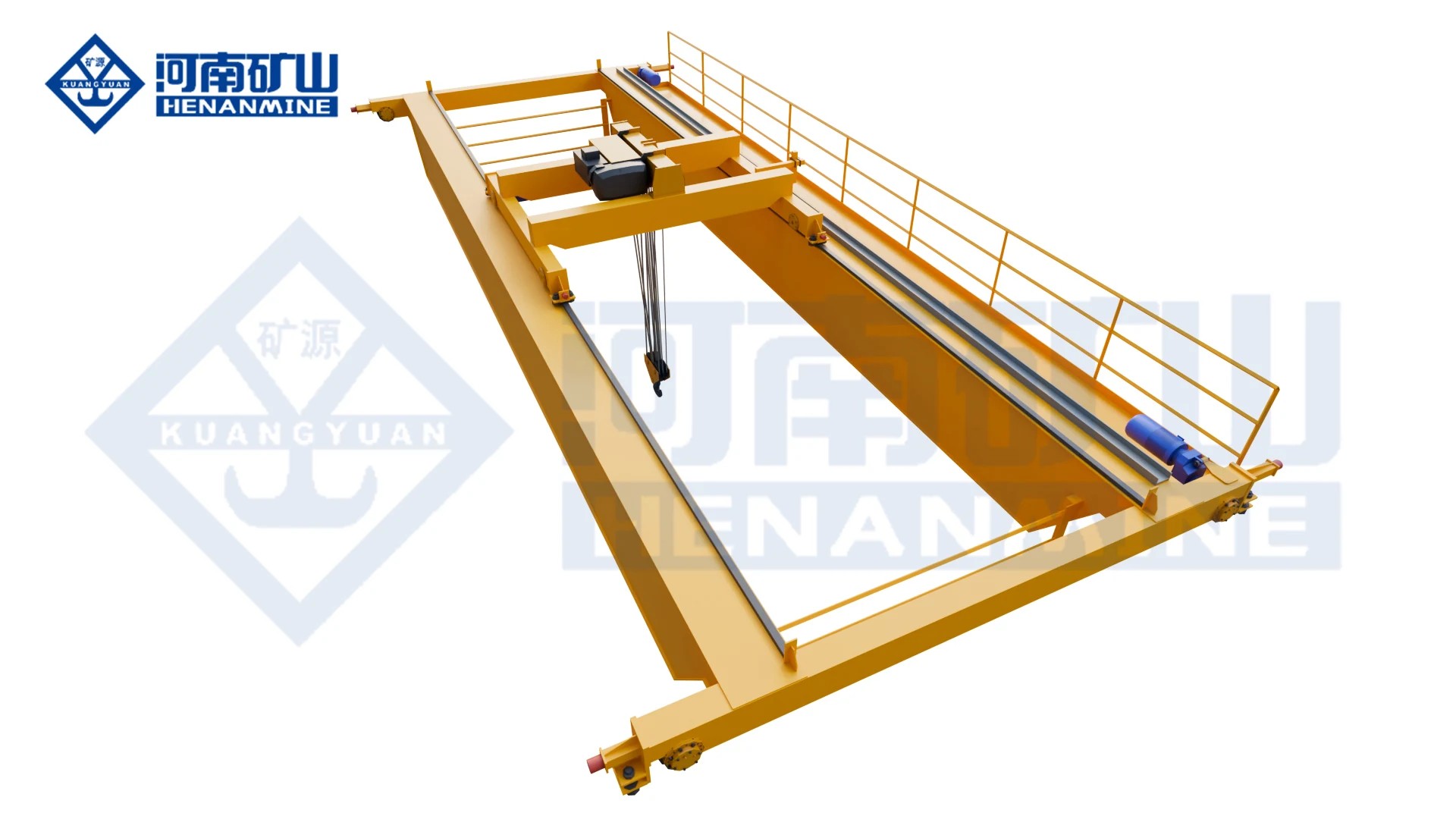
A double-girder trolley bridge for handling process equipment and materials in a classified area. Define the working duty, motion speeds and protected equipment schedule for the complete lifting route.
Compare this arrangement ↗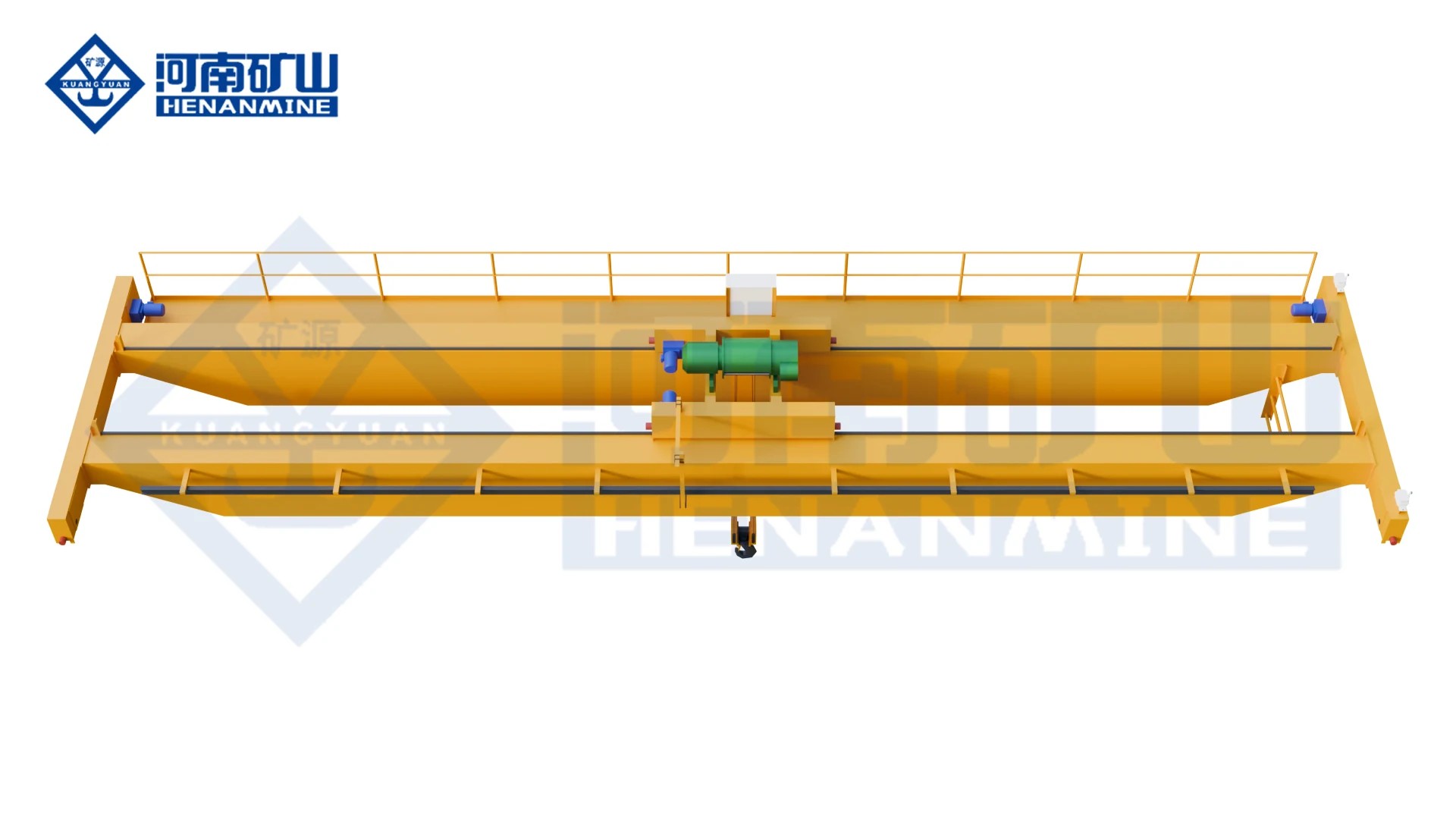
Protected electric-hoist lifting for classified workshop bays. Compare hook height, duty and the complete gas or dust protection package.
Compare this arrangement ↗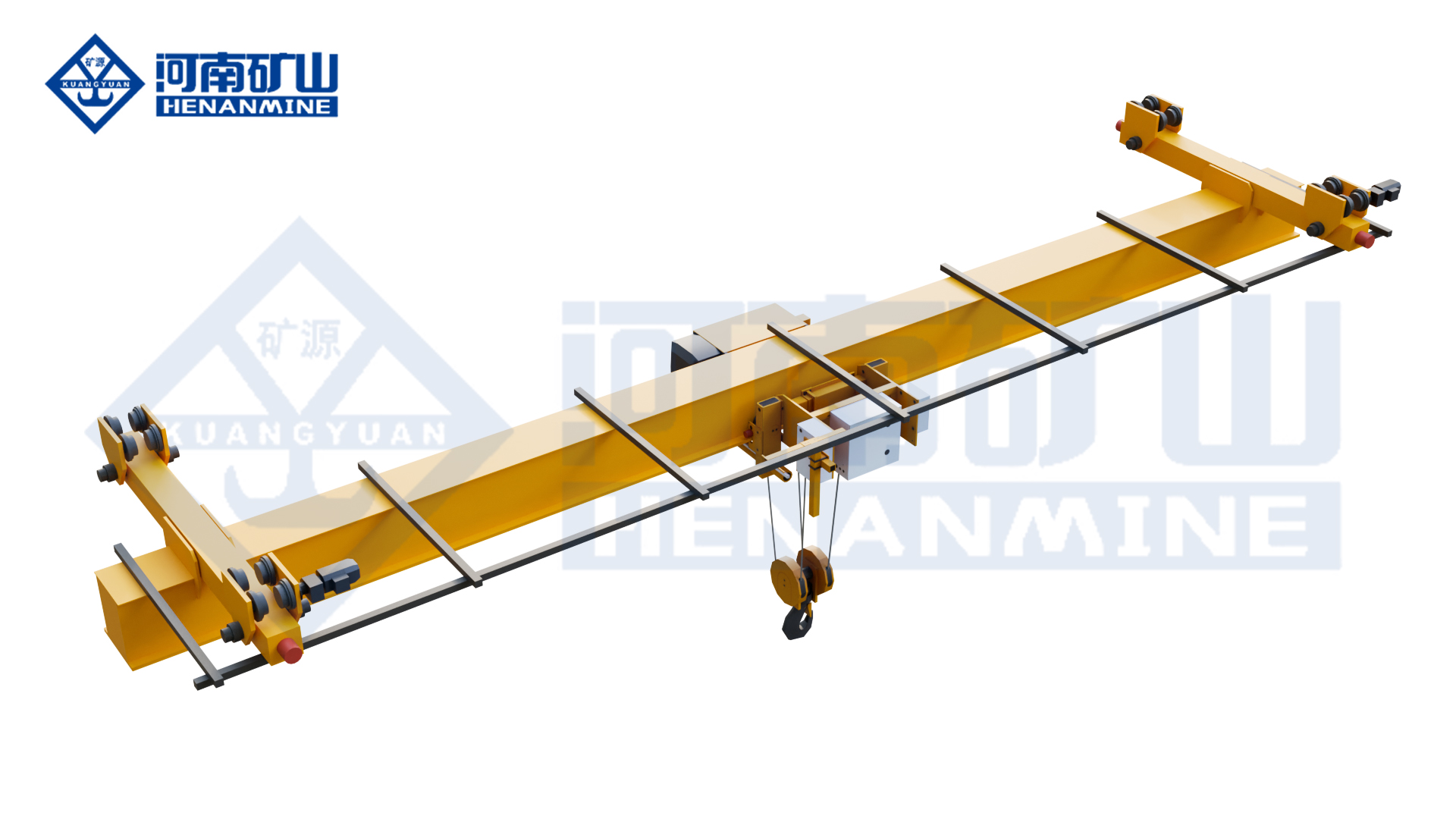
Gas-protected underhung lifting for classified workshop bays. Match hook coverage and the protection package to your gas classification.
Compare this arrangement ↗Find the arrangement, equipment options and order information that suit your application.
Choose ZJJB when the lifting task must address contamination control as well as a classified atmosphere. Its clean-process construction includes enclosed or sealed areas, anti-static surfaces, selected materials and wear-debris collection, with the protected equipment selected for the stated hazard.
The published ZJJB reference envelope is 1–32 t capacity, 7.5–28.5 m span and 6–20 m lifting height. Send the equipment and lifting-fixture weight, approximate room width and required hook travel so the dimensions, duty and clean-process package can be reviewed together.
Share the room or process class, particle limits and conditions under which the crane will operate. The proposal should state the relevant construction and the agreed acceptance method, including operating state and measuring conditions, for that installation.
Passivated stainless hooks, wheels and relevant contact components can be included as required by the selected arrangement. Agree a material schedule that identifies the supplied components, grades and finishes, together with the surfaces that need routine cleaning.
The protected package is selected against the area's stated gas or dust requirements. Include the available area classification, medium and temperature requirement so the offer can identify the hoist, drives, controls, mechanical measures and applicable documents.
ZJJB uses variable-frequency motion control. Describe the equipment, final approach and positioning task so lifting and travel speeds can be selected together with any additional control functions required by the process.
Provide the cleaning method, chemical exposure and any material or lubricant restrictions. The proposal can then identify compatible surface finishes, seals, lubricants and selected corrosion-resistant components for the specified conditions.
Agree access to drives, wear areas and debris-collection devices before the arrangement is finalized. The handover scope should include the cleaning, inspection, opening and reassembly procedures needed to return the crane to service in the controlled room.
Request the crane arrangement, protected equipment, named clean-process features, material/coating and lubricant schedules, operating instructions and agreed inspection records. Include clean packaging, freight, installation, commissioning, warranty and the applicable protection documents in the commercial scope.
Tell us what you need to move, your approximate span and hook travel, and the project country. Add the room/process requirements and area classification if available. We will help define the lifting arrangement and a quotation with a clear equipment and acceptance scope.
info@cranehenanmine.com