
Skip to content
Henan mine crane co., ltd. Get a project quote
Henan Mine Crane · Truss gantry lifting

Truss Gantry Cranes: Models & Specifications

Truss gantry cranes use open lattice girders for outdoor material handling. Compare electric-hoist, general, double-trolley and engineering models for storage yards, steel fabrication and precast work.

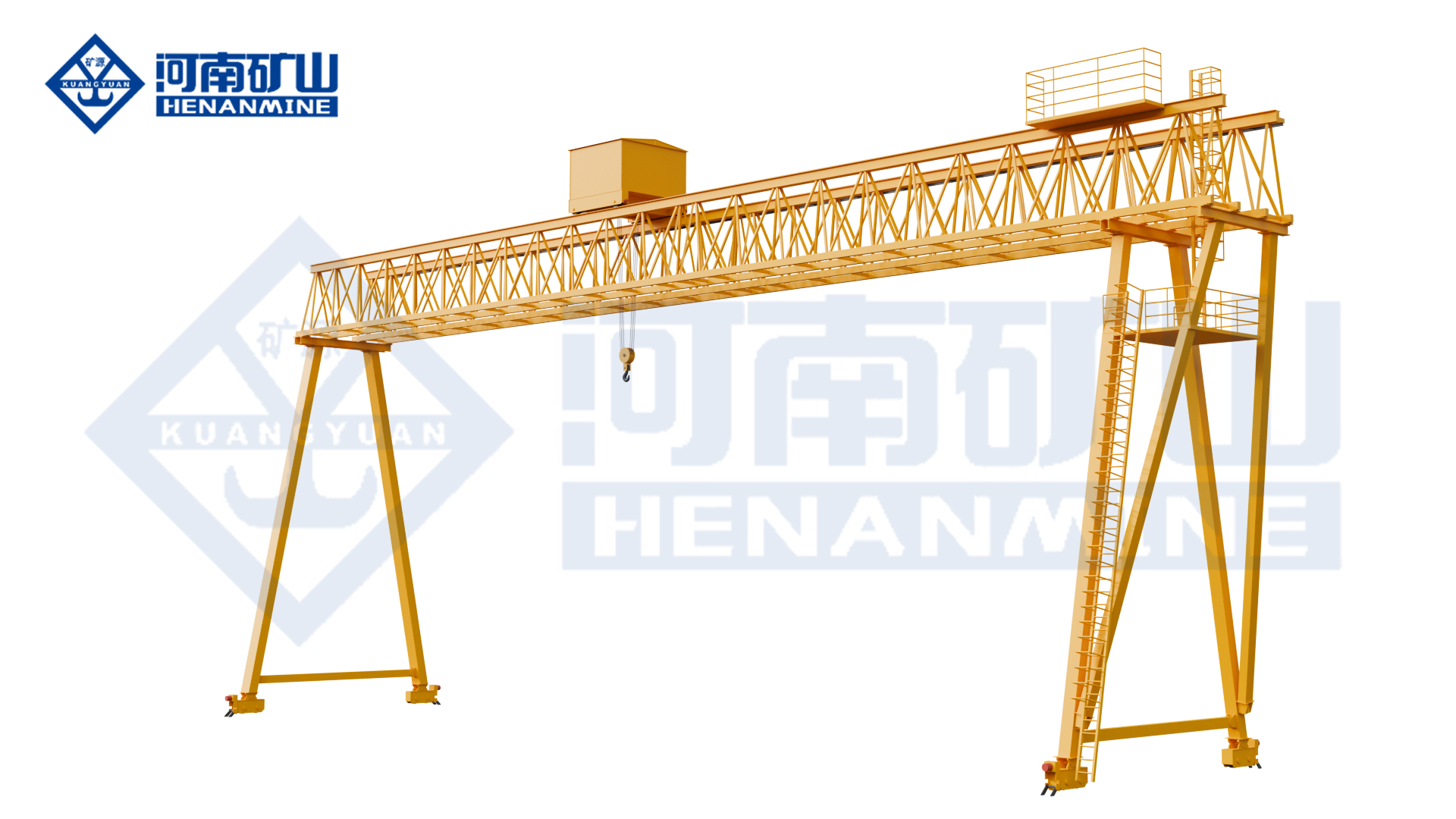
Manufacturer rendering of the MGH open-truss gantry arrangement

General, Double Trolley and Engineering Truss Gantry Cranes

Compare general-yard, two-point load handling and construction layouts.

Manufacturer rendering of the MGH open-truss gantry arrangement
MGH series

Truss Gantry Crane (MGH)

Outdoor component handling with an open-truss full gantry arrangement.

Capacity range5–100 t
Span range18–35 m
Working classA3–A5
All specifications
Model MGH
Crane arrangement Truss-girder full gantry
Lifting attachment Hook; lifting package selected in the technical offer
Rated suspended load Selected for the load, complete attachment and rigging
Span Selected from the runway centres and required working coverage
Lifting height Upper and lower pickup levels specified with attachment depth and headroom
Working class Selected for the load spectrum, lifts per hour and shifts
Hoisting performance Lifting and positioning speeds specified with the selected mechanism
Trolley travel Travel speed, stopping control and hook approaches selected for the task
Crane travel Speed, runway length and stopping positions specified for the working route
Operating controls Operator position and controls selected for visibility and the process
Electrical supply Site voltage, phases, frequency and power-feed arrangement specified in the offer
Rail and civil interface Rail section, wheel reactions and supporting foundations selected together
Outdoor design Site wind exposure, parking restraint and environmental protection specified where applicable
Clearance envelope Load passage, access and maintenance clearances shown in the arrangement drawing
Supply scope Crane equipment, rail work, installation and commissioning responsibilities agreed in the quotation
Girder construction Truss welded from structural steel sections
Cantilever With or without cantilever, selected for the working reach
Published capacity range 5–100 t; range reference, selected load/span/lift combination subject to proposal
Published span range 18–35 m; selected with the rated load and crane geometry
Published lifting-height range 6–30 m; useful hook height confirmed in the arrangement
Published working-class range A3–A5; select class for the operating cycle
Published hoisting-speed range 0.1–8 m/min; stepless reference, final lifting package specified
Published crane-travel range 5–40 m/min; frequency-conversion control reference
Published trolley-travel range 3–20 m/min; frequency-conversion control reference
Electrical protection reference IP54 for listed electrical components; enclosure schedule defines the protected equipment
Published control alternatives Cabin, wireless remote or combined controls, selected for visibility and the process
Leg-layout alternatives A-type or U-type layout selected for the working envelope and structural design
Hoisting-package selection Confirm the lifting mechanism and trolley package in the technical offer
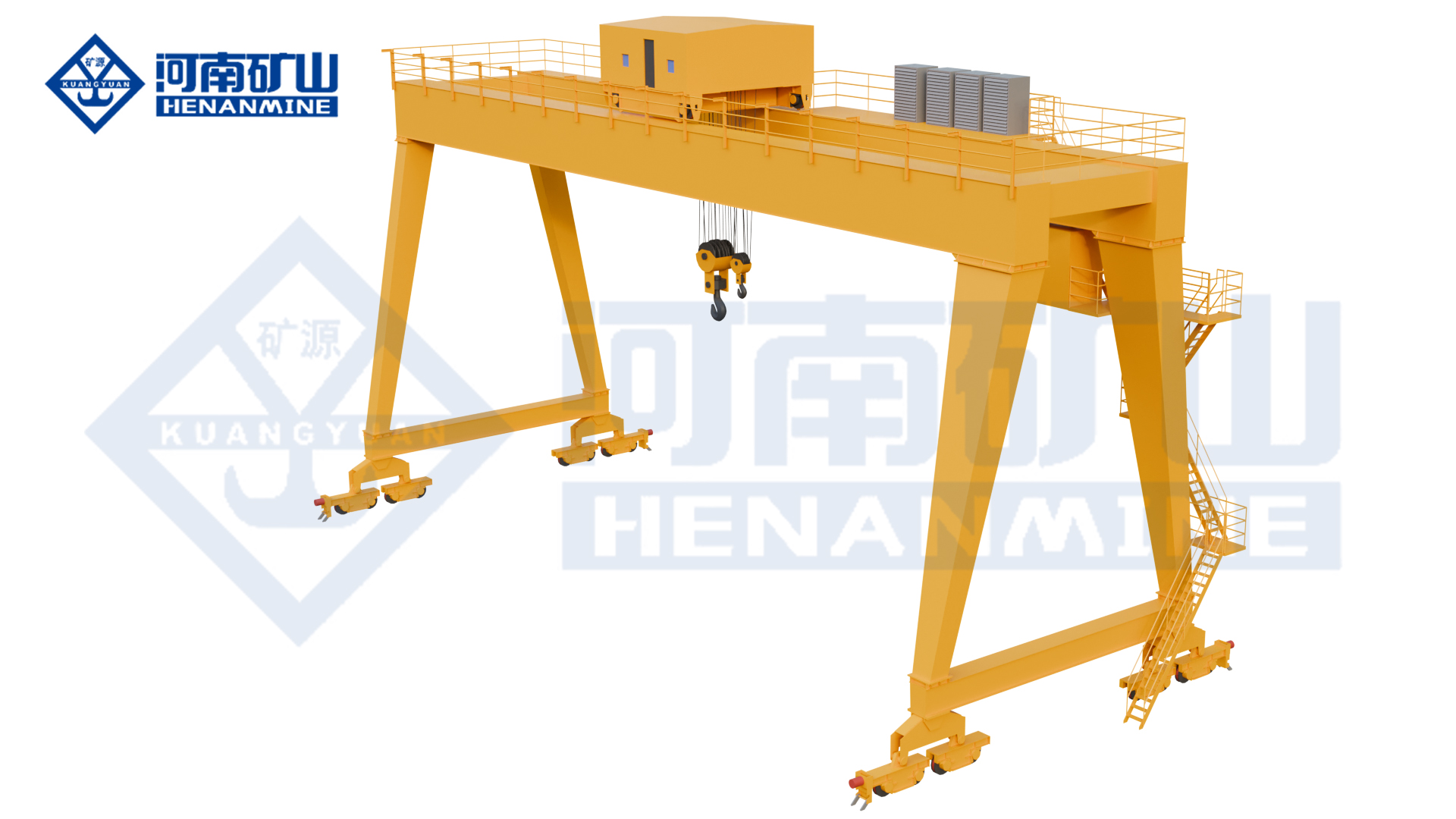
Manufacturer rendering of the MEH double-trolley truss gantry arrangement
MEH series

Double Trolley Truss Gantry Crane (MEH)

Long-component handling with two trolleys on a double-girder truss gantry.

Capacity range5–50 t
Span range12–30 m
Trolleys2
All specifications
Model MEH
Structure Truss gantry arrangement
Trolley arrangement Double trolley
Working class A3–A5
Lifting control Variable-frequency lifting-speed control
Travel control Variable-frequency travel-speed control
Transport structure Segmented main and end-girder components
Site joints Bolted site assembly
Runway arrangement Legs on both sides; ground-level rail travel
Cantilever arrangement One side, both sides or no cantilever, according to the selected layout
Rated lifting capacity Specify each trolley load and the permitted shared lifting load
Span Selected for the work-area coverage and transport-section design
Lifting height Selected for pickup, stacking or equipment-installation levels
Trolley spacing Usable separation selected for lifting-point spacing
Handling modes Independent and coordinated functions specified for the lifting task
Motion speeds Lifting and travel speeds matched to positioning and cycle requirements
Transport envelope Section dimensions and joint positions agreed for delivery access
Operator controls Control package selected for the two-trolley arrangement
Electrical supply Site voltage, phases, frequency and crane power feed specified
Runway reactions Wheel loads and relevant horizontal reactions supplied for the selected crane
Published capacity range 5–50 t; individual trolley ratings and permitted shared load defined separately
Published span range 12–30 m; selected with the crane load and working envelope
Published lifting-height range 6–18 m; confirm useful hook travel and attachment depth
Published hoisting-speed range 3–10 m/min; VFD-adjustable reference, final speeds stated for the selected lifting package
Published crane-travel range 15–40 m/min; selected speed and stopping performance stated in the offer
Electrical-protection reference IP54 listed; protected components and outdoor enclosure scope confirmed in the electrical schedule
Published supply options 220–690 V / 50–60 Hz; specify one site voltage, phase and frequency combination
Structural-material reference Q355B listed for the truss structure; final grade and material documentation specified in the offer
Shared-load operating condition Do not add trolley ratings; agree the shared rating, lifting-point spacing, load distribution and joint control mode
Wind and parking provision Operating wind, parked-storm condition, restraints and anchoring selected for the site
Truss inspection and access Define joint, weld and bolt inspection access with the selected truss and assembly plan
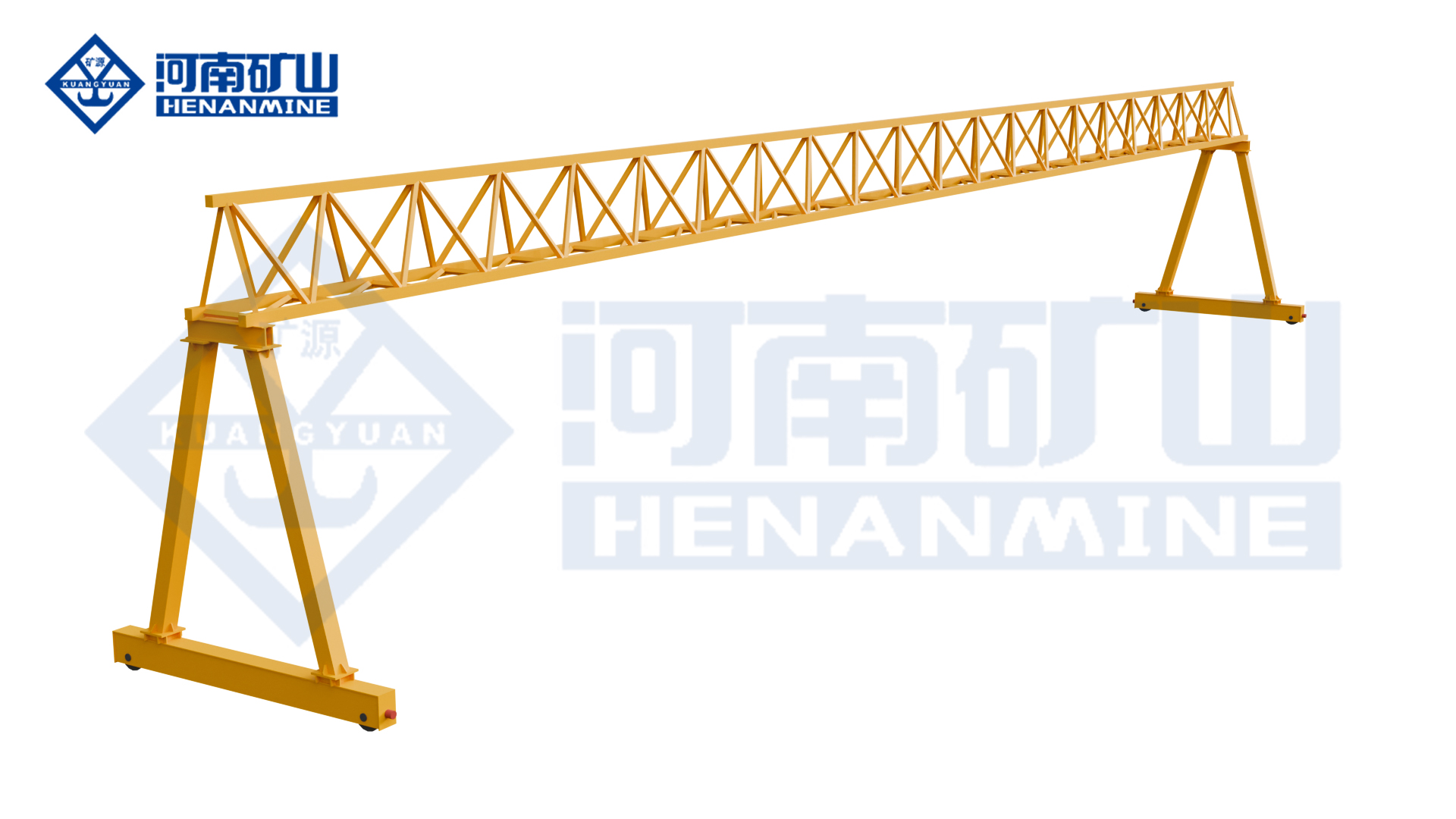
Manufacturer rendering of the MGG twin-truss-girder gantry with one trolley
MGG series

Engineering Truss Gantry Crane (MGG)

Precast-beam and construction lifting with twin truss girders and one winch.

BridgeTwin truss girders
Trolleys1
Winches1
All specifications
Model MGG
Main-girder structure Twin truss main girders
Leg structure Tubular steel legs
Trolley arrangement Single trolley
Hoisting mechanism Single winch
Application focus Bridge and highway construction work
Handling tasks Precast-beam lifting, material transfer and specified piling-spoil operations
Rated lifting capacity Selected for the complete suspended load, including lifting attachments and rigging
Span Rail-centre span selected for the construction work area
Lifting height Working hook travel selected for the construction lifting sequence
Working class Selected for the load spectrum, lifts per hour and shifts
Lifting attachment Hook, lifting beam or other attachment specified for the actual load
Hoisting speed Loaded lifting and positioning speeds selected with the winch package
Trolley travel Cross-travel speed and usable hook approaches specified for the load route
Crane travel Long-travel speed and stopping control selected for the runway
Site clearances Leg opening, load envelope and vehicle access shown in the arrangement
Transport and assembly Transport sections, site assembly and installation access agreed
Operator controls Operator position and control package selected for visibility
Electrical supply Voltage, phases, frequency and power-feed route specified
Runway and exposure Wheel reactions, rail interfaces and relevant wind provisions coordinated with the site
Complete-load basis Include lifting beam, slings and other below-hook equipment when specifying the suspended load
Wind and parking provision Operating wind, parked-storm condition, restraints and anchoring selected for the site
Truss inspection and access Define joint, weld and bolt inspection access with the selected truss and assembly plan

Electric Hoist Truss Gantry Crane

Single-girder truss lifting for outdoor material handling with an electric hoist.

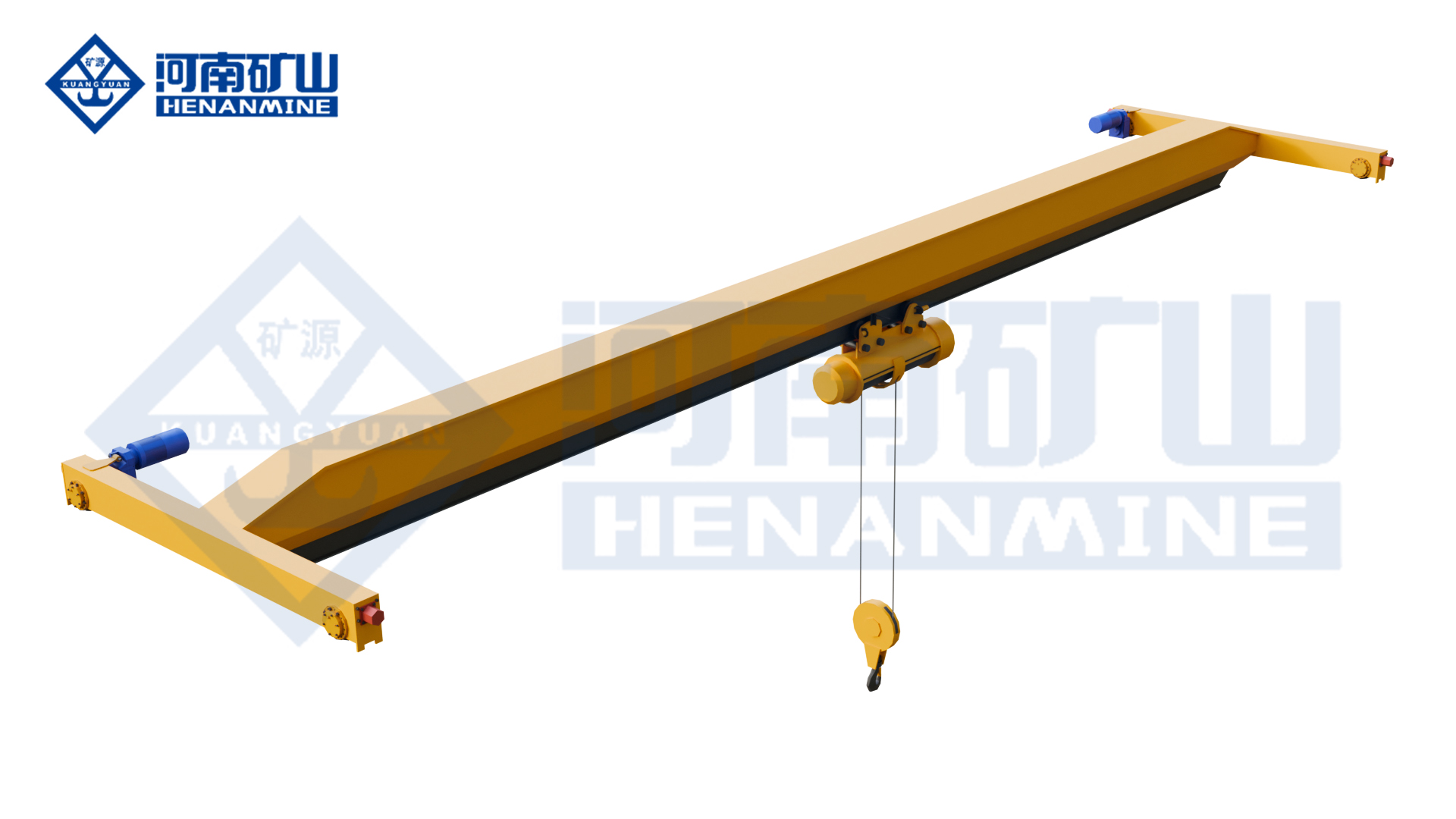
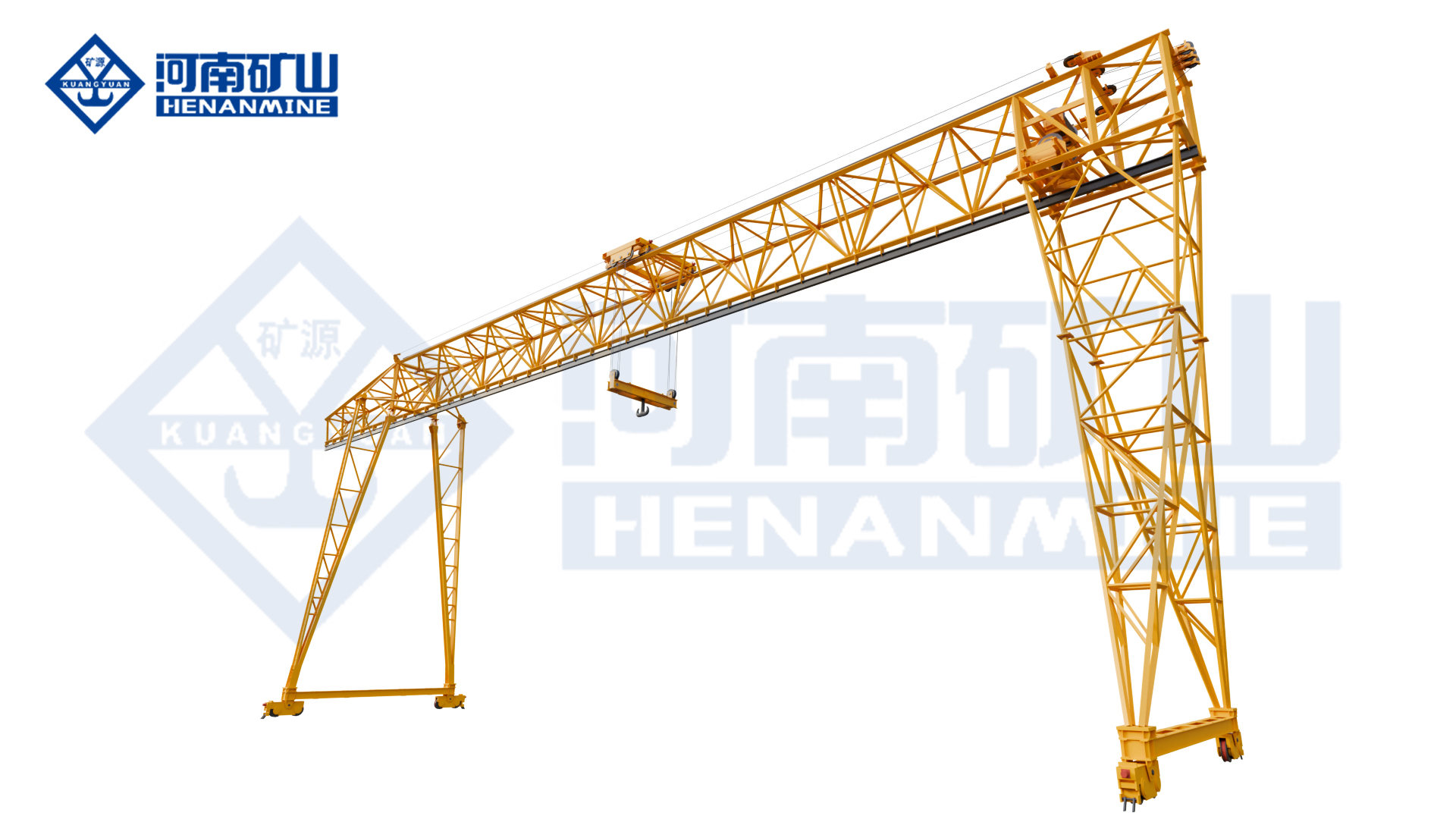
Manufacturer rendering of the MHH single-girder truss gantry frame
MHH series

Electric Hoist Truss Gantry Crane (MHH)

Outdoor material handling with an open-truss single-girder structure.

Capacity reference1–20 t
Span reference10–30 m
Working classA3–A5
All specifications
Model MHH
Rated capacity range 1–20 t, with the required configuration selected together
Span range 10–30 m
Lifting-height reference 10 m; other requirements reviewed with the crane layout
Working class A3–A5
Lifting mechanism Electric wire-rope hoist
Main-girder structure Open truss welded from structural steel sections
Girder arrangement Single girder
Lifting attachments Hook; grab or electromagnetic attachment by configuration
Crane runway Ground-level rails on both sides
Cantilever arrangement With or without cantilever
Structural selection Truss sections matched to load, span and local wind exposure
Power supply 380 V, 50 Hz, 3-phase
Operating control Ground control for the reference arrangement
Hoisting speed Specified with the selected load and electric-hoist package
Cross travel Powered electric-hoist travel along the girder
Long travel Rail travel selected for the runway length and handling cycle
Frame alternatives Fixed or travelling arrangements; bogie options by design
Working motions Vertical lifting and movement across / along the runway
Operating pattern Intermittent, repeated material and equipment handling
Transport arrangement Girder sections and assembly joints selected for delivery access
Application focus Outdoor handling where truss structure and wind exposure matter
Range-reference scope 1–20 t / 10–30 m / 10 m lift are supplier-listing references; select one complete crane configuration
Attachment-mode load basis Attachment, rigging and carried material form the total suspended load; specify each attachment mode
Wind and parking provision Operating wind, parked-storm condition, restraints and anchoring selected for the site
Truss inspection and access Define joint, weld and bolt inspection access with the selected truss and assembly plan

Select load, span, hook height and duty as one configuration. Confirm wind conditions, wheel loads, rail foundations, transport modules and erection access. Published model ranges do not mean every combination is available.

Budget planning

Truss gantry crane price guide

Use the USD equipment ranges below for early budget planning. Match capacity, span, lifting height, duty and supply scope before comparing quotations.

Preliminary equipment budgets · USD per crane package
Reference configuration Budget range (USD)
10 t truss gantry · 12–35 m span · 6–18 m lift · undated listing, checked 2026 USD 32,000–45,000
20–32 t single-girder truss · 20–35 m span · 8–15 m lift · A5–A6 · July 2026 external reference USD 35,000–65,000
50–100 t double-girder truss · 25–50 m span · 10–20 m lift · A6 · July 2026 external reference USD 80,000–160,000

These are external supplier references, not Henan Mine Crane quotations or fixed prices for the models above. The A5–A6 and A6 references describe different duty configurations from the published A3–A5 models; they do not extend those model specifications.

The two July 2026 references cover structure, hoist and electrical equipment; rail work, freight and installation are separate. The 10 t listing does not itemize scope. Confirm civil work, taxes, commissioning and trade terms in the quotation. Double-trolley arrangements require their own price.

Get a quote for your configuration
Illustrative application

Outdoor steel-component handling

Handle fabricated steel between storage positions, work areas and loading lanes with a truss gantry layout matched to the load dimensions. For long components, specify pickup points, center of gravity and individual trolley loads.

Match transport modules to the delivery route and assembly area. Confirm site wind, parked anchoring, runway reactions and lifting-attachment mass before ordering.

Discuss your load and yard layout
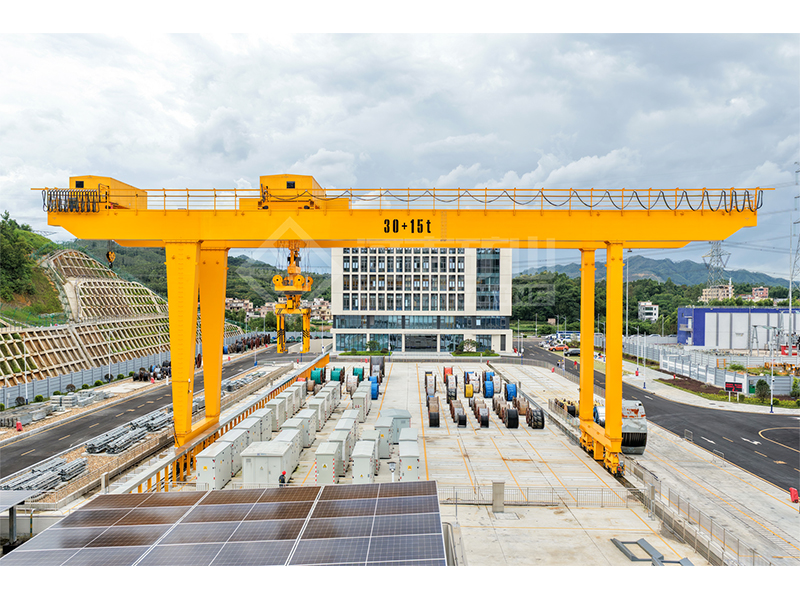
Yellow open-truss gantry with lattice legs and an upper walkway across an outdoor component yard
Manufacturer truss gantry crane in an outdoor material yard. Crane layout and lifting attachments are selected for the handling task.

Truss gantry crane buying questions

What is the difference between a truss and a box-girder gantry crane?

Truss girders use open lattice members; box girders use closed welded sections. Compare quoted crane weight, stiffness, wind design, joint inspection and shipping modules for the same lifting duty. The open structure does not establish a universal weight saving or eliminate wind restrictions.

Which truss gantry crane model suits my load?

MHH uses an electric hoist. Compare MGH for general yard lifting, MEH for two-trolley handling and MGG for engineering work with double lattice girders, one trolley and one winch. Confirm the proposed lifting mechanism and duty before comparing capacity alone.

Can a truss gantry crane operate in strong wind?

Operating and parked conditions must be defined for the site. Ask the proposal to state the wind limits, rail clamps or anchoring arrangement, and storm parking procedure. An open lattice girder still has wind loading, including wind acting on the suspended load.

Can the two MEH trolleys lift one long component together?

Define each trolley rating, lifting-point spacing, load distribution and the permitted joint operating mode. Confirm coordinated controls for the selected lift. Two individual trolley ratings must not be added to create a shared-load rating.

Can the crane be dismantled and relocated?

Sectional assembly can support relocation where it is part of the selected design. Check module sizes, joint details, lifting equipment, rail foundations, power supply and the new site conditions. Transport, reassembly, inspection and commissioning should be itemized separately.

What information is needed for a truss gantry crane quotation?

Start with total suspended load, rail-centre span, useful hook height and destination. Add load dimensions, lifting frequency, runway length, cantilever, site wind and shipping restrictions. Ask the offer to separate the crane, lifting attachments, rails, foundations, freight, taxes, erection and commissioning.

Compare the range

Truss gantry crane specification comparison

Compare the lifting arrangement, capacity, span, hook height and duty. Select the complete product name to review its corresponding model details.

Swipe across the table to compare specifications.

Model / product Arrangement Capacity Span / working width Lifting height Working class
Truss Gantry Crane (MGH) General open-truss gantry / lifting package selected 5–100 t 18–35 m 6–30 m A3–A5
Double Trolley Truss Gantry Crane (MEH) Double girder / two trolleys 5–50 t 12–30 m 6–18 m A3–A5
Engineering Truss Gantry Crane (MGG) Twin truss girders / single trolley and winch Project-specific Selected for the site Selected for the lift Selected for the operating cycle
Electric Hoist Truss Gantry Crane (MHH) Single girder / electric hoist 1–20 t reference 10–30 m reference 10 m reference A3–A5

Numerical ranges remain specific to the named model and source reference; confirm the final combination in the technical offer. MGG requires project-specific ratings and dimensions. For MEH, confirm individual trolley loads and the permitted shared-load condition separately.

Get a truss gantry crane quote

Send total suspended load, span, useful hook height and destination. Include a yard sketch or load drawing if available.

Add wind conditions, lifting frequency, runway length and transport limits. For two-trolley handling, include lifting-point spacing and the load at each point.

Request a quotation