
Lifting package and working cycle
Select the seated electric-hoist trolley for the complete load, rigging and repeated handling cycle. Include lifting-beam weight and length; check useful hook position and space above the double-girder bridge.
Bridge cranes for workshops and production lines.
Explore Overhead Cranes
Ground-supported lifting for yards and construction.
Explore Gantry Cranes
Wire rope and chain hoists for lifting points and cranes.
Explore Electric Hoists

Wire rope lifting and pulling with a powered drum.
Explore Electric Winches
Grab buckets, magnets and hooks for your load.
Explore Lifting Attachments & Grabs
Mobile handling for containers, precast and yard loads.
Explore Rubber-Tired Gantry Cranes & Straddle Carriers

Lift and move vessels through boatyards and marinas.
Explore Marine Travel Lifts
Ladle, slab, scrap and coil handling across steel production.

Container stacking and cargo transfers across terminals and rail.

Turbine installation, powerhouse maintenance and wind equipment assembly.

Controlled component transfer and positioning for precision assembly.

Heavy fabrication, production lifting and factory crane automation.

Process lifting for smelters, carbon blocks and anode materials.

Clean lifting and classified protection for sensitive process areas.

Bridge fabrication, metro construction and ship block assembly.

Automated storage and retrieval for plates, cables and bins.

Follow project dispatches, crane engineering and factory acceptance.

Dispatch, installation and equipment in service

Crane configurations and handling technology

Factory inspections, acceptance and test programmes

Company developments, people and community programmes
MHS combines a double-girder bridge with a seated electric-hoist trolley for repeated hook lifting. Both sides travel on ground rails. Compare it for assembly, component storage and yard transfers, checking useful hook height, overhead clearance and the complete load against the selected operating duty.
Move fabricated frames, equipment sections and fixtures between preparation and assembly positions. The seated trolley is useful where a tall workpiece makes upper hook position an important part of the layout.
Handle bundled profiles, fabricated steel and packaged components along a storage lane. The bridge span covers the stock area, while a selected cantilever can connect lifting positions beside the main runway.
Transfer machinery and general cargo between staging positions and vehicles. A ground-supported runway suits a yard layout, with wind exposure, parked position and vehicle clearances included in the crane design.
Compare the lifting mechanism, control functions and site interfaces for the selected crane.
| Model | MHS | Rated lifting capacity | 3–50 t |
|---|---|---|---|
| Span | 7.5–35 m | Lifting height | 4–30 m |
| Girder arrangement | Double girder | Runway/support layout | Full gantry; ground rails on both sides |
| Lifting mechanism | Electric hoist | Hoist/trolley arrangement | Seated electric-hoist trolley |
| Lifting attachment | Hook | Working class | A-class selected for the load spectrum and operating cycle |
| Lifting speed | Lifting and positioning speeds matched to the selected electric hoist | Trolley travel speed | Cross-travel speed and stopping control selected for the load route |
| Crane travel speed | Long-travel speed selected for the runway and operating cycle | Travel drive | Motor / gearbox / brake package matched to duty and wheel reactions |
| Operating controls | Pendant / wireless remote / cabin options | Cantilever arrangement | With or without cantilever |
| Electrical supply | 380 V / 50 Hz; 220–660 V / 50–60 Hz supply options | Electrical protection | IP54 option; protected equipment scope defined in the electrical schedule |
| Runway rail profile | Rail section matched to wheel geometry, reactions and supporting structure | Motor ratings | Lifting, trolley and crane-travel motor ratings specified in the equipment schedule |
| Operating pattern | Intermittent, repeated loading/unloading and material handling | Site layout | Overall height, leg clearance and hook approach shown in the crane drawing |
Capacity, span, lifting height and duty are selected together. The agreed equipment schedule and drawing define your crane configuration.
Review the original equipment views alongside the selected crane drawing.
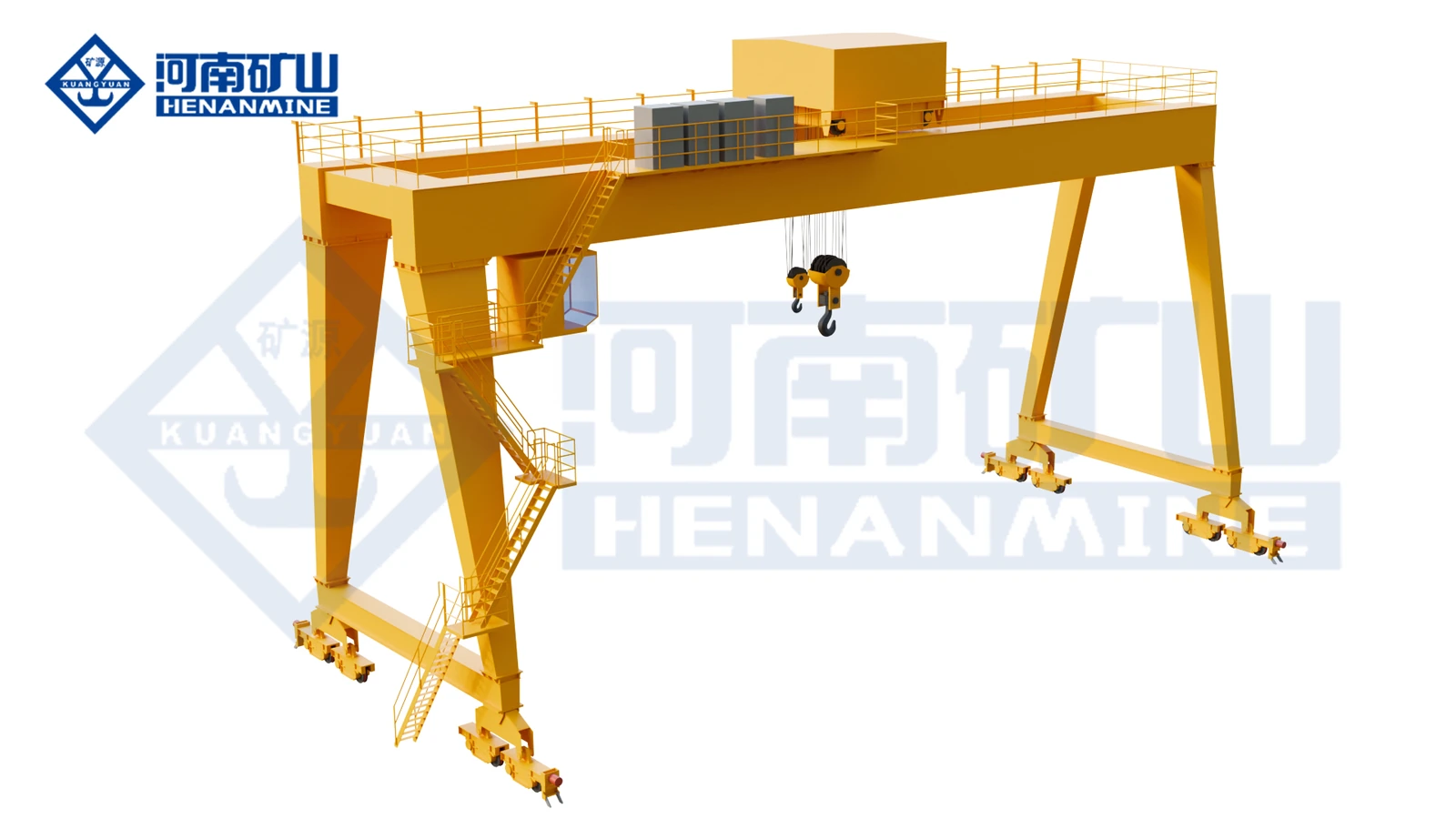
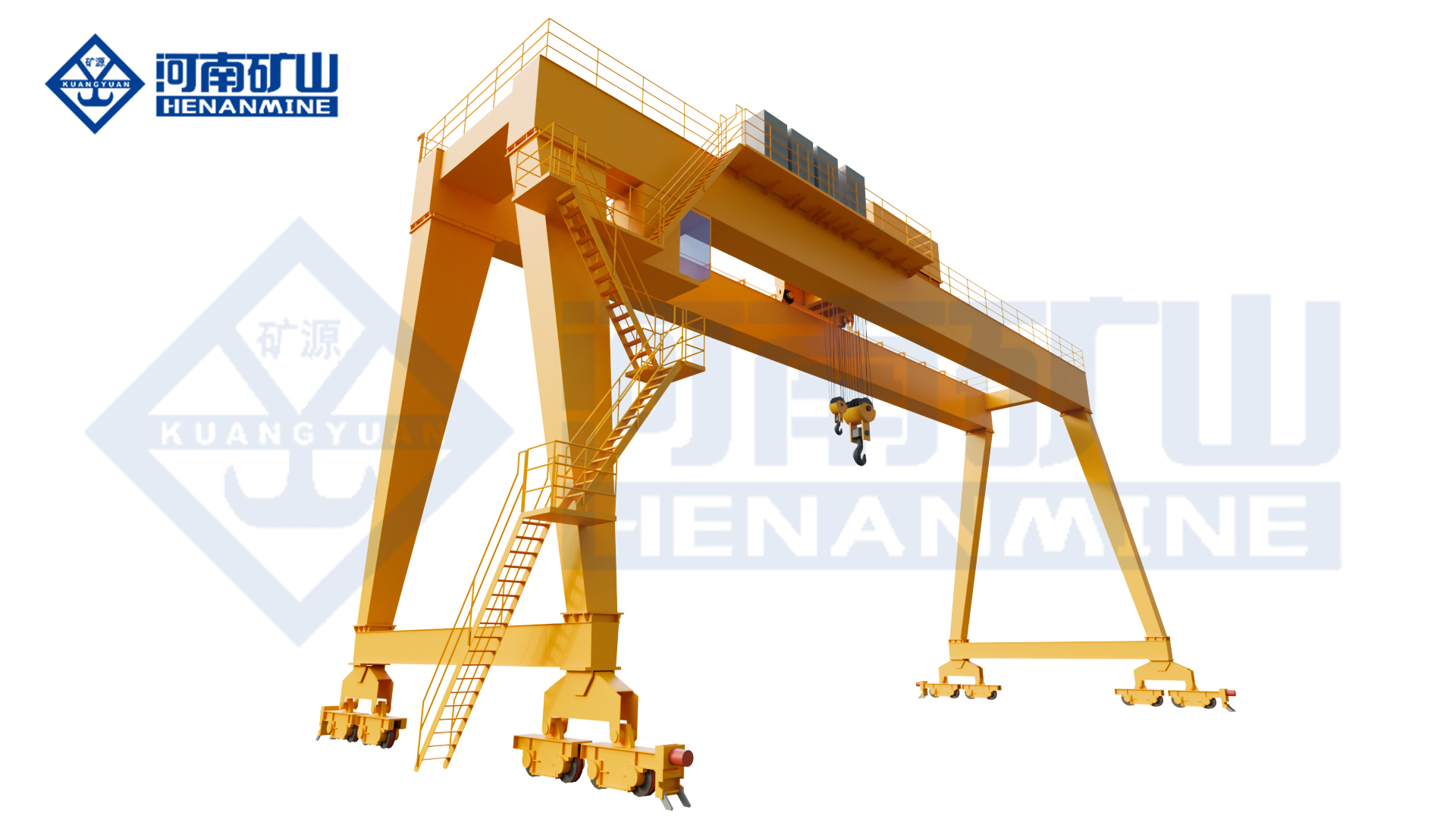
Select the seated electric-hoist trolley for the complete load, rigging and repeated handling cycle. Include lifting-beam weight and length; check useful hook position and space above the double-girder bridge.
Choose in-span or cantilever coverage around pickup and landing positions. Supporting legs and bracing share space with loads and vehicles; verify leg opening, hook approaches and the full load orientation.
Choose pendant, wireless remote or cabin operation for the required view. Match the hoist, electrical supply and control response to the task; define the rail profile, wheel reactions and cable or power-feed route.
Both sides travel on ground rails. Coordinate the runway, stock access, vehicle route, weather exposure and parked position. Provide maintenance access to the seated trolley and travel equipment; the overall crane envelope still needs overhead clearance.
Request a project quotation for the required crane quantity, including the seated trolley, travel equipment, controls and agreed cantilever.
Confirm any minimum order requirement with the offer, then compare included rails, power feed, transport and installation services.
The general arrangement should show useful hook height, overall trolley height, approaches and wheel reactions for the selected MHS.
Agree the applicable destination standard, inspection records and load-test scope before manufacture, together with the required equipment documents.
Confirm transport sections, unloading access and lifting arrangements for placing the bridge and seated trolley on the prepared runway.
Set installation and commissioning responsibilities in the order, with warranty terms, spare-parts scope and service contacts for the supplied equipment.
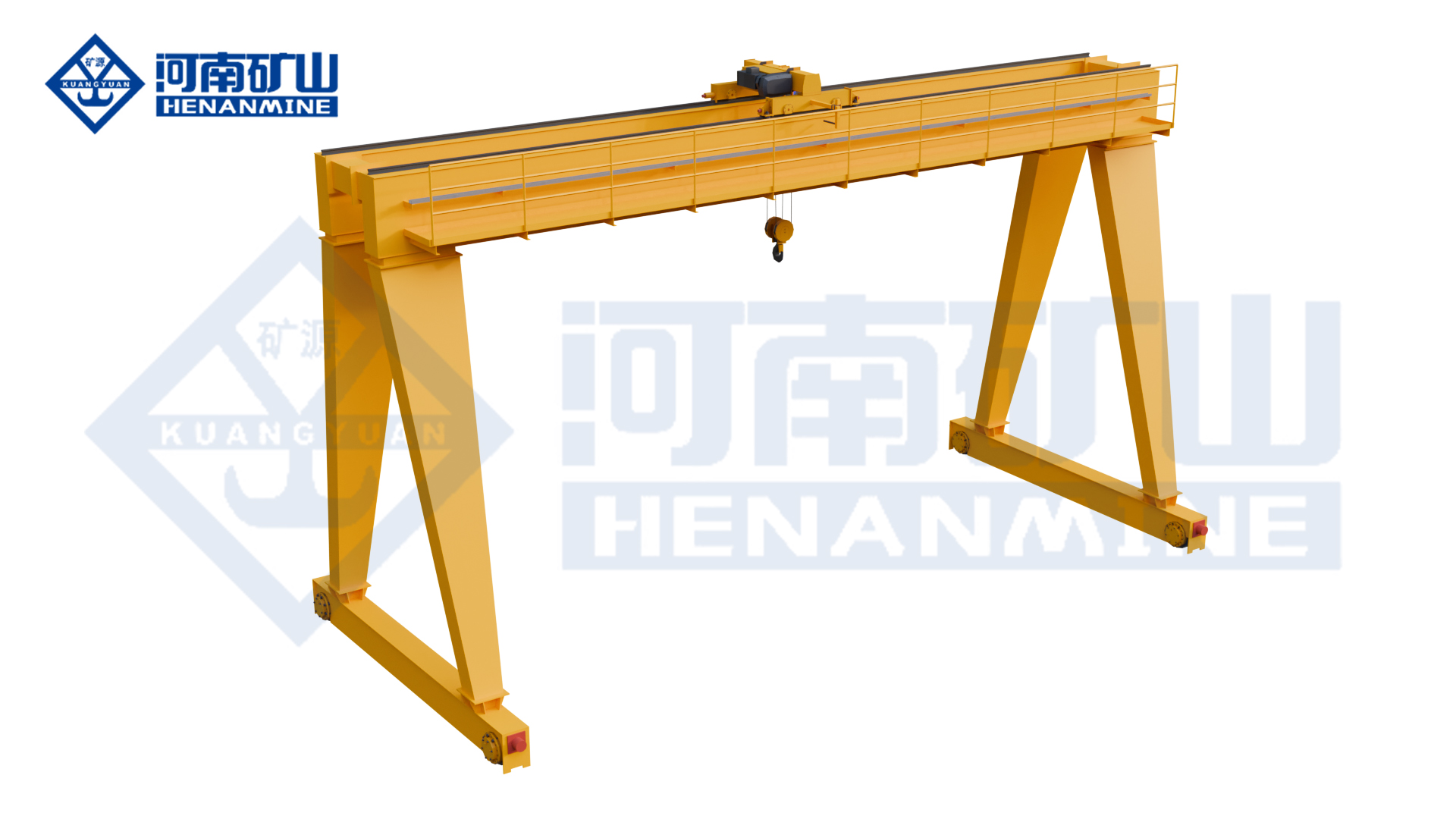
Material handling requiring a selected top-running hoist and variable-frequency motion package

Electric-hoist handling beside a suitable elevated runway
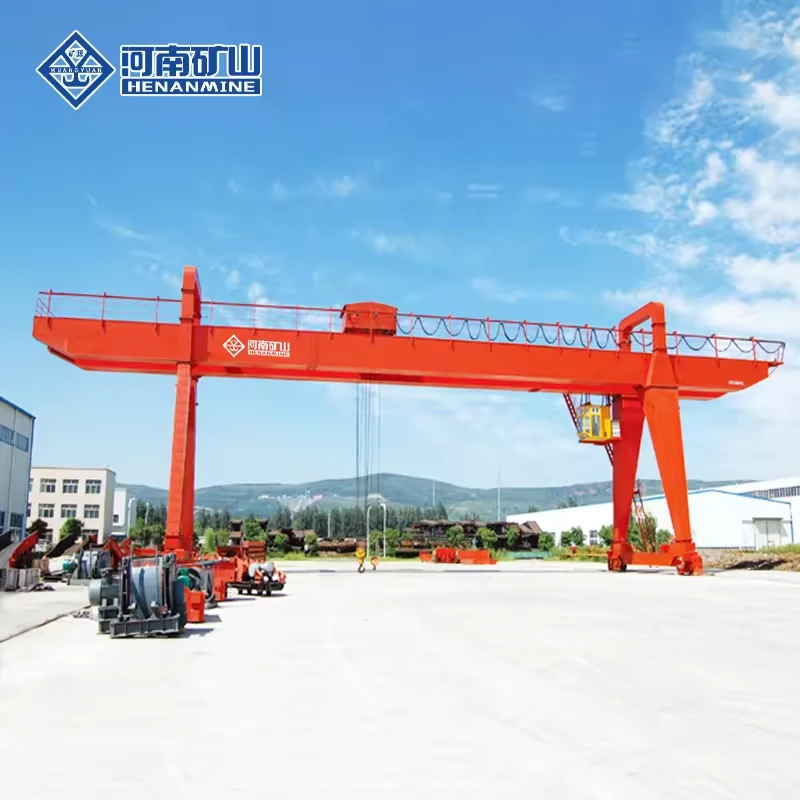
General cargo and component handling in yards, factories and loading areas
Compare the handling task, selected lifting equipment and supply scope before ordering.
Consider MHS when the required bridge and trolley geometry, upper hook position or working envelope makes a single-girder arrangement less suitable. The double-girder layout supports a seated hoist trolley.
It can improve the hook position compared with a directly suspended hoist, but the result depends on trolley dimensions, bridge depth and available clearance. Compare the highest required load position and rigging length with the general arrangement.
An electric hoist provides a straightforward lifting package for general intermittent handling and can simplify routine maintenance. A dedicated winch trolley may suit a different lifting cycle or mechanism requirement.
A cantilever can extend hook coverage beyond the supporting legs, which is useful for vehicle loading beside the main span. The usable reach depends on hook approach, leg clearance and the complete load path.
Describe how often the crane lifts, how much of the rated load it normally carries and how long each operating period lasts. Occasional equipment moves and repeated production lifts place different demands on the same nominal capacity.
Include the workpiece, slings, lifting beam and other accessories carried below the hook. The complete suspended load determines the lifting requirement, while the rigging length also affects useful clearance.
MHS travels on rails with foundations designed for the selected wheel reactions. Pavement alone does not establish the required support; rail alignment and the ground structure are part of the installation design.
Compare the same complete load, span, hook height and working cycle. Then compare the seated trolley, controls, cantilever coverage, rail interface and included installation services rather than the crane price alone.
Tell us what you lift, the approximate span, the required lifting height and your destination. If a dimension is unknown, describe the task and leave that field open.