
Sluice-gate operation
Raise or lower a gate through its specified travel. Base the lifting case on gate mass, sealing friction, water head, sediment and any uneven loading.
Bridge cranes for workshops and production lines.
Explore Overhead Cranes
Ground-supported lifting for yards and construction.
Explore Gantry Cranes
Wire rope and chain hoists for lifting points and cranes.
Explore Electric Hoists

Wire rope lifting and pulling with a powered drum.
Explore Electric Winches
Grab buckets, magnets and hooks for your load.
Explore Lifting Attachments & Grabs
Mobile handling for containers, precast and yard loads.
Explore Rubber-Tired Gantry Cranes & Straddle Carriers

Lift and move vessels through boatyards and marinas.
Explore Marine Travel Lifts
Ladle, slab, scrap and coil handling across steel production.

Container stacking and cargo transfers across terminals and rail.

Turbine installation, powerhouse maintenance and wind equipment assembly.

Controlled component transfer and positioning for precision assembly.

Heavy fabrication, production lifting and factory crane automation.

Process lifting for smelters, carbon blocks and anode materials.

Clean lifting and classified protection for sensitive process areas.

Bridge fabrication, metro construction and ship block assembly.

Automated storage and retrieval for plates, cables and bins.

Follow project dispatches, crane engineering and factory acceptance.

Dispatch, installation and equipment in service

Crane configurations and handling technology

Factory inspections, acceptance and test programmes

Company developments, people and community programmes
Select a QM gate-hoist gantry for controlled gate lifting and maintenance along a water-control structure. Match the crane to the gate mass, operating water-head cases, lifting points and required holding method. The offer should identify the travel arrangement, controls and access needed at each gate bay.
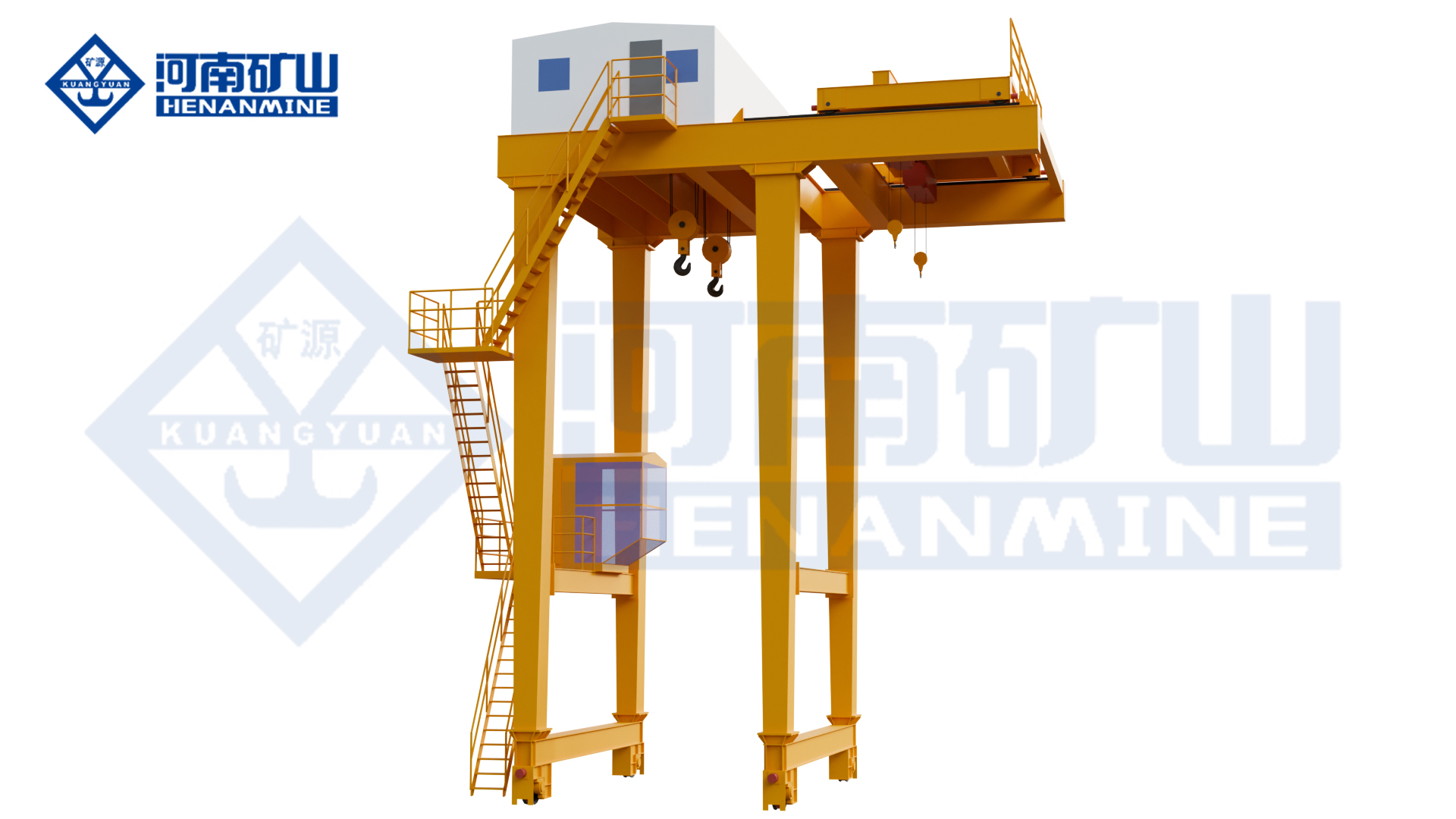
Choose the lifting and travel arrangement for the gate duties that the installation actually requires.
Raise or lower a gate through its specified travel. Base the lifting case on gate mass, sealing friction, water head, sediment and any uneven loading.
Lift gates or components to an agreed repair and storage position. Check the lifting lugs, useful hook travel, handling attachment and available clearance above the structure.
Serve planned openings along the travel rails. Confirm stop positions, power supply and service access at each bay, with the required position holding and emergency operating method.
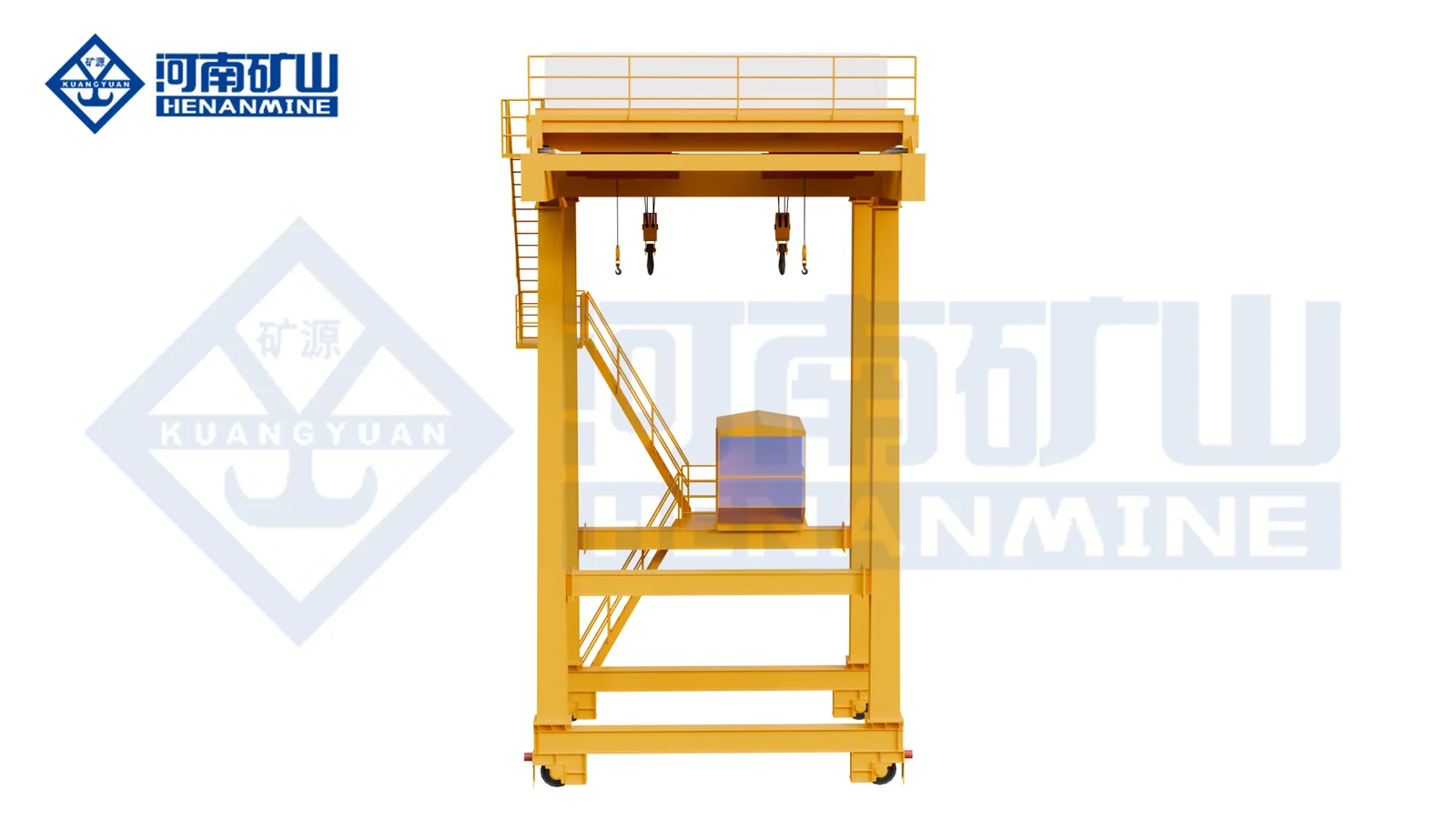
Capacity, span, useful hook travel and mechanisms are confirmed together for the quoted unit.
| Parameter | Reference selection range | Procurement check |
|---|---|---|
| Model / arrangement | QM / Gate Hoist Gantry Crane | Confirm arrangement and lifting device on the drawing. |
| Rated load for your order | Selected from complete suspended mass | Include load, rigging and any grab, magnet or lifting beam. |
| Rail-centre span / travel | Set from the site survey | Provide rail centres, travel length and hook coverage. |
| Lifting height | Set from pickup and set-down elevations | Allow for attachment depth and rigging height. |
| Working class / cycle | Select from load spectrum and cycles | State loaded lifts per hour, daily shifts and maximum-load frequency. |
| Gate loading | Project-specific including hydrostatic cases | Include friction, sediment and uneven loading. |
| Holding / controls | Project-specific | Define travel limits, position indication and emergency operation. |
| Wheel loads / wind | Calculated for selected structure | Request governing vertical, lateral, braking and storm cases. |

Provide gate mass, lifting points, sealing friction, water-head and sediment cases. Include uneven loading and the required handling attachment in the selected lifting duty.
Identify gate travel, maintenance lift, storage positions, rail centres and crane travel length. Confirm stops, useful hook coverage and access to every intended gate bay.
Agree position indication, travel limits, gate holding and emergency operation. Choose the arrangement together with the gate design; fixed or hydraulic hoisting may suit other duties.
Define rail supports, power, wind exposure and maintenance access. Request crane reactions, the named mechanisms and controls, applicable records and an agreed installation boundary.
Order one complete crane or define a project package. Itemise the gantry structure, lifting mechanism, travel drives, holding system and gate controls.
Request the selected load, dimensions and mechanisms, arrangement drawing, reactions, operating and electrical information, applicable inspection/test records and destination conformity documents.
Agree the production, factory inspection and dispatch dates after configuration approval. Confirm packing, transport dimensions, freight route and unloading access separately from site work.
Define site readiness, personnel and equipment for assembly, electrical hookup, commissioning and load testing. Agree operator information, training and the factory/site acceptance requirements.
Put warranty duration and component coverage in the offer. Separate wear parts and site-service costs; agree installation guidance, engineer attendance and model-matched maintenance parts.
State the approved equipment, support or floor interfaces and each party’s responsibilities. Include shipping terms, installation boundaries, handover documents and after-sales response in the contract.
Request service and warranty terms ↗Review related equipment against your load, site geometry and operating cycle.

Compare the MG operating arrangement
View details ↗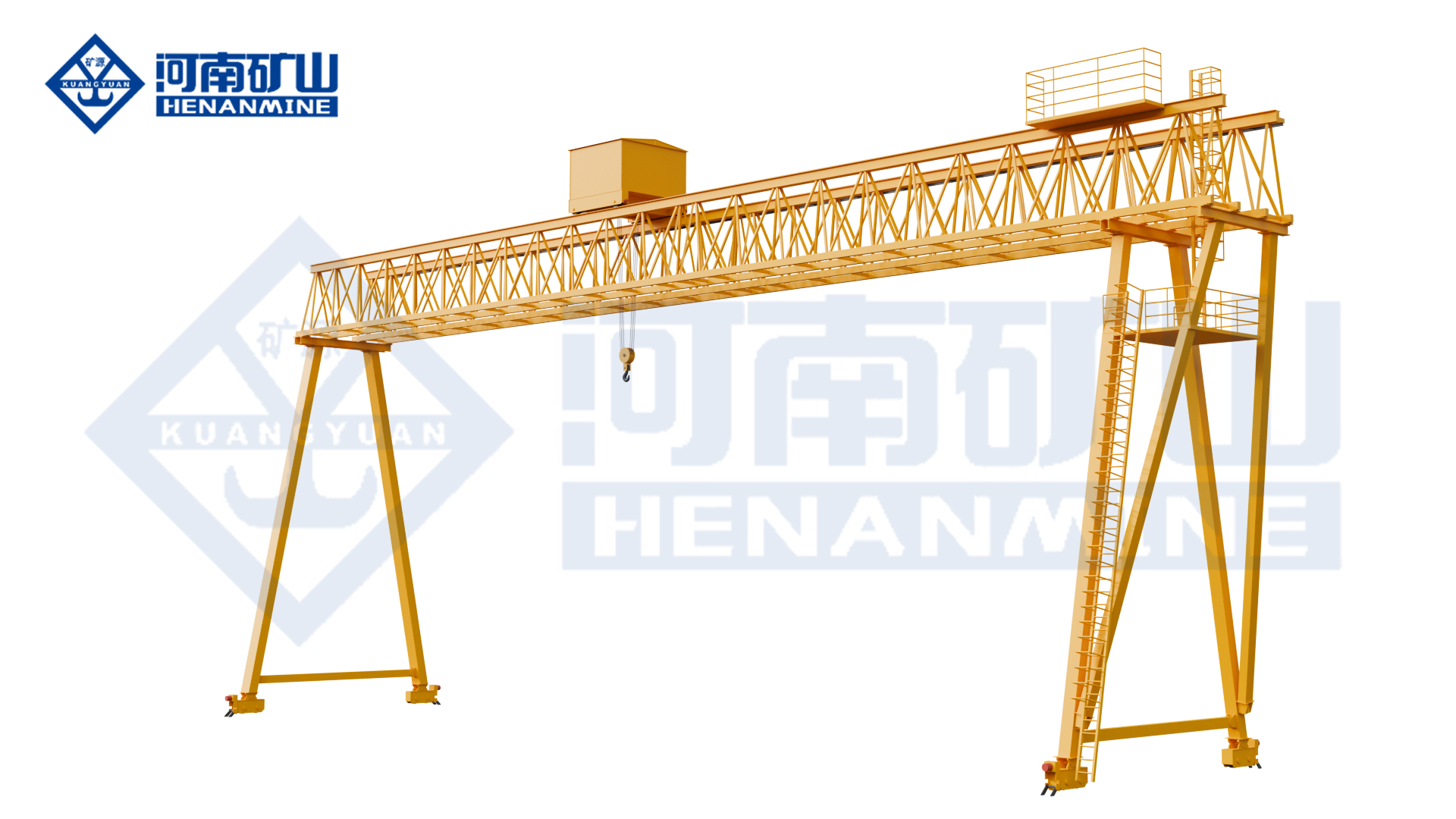
Compare the MGG operating arrangement
View details ↗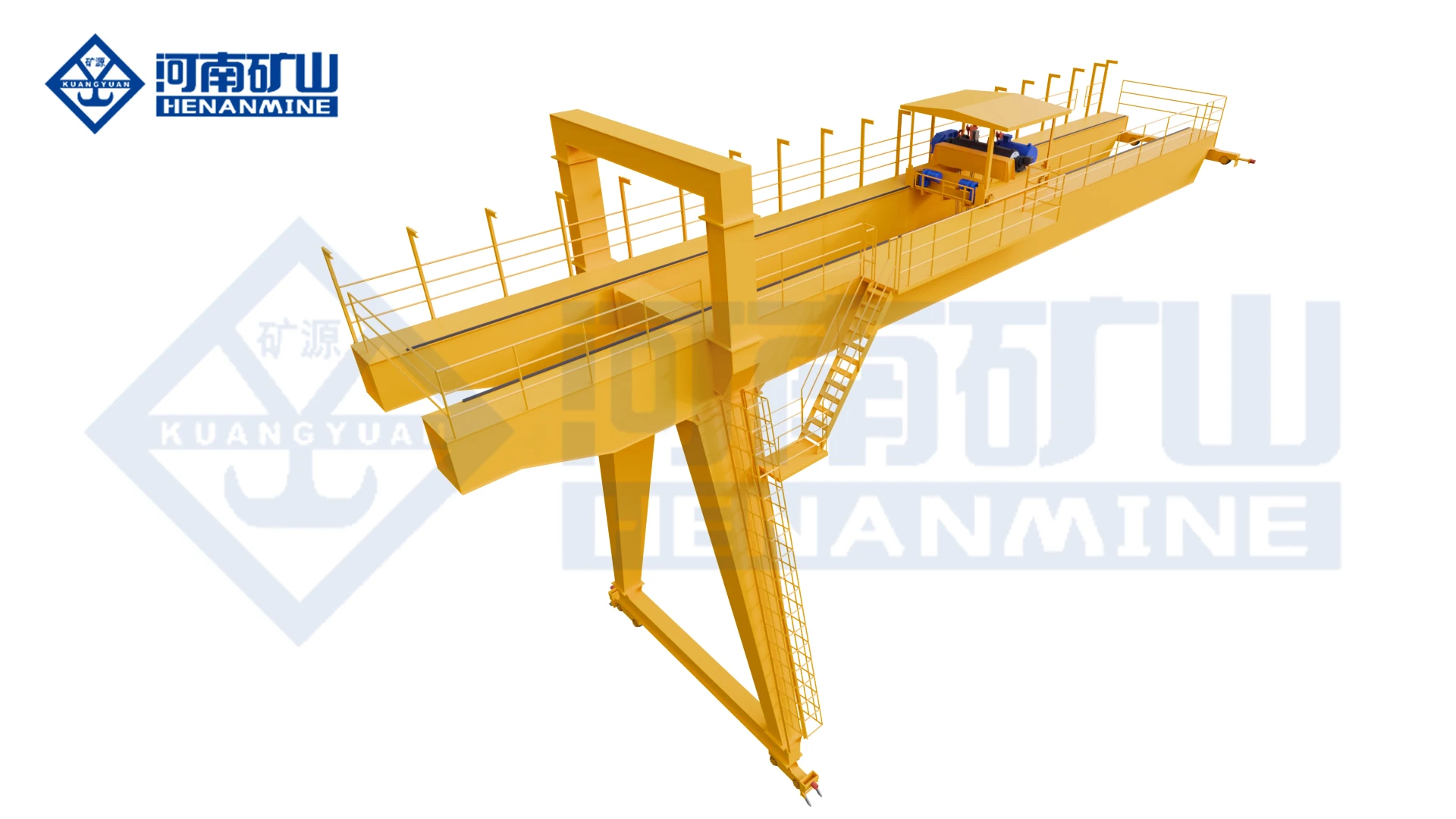
Compare the MGB operating arrangement
View details ↗Select by load, site and handling method
View details ↗Check the selection, commercial scope and installation requirements before ordering.
No. Provide water-head conditions, seal friction, sediment load and the required operating sequence.
Request a quotation for one complete crane. The commercial minimum and included equipment and services must be stated in the offer.
Ask for the inspection, test and destination-specific compliance documents applicable to the quoted model and configuration.
Request dated factory dispatch after deposit and drawing approval; list freight, installation and commissioning separately.
Tell us the maximum complete load, the handling task, rail layout, lifting height, cycle, site conditions, power and destination. Request a model-specific drawing, wheel-load schedule and dated commercial offer.
Discuss your project