Machining & fabrication
Transfer castings, welded frames and machined parts between workstations. Select the load rating for the heaviest component together with its lifting attachment.
Bridge cranes for workshops and production lines.
Explore Overhead Cranes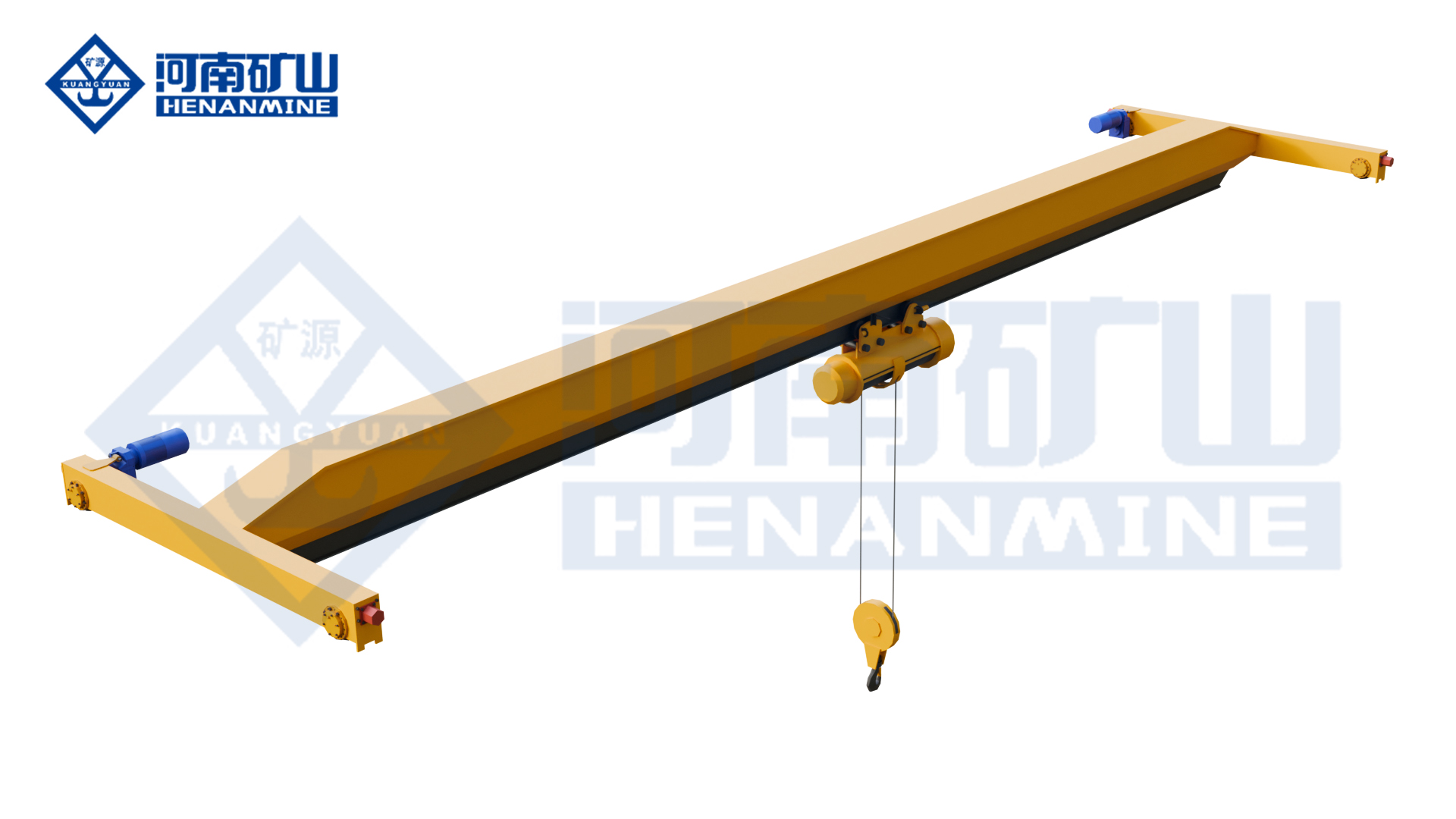
Ground-supported lifting for yards and construction.
Explore Gantry Cranes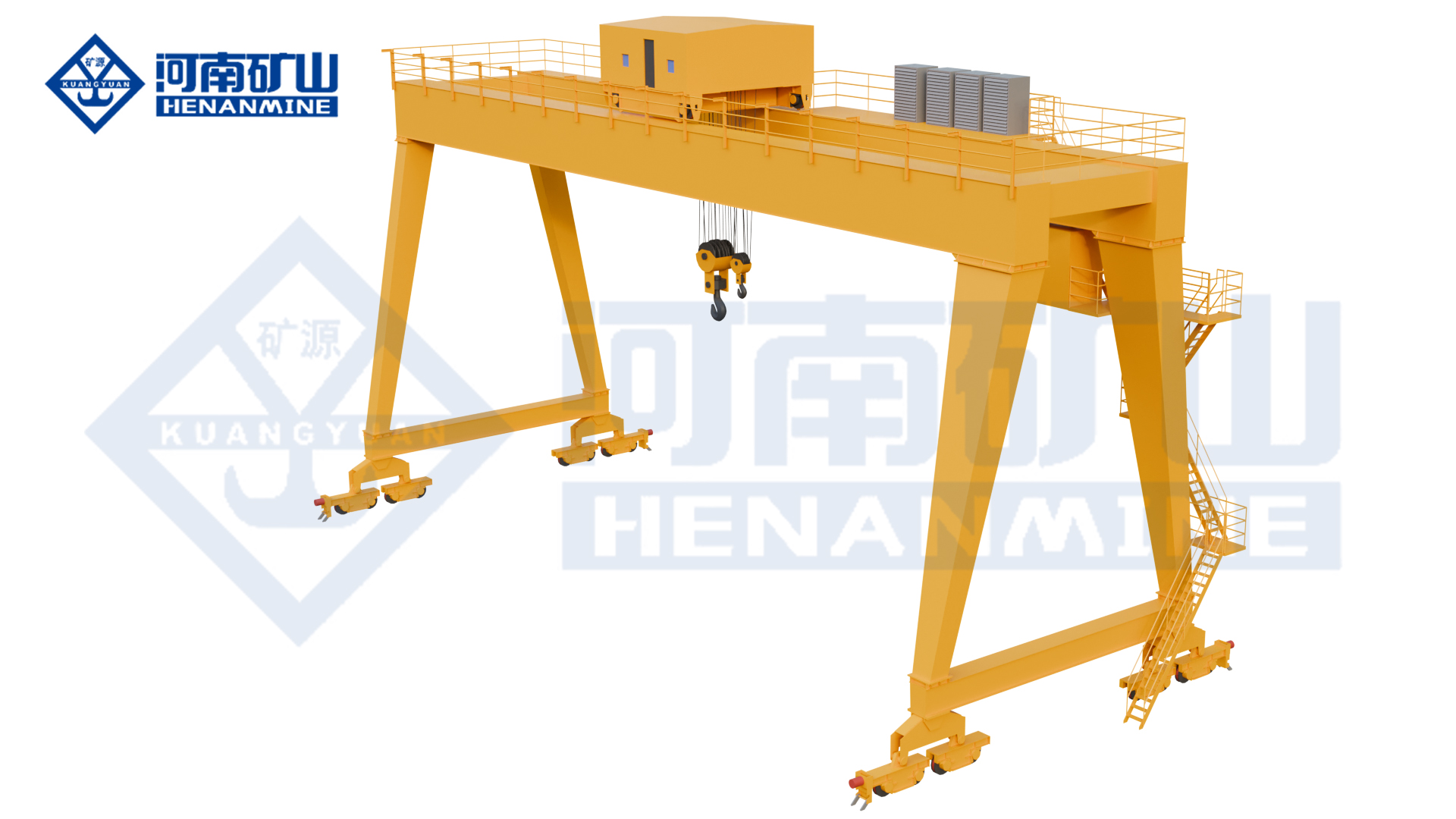
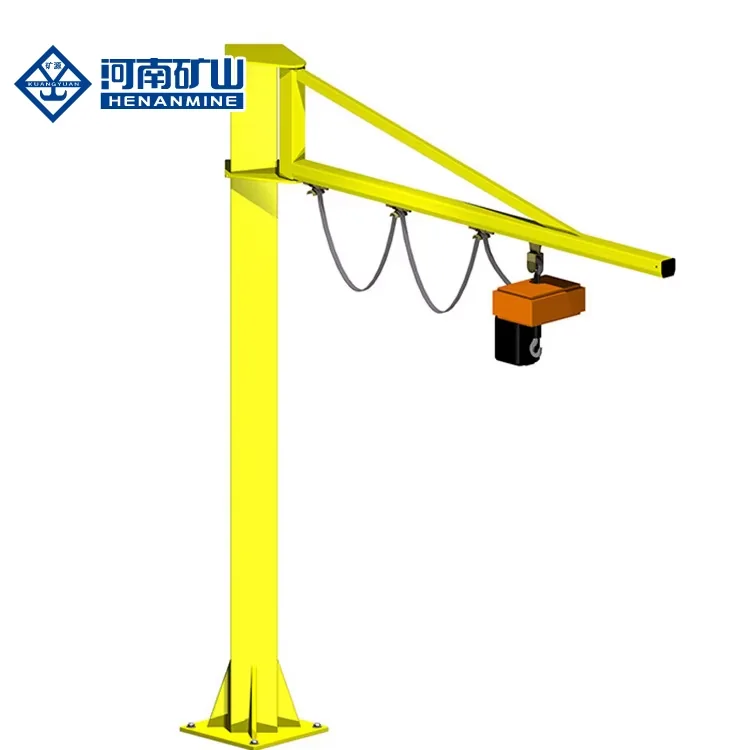
Wire rope and chain hoists for lifting points and cranes.
Explore Electric Hoists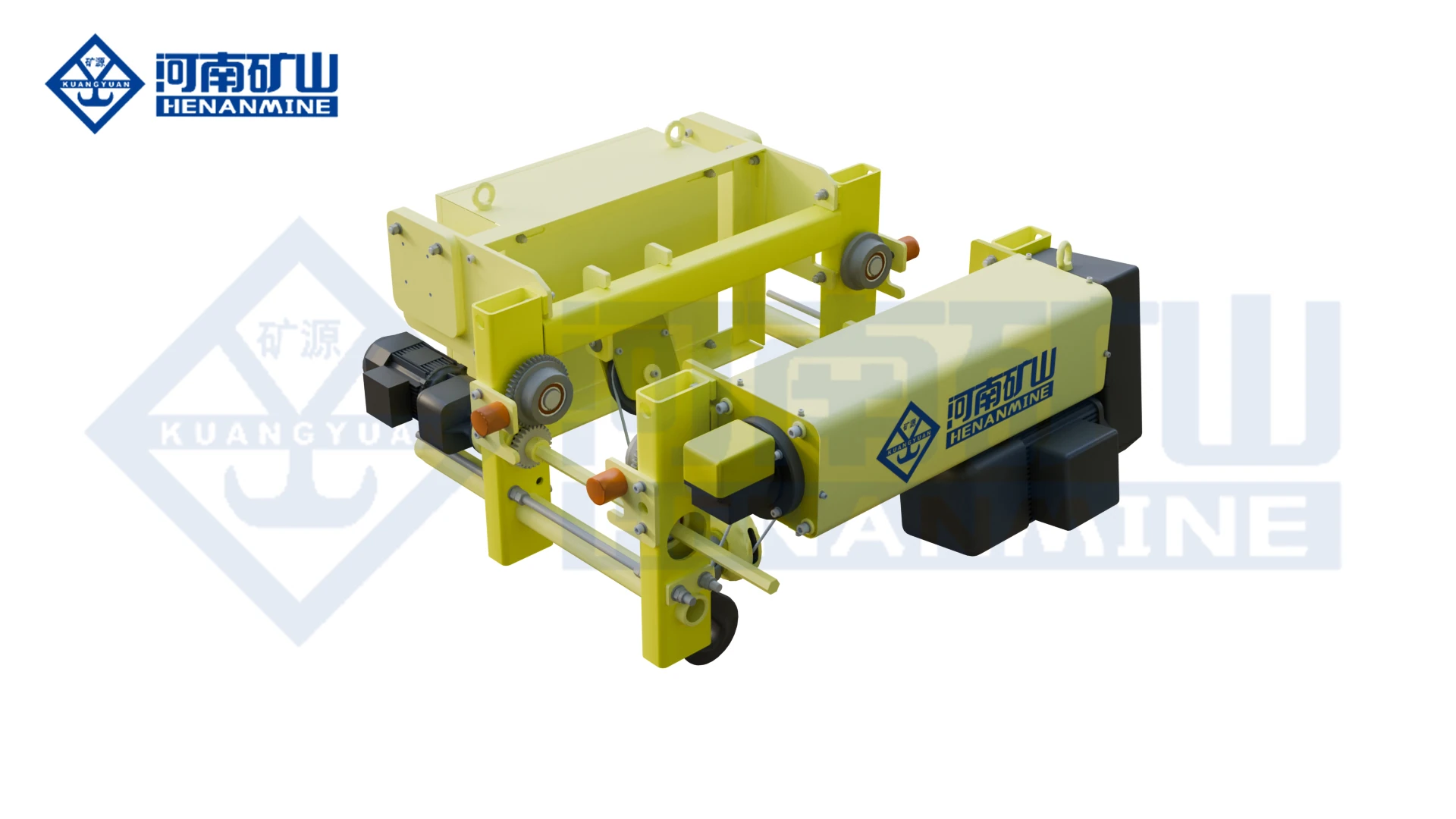
Wire rope lifting and pulling with a powered drum.
Explore Electric Winches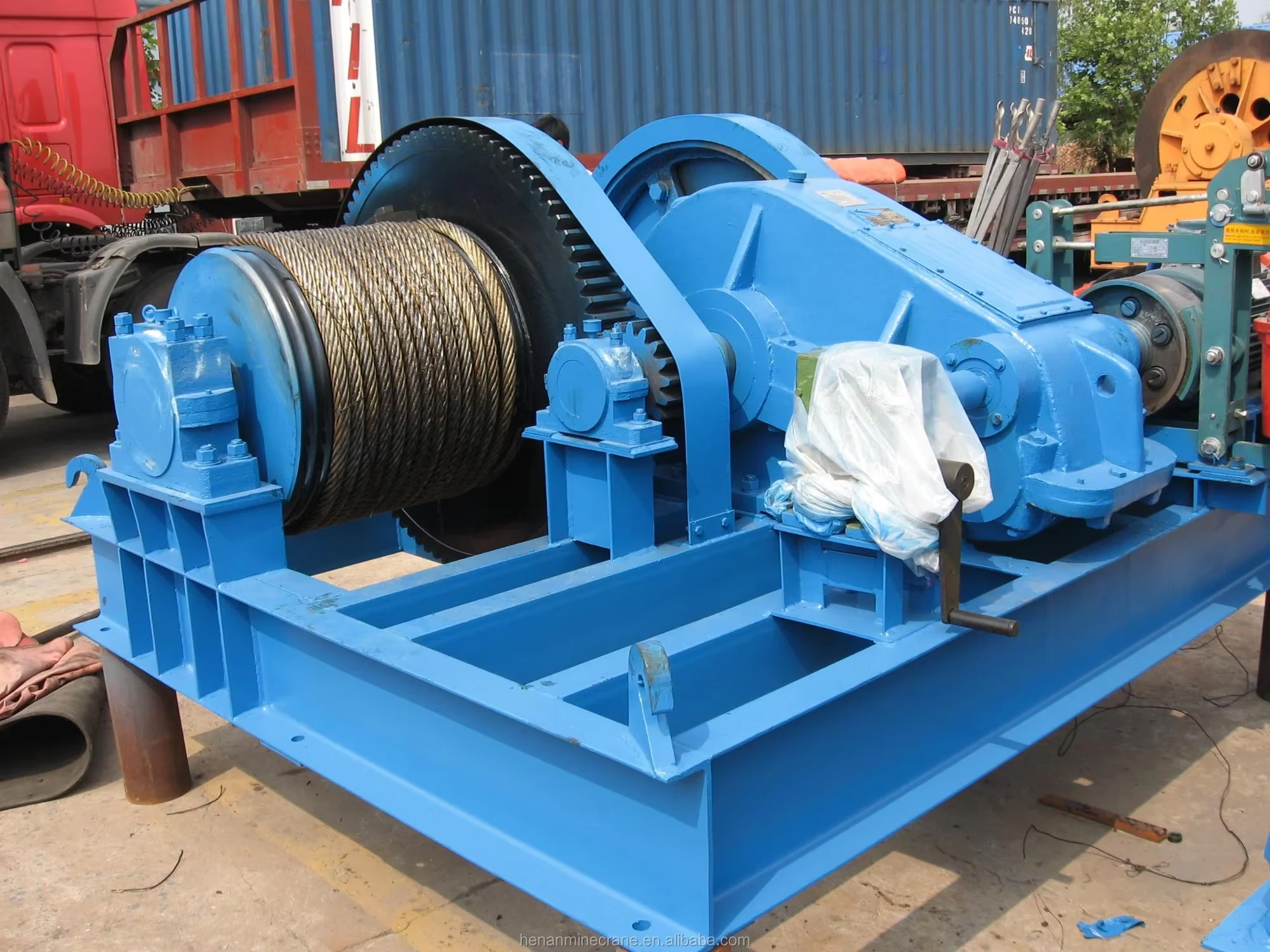
Grab buckets, magnets and hooks for your load.
Explore Lifting Attachments & Grabs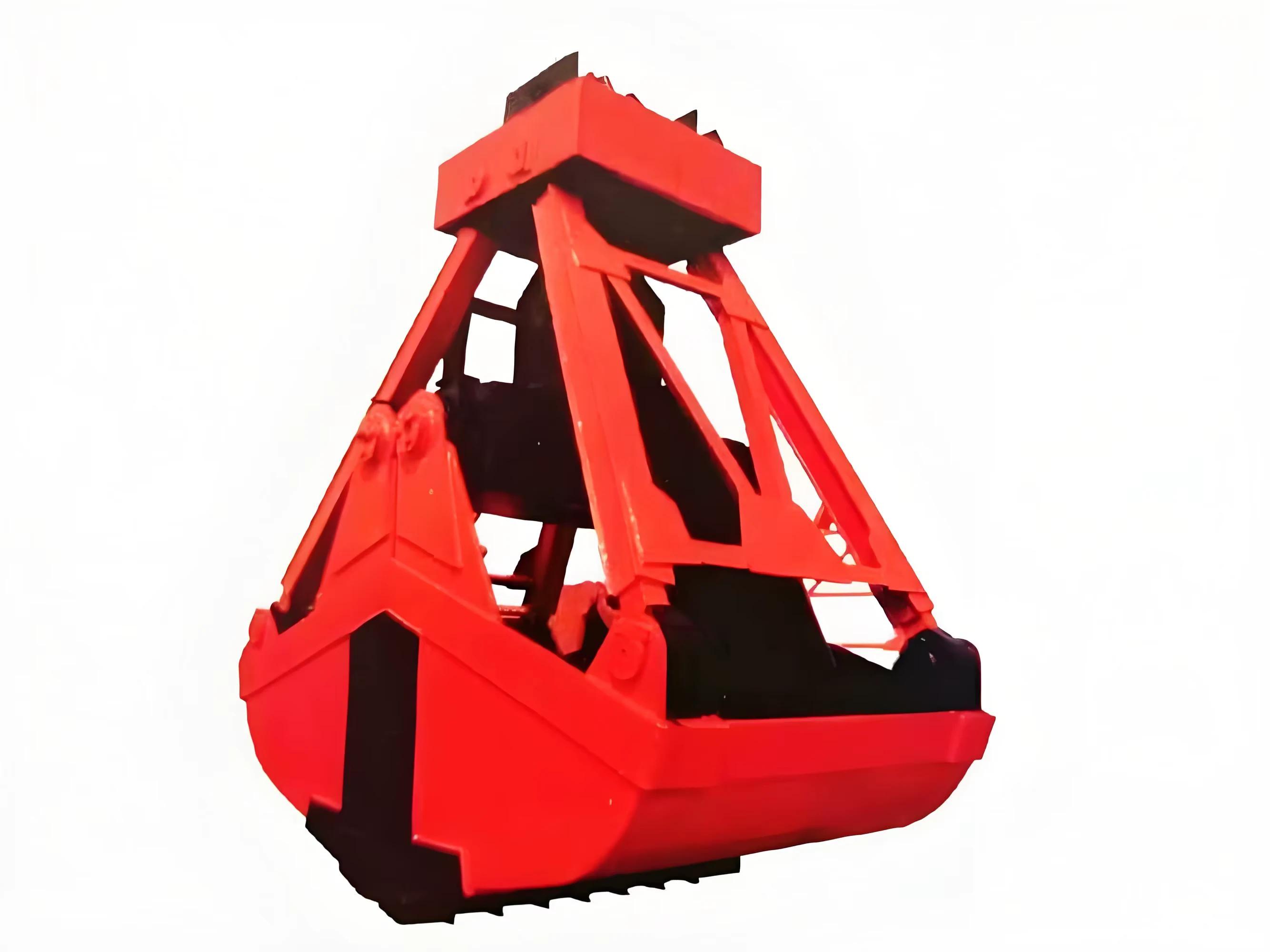
Mobile handling for containers, precast and yard loads.
Explore Rubber-Tired Gantry Cranes & Straddle Carriers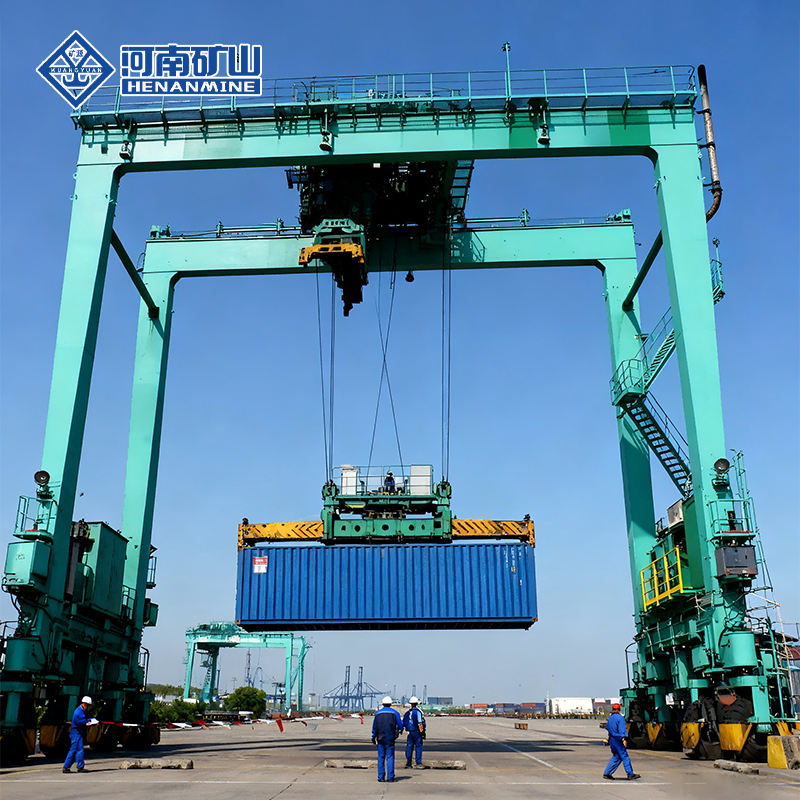
Lift and move vessels through boatyards and marinas.
Explore Marine Travel Lifts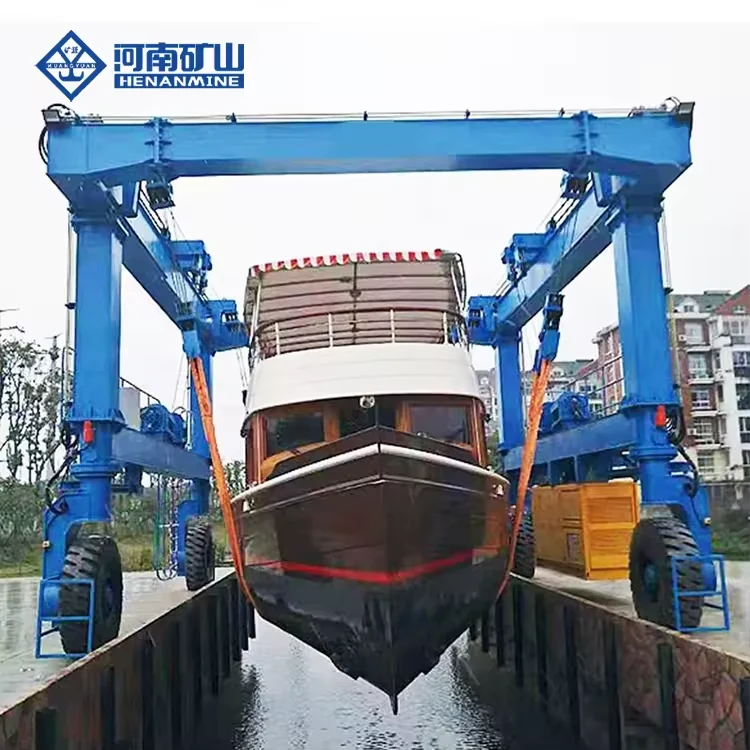
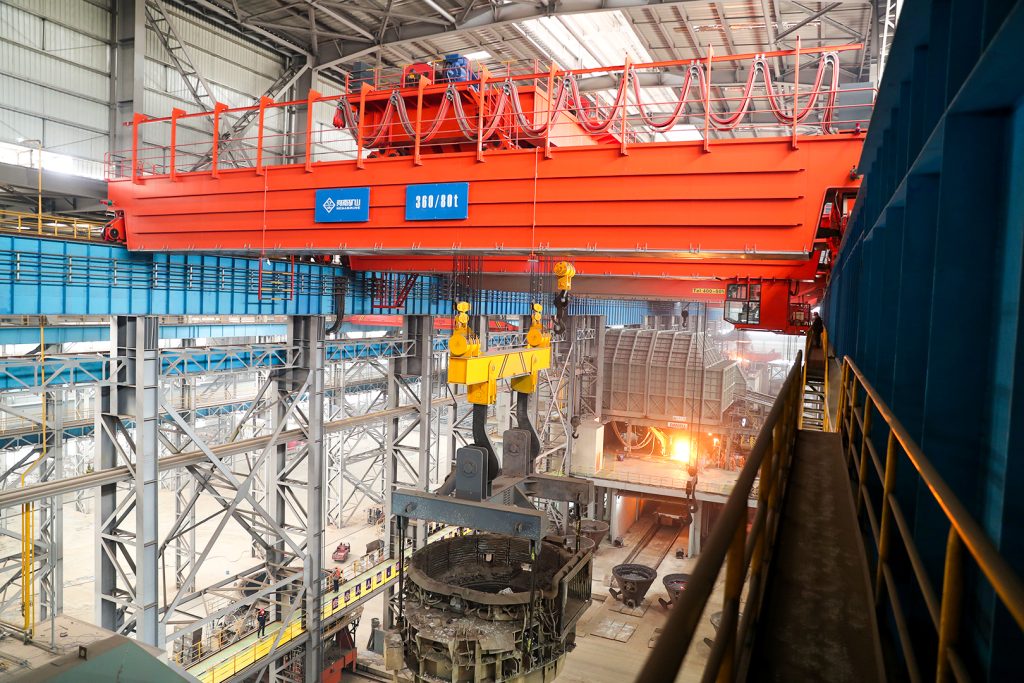
Ladle, slab, scrap and coil handling across steel production.
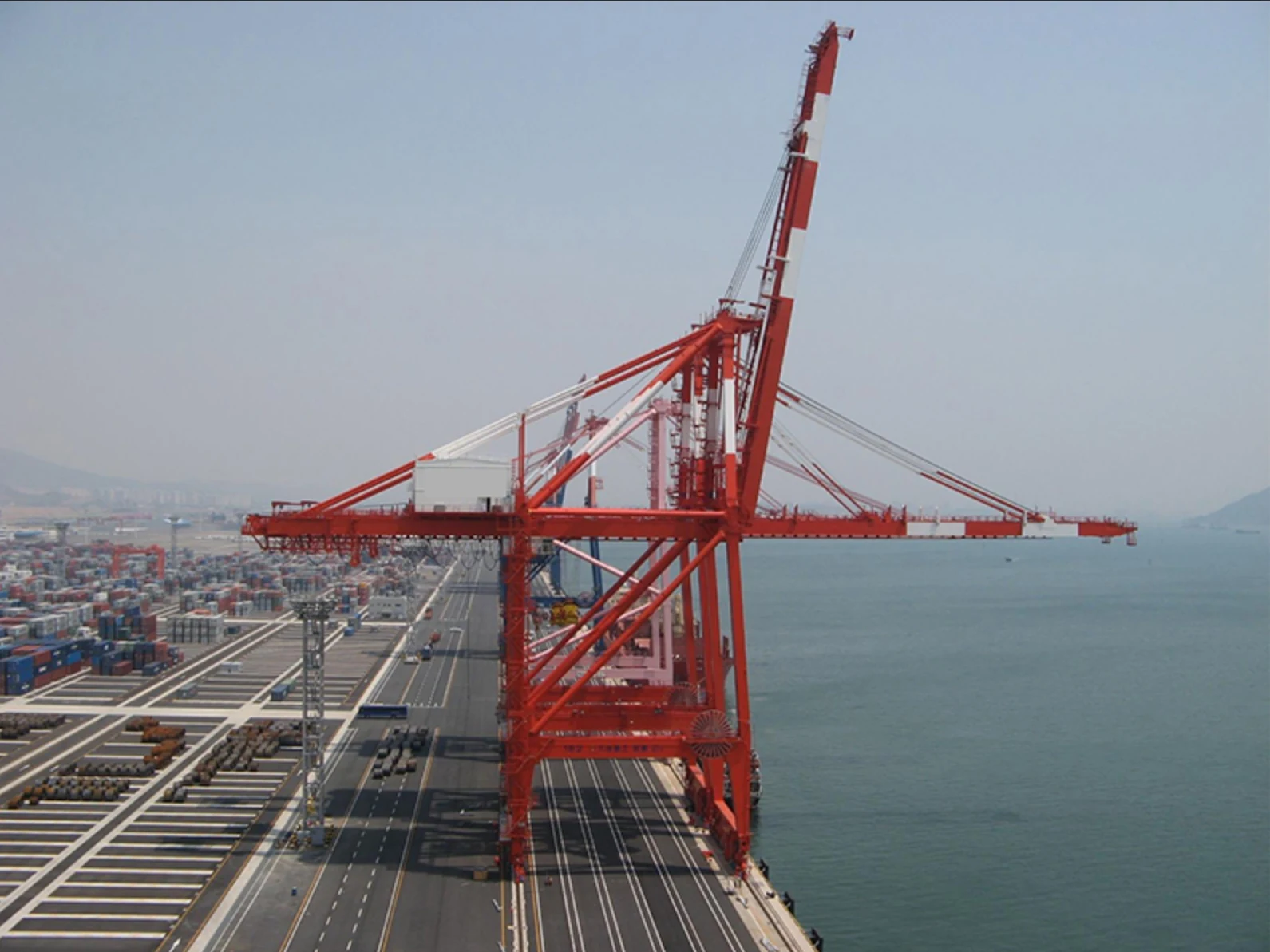
Container stacking and cargo transfers across terminals and rail.
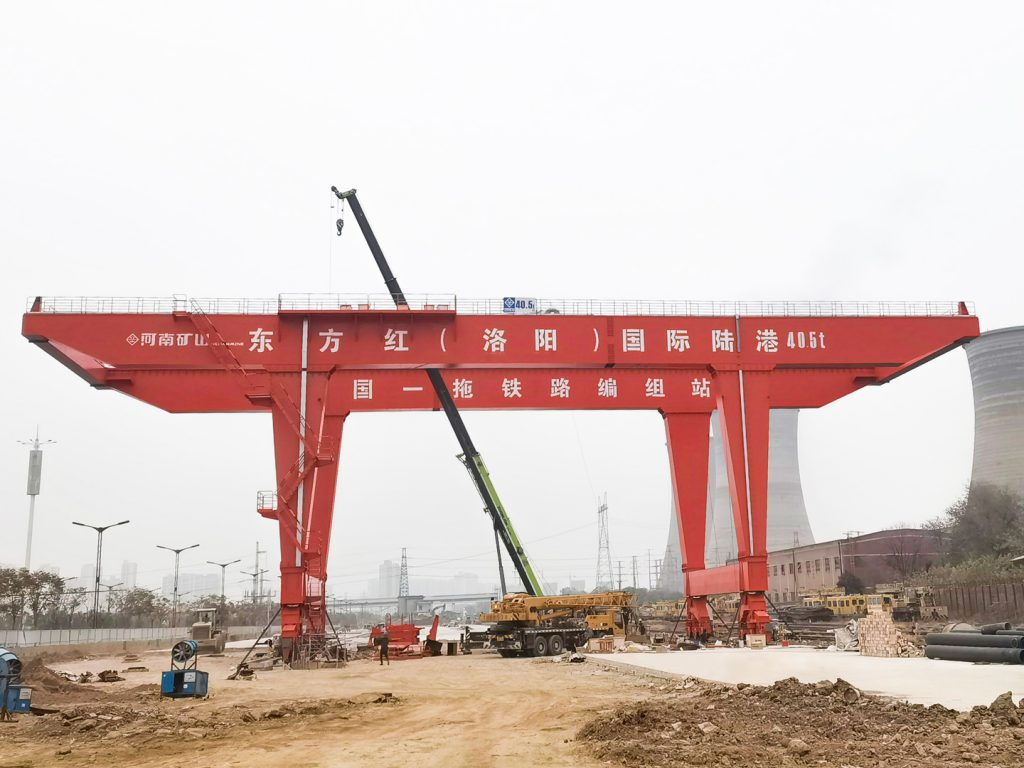
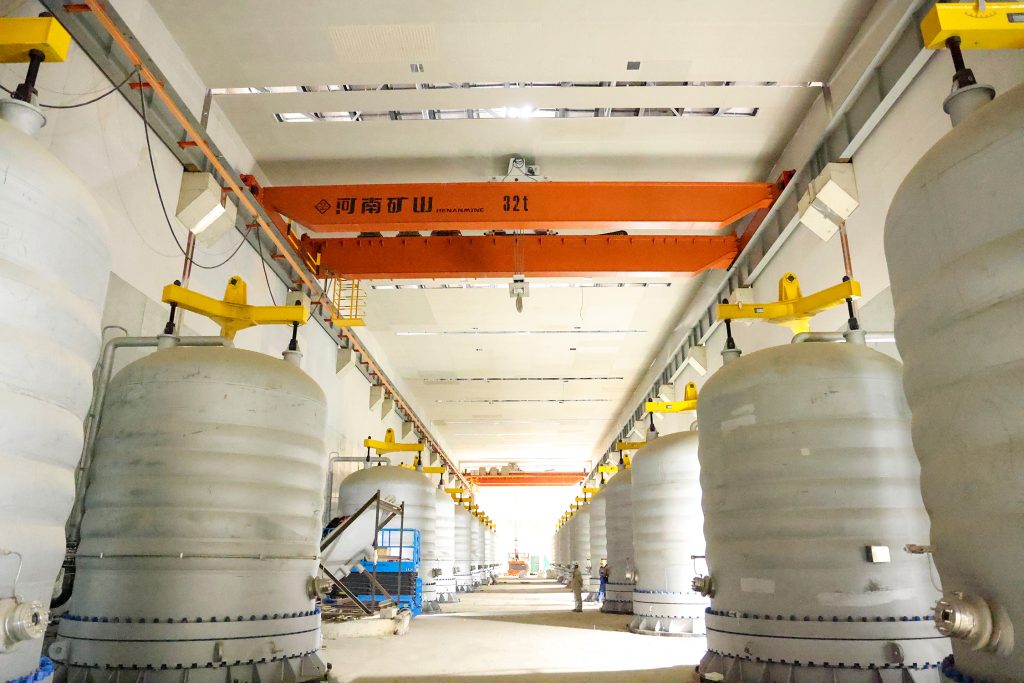
Turbine installation, powerhouse maintenance and wind equipment assembly.
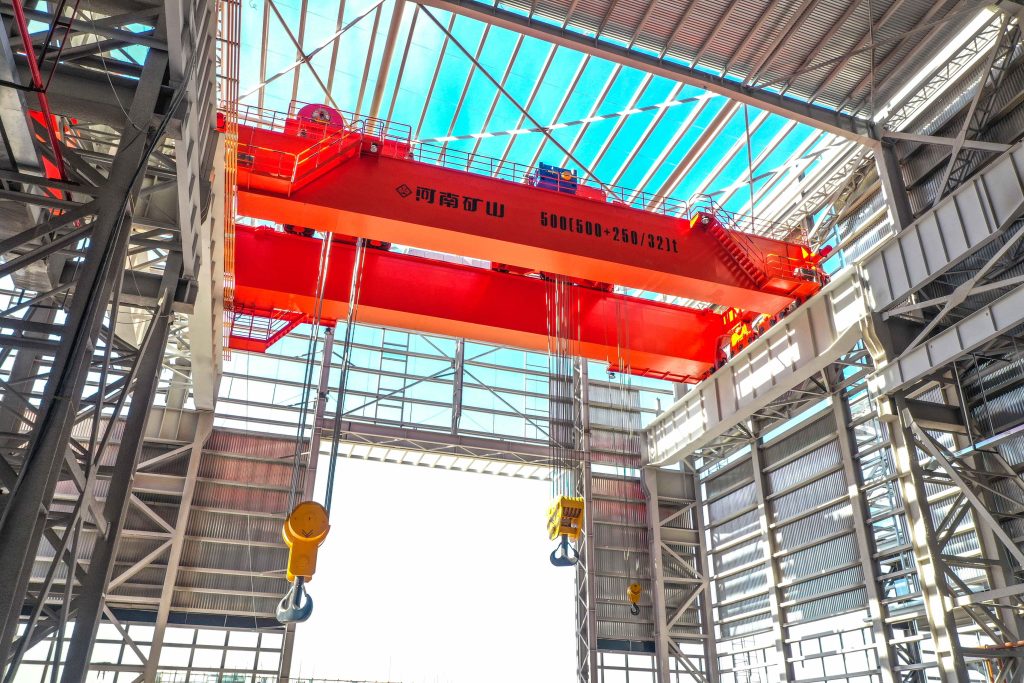
Controlled component transfer and positioning for precision assembly.
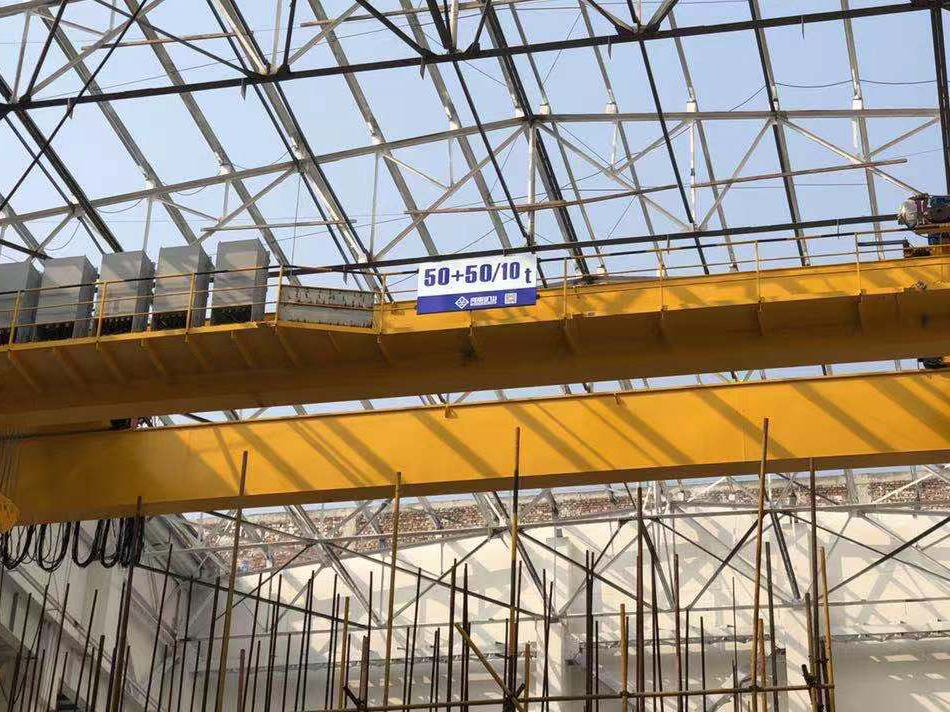
Heavy fabrication, production lifting and factory crane automation.
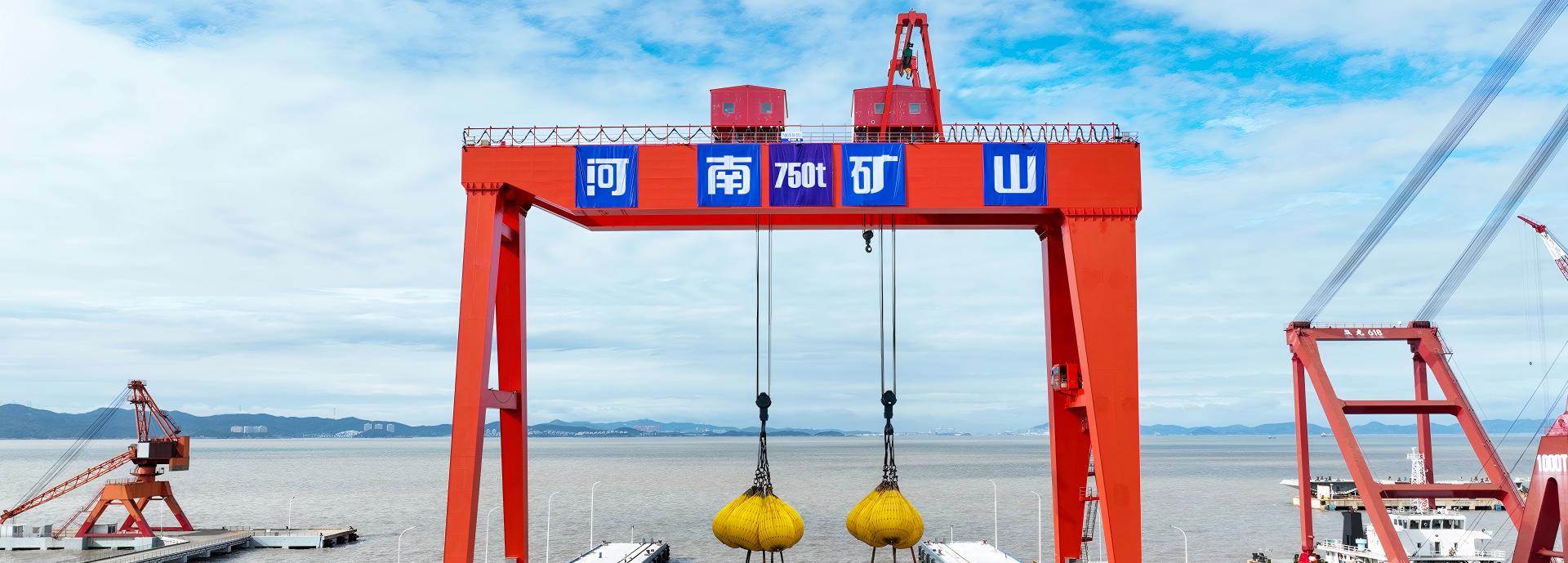
Process lifting for smelters, carbon blocks and anode materials.
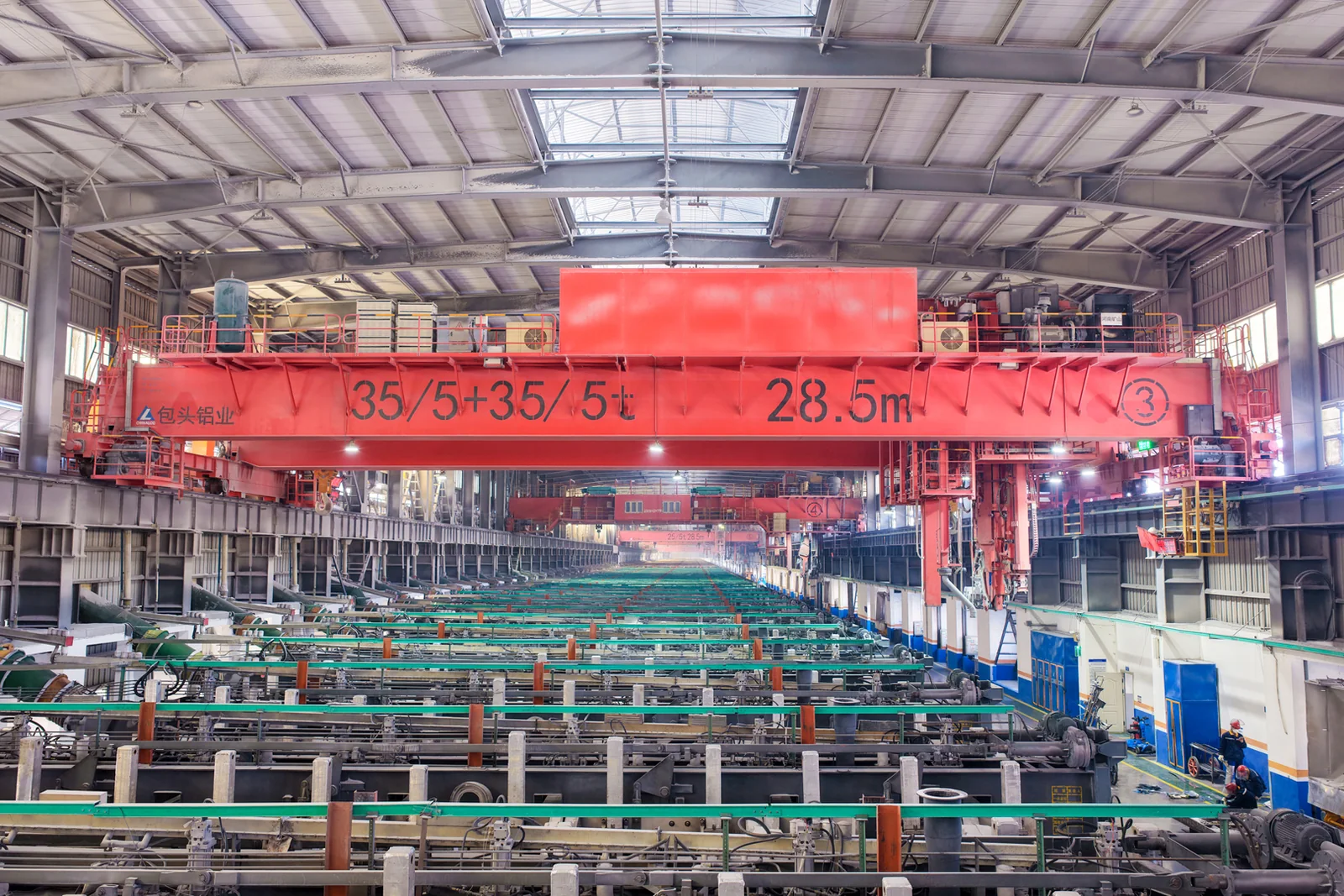
Clean lifting and classified protection for sensitive process areas.
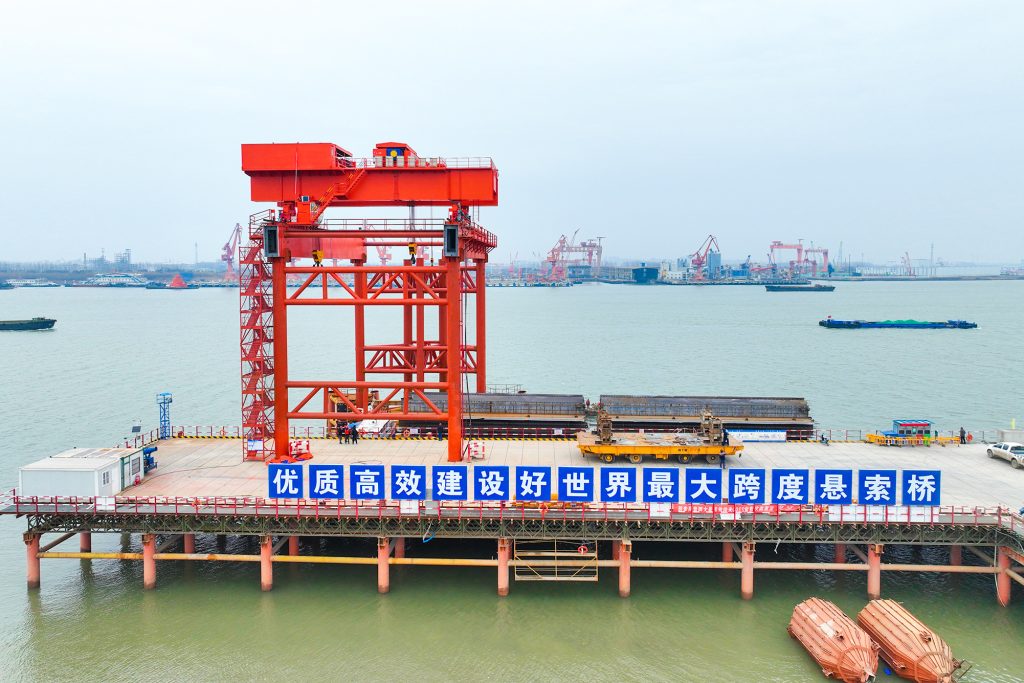
Bridge fabrication, metro construction and ship block assembly.
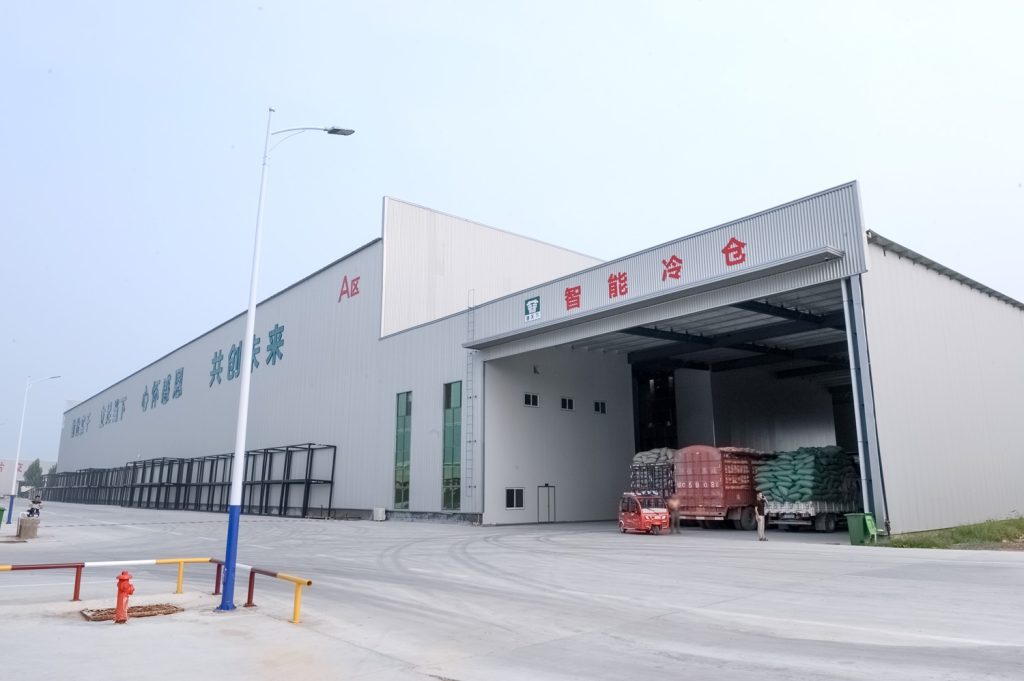
Automated storage and retrieval for plates, cables and bins.
Follow project dispatches, crane engineering and factory acceptance.
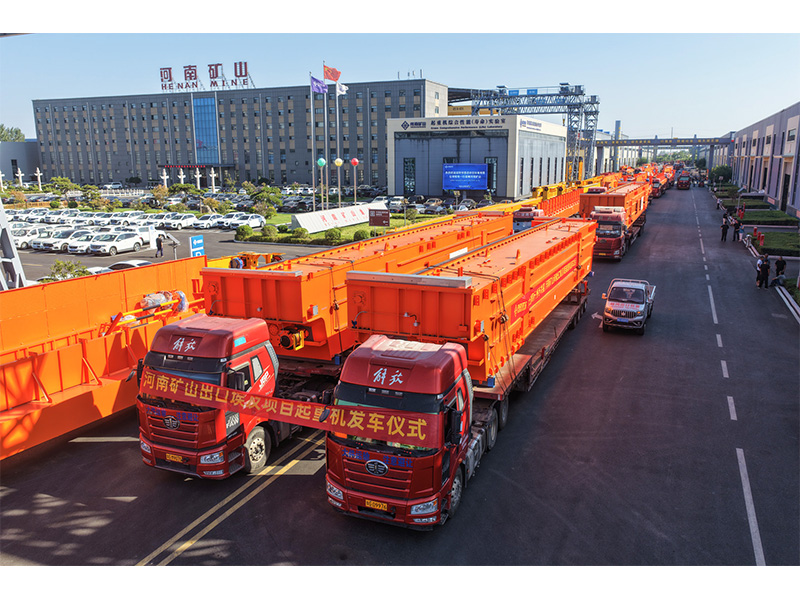
Dispatch, installation and equipment in service
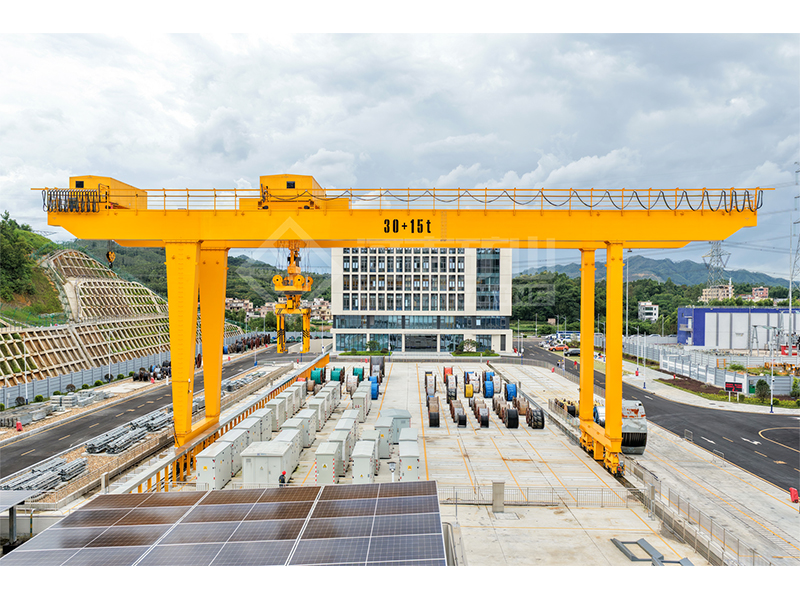
Crane configurations and handling technology
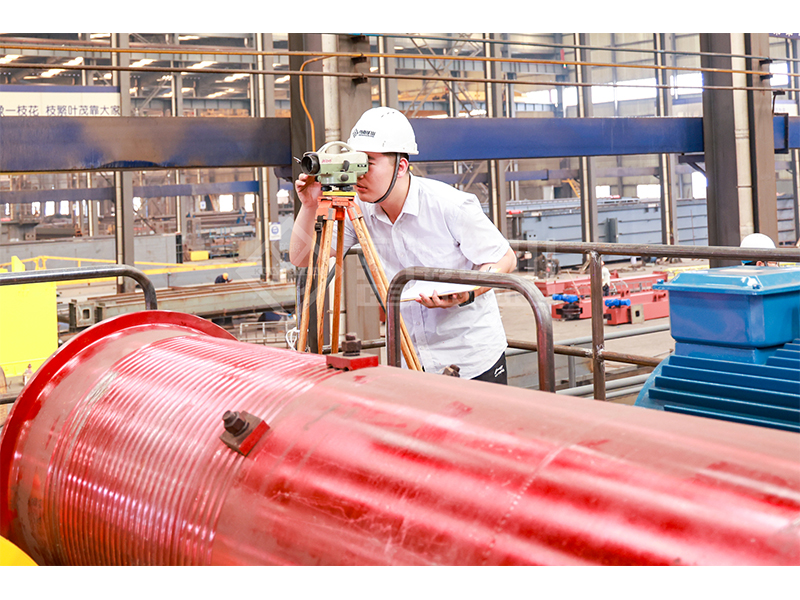
Factory inspections, acceptance and test programmes

Company developments, people and community programmes
Move machine parts, fabricated components and equipment across a workshop bay with a seated wire-rope hoist on a double-girder bridge. LH provides 3, 5, 10, 16 and 20 t configurations for intermittent production, storage and maintenance lifting. Choose normal-speed lifting for routine transfers or a normal-and-creep package for a slower final approach.
Start with your heaviest load and approximate workshop span. Tell us if you need a slower speed for fitting or assembly.
Start with the dimensions you already know. A workshop photo or sketch can help us recommend a configuration.
The electric hoist sits on the trolley frame above the bridge, helping make more of the available hook height for equipment handling and stacking.
Select the lifting package for the rated capacity. A creep-speed option gives the operator a slower approach when lowering a component onto a machine or assembly position.
One trolley moves the hook across the bridge while the complete crane travels along the runway. Pendant or radio control lets the operator follow the load from the workshop floor.
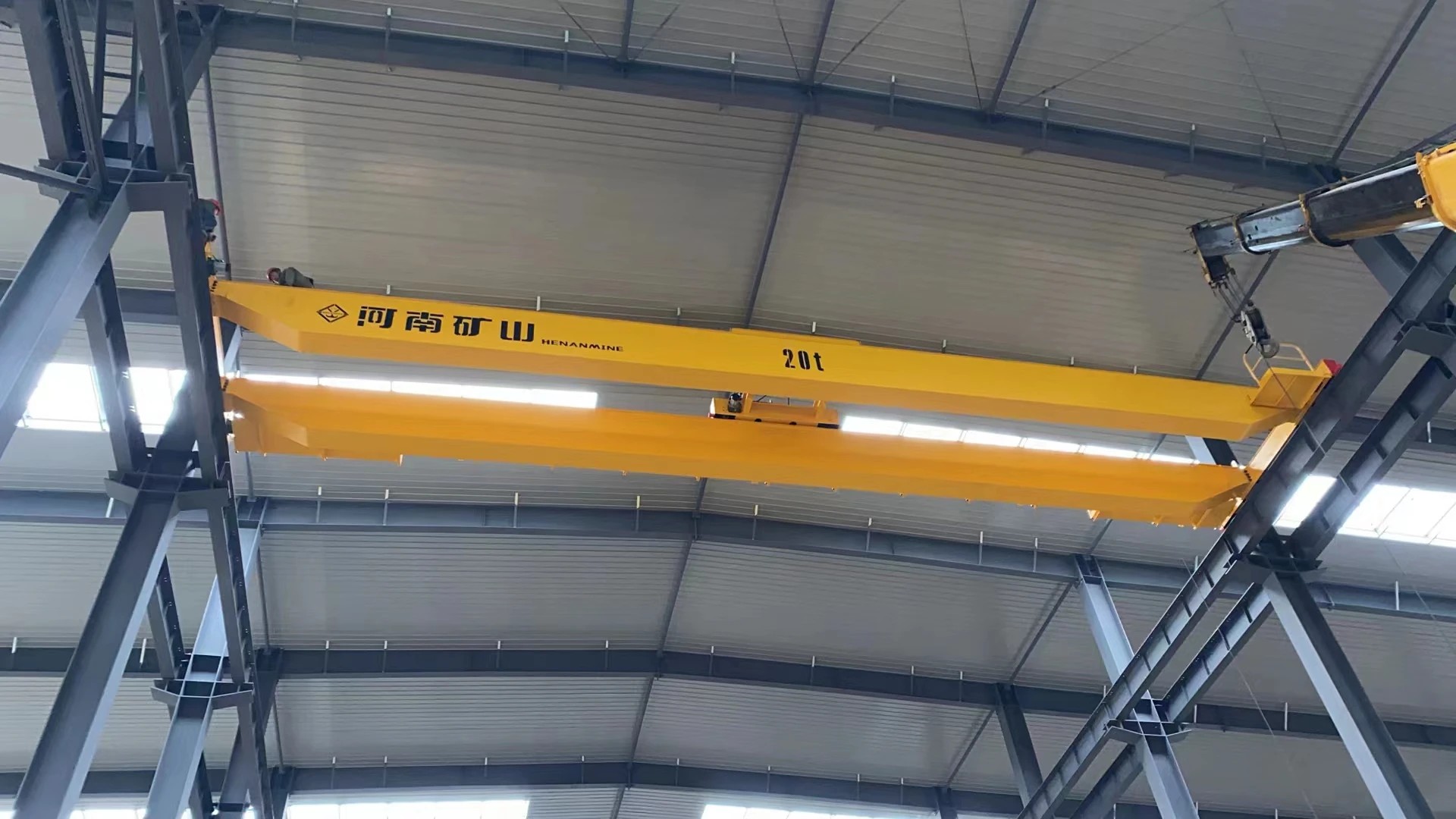
Transfer castings, welded frames and machined parts between workstations. Select the load rating for the heaviest component together with its lifting attachment.
Lift motors, gearboxes and machinery assemblies into a prepared position. Choose dual-speed lifting when the final placement needs a slower vertical approach.
Move equipment and bundled materials between designated pickup and storage positions within one runway bay, keeping floor routes available for other traffic.
For two separated lifting points, compare LHE and LHEA twin-trolley cranes. For more frequent production handling, compare the standard A5 KSSL hoist platform.
Compare the available options for your lifting task. Capacity, span, lift height and speed are matched in the selected configuration.
| Model | LH |
|---|---|
| Rated capacity | 3 / 5 / 10 / 16 / 20 t |
| Span options | 10.5 / 13.5 / 16.5 / 19.5 / 22.5 / 25.5 / 28.5 / 31.5 m |
| Lifting height | 3 t: 6 / 9 / 12 m; 5 t: 6 / 9 / 12 / 18 m; 10–20 t: 9 / 12 m |
| Crane duty | A3–A4 |
| Hoisting speed | 3 / 5 t: 8 or 8/0.8; 10 t: 7 or 7/0.7; 16 t: 3.5 or 3.5/0.35; 20 t: 6 or 6/0.6 m/min |
| Trolley travel speed | 20 m/min |
| Bridge travel speed | 3–16 t: 20 or 30 m/min; listed 20 t configuration: 20 m/min |
| Hoist package | 3–16 t: CD1 / MD1; 20 t: HC / HM |
| Trolley arrangement | One seated electric-hoist trolley |
| Control | Pendant; radio control by order |
| Standard power supply | 380 V / 50 Hz / three-phase; destination supply by order |
| Working environment | General indoor production, storage, assembly and maintenance |
| Custom configurations | Capacity, span, hook travel and control package to project requirements |
| Capacity | Hoist | Lifting height | Hoisting speed | Trolley travel | Bridge travel | Duty |
|---|---|---|---|---|---|---|
| 3 t | CD1 / MD1 | 6 / 9 / 12 m | 8 or 8/0.8 m/min | 20 m/min | 20 or 30 m/min | A3–A4 |
| 5 t | CD1 / MD1 | 6 / 9 / 12 / 18 m | 8 or 8/0.8 m/min | 20 m/min | 20 or 30 m/min | A3–A4 |
| 10 t | CD1 / MD1 | 9 / 12 m | 7 or 7/0.7 m/min | 20 m/min | 20 or 30 m/min | A3–A4 |
| 16 t | CD1 / MD1 | 9 / 12 m | 3.5 or 3.5/0.35 m/min | 20 m/min | 20 or 30 m/min | A3–A4 |
| 20 t | HC / HM | 9 / 12 m | 6 or 6/0.6 m/min | 20 m/min | 20 m/min | A3–A4 |
Each row is a matched capacity and hoist family. Span options are 10.5–31.5 m in 3 m steps; custom dimensions and speeds are confirmed in the technical offer.
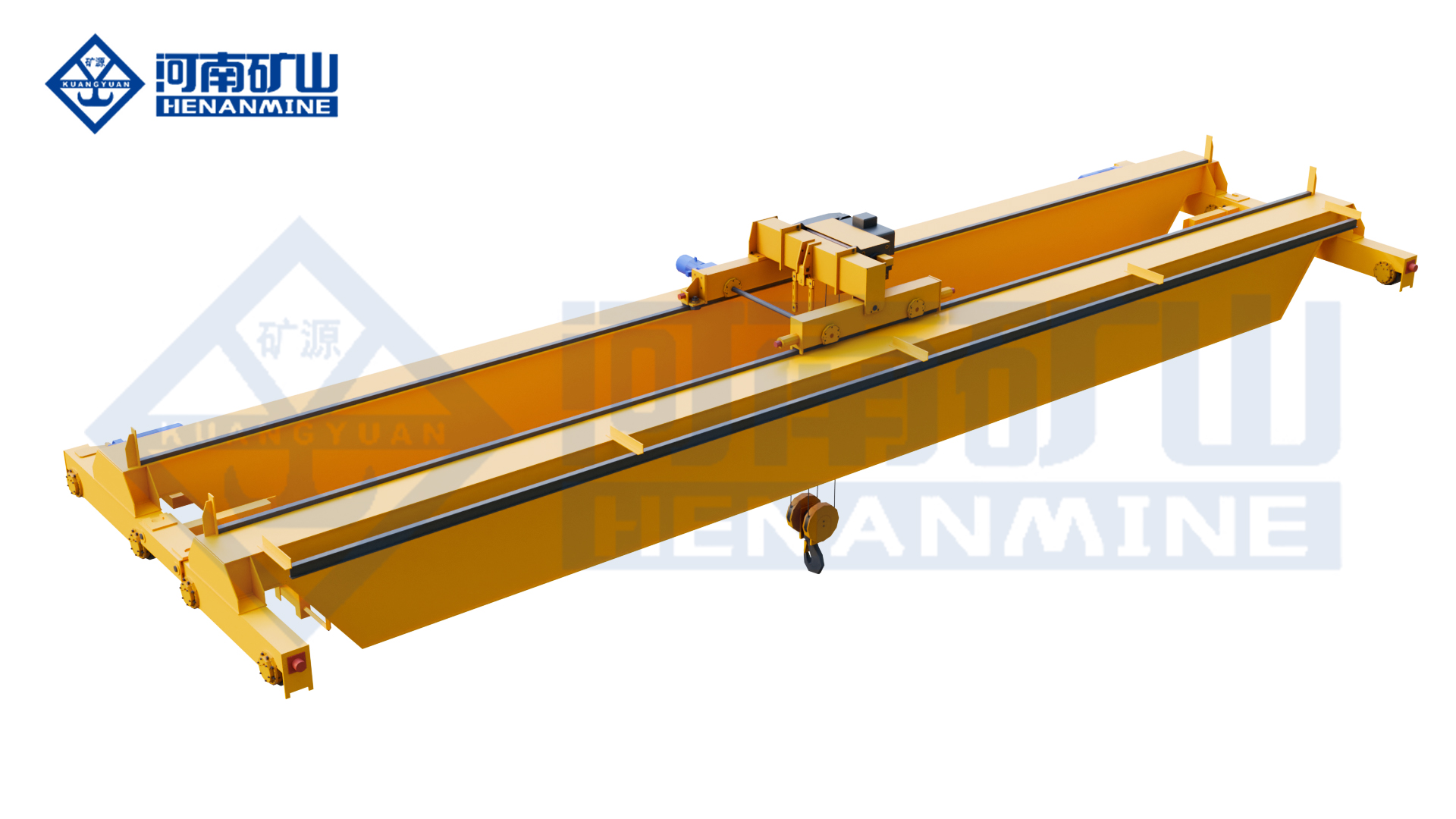
The trolley carries a fixed electric wire-rope hoist. Complete-crane and lifting-unit views help you compare the trolley layout, bridge arrangement and access to the hoist.

The five capacity options below have their own hoist and speed combinations. Span, hook travel and controls are selected for your workshop.
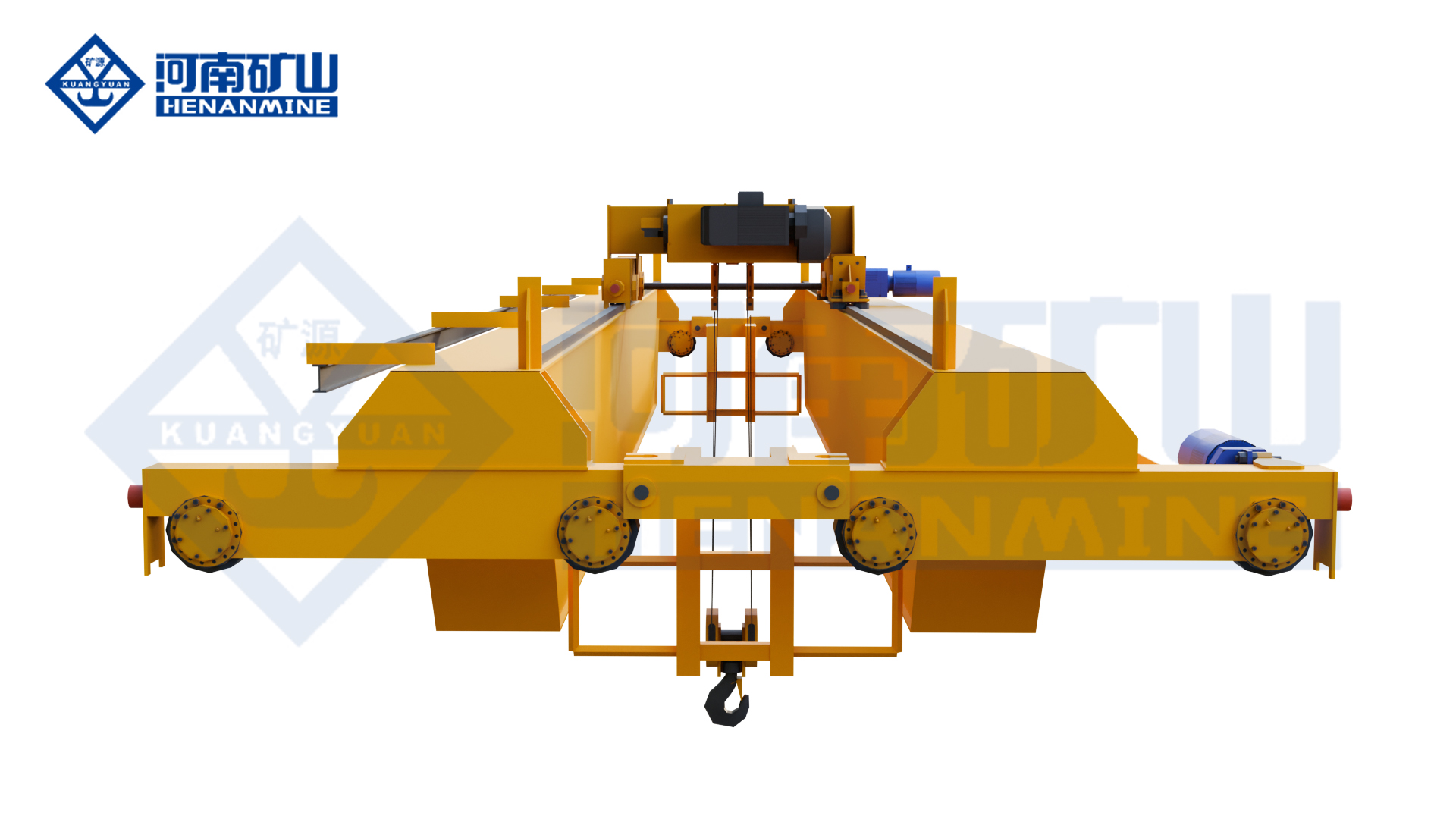
Choose 8 m/min lifting or an 8/0.8 m/min normal-and-creep package. The 3 t configuration offers 6, 9 or 12 m lift; the 5 t configuration also includes an 18 m option.
The matched hoisting speeds are 7 or 7/0.7 m/min at 10 t, 3.5 or 3.5/0.35 m/min at 16 t, and 6 or 6/0.6 m/min at 20 t. Listed lifting heights are 9 or 12 m.
Listed trolley travel is 20 m/min. Bridge travel is 20 or 30 m/min for 3–16 t configurations and 20 m/min for the listed 20 t configuration. Specify pendant or radio operation with the quotation.
Standard span steps are 10.5, 13.5, 16.5, 19.5, 22.5, 25.5, 28.5 and 31.5 m. The standard supply is three-phase 380 V, 50 Hz; destination voltage and frequency can be specified.
Compare the equipment, documentation, delivery and service scope for the configuration you need.
From 1 set for the standard LH equipment package; project quantities can be quoted together.
Separate crane and hoist, controls, power feed, runway supply, freight, installation, attachments and spares so the complete delivered scope is clear.
Specify destination compliance, technical drawings, electrical documents, machinery test report, outgoing-inspection video and operation and maintenance manuals in the order.
Typical production time for a standard LH crane is 30–45 calendar days after the technical specification is confirmed and the agreed advance payment is received, until ready for factory dispatch. Shipping and installation are scheduled separately.
Request installation guidance, commissioning and operator handover as an identified supply item; confirm site preparation, local lifting equipment and travel costs in the offer.
Free lifetime warranty for manufacturing and quality defects, with full lifecycle service. Consumables and normal wear are excluded.

Compact electric-hoist lifting with dual speeds for transfer and precise placement, plus variable-frequency travel.
Compare this model ↗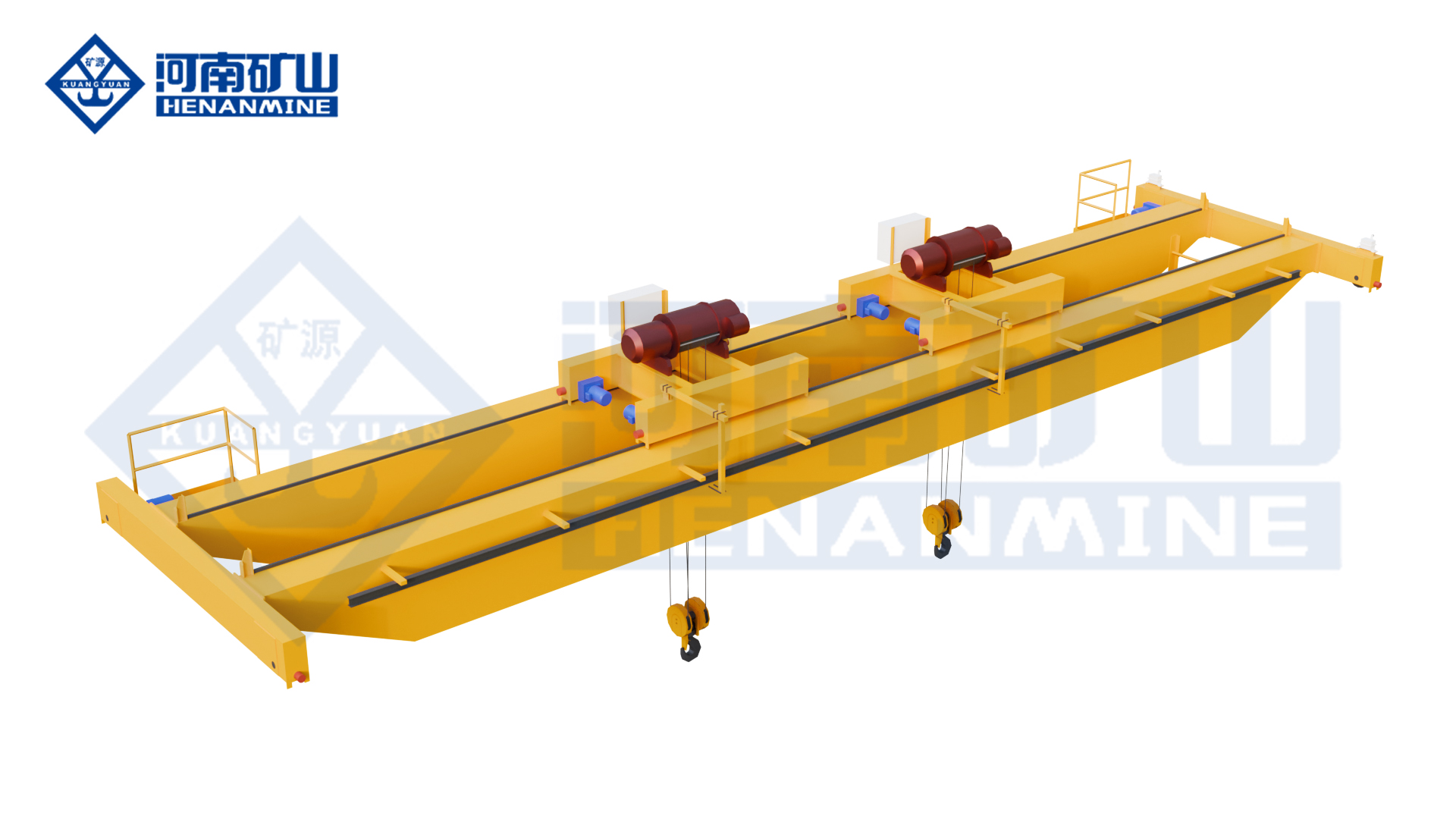
Two electric-hoist trolleys on one bridge for separate lifting tasks or a specified shared lift. Match each trolley rating to the load carried at its lifting point.
Compare this model ↗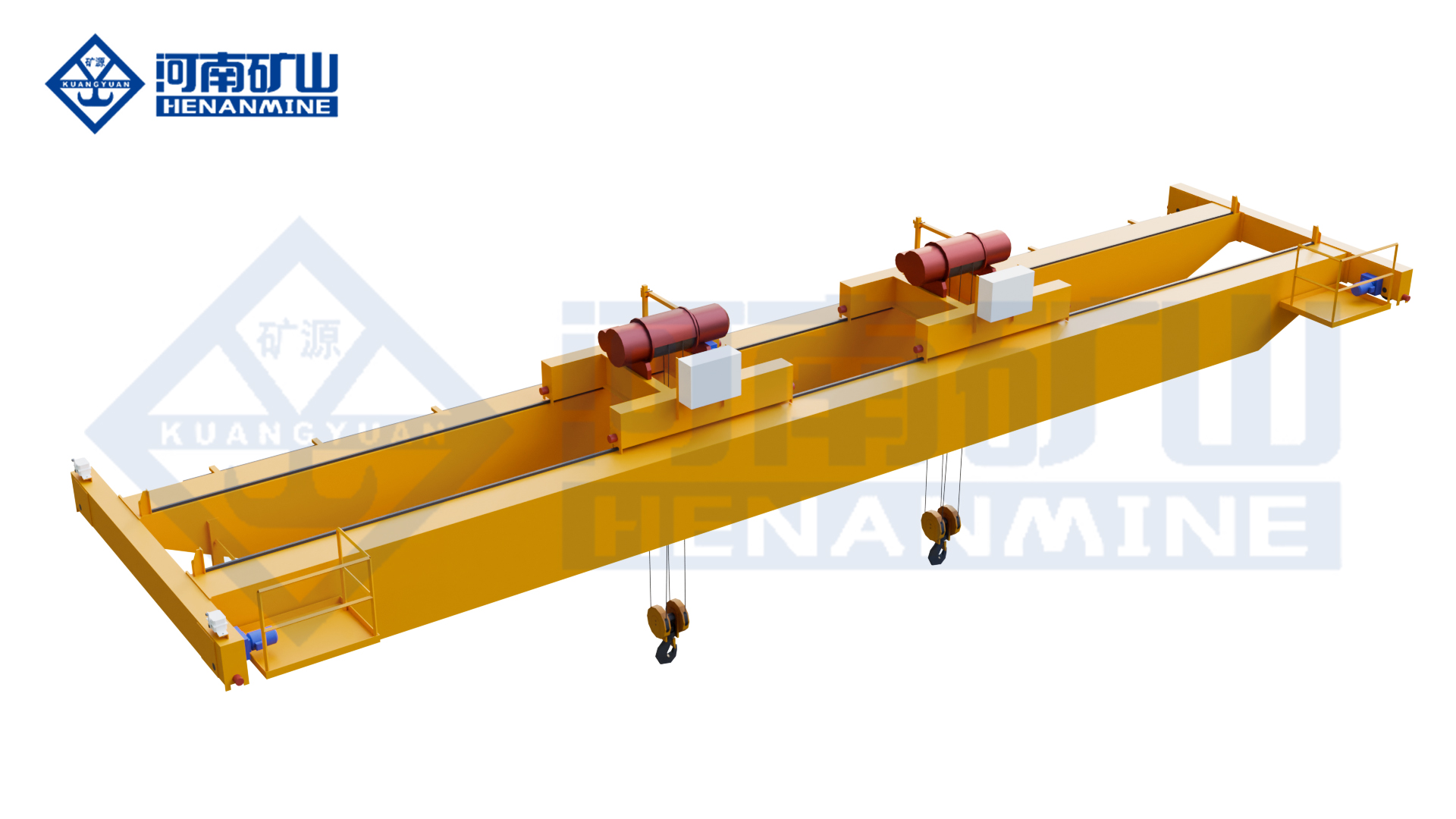
Two seated hoists on trolley frames for paired lifting where the upper hook position and bridge clearance matter. Compare the final hook envelope and wheel loads with your building.
Compare this model ↗Find the arrangement, equipment options and order information that suit your application.
Choose LH for intermittent workshop, warehouse and equipment-maintenance lifting where one hook serves the task. The listed configurations cover 3–20 t at A3–A4. Tell us the loads and lifts per shift so the selected hoist matches your operating cycle.
LH offers a conventional seated electric hoist with single- or dual-speed lifting for intermittent general handling. KSSL provides a compact new-design hoist, dual-speed lifting and variable-frequency bridge and trolley travel. Compare KSSL when adjustable travel and assembly placement are central to the work cycle.
No. A 5 t LH offers 8 or 8/0.8 m/min lifting, while the listed 20 t HC/HM configuration offers 6 or 6/0.6 m/min. The capacity table identifies the matched lifting height and speed options for each rating.
Yes. Send the load, rail-centre span, lifting height and electrical supply. Custom dimensions and the destination voltage and frequency can be included in the technical proposal.
Ask for a quotation separating the bridge and trolley, hoist, controls, power feed and any runway supply. Freight, installation, commissioning, lifting attachments and optional spares should be itemised so you can compare complete project costs.
You can order one LH crane. Typical production takes 30–45 calendar days after technical specification confirmation and receipt of the agreed advance payment, until factory dispatch readiness. Your quotation confirms the schedule for custom requirements; international transport and site installation are planned separately.
State the destination country and required certification at enquiry. The order should identify the applicable compliance documents, inspection and test report, technical drawing, electrical documentation and operating and maintenance manuals. Outgoing-inspection video can be included in the handover scope.
We provide a free lifetime warranty for manufacturing and quality defects and full lifecycle service. Consumables and normal wear are excluded. For a covered defect, we pay international freight for replacement parts and, where overseas on-site repair is necessary, the engineer’s travel and accommodation. Installation, commissioning, operator handover and recommended spare parts are identified separately in your quotation.
Send the load, approximate span and required lifting height for your LH quotation. Add your destination and any control preference. A workshop photograph is enough to start if drawings are not available.
info@cranehenanmine.com