China
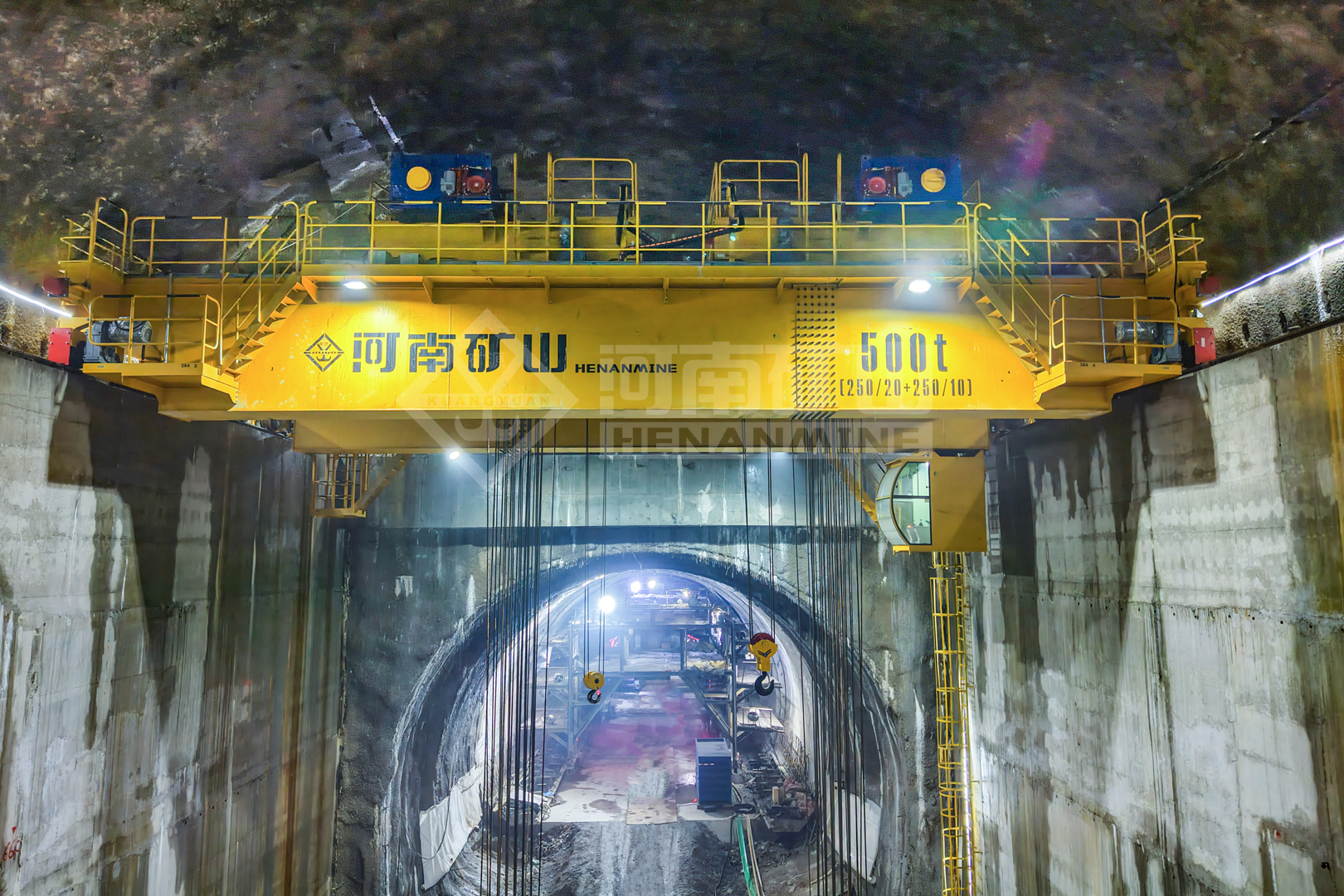
500 t Crane for Heavy Lifts in a High-Speed Rail Project
A 500 t new-design double-girder crane combines high lift, synchronized hooks and digital monitoring for rail-construction component handling.
Read the project case ↗Compare bridge structures, deep-shaft spoil handling, ship assembly and railway maintenance lifting.
A 500 t new-design double-girder crane combines high lift, synchronized hooks and digital monitoring for rail-construction component handling.
A 500 t new-design double-girder crane combines high lift, synchronized hooks and digital monitoring for rail-construction component handling.
Read the project case ↗Choose the operating environment, then review the project location, equipment and delivery or acceptance stage.
A 500 t new-design double-girder crane combines high lift, synchronized hooks and digital monitoring for rail-construction component handling.
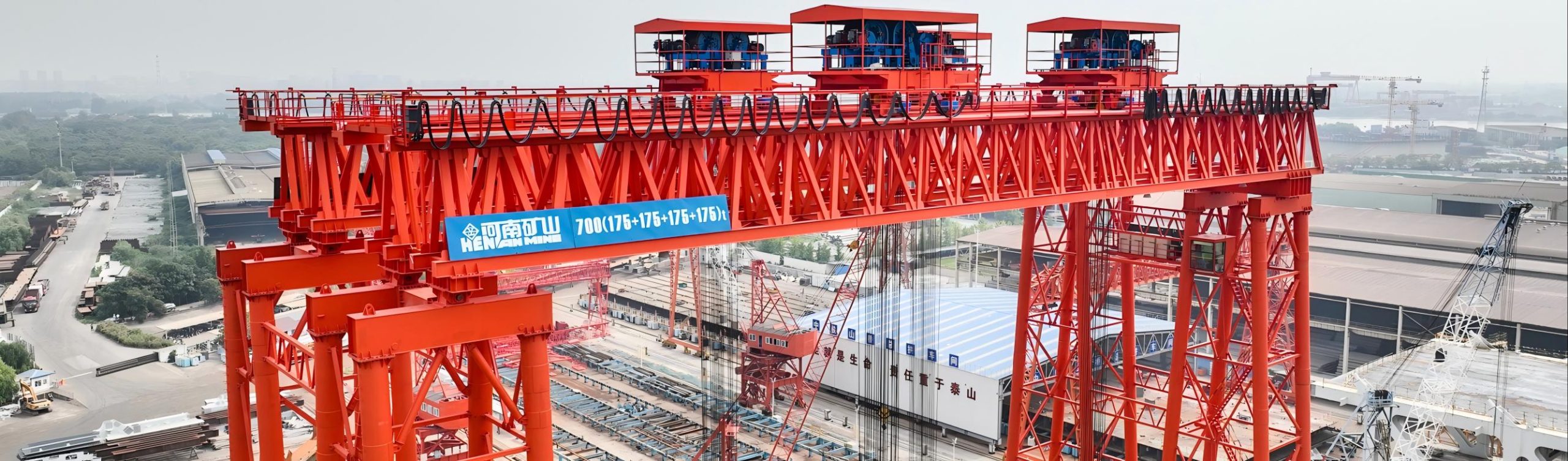
A 700 t gantry crane completed type testing for steel-tower and bridge-structure lifting at the Zhangjinggao project.
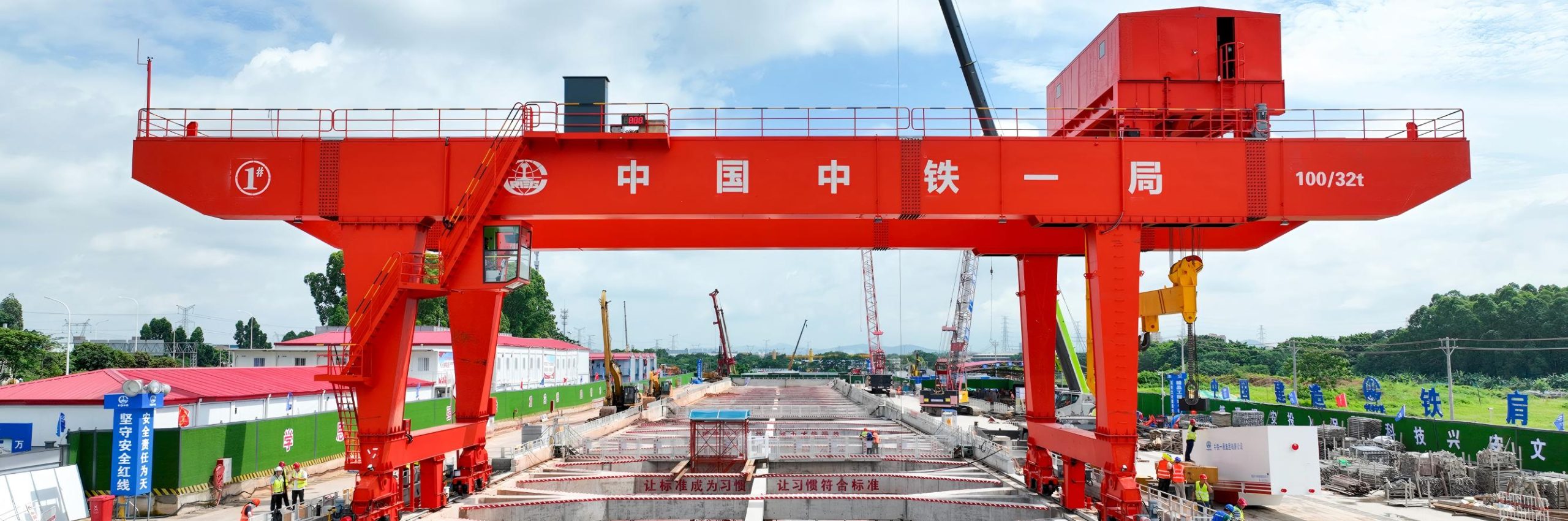
Two double-girder gantry cranes lift tunnel spoil and construction materials with below-rail attachment depth reaching 40 m.
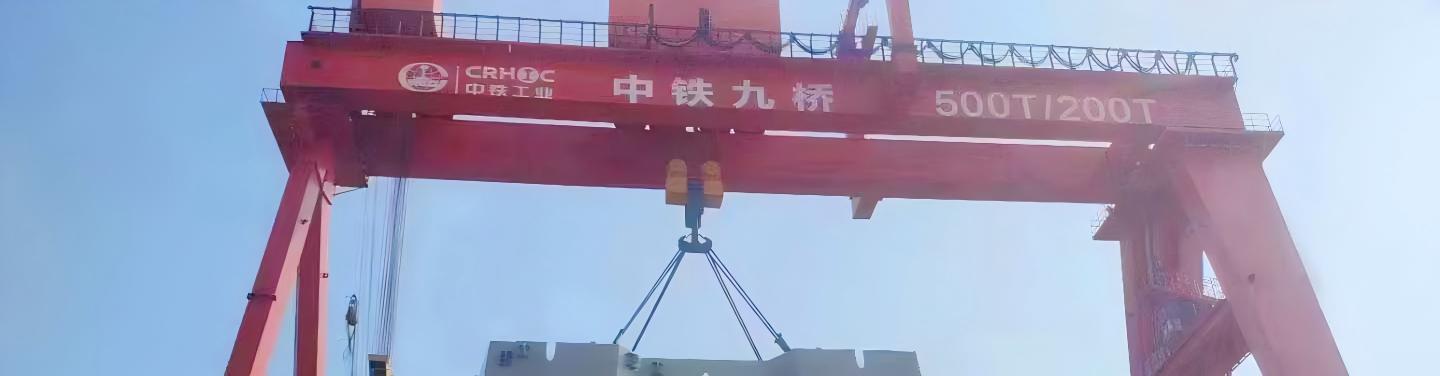
A 500 t gantry supported the Z3 steel-tower assembly acceptance within a package of more than ten bridge-project cranes.
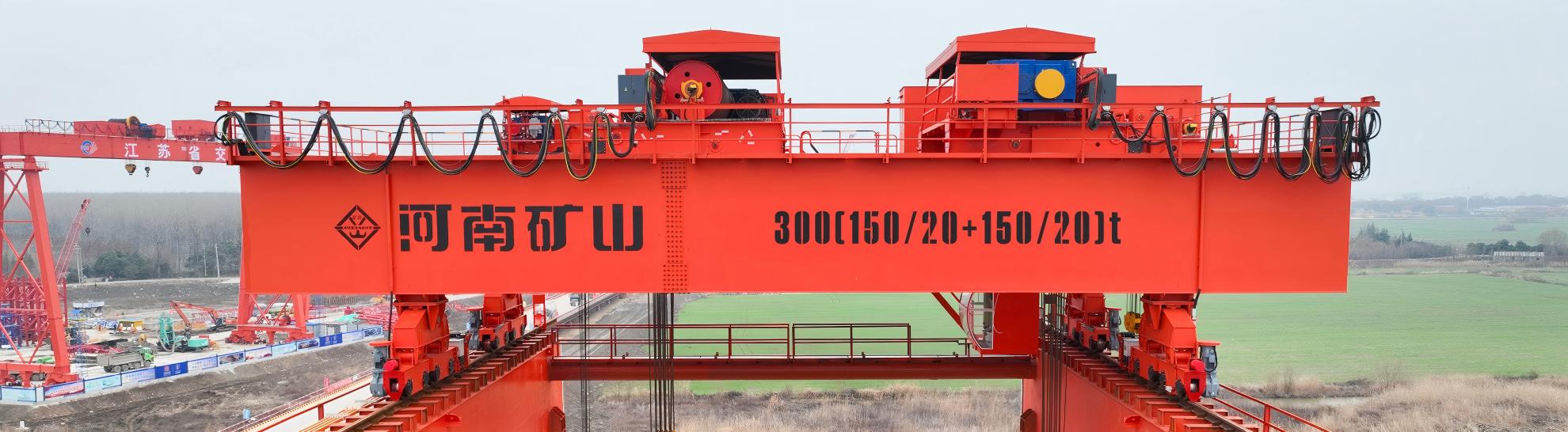
A 300 t modular double-girder overhead crane provides heavy bridge-component handling with full variable-frequency control.
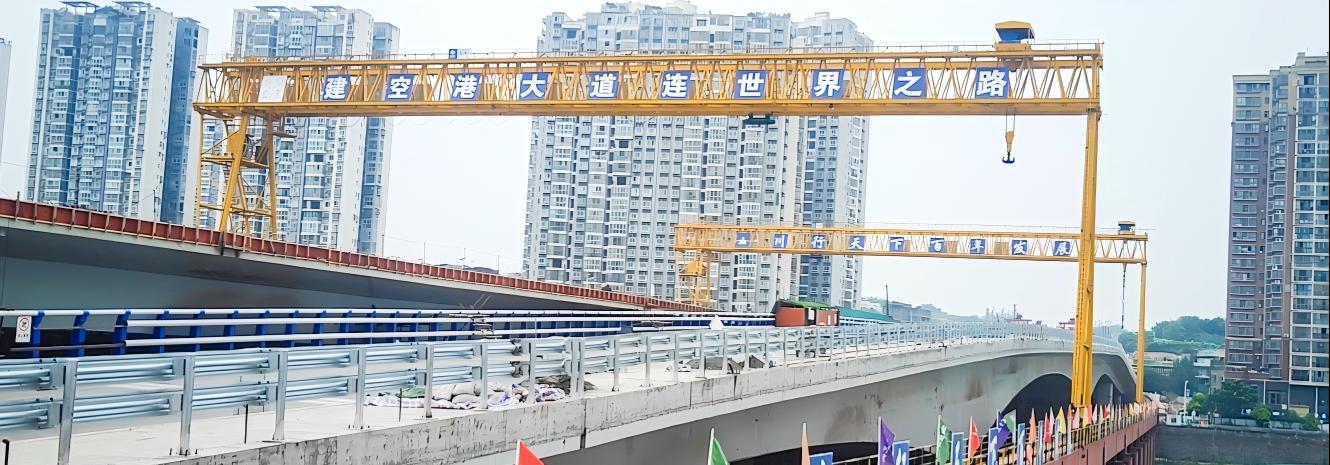
A 72 m-span crane handled steel bridge construction across the Tuojiang River and an adjacent road corridor.
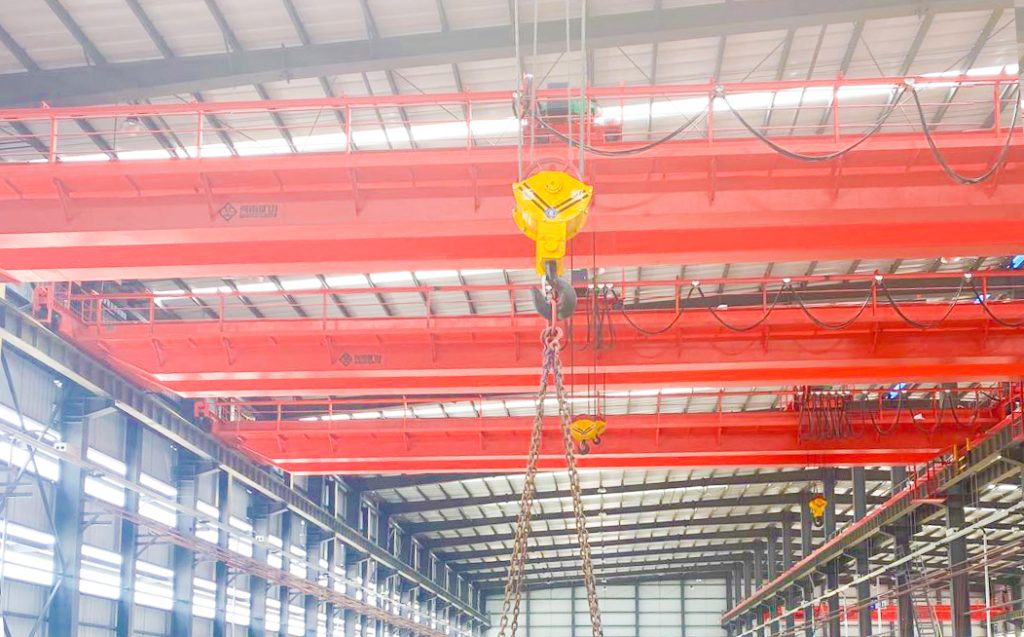
Twelve crane units support component lifting and assembly within a large cruise-ship manufacturing programme.
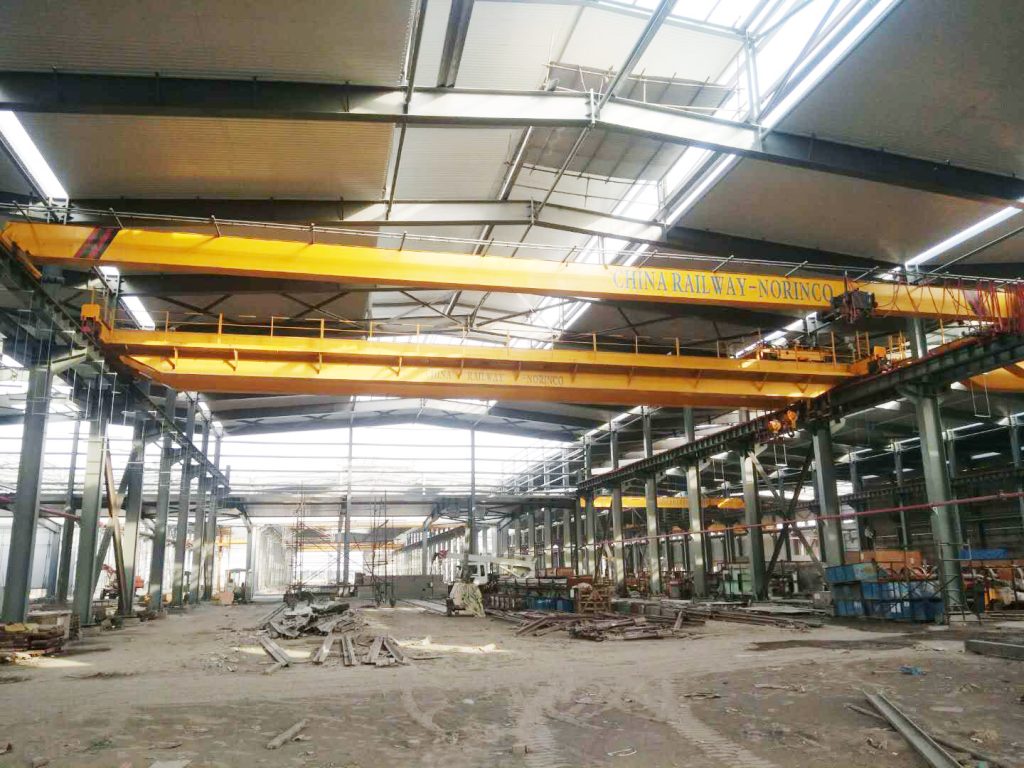
Thirty-two lifting units serve vehicle-depot and stabling-yard maintenance on Lahore’s 27 km Orange Line.
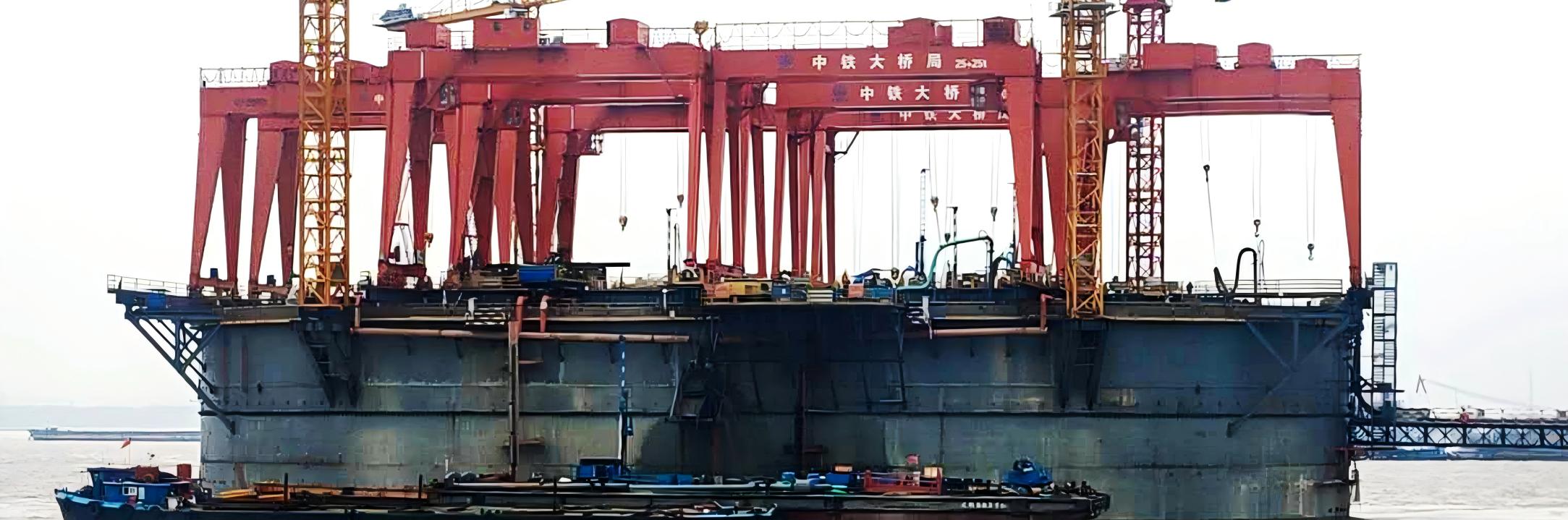
Multiple gantry cranes support steel-caisson excavation in coordination with robotic dredging equipment.
A project photo proves the configuration existed. Your purchase still needs a site-specific lifting envelope, duty, interfaces and delivery scope.
Maximum weight, rigging, pickup and placement points, travel distance and clearances.
Lifts per shift, load spectrum, temperature, wind, corrosion and protected-area classification.
Runway or rail, power feed, lifting attachment, controls, automation and emergency recovery.
Manufacturing documents, inspection, shipping limits, erection, testing, training and service.
Share drawings, loads, operating cycle and destination. We will review the technical configuration and delivery boundaries with you.