Capacity, span, hook travel, working duty and motion speeds are selected together. A family range does not mean all maximum values are available in one crane. The technical offer must identify the agreed lifting arrangement, protection marking and equipment documents.
Budget planning
How much does an explosion-proof overhead crane cost?
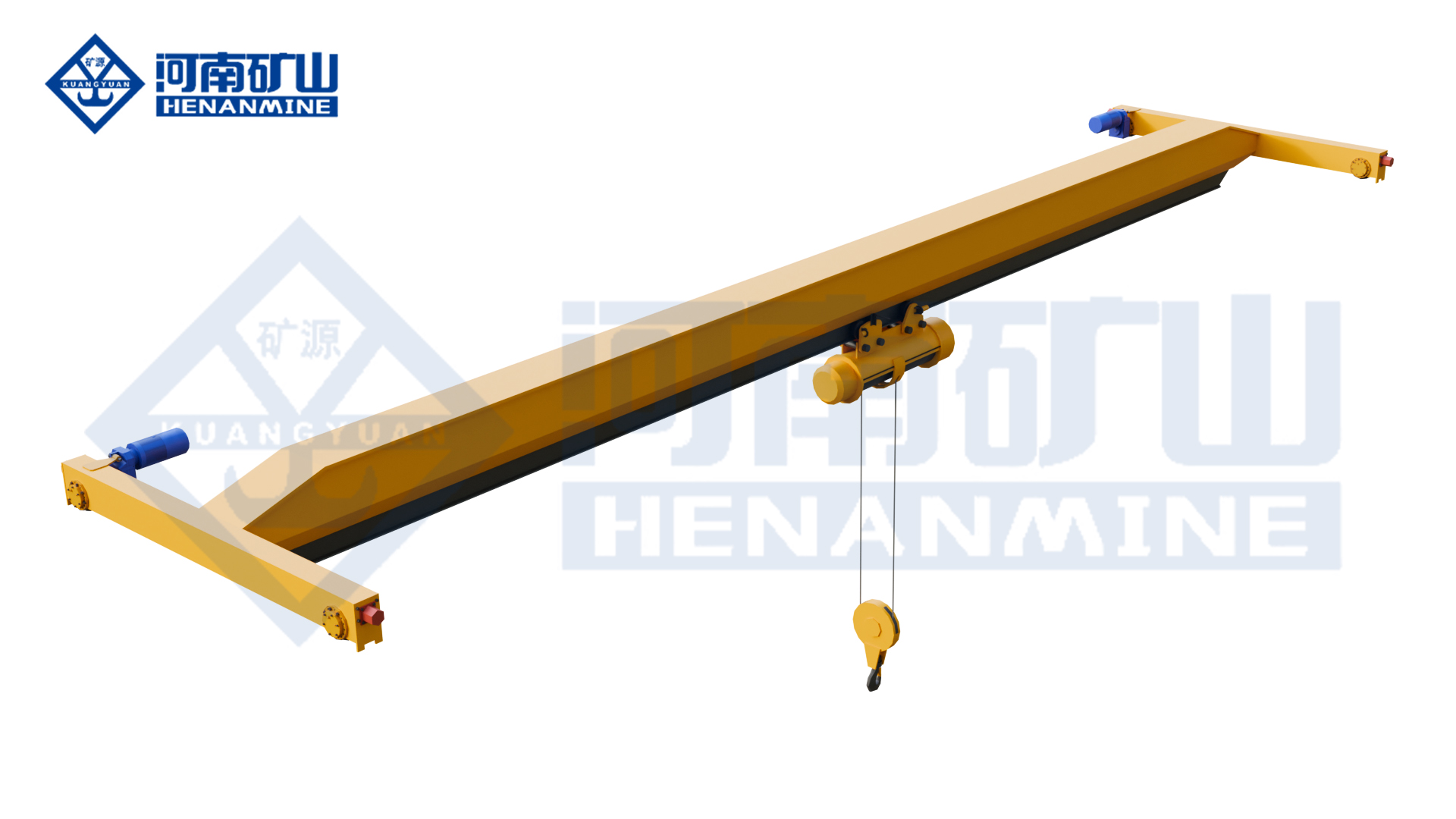
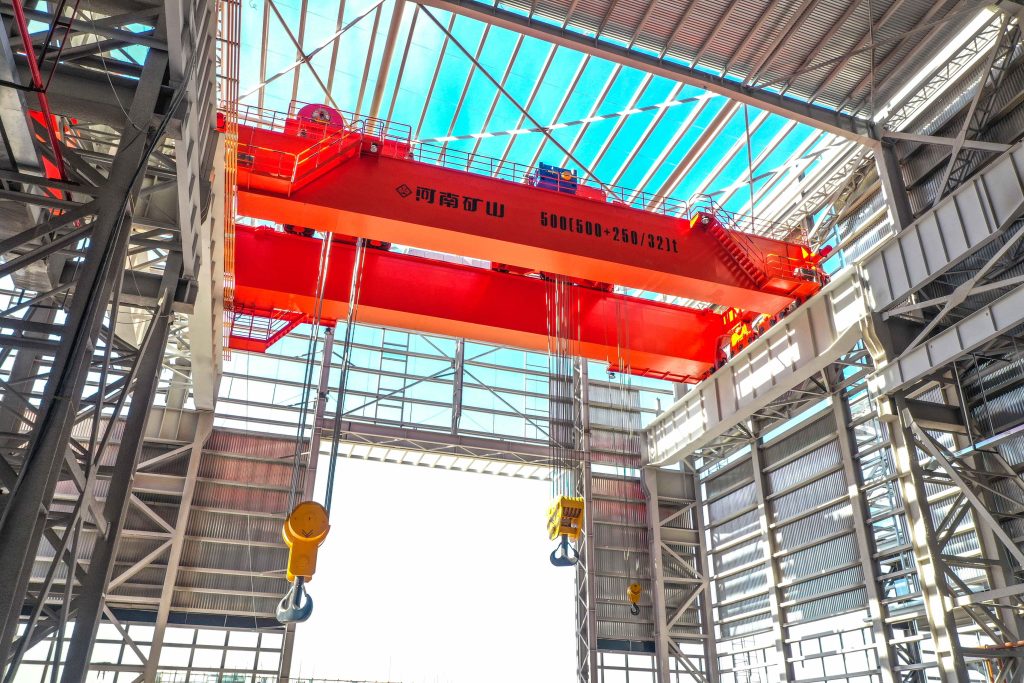
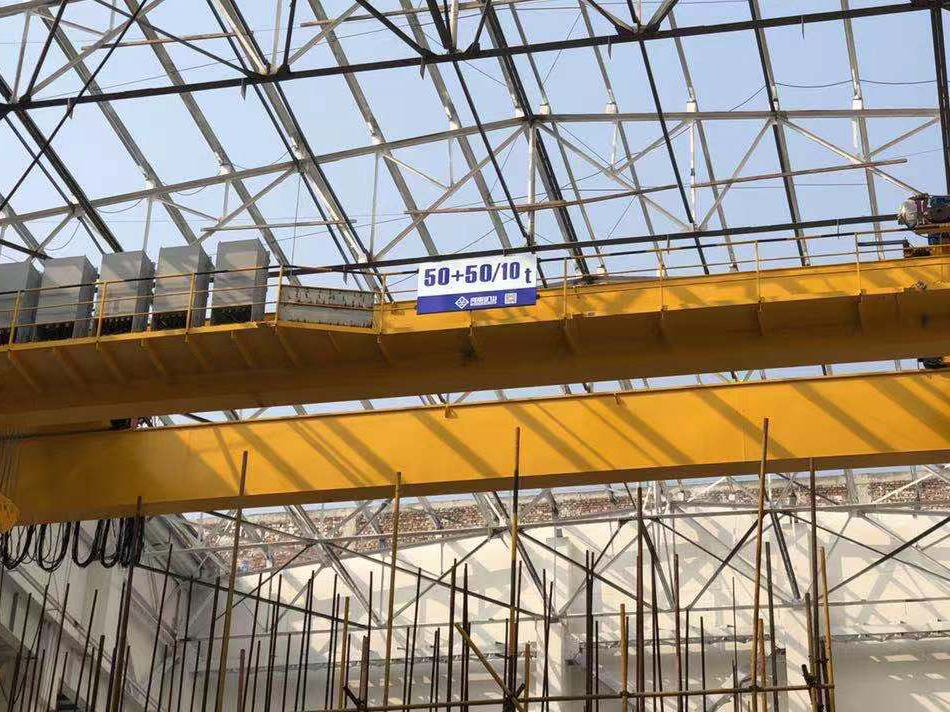
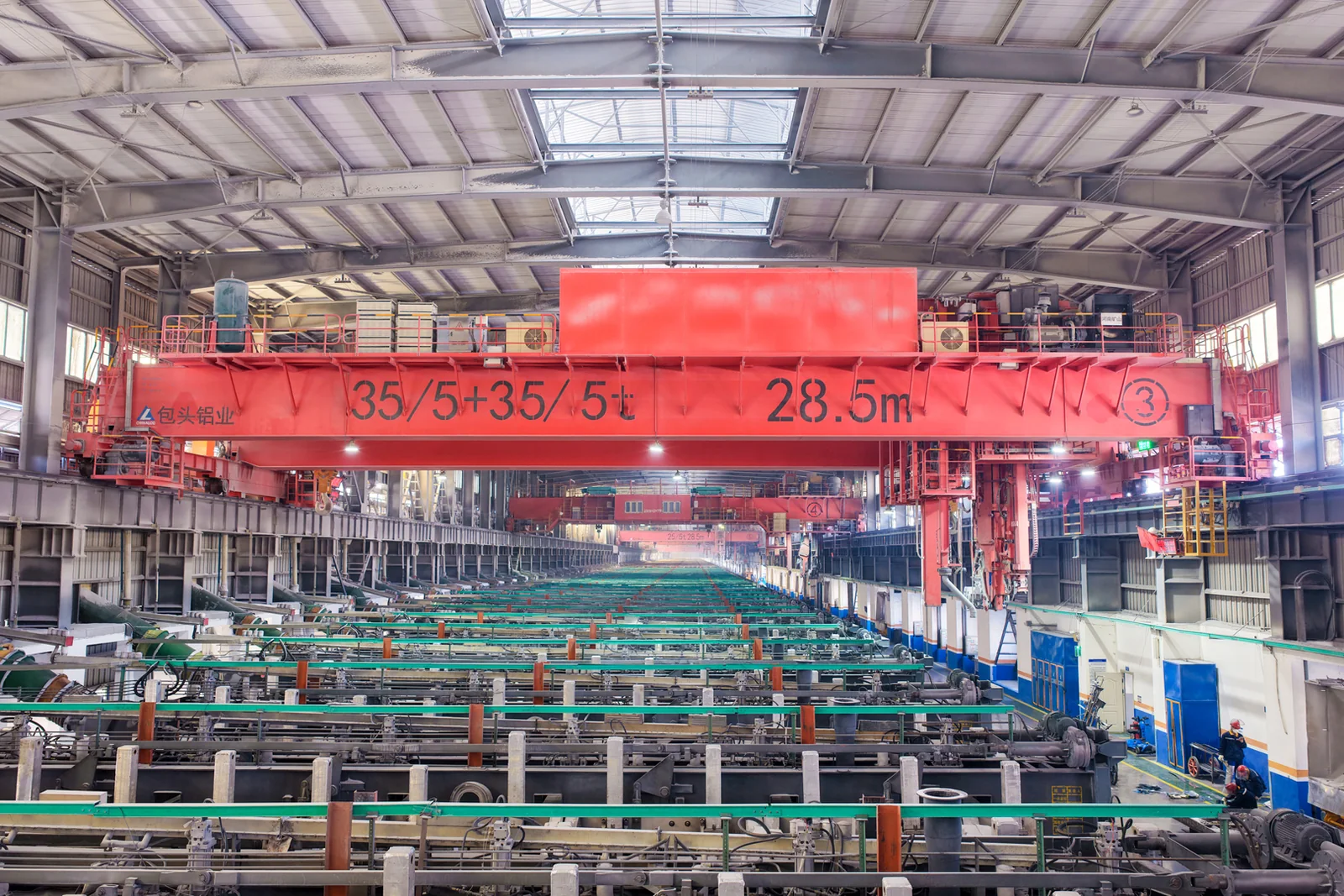
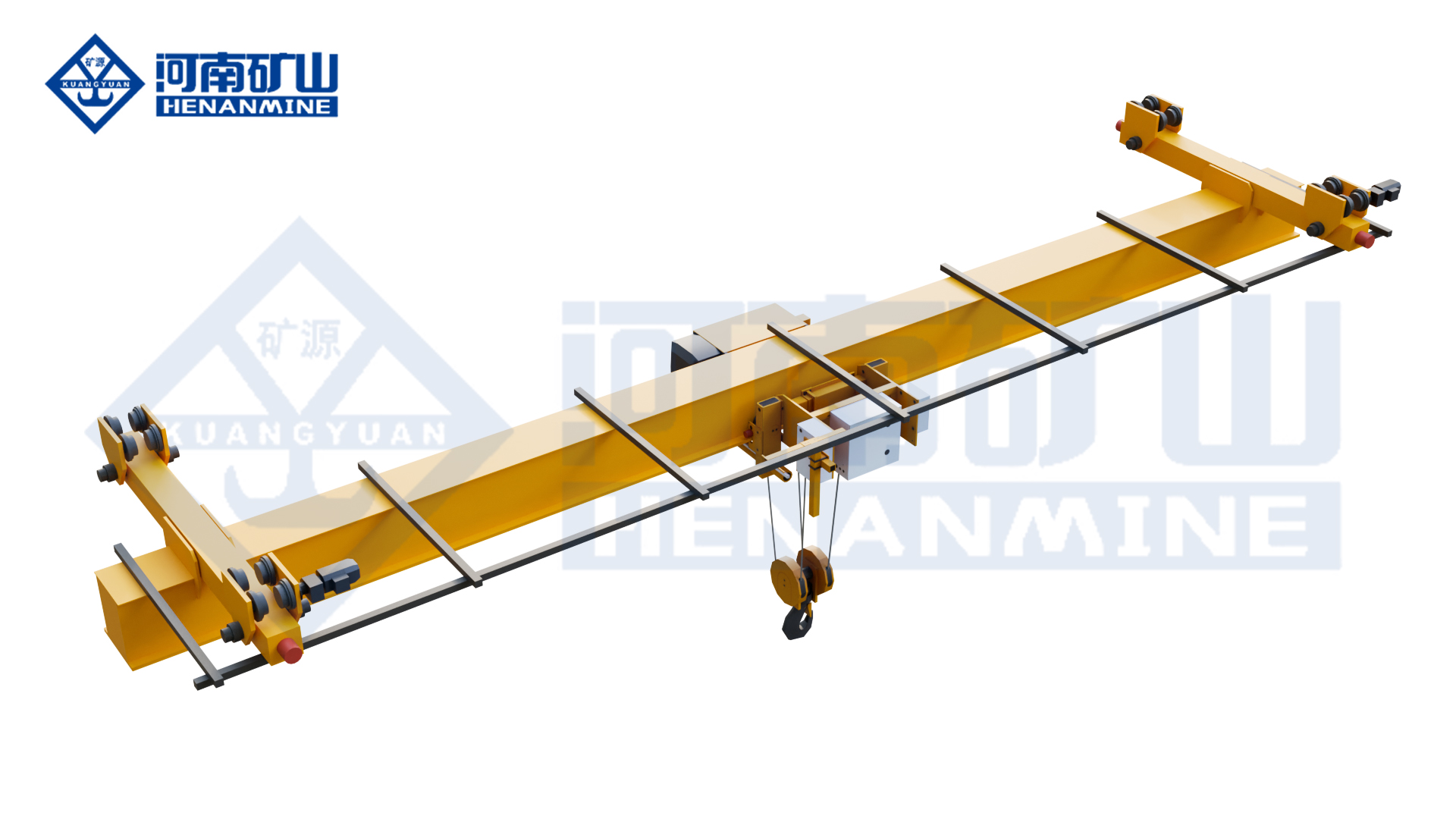
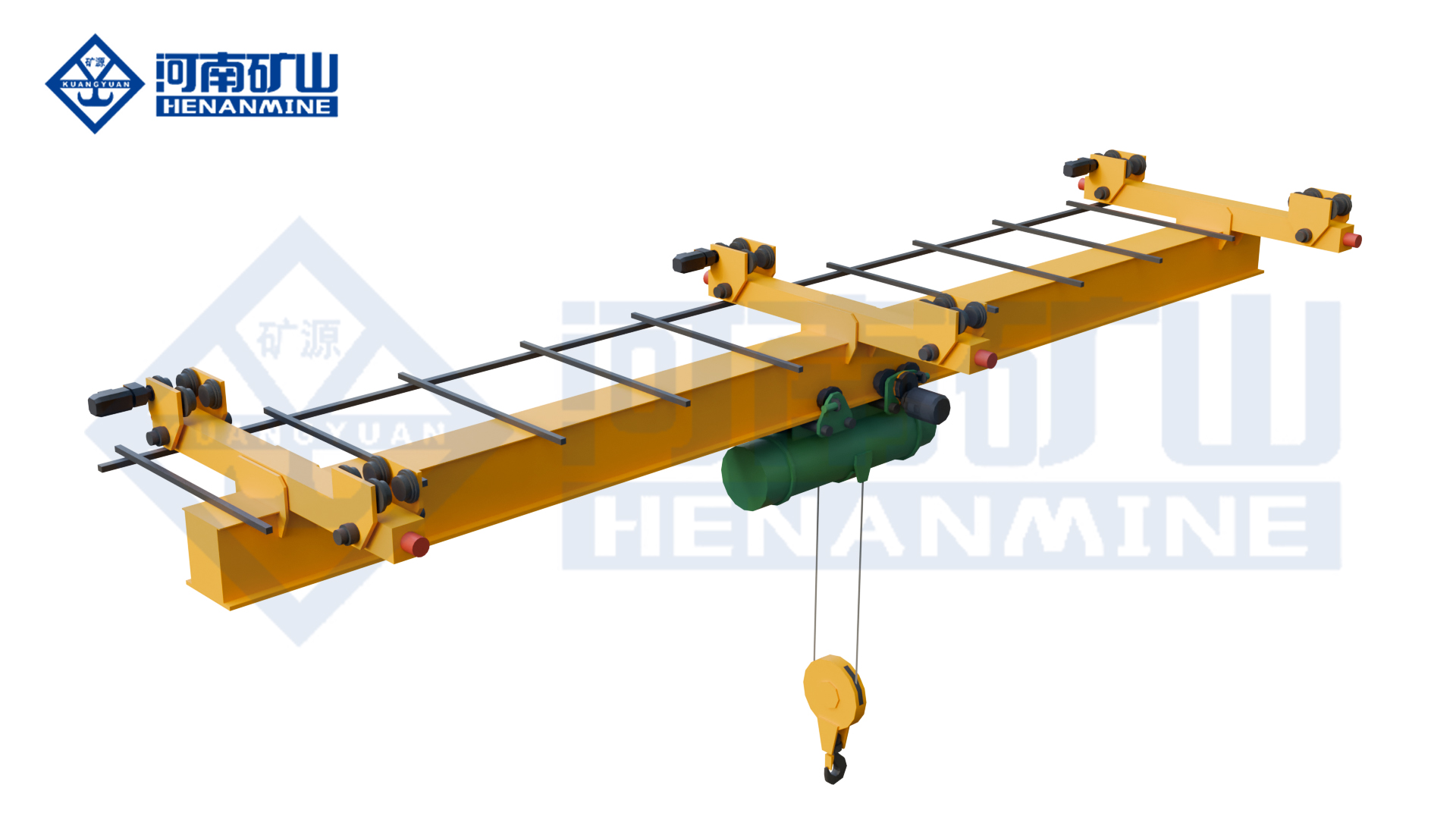
The equipment examples below cover two single-girder bridge configurations and two underhung configurations. Compare the layout, lift and protection package as well as the rated load. Each example specifies a 380 V, 50 Hz supply.
Compare each gas-protected crane as a complete equipment package.
Preliminary gas-protected equipment estimates include the bridge, selected hoist, travel drives, specified control components, on-crane wiring, factory inspection and packing. LB markings and controls, and LXB A3 duty, are budget assumptions to be checked against the application. Final selection requires the area classification, gas group, temperature class and ambient conditions. Dust protection and whole-assembly ATEX or IECEx assessment are excluded unless separately specified. Runway steel, rails, runway power feed, freight, taxes, installation and commissioning are excluded.
Request a separate quotation for QB, QBE, cleanroom, dust-protected and multi-point packages. Confirm the exact equipment marking, required documents and whether runway steel, rails, power feed, freight, import charges, installation and commissioning are included, optional or excluded.
Request a configured quotation
Explosion-proof crane buying questions
Which explosion-proof overhead crane should I choose?
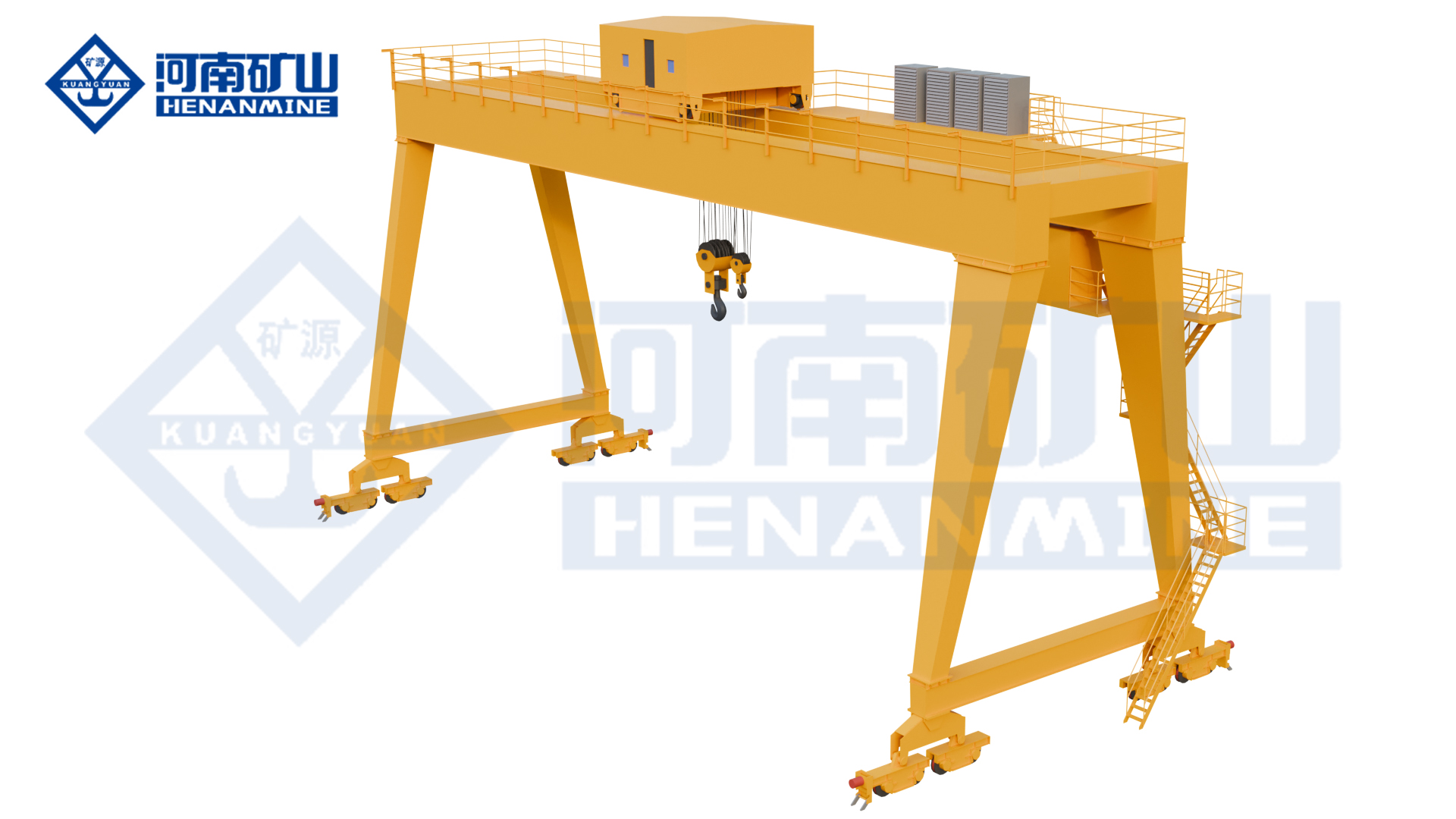
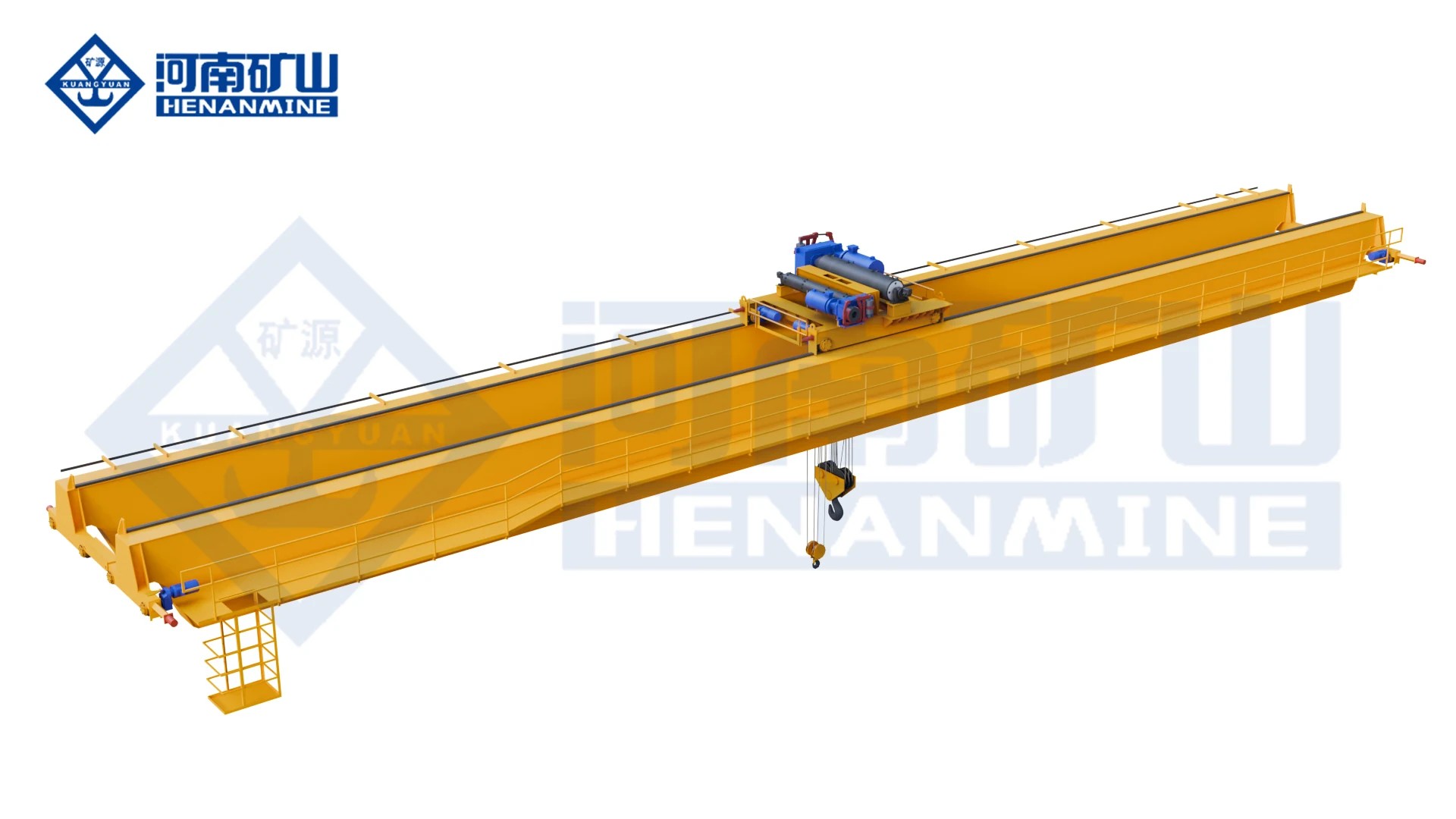
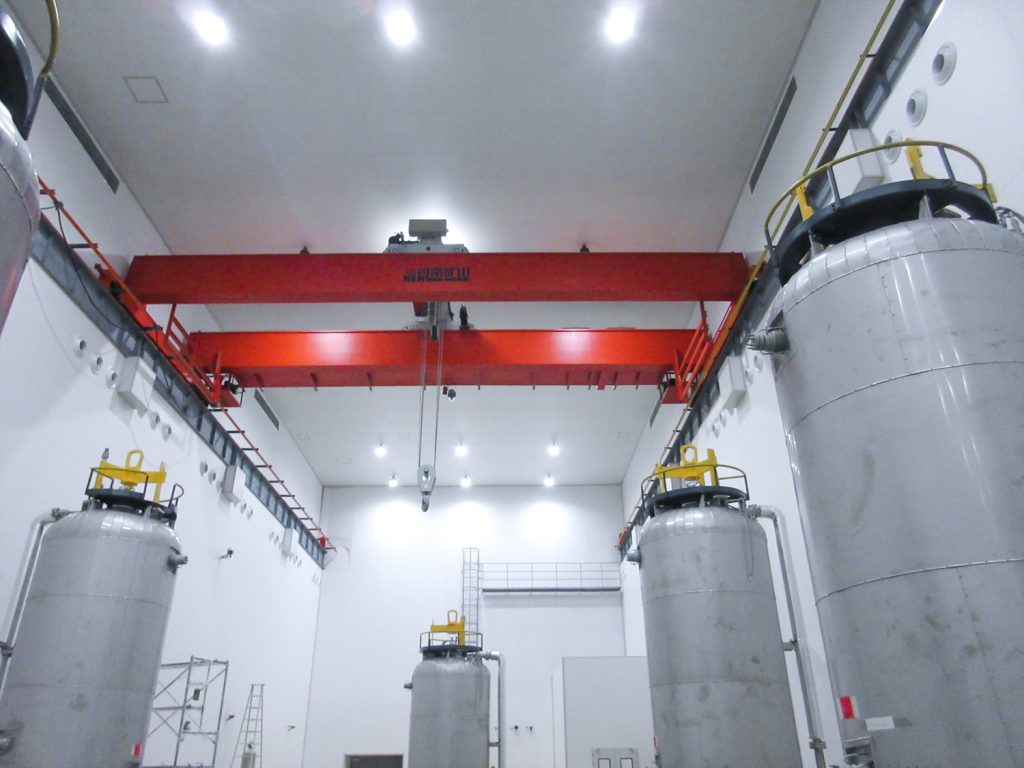
Compare LB for a single-girder electric-hoist bridge, LHB for a double-girder hoist arrangement and QB for a double-girder trolley bridge. Use QBE where the workpiece needs two lifting points. For suspended runways, compare gas-protected LXB, the dust-protected LXB configuration and multi-point BLXD. ZJJB addresses a process that also needs cleanroom measures. The right choice depends on the load, usable hook coverage, duty, supports and classified environment.
Does explosion-proof mean the crane is suitable for every hazardous area?
No. The product name describes an equipment family. Suitability depends on the identified gas or dust, area classification, temperature requirements, ambient conditions and the exact crane configuration. Review the proposed equipment schedule, markings and document scope against the installation requirements.
Can a gas-rated crane be used where combustible dust is present?
Gas protection does not establish dust protection. Specify the dust, its area classification and the applicable surface-temperature limits, including deposit and cleaning conditions. If the site has both gas and dust hazards, both must be addressed in the selected equipment and documents.
Is an explosion-proof hoist enough for a complete overhead crane?
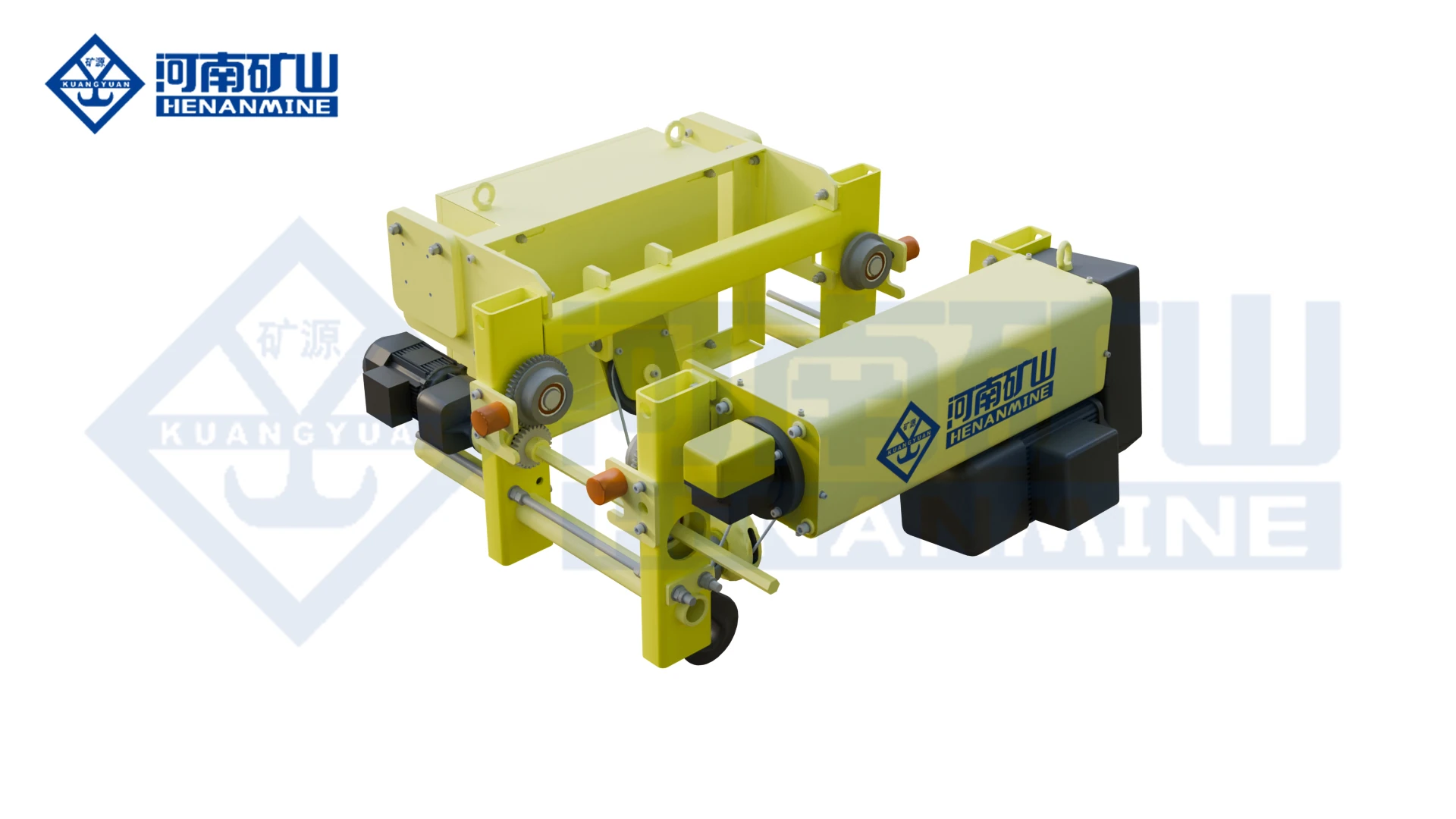
The hoist is one part of the crane. Include bridge and trolley drives, brakes, controls, power feed, sensors and attachments where relevant to the classified area. Ask for a complete equipment and protection schedule so the quotation identifies the scope of each item.
Can you supply ATEX or IECEx documentation?
State the required approval route and destination when requesting an offer. Availability and scope must be checked for the exact equipment and configuration before order. Ask to review the applicable documents and any limitations; do not infer whole-crane certification from a model name or a component certificate.
Can two trolleys lift one long component?
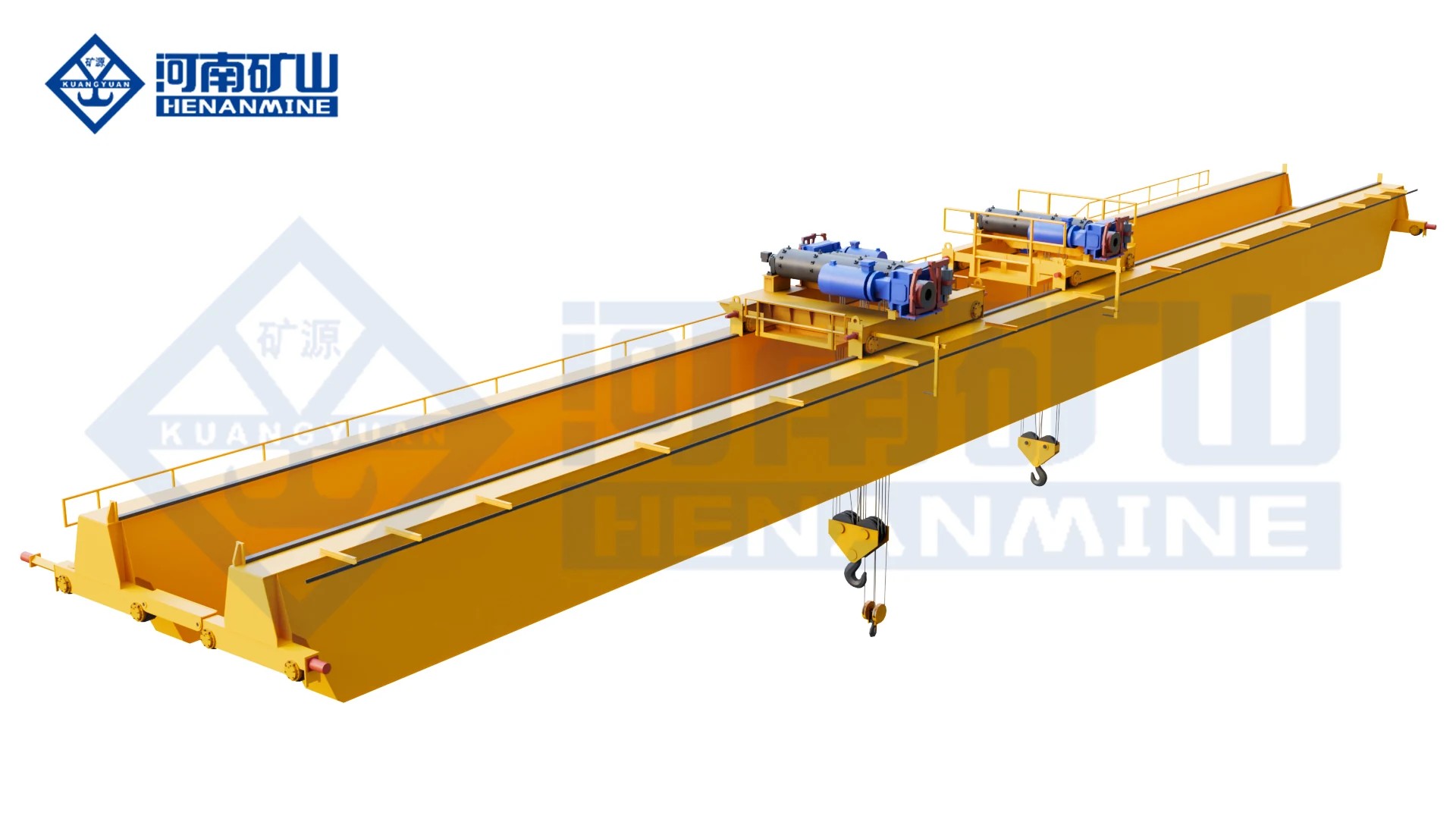
QBE provides two lifting positions. Supply the component dimensions, centre of gravity, lifting points and handling sequence. The technical proposal should define the individual trolley ratings, permitted combined load, hook spacing and coordinated functions. Adding two trolley ratings does not automatically establish an approved tandem lifting capacity.
Can an underhung crane run on our existing roof supports?
The supports and connections need structural verification for the selected crane. Send the runway layout, support spacing and available building information. Obtain the crane's vertical and horizontal reactions, critical load positions and alignment requirements before approving the supporting structure.
How do I specify a cleanroom explosion-proof crane?
State the process or room cleanliness requirements, particle limits, permitted materials, cleaning method and maintenance conditions, together with the hazardous-area information. Review the selected ZJJB measures against both sets of requirements. A cleanliness claim does not establish explosion protection, and an explosion-protection claim does not establish room cleanliness.
What should an explosion-proof crane quotation include?
Ask for the bridge, lifting unit, end carriages, controls and power feed to be itemized. Confirm the status of runway rails, support steelwork, attachments, packing, freight, installation and commissioning. Include arrangement and electrical drawings, wheel loads or support reactions, equipment markings, applicable documents, inspection and acceptance scope, warranty terms and recommended spares.
What determines the price and delivery schedule?
Load, span, lifting height, duty, protected equipment, control functions and required documentation affect the offer. Cleanroom measures and two-trolley operation add project-specific scope. Agree design-approval and factory-dispatch milestones, then identify freight, installation and commissioning separately rather than treating them as one delivery date.
Can the maximum capacity, span and lift be combined?
Reference ranges help create a shortlist; they are not one guaranteed configuration. Request a matched load, rail-centre span, usable hook travel, duty, motion speeds and protection schedule. Read main and auxiliary hook ratings separately, and confirm approved load cases for multiple lifting points.
What can I send if I have not selected a model?
Start with the maximum load including rigging, approximate span, required hook travel and project destination. Describe what you lift and how often. Add a sketch, power supply and any hazardous-area information available. Final protection and acceptance requirements can be developed with the technical proposal before the order is agreed.
Explosion-proof crane specification comparison
Compare the eight layouts, then open the full product details for the lifting arrangement that suits your task. Each card above also contains its complete specification and configuration information.
Swipe across the table to compare specifications.
Reference figures are read as matched configurations. Confirm usable hook travel, duty, speeds and runway or support loads with the selected equipment. The model name does not establish gas or dust approval for a particular site.