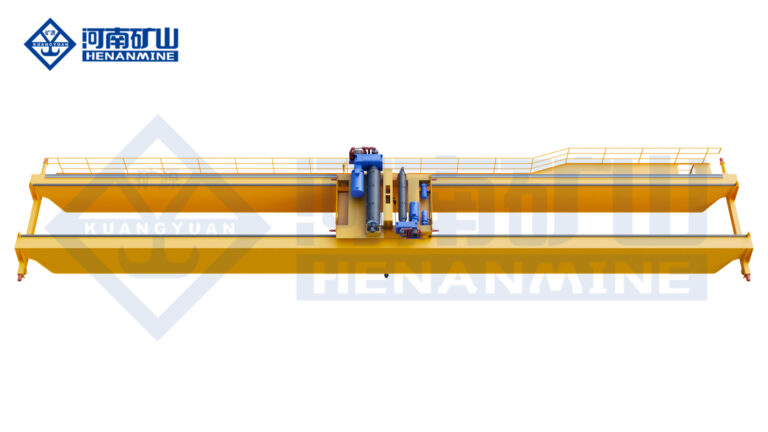
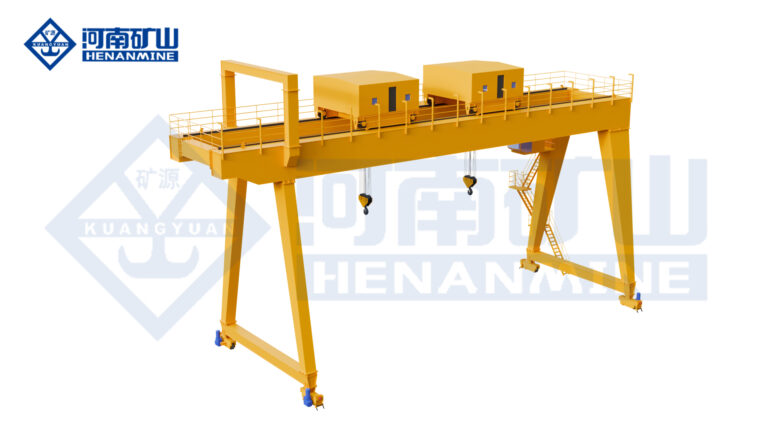
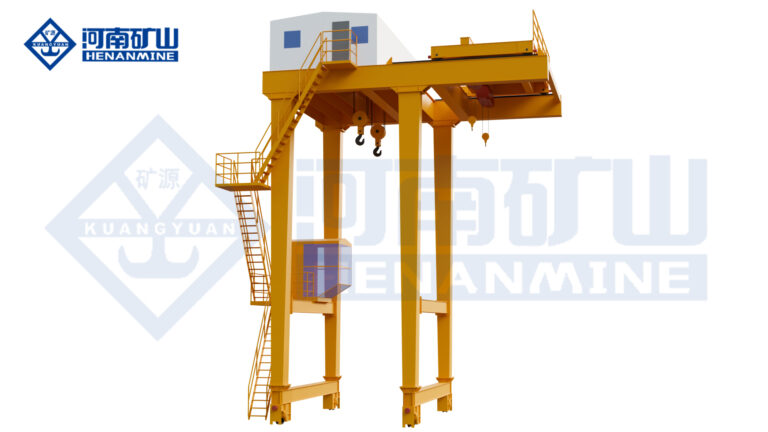
Bring the component in
Identify the delivery opening, assembly bay, lifted mass and rigging envelope before fixing the crane geometry.
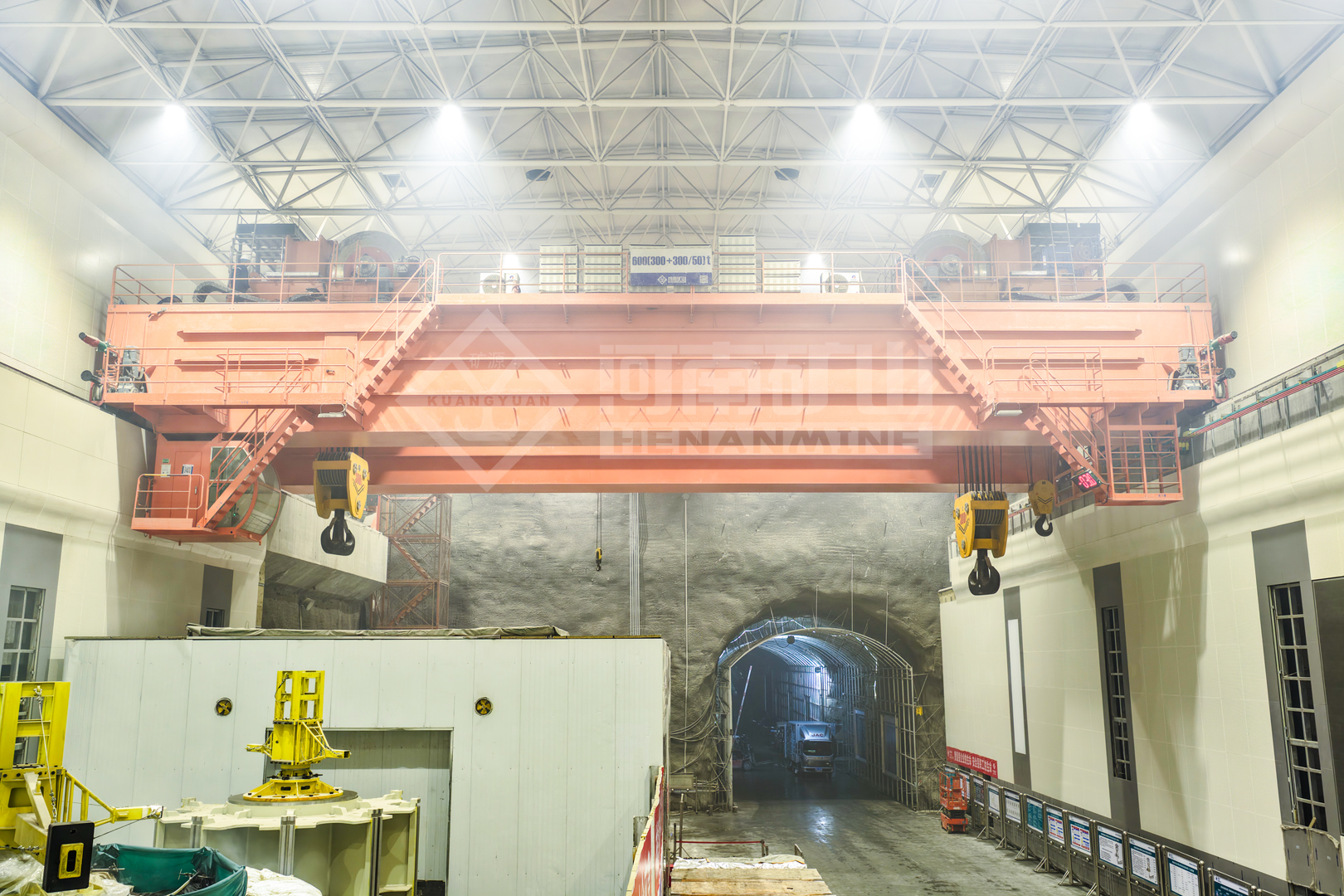
Lift major components safely inside constrained powerhouse and assembly spaces.
Heavy-duty lifting for power generation projects
Power projects combine infrequent heavy installation lifts with years of maintenance duty. Select the crane around the heaviest component, lifting path, available headroom, hook synchronization and commissioning plan, then confirm service access for the operating life of the plant.
The powerhouse solution follows the heaviest turbine, generator or pump component from the delivery opening to its final position. Bridge-crane span, rail elevation, hook coverage and low-headroom construction are checked against the building. Where a long component needs two lifting points, synchronized hooks and the permitted load balance are defined in the lift plan. The same crane must remain accessible and usable for removal, inspection and future overhaul after commissioning.
Follow the load through the operation to see where lifting equipment, tooling and controls must work together.
Identify the delivery opening, assembly bay, lifted mass and rigging envelope before fixing the crane geometry.
Confirm lifting points, center of gravity, hook arrangement and the approved installation sequence.
Use low-speed control, clearances and any dual-hook synchronization required at the final installation point.
Retain coverage and access for major component removal, inspection and replacement during the plant's operating life.
Define the material, handling cycle and working zone before fixing the crane arrangement.
Plan the single and tandem lift routes from delivery position to installation bay, accounting for clearance and center of gravity.
Validate access to service points, lifting height, hook coverage and low-speed control for future major overhauls.
Coordinate multi-hook synchronization, anti-sway and high-bay component handling for nacelles and other large assemblies.
These choices affect safety, process fit and the operating life of the installation.
Review span, runway support, wheel loads, rail height and hook approach with the powerhouse drawings before selecting the bridge structure.
A tandem or dual-hook lift needs a defined sharing limit, control sequence and acceptance method for the actual component.
The largest installation lift may set capacity, while infrequent overhauls set access requirements. Both cases belong in the initial specification.
See how cranes and lifting systems were configured for demanding operating environments.
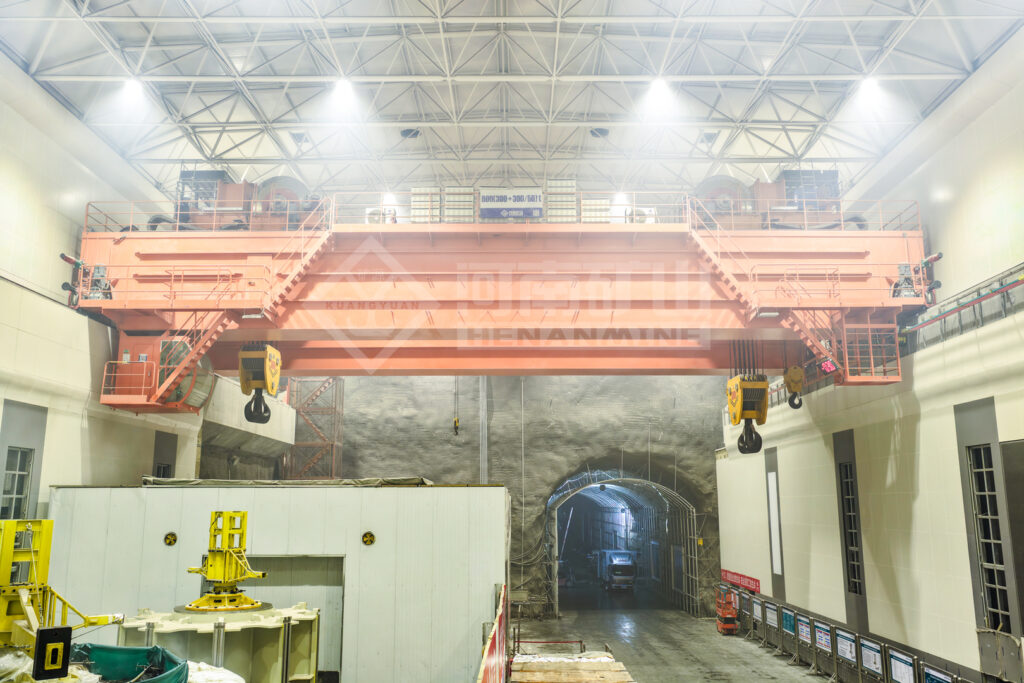
A 600 t bridge crane was supplied with low-headroom structure, variable-frequency control, synchronized dual hooks, anti-sway and digital monitoring.
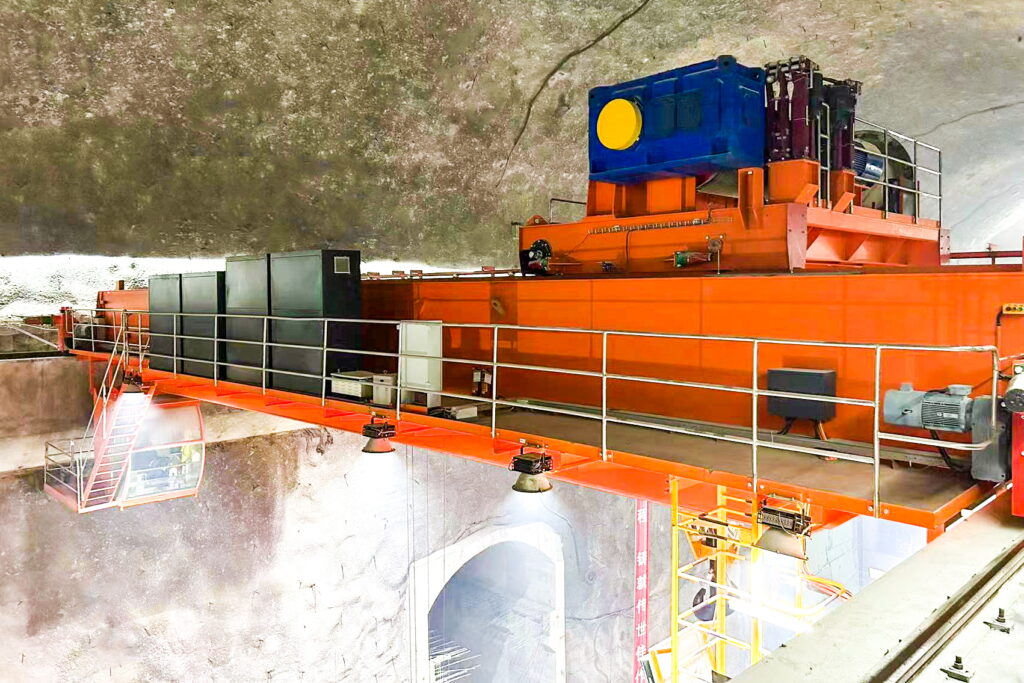
A set of bridge cranes including a 125 t unit was supplied for underground pump-unit lifting, with PLC and inverter communication and multi-point synchronization.
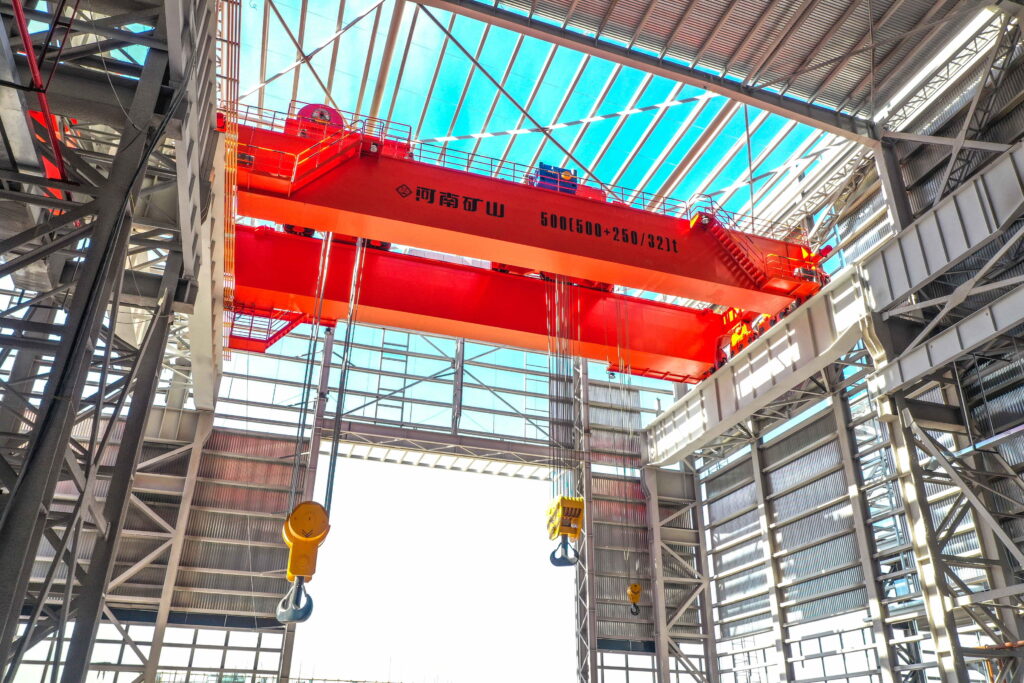
A 500 t double-trolley bridge crane was installed and operated within a first-phase delivery of 43 cranes.
These product families support the handling tasks above. The final crane and attachment are selected from the site brief.
Send the operating brief and the relevant layout drawings. The resulting proposal can address capacity, geometry, duty, controls, installation interface and safety requirements as one system.
Prepare your enquiry ↗No. The heaviest installation or removal lift may control capacity and geometry. The full lift schedule should be reviewed before fixing crane size.
They are considered when long or heavy components require controlled sharing of load between lifting points. The lift plan must define permitted imbalance and operating sequence.
Start with a load schedule and site plan. Our team can help develop the matched crane arrangement and technical scope.
Start a project enquiry ↗